





Are you looking for an adaptable cat for living in the house, with a long coat if possible? The “British Longhair”, also often “Highlander” is the semi-longhair variant of the British Shorthair and shares with her the friendly, balanced nature and a rather low urge to move. The history of the British Shorthair is closely related to the history of the British Shorthair. After all, both breeds correspond to the same standard and only differ in the long, soft fur of the British Longhair, which was created by crossbreeding with Persian cats.
British Longhair Cat Breed
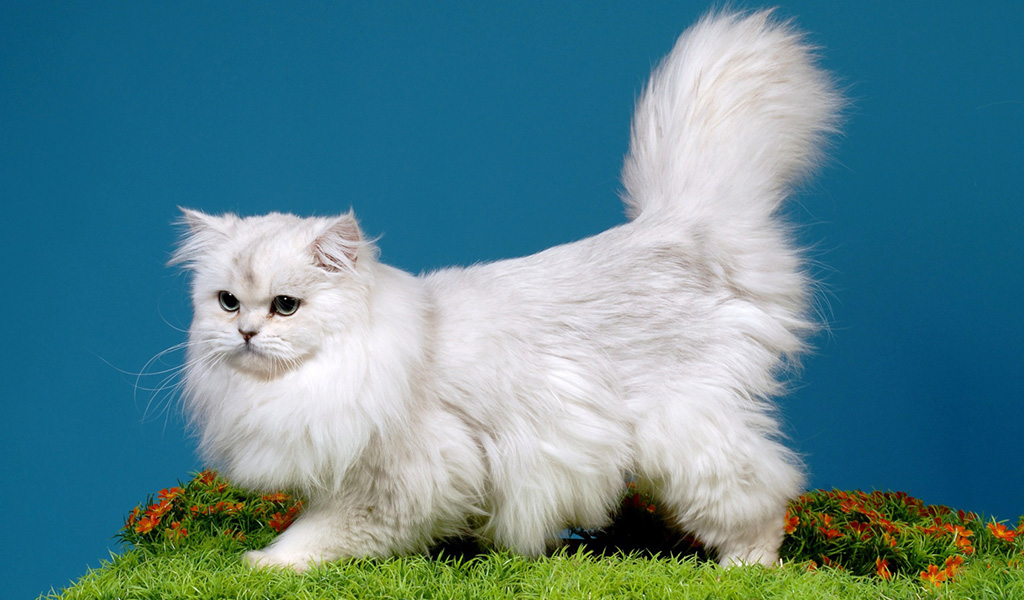
British longhair originated from the breeding of British shorthair cats with Persians. Originally these crossings were made to enlarge the British Shorthair gene pool, which became smaller after the world wars. Long-haired is inherited recessively, so it is carried covertly in the breed’s gene pool. Sometimes long-haired animals only emerge after several generations. This is also the case with the British Shorthair. However, the breed standard of the British Shorthair required short fur – long-haired cats were first excluded from breeding and passed on as neutered lovers. Many short-haired cats carry the recessive gene for long fur – for this reason, it can still happen today that long-haired animals appear in British Shorthair breeding even though both parents have short fur.
In the meantime, the British Longhair has been recognized as an independent breed by some breed clubs. Their breeding standard corresponds to that of the British Shorthair, both breeds differ only in their coat length. Depending on the breed, British Longhair cats can be smaller or larger, and the actual coat length can also vary. Some breeders value large framed animals, while others breed more compact.
British Longhair Temperament
British Longhair cats combine the characteristics of British Shorthair and Persians. They are calm, well-balanced animals that in most cases are ideal for keeping indoors. Like most cats, they like attention – they love contact with “their” human and regular petting and play.
The extended play is particularly important for animals that live in the house – but cats that outdoors also enjoy playing with their humans. The British Longhair is considered to be a very docile cat who also wants to be mentally encouraged. Offer your cat various toys and play options, from the classic play mouse to balls or intelligence toys, as they are no longer only offered for dogs, but also for cats. Your cat will love having to hunt for their food!
The prejudice that cats cannot be trained is only partially true. Cats may not be trained like dogs, but they learn very quickly. This is why consistency is important with cats too. For example, don’t let your cat beg at the table – this is especially true for cat breeds that spend a large part of their everyday life in the house, get less exercise and, due to their disposition, may be prone to obesity.
Appearance
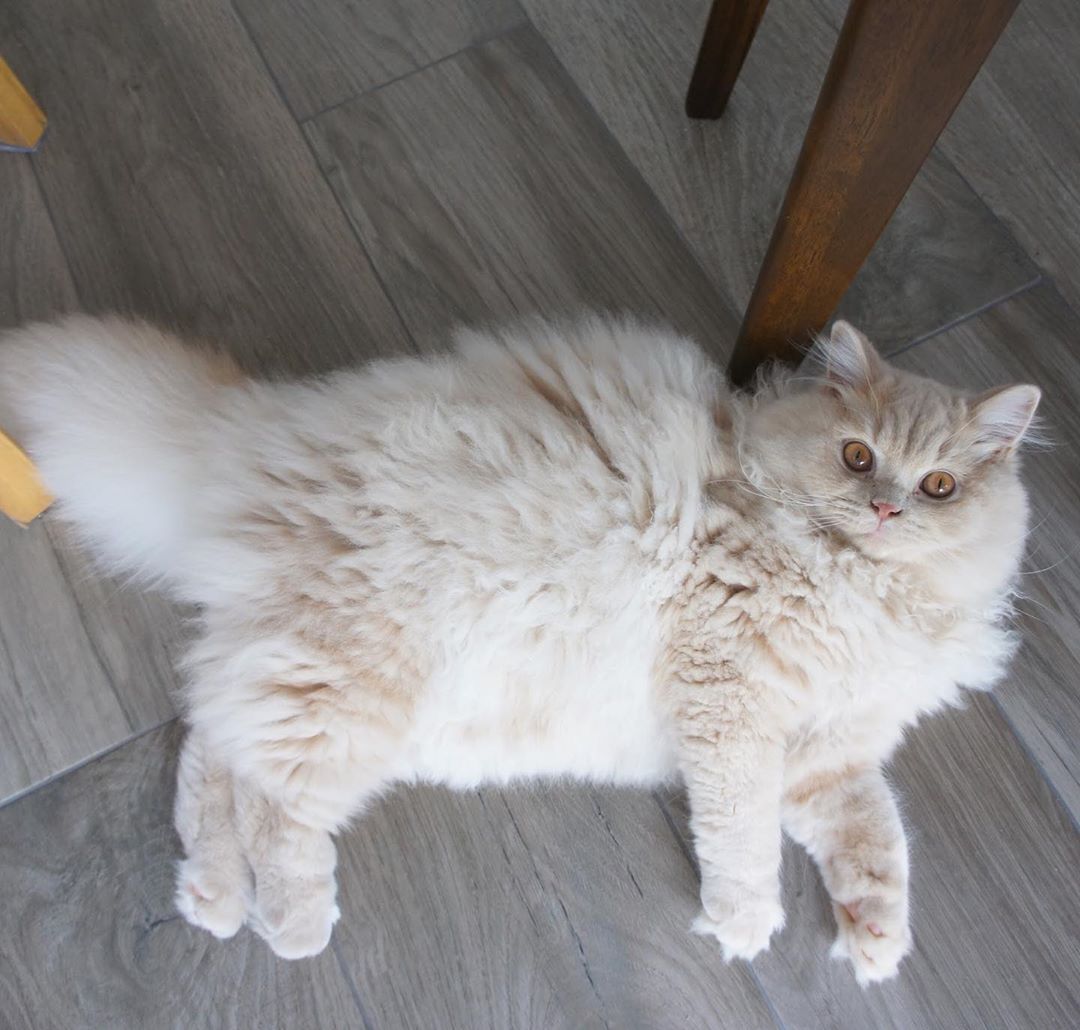
Like their short-haired relatives, Highlanders have a stocky body that should ideally not look fat, but rather muscular. The legs are rather short, the chest broad and strong. Her round skull with a short nose, which, unlike many other long-haired cats, is short and wide with a slight indentation, goes perfectly with it. As with the British Shorthair cat, the ears of the British Longhair cat are small and round – together with the large, dark spherical eyes and the plush fur, this gives them the appearance of a teddy bear. Females weigh between 4 and 6 kilograms, males up to 8 kilograms. The British Shorthair is therefore rather compact compared to large-framed cats like the Maine Coon, although their thick fur often makes them appear larger.
The most characteristic of the British Longhair breed is its semi-long, thick coat. The Highlanders inherited their fur characteristics from their ancestors, the Persian breed, who were crossed with British Shorthair cats. The long fur came about by chance at first, long-haired British Shorthair cats were kept as pets as an undesirable “by-product” and were excluded from breeding. In fact, almost all major umbrella organizations still refuse to recognize the British Longhair as an independent breed. Many short-haired cats carry the recessive gene for long fur – for this reason, it can still happen today that long-haired animals appear in British Shorthair breeding even though both parents have short fur.
The coat of the British longhair is not as long as that of the Persian and is therefore referred to as “half-length”. A particularly dense undercoat means that the Highlander’s fur protrudes from the body and therefore looks particularly plush. Since the British Longhair is closely related to that of the British Shorthair, the possible colors and patterns are the same. There is something for every taste among the more than 300 color variations! Silver animals are particularly popular.
Coat Colors
Like the British Shorthair, Highlanders come in single and multi-colored. Their color world ranges from classic black, brown (chocolate), cinnamon, and red to the so-called “dilutions”: blue, lilac. Fawn and cream. Black and white and tri-colored cats often look like long-haired domestic cats. Cats called “shaded” only show that particular color in the tips of their hair. They can therefore only be recognized as shading, a very nice effect in the long fur of the Highlander!
We have summarized the most important of the more than 300 color variants for you:
- Colorpoint: With this coloring, only the body tips (face, ears, legs, tail, and, in the case of a hangover, the genital area) are colored in the basic colors.
- Chinchilla: British shorthair chinchillas have a very interesting coloration: One-eighth of the hair is colored in one of the basic colors of the black series, the rest from the approach to silver-white.
- Tabby: “Tabby” means more than just tabby. Depending on the appearance of the color,
- British Shorthair tabby can be “mackerel”, “classic”, “blotched”, “spotted” or “ticked”
- Tortie: Designates a three-colored British Longhair, also known as “tortoiseshell”. British
- Longhair Tortie is usually always female due to their genetic makeup.
- Torbie: These cats have a tortie and tabby color combination
- Two-tone: Any color with white – depending on the proportion of color, it can be “Harlequin” with only 1/6 colored fur, “Van” with a high proportion of white, or “Bicolor” with equal proportions of white / colored.
Care Tips
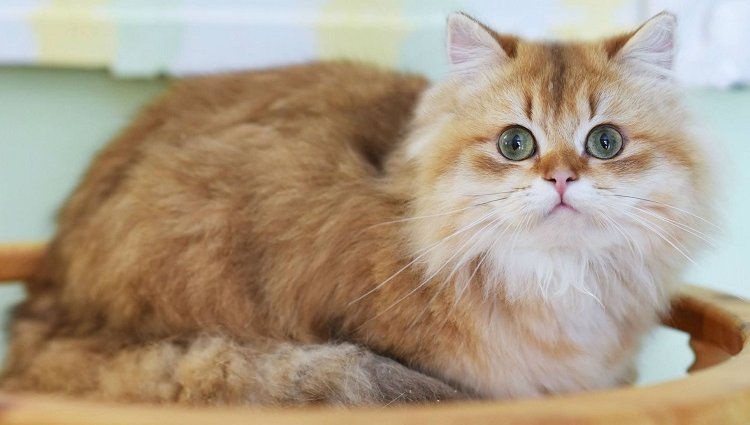
Long fur requires more grooming than short cat fur. In doing so, she keeps the effort of grooming the British Longhair within limits: To avoid matting and knotting of the undercoat, it is often sufficient to brush the cat thoroughly once a week – when changing coat or more frequently for animals with longer coats.
To avoid knots in the fur in the first place, cats should be used to brushes and cams when they are kittens. The market has all kinds of cat brushes and combs, and what works for you and your cat often depends on individual preferences. Start with a particularly soft brush that does not tug in the fine kitten fur and does not damage the skin. After each care session, there is a little treat. If regular grooming is no longer a problem for the cat and owner, you can also use more effective brushes and combs for adult animals as required.
As very clean animals, cats tend to groom their fur themselves. The cat’s tongue with horned teeth is the most effective grooming tool ever! However, this also means that the fur noses swallow a not inconsiderable amount of hair when grooming their fur. The amount of hair of long-haired cats corresponds to that of the average short-haired cat – but they are several times longer. To support the natural shedding of this hair, you can offer your cat grass in addition to the regular food or support you with special treats. When buying cat treats with additional benefits, however, make sure they are made of high quality, ideally without sugar or unnecessary vegetable by-products!
Diseases
Even if the Highlanders are uncomplicated cats all around, they tend to suffer from the typical diseases of their short-haired relatives. Like the British Shorthair, for example, obesity is a major problem for most domestic animals. The best remedy is regular exercise. Swing the game rod and enjoy playing with your cat!
British longhair cats are more likely to suffer from polycystic kidney disease. This hereditary disease occurs more often in British Shorthair and Persian cats – the British Longhair is also affected as a cross between these two breeds. Kidney cysts develop quite early in the first age and can be easily detected by ultrasound.
In addition, a disease of the heart muscle, hypertrophic cardiomyopathy (also called “HCM”), occurs more frequently in British longhairs. Regular cardiac ultrasound of the breeding animals is the best way to detect the disease at an early stage and to exclude affected animals from breeding. There is no cure for hypertrophic cardiomyopathy, but early diagnosis offers treatment options so that affected cats can still live long!
British Longhair Diet
The British Longhair does not differ in its nutritional requirements from other cat breeds. The best nutritional basis is high-quality wet or dry food with a high proportion of meat and lots of protein, as well as freshwater that is freely available. Herbal substances or even by-products should only appear at the end of the list of ingredients in cat food.
To make it easier for the swallowed fur to be removed, you can pamper your Highlander with food with additional benefits. Dry food for long-haired animals or treats that support the change of coat makes it easier for hairballs to pass out naturally. Cat grass is also a good alternative for animals that do not enjoy being outdoors!
If your vet has determined a preposition for HCM or kidney cysts, you can also provide specific support for your cat’s diet. Your trusted veterinarian can make specific suggestions here!
British Longhair Breeding
The British Longhair is a relatively young breed that has not yet been recognized by all-breed clubs. Clubs that recognize the British Longhair allow mating with the British Shorthair. Many short-haired animals carry the gene for long hair, meanwhile there is even a genetic test in order to be able to use short-haired cats with genes for long fur specifically for breeding.
As a young breed, British Longhair cats often display wide variations in size, weight, and coat length. Every breeder has different priorities and values different types of breeding cats. A uniform breed profile therefore often only emerges after several years of targeted breeding work.
How to Find the Right Breeder
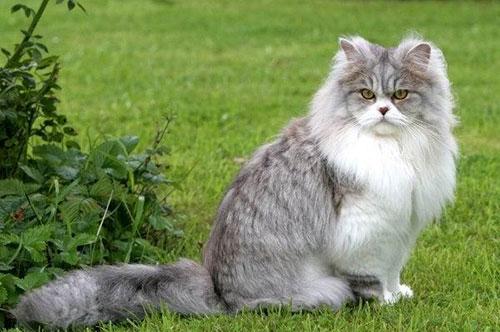
These hereditary diseases found in British longhairs emphasize the importance of a reliable selection of animals approved for breeding. Both HCM and kidney cysts are inheritable. Polycystic kidney disease is inherited in a dominant manner. This means: a cat with cysts will always pass them on to its offspring! A serious breeder has the health of his animals and their offspring in mind provides regular health care and a check-up for common hereditary diseases. He should therefore be able to present you with the examination documents of the parent animals!
Never trust unprofessional breeders who offer “cheap pedigree cats without papers”. Without the control of a breeding club, unfavorable matings often occur here, which increase the risk of hereditary diseases disproportionately. Cat breeding is an expensive and time-consuming hobby. Breeders who can sell their animals as cheaply as possible often save not only on high-quality feed and vaccinations but also on preliminary examinations and a reasonable distance between the pregnancies of the dams. Pedigree animals are expensive – but they are worth the price if you want a cat that is not just eye-candy but also well socialized and healthy.
Animal welfare associations and animal shelters are an alternative. Many short and long-haired cats of all ages are waiting for a good new home here!















