





Paw licking can become a serious problem in dogs that dog owners need to respond to. Constant licking can damage the dog’s skin in such a way that it causes inflammation. Bacteria and viruses can then easily penetrate. In this article, we reveal how to use home remedies to combat itchy dog paws and the constant licking.
Itchy paws in dogs
- Regular paw checks are important.
- Regular paw grooming is just as important.
- In the extreme case, the dog must be presented to a veterinarian.
Proper care of the paws is the be-all and end-all
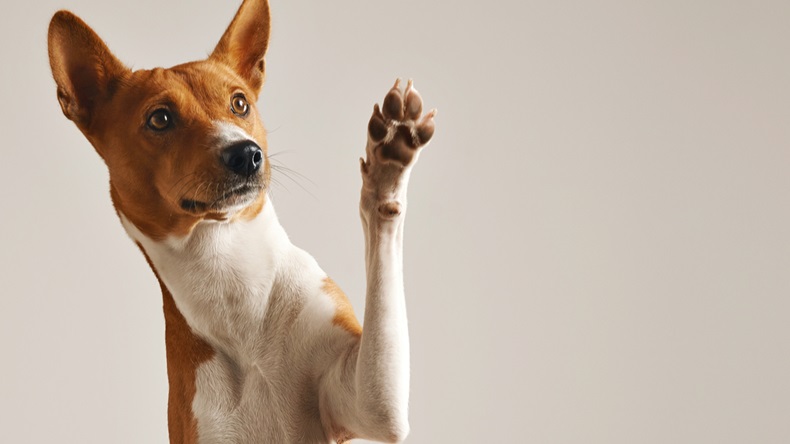
Every dog nibbles and licks its paws once. It doesn’t matter unless it lasts longer and the dog harms itself. The paws can turn red and swell from too much licking, and the dog can even lick itself bloody. The cause must be found in order to be able to fight it. There are many causes. In addition to external influences such as fungi and foreign bodies, boredom or stress can also be a cause. In any case, humans have to do something to prevent further damage to the dog’s paws.
Against licking: wash and embalm paws
Dog paws come into contact with many irritants and allergens outside. Sensitive dogs will try licking to remove pollen, chemicals from the ground, or road salt from their paws in winter. It is therefore important to wash your dog’s paws with a mild dog shampoo after walking. A natural, soothing paw balm should then be applied to the well-dried dog paw. An anti-itch solution is also good. Fur that is too long on the paws and between the pads should be trimmed or removed regularly.
Dog licking its paw: clean its surroundings
Dogs can also suffer from allergies and often react to some substances. It can be very helpful to keep dust and dirt as low as possible. Dog pillows, blankets, and sleeping areas for your four-legged friend should be washed more often. Hot temperatures are to be selected. However, no detergent should be used as it can irritate again. Special shampoos and ointments help with a fungal infection.
Paw licking: Paw shoes and a bandage can help

Since the dog can only walk on its paws, it has no way of getting around dirt. This applies to both inside and outside. Humans can support them with the right care. If a dog is very sensitive, paw shoes can be used in an emergency. Especially if the paw is already reddened or inflamed. With a paw bandage, the padding must be very careful and that the bandage is firm enough not to slip, but in no way constricts the affected dog. If in doubt, the bandage should be put on by the veterinarian.
Bale care: check, dry, and apply lotion
Regular ball control should be on every dog owner’s to-do list. The pads on the paws can become cracked and brittle. This can go as far as inflammation, which is painful. The balls can be damaged by external influences. In winter from ice, snow, and severe frost, in summer from hot asphalt. To keep the pads elastic, they should be regularly creamed with milking fat or paw protection cream, especially in winter. Before you go out for a walk in the snow, some cooking oil can help protect your paws. As an alternative, the dog should be given something to chew so that the dog does not lick it down again.
Wet paws should generally be dried well. In winter with ice, snow, and road salt, it is important to first clean your paws with lukewarm water and then dry them well. Even in muddy weather, the paws should be cleaned and dried.
Shorten claws to avoid licking paws
Proper paw care also includes checking the claws. If they are too long, they can hinder the dog from walking and cause him pain. The claws can be trimmed with special claw scissors. However, it is very important to pay attention to where the “life” is in the claw. It should never be cut that far. Otherwise, the claw would start to bleed and it would be very painful for the dog. If you are unsure, you should have the claws cut by the vet or a dog hairdresser.
Our tip

Paw care is very important in dogs. The dog cannot take care of the paws on its own, so it is up to humans to ensure that the pads remain elastic and do not become infected, as well as the correct length of the claws that prevent the dog from walking can.















