Have you ever wondered about the true origins of one of the world’s most versatile dog breeds? The Rottweiler History: From Herder or Driving Dogs to Sporting, Therapy Dog role is a remarkable journey that highlights how this ancient breed evolved from Roman drover dogs to modern companions excelling in diverse roles such as sporting and therapy. Understanding this lineage provides insightful appreciation for the Rottweiler’s strength, intelligence, and adaptability, bridging over two millennia of history and human partnership.
The Roman Drover Dogs: Ancient Ancestors of the Rottweiler
Origins in Roman Livestock Management
The roots of the Rottweiler trace back over 2,000 years to the Roman Empire. As Roman legions marched across Europe, they were accompanied by robust mastiff-type drover dogs. These dogs played a vital role in herding and protecting vast herds of cattle that fed the armies during their campaigns, especially through the challenging Alpine regions and into what is now southern Germany.
Characteristics That Shaped the Breed
These ancient drover dogs combined exceptional strength, endurance, and protective instincts. Their task of managing large herds on lengthy journeys demanded intelligence, loyalty, and an unwavering calmness under pressure—traits that remain cornerstone to the Rottweiler breed today. Their interaction with local breeds in the region around the Roman campgrounds led to early genetic blending, nurturing the development of a distinctly capable herding and driving dog.

Rottweil: The Butcher’s Dog Emerges
The Role of the Town of Rottweil
Following the collapse of the Roman Empire, the descendants of these drover dogs settled in and around the town of Rottweil in Germany, a strategic livestock trading hub. Here, the dogs became indispensable to butchers and cattle traders for herding, driving livestock to market and performing guarding duties. Because butchers often carried money tied in pouches around the dog’s neck for safekeeping during livestock sales, the Rottweiler became known as the “Butcher’s Dog of Rottweil” (Rottweiler Metzgerhund).
Herding, Guarding, and Carting Duties
- Herding and Driving: Moving cattle across rugged terrain and through crowded markets.
- Guarding: Protecting livestock, money, homes, and businesses from thieves and predators.
- Carting: Pulling heavy meat carts, showcasing the breed’s strength and endurance.
The combination of these roles honed the breed’s muscular build, steady temperament, and protective instincts—hallmarks that became firmly embedded in the Rottweiler’s identity.
Transition Through Industrial Changes
Decline of Traditional Working Roles
The 19th century Industrial Revolution drastically altered the need for Rottweilers as herding and droving dogs. With railways becoming the primary transport for livestock and goods, the demand for the Rottweiler’s carting and droving skills declined, causing the breed to nearly disappear. By the late 1800s, only a few scattered individuals remained, threatening the breed’s survival.
Breed Preservation and Revival
Thanks to dedicated enthusiasts in Germany and other parts of Europe, efforts were made to preserve the Rottweiler’s unique attributes. Breed clubs were formed to establish standards focusing on balance, temperament, and working ability rather than purely appearance. This groundwork laid the foundation for the breed’s resurgence into new roles beyond herding and guarding.
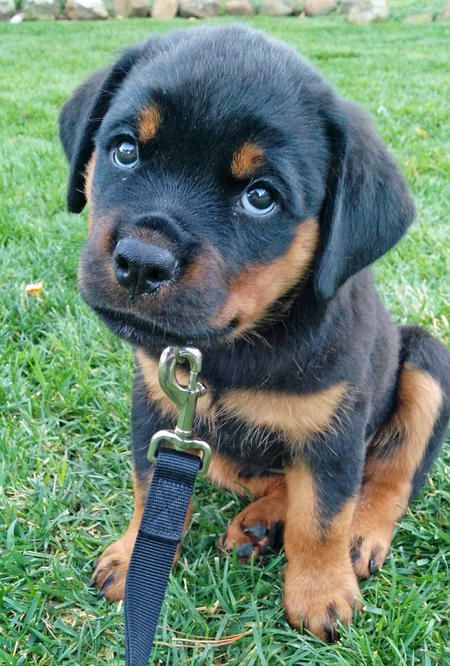
Rottweilers in Sporting and Therapy Roles
Adaptation to Sporting Activities
As the breed evolved, Rottweilers demonstrated aptitude not only in traditional working roles but also in various sporting disciplines. Their intelligence, quick learning ability, and physical power made them natural competitors in obedience, tracking, agility, herding trials, and protection sports. These activities keep the breed mentally sharp and physically fit, while emphasizing their strong bond with human handlers.
Therapy and Service Dog Contributions
Beyond physical roles, many Rottweilers have transitioned into remarkable therapy and service dogs. Their calm demeanor combined with a quiet confidence allows them to comfort and aid people in hospitals, nursing homes, schools, and disaster sites. Rottweilers trained for therapeutic work often interact empathetically with diverse populations, proving the breed’s versatility and gentle nature outside of traditional guarding functions.
Physical and Temperamental Traits Supporting Versatility
Robust Build for Multitasking
The Rottweiler’s physique reflects its functional history. A broad chest, muscular limbs, and strong jaws empower the dog to perform physically demanding tasks. Their compact but powerful silhouette allows endurance and agility, key for activities ranging from pulling carts to participating in canine sports.
Balanced Temperament
Temperamentally, Rottweilers balance confidence with composure. They are naturally protective without unnecessary aggression, making them reliable family protectors and obedient working dogs. This even temperament is essential for the breed’s success across herding, sporting, police service, and therapy work.
Legacy and Modern-Day Significance
A Living Legacy of Utility and Loyalty
From the days of the Roman Empire through the bustling markets of medieval Germany to modern dog sports and therapy visits, the Rottweiler’s journey is a living testament to its adaptability and enduring value. This heritage continues to inspire owners and breed enthusiasts worldwide, ensuring the breed’s purpose and spirit thrive. 
Ongoing Enthusiast and Club Support
Organizations such as the American Rottweiler Club actively promote breed standards that honor the Rottweiler’s historical strengths while encouraging its development in community roles and competitive sports. Their dedication helps maintain this ancient dog’s legacy in the contemporary era.
In summary, the Rottweiler History: From Herder or Driving Dogs to Sporting, Therapy Dog illustrates a remarkable evolutionary tale. Descending from Roman drover dogs, the Rottweiler has transformed across centuries, excelling in herding, guarding, sporting, and therapy roles. Its physical and temperamental traits reflect a legacy deeply rooted in functional versatility and loyal companionship. To learn more about this extraordinary breed, explore dedicated breed clubs or engage with training programs that honor these historic roles.