Pomeranians might be small, but their playful behavior is bold, expressive, and often full of meaning. If you’ve ever watched your Pom start wagging, spinning, barking, or even play‑bowing, you’ve witnessed intentional canine communication — not random silliness.
In this detailed guide, we’ll explain:
-
Why Pomeranians play the way they do
-
What their specific behaviors mean
-
How play connects to communication, socialization, and wellbeing
-
How to encourage healthy play
-
When play escalates to problem behavior
-
Ways to read your Pom’s body language
-
Training tips to manage play appropriately
Let’s break down the fascinating world of Pomeranian play.
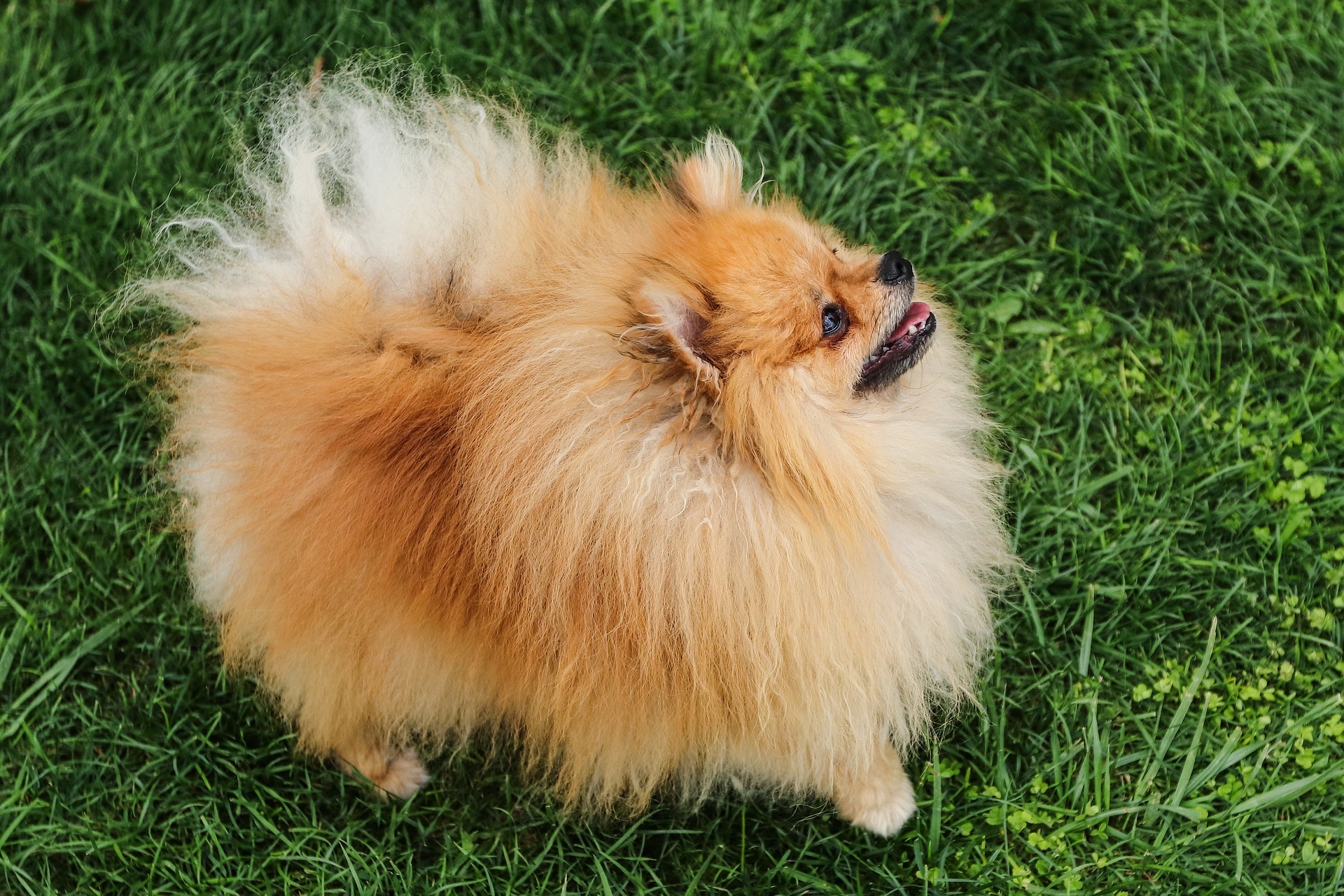
1. Play Is a Natural Canine Language
Before we focus on Pomeranians specifically, it helps to understand that dog play is a form of communication shared across the species. Like all dogs, Poms use physical gestures, vocalizations, and body language to express intentions, emotions, and social signals.
According to canine behavior research, play between dogs — and between dogs and humans — often uses behaviors that could look aggressive in other contexts, such as nipping or chasing, but are actually part of friendly interaction. Signals like the play bow show others, “I want to have fun, not fight.” Wikipedia
When you see your Pom lower its front legs with butt in the air and eyes bright, that’s precisely what it means — this is play, not threat. Pomeranian Headquarters
2. Why Pomeranians Are So Playful
Pomeranians are a toy breed with surprising energy and intelligence. Unlike calm companion breeds that prefer long naps, Poms often have short bursts of high‑energy play that help them burn off curiosity and attention. pomnest.com
Energy Meets Curiosity
Pomeranians were bred from larger Spitz ancestors who had working roles, and while today’s Poms are companions, they still inherit traits of alertness, curiosity, and engagement with the environment. PomsCare
Smart Playmates
Pomeranians are known to be intelligent and quick learners, which means they enjoy interactive play that challenges their mind and body — not just passive fetching. pomnest.com
Interactive With Humans
Poms often see their humans as partners in games, which makes play a form of social bonding, not just exercise. woofyclub.com
3. Common Playful Behaviors and What They Mean
Understanding specific Pomeranian play behavior can help you interpret how your dog is feeling and what they’re trying to communicate.
Play Bow: “Let’s Have Fun!”
When a Pomeranian lowers its front legs and raises the back end, that’s a classic play bow, signaling a friendly invitation to play. Pomeranian Headquarters
Spinning and Quick Chases
Many Pomeranians run in circles, spin, or dash around during play. This isn’t random energy — it’s a classic form of dog play movement, often used when they want a chase game or are trying to excite their human or another dog.
Vocalizations During Play
Poms use a variety of sounds while playing — from short barks and yips to playful growls. These playful noises often accompany excitement and engagement. Woofmastery.com
Standing on Hind Legs
You may notice your Pomeranian standing or “dancing” on its hind legs when playing. This posture often means they’re engaging playfully or trying to get attention for the next game. petcarerx.com
Fetching and Toy Play
While some Pomeranians may not fetch immediately, with encouragement many enjoy chasing and returning toys. It’s a great way to channel their energy and reinforce positive social play. Pomeranian Headquarters
4. Interpreting Body Language in Play
Play behavior isn’t just about movement — body language tells you what kind of play is happening and how your Pom feels.
-
Loose, relaxed body = happy, comfortable play
-
Play bow with wagging tail = invitation to interact
-
High‑pitched bark with play face = playful excitement
-
Reward‑seeking vocalization = motivation for activity
In contrast, a tucked tail or stiff body may indicate stress, fear, or discomfort rather than play — understanding these cues is crucial. Pomeranian Headquarters
5. How Pomeranians Communicate During Play
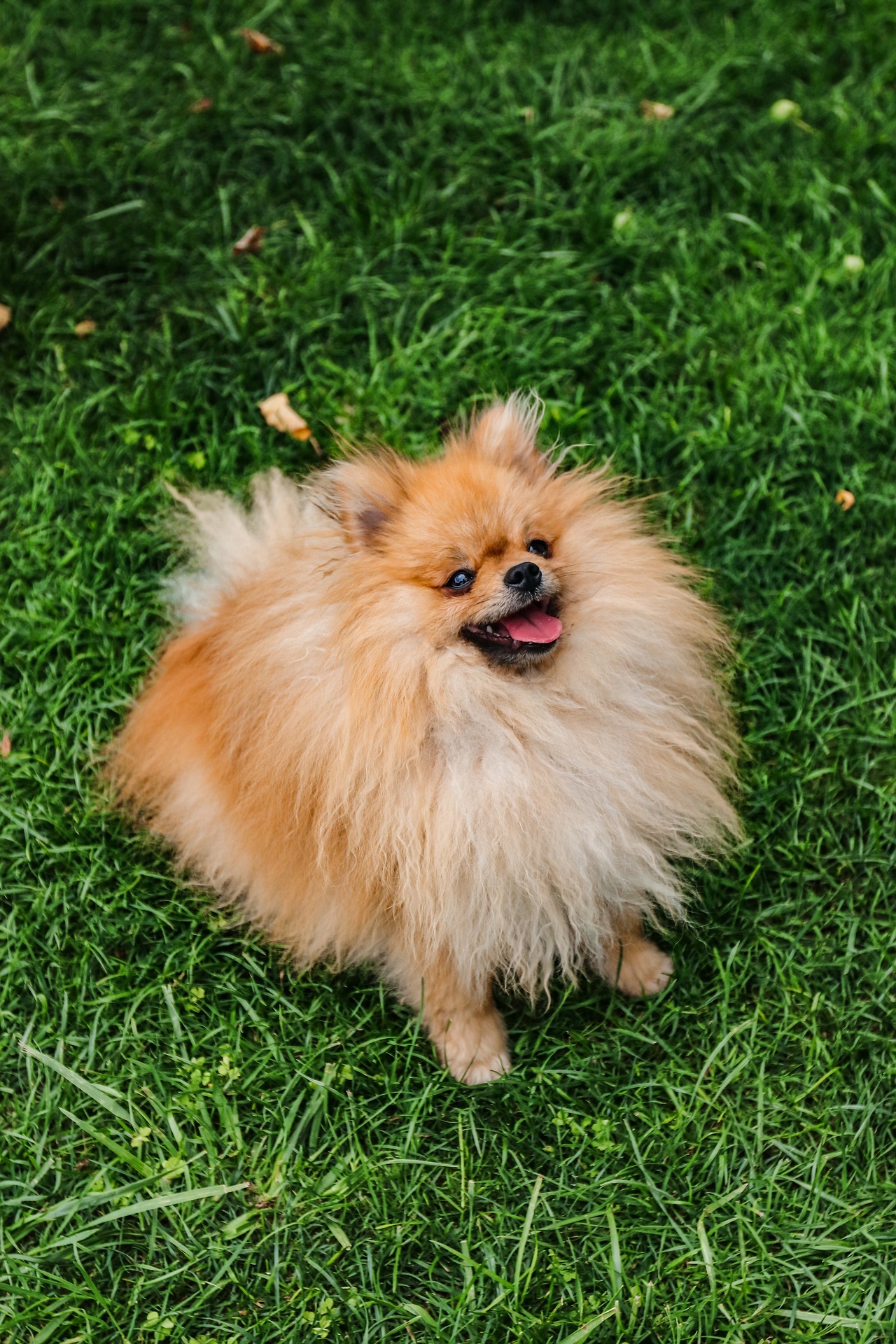
Unlike humans, dogs don’t have word language — they communicate through posture, movement, and vocalization. Recognizing specific playful signals helps you understand your Pom’s mindset.
Approach With a Play Face
A relaxed open mouth with little tension often indicates that a Pomeranian is not stressed and is inviting friendly interaction. Wikipedia
Play Stance
Getting into the play bow position with front legs down and rear high is one of the most universal signals among dogs — meaning I want to have fun, not fight. Pomeranian Headquarters
Playful Barking
Short, high‑pitched barks often occur during play. These differ from deeper, low barks related to fear or aggression. Pomeranian Headquarters
6. The Role of Early Socialization in Play Behavior
A Pomeranian’s playful behavior depends heavily on socialization during puppyhood. Introducing them to people, sounds, surfaces, and other pets early — in a positive, rewarding way — gives them confidence to engage in healthy play. Dog Breeds Expert
Without proper early experiences, a Pom might become overly cautious or reactive, which can limit playfulness or cause misunderstood behavior. Early exposure builds confidence and helps them understand appropriate social play. pomnest.com
7. How to Encourage Healthy Play in Pomeranians
Here are actionable ways to support your Pom’s playful nature:
Use Treats and Toys
Incorporate treats and toys into play to reinforce engagement. If your Pom enjoys treats, hide them in toys or use them for fetching games. Let\’s Learn Slang
Safe Indoor Play
Pomeranians enjoy games like fetch, chase, or puzzle toys inside the house — especially helpful if outdoor space is limited. Pomeranian Headquarters
Rotate Toys
Switch toys periodically to keep play exciting and mentally stimulating — especially important for intelligent breeds prone to boredom. Pomeranian Headquarters
Teach Play Commands
Commands like “get it,” “bring,” and “drop it” help structure play and encourage communication between you and your Pom. PomsCare
Use Brain Games
Mental stimulation is just as important as physical activity. Interactive puzzles or scent work games keep a Pom’s mind active while satisfying their curiosity. Pomeranian Headquarters
8. Play With Other Dogs — What to Know
Pomeranians often welcome play with other dogs, but due to their small size, supervision is key. Initiatives like play bows and quick chase behaviors are usually friendly invitations, even if they look intense. Wikipedia
Tip: Size Matters
Because of their small stature, Pomeranians should play with dogs of similar size for safety. A large dog’s play style may unintentionally injure a Pom even when both are “just playing.” Online community feedback reinforces this caution among owners. Reddit
9. Play That Turns Rough — What to Watch For
Not all energetic behavior is healthy play. You should watch for signs that might mean play is getting too intense or that another dog isn’t reciprocating in a safe way.
Examples of Escalation
-
Hard biting or nipping that leaves marks
-
A stiff body or pinned ears during interaction
-
Growling that doesn’t resolve into play signals
-
A dog trying to retreat repeatedly
In multi‑dog play, intervening earlier helps prevent accidentally harmful situations. Reinforce calm behavior after play ends to help boundary learning. Reddit
10. Understanding A Pomeranian’s Play Cycles

Pomeranians often play in bursts — a few minutes of intense engagement followed by a rest period. This pattern is normal for small breeds, which have bursts of high energy followed by rest. pomnest.com
Respecting their natural rhythm helps keep play fun rather than exhausting or stressful.
11. Play and Behavior Training — How They Work Together
Play and training aren’t separate — training underpins healthy play. Pomeranians benefit from training that teaches boundaries, impulse control, and fun ways to play without overexcitement. PomsCare
Positive Reinforcement
Rewarding good behavior during play (e.g., “gentle,” “drop it”) reinforces desirable responses and prevents negative behaviors like possessiveness. pomnest.com
Teach Calm Play
When your Pom gets overstimulated, teaching calm behaviors — like “settle” or “place” — helps them understand that play has an end and that winding down is part of a healthy routine. pomnest.com
12. Play and Emotional Bonding
Play isn’t merely entertainment — it strengthens your emotional connection with your Pomeranian. Dogs perceive play as shared time and engagement with people they trust, which deepens attachment.
Fun shared activities like fetch, puzzle solving, or gentle chasing games reinforce a sense of partnership and mutual enjoyment.
13. Tailoring Play to Your Pomeranian’s Personality
Every Pom is unique. Some may prefer fetch, others puzzle toys, and some may enjoy gentle wrestling with an owner on the floor. Read your dog’s signals:
-
Do they chase a toy eagerly?
-
Do they invite you with a play bow?
-
Do they return toys willingly?
Understanding these preferences helps tailor play in ways that keep your Pom confident, happy, and mentally satisfied. petnetid.com
14. Play Through All Life Stages
Play evolves as your Pom ages. Puppies may engage in fast bursts of chase and explore games more, while adults may enjoy structured play and puzzles best. Seniors may prefer calm interactive games or gentle fetch. Adjust play styles as your dog’s needs change.
15. Conclusion: Play Is a Language — Learn It, Enjoy It
Understanding your Pomeranian’s playful behavior is about learning a canine communication style that combines body language, vocal cues, and energy levels. Play isn’t just fun — it’s social communication, mental stimulation, bonding time, and physical exercise all wrapped into one.
Reading your Pom’s cues, encouraging play safely, and reinforcing positive behaviors will help you and your dog enjoy happy, healthy, and meaningful interaction every day.
Pomeranians may be tiny, fluffy, fox-faced companions, but their playful personalities are gigantic. They have a mix of spitz-dog intelligence, toy-breed affection, and comedian-like antics that can leave even seasoned dog owners scratching their heads. If you’ve ever wondered why your Pom does zoomies, pounces on toys like a lion cub, or talks back like a tiny furry child, this FAQ will help you make sense of it all.
Here are the most detailed, helpful, and fun Pomeranian play-behavior FAQs you’ll ever read—designed to help owners better understand their Pom’s body language, communication style, and motivations.
FAQ: How to Understand Your Pomeranian’s Playful Behavior
1. Why are Pomeranians so playful compared to other small dogs?
Pomeranians are naturally energetic and spirited because of their spitz ancestry and their original roles as working dogs. Long before they became purse-sized fluffballs, they were larger, active, intelligent dogs bred for tasks like:
-
Herding
-
Pulling sleds
-
Alerting humans to predators
-
Guarding property
-
Participating in daily labor
Today, although Poms are much smaller, their instincts and mental drive remain strong. They express this by playing—play is their “job.”
Play helps them:
-
Burn energy
-
Sharpen their minds
-
Practice instincts (chasing, pouncing, guarding)
-
Communicate socially
-
Strengthen their bond with you
-
Relieve stress
Their small size makes their energy seem even bigger, but truly, a playful Pom is just a scaled-down working dog with a brave heart and a comedian’s personality.
2. What does it mean when my Pomeranian does zoomies (FRAPs)?
Zoomies—officially called Frenetic Random Activity Periods (FRAPs)—are bursts of wild, joyful running. If your Pom suddenly:
-
Sprints around the house
-
Runs in circles
-
Does sudden dashes
-
Spins mid-run
-
Weaves around furniture like a furry bullet
…that’s completely normal.
Why zoomies happen:
-
Excess energy — Often after baths, naps, or meals.
-
Joy overflow — They’re excited and their body expresses it physically.
-
Stress release — After grooming or stimulation.
-
Instinctual play behavior — Mimicking prey-chasing patterns.
Zoomies are harmless unless your home has slippery surfaces. Ensure safe areas or place rugs to avoid injury.
If zoomies occur constantly or chaotically, it might signal pent-up energy. Increasing mental stimulation, short walks, or training sessions can help regulate them.
3. Why does my Pom shake toys like they’re prey? Should I be worried?
The dramatic toy-shaking is completely normal and stems from the Pom’s predatory instinct.
Wild canines shake prey as a way to:
-
Disorient
-
“Capture”
-
Practice predatory behavior
-
Test their strength
While your Pom is not a hunter anymore, the instinct persists.
Shaking toys:
-
Helps them release energy
-
Stimulates their mind
-
Exercises their jaw
-
Lets them act out instinctual patterns safely
-
Shows excitement
It’s not aggression—it’s play-fighting.
However:
-
Provide durable toys
-
Avoid rope toys that fray
-
Keep fingers away from the action
If your Pom guards toys or growls excessively, that’s a resource guarding issue, not normal play, and needs training.
4. Why does my Pomeranian pounce like a cat?
Pouncing—complete with butt wiggles, raised tails, and playful hops—is a signature Pom behavior.
Reasons your Pom pounces:
1. Instinct
Their spitz ancestors hunted small prey using rapid pouncing movements.
2. Curiosity
Poms are highly inquisitive and explore the world with dramatic gestures.
3. Social play
Pouncing is an invitation for you or another dog to join in.
4. Confidence
Poms love showing off; pouncing is one of their “performance tricks.”
Pouncing becomes concerning only if it turns into:
-
Lunging
-
Excessive stalking
-
Fear-based attacks
In normal contexts, it’s simply adorable, instinct-driven play.
5. Why does my Pom bark while playing? Does barking always mean aggression?
Pomeranians bark during play to communicate excitement, not anger.
Play barking may sound like:
-
Short, sharp barks
-
High-pitched yips
-
Grumbles
-
“Talking” yodels
-
Growl-bark combinations
Play barking often appears when:
-
Playing tug-of-war
-
Chasing toys
-
Interacting with humans
-
Running with other dogs
Signs it’s play barking:
-
Loose, wiggly body
-
Tail up and wagging
-
Play bow posture
-
Eyes soft
-
Mouth open (not tight)
Signs barking is not playful:
-
Stiff posture
-
Tail rigid
-
Closed mouth
-
Intense stare
-
Backing away
-
Repeated warning growls
Understanding these differences helps you read your Pom’s emotions clearly.
6. Why does my Pom bring me toys but then run away with them?
This adorable game is called tease-and-retreat play.
Your Pom is saying:
“Let’s play chase! Come get me!”
This happens because:
-
They want interactive play, not solo play
-
They’re trying to lure you into a fun game
-
They love attention
-
They enjoy being pursued
-
It triggers instinctive running and chasing patterns
To encourage proper retrieving, teach a structured “fetch and drop” routine using:
-
Treat rewards
-
Clicker training
-
Trading toys
-
Consistent cues
But if your Pom prefers chase, that’s totally normal. It’s their playful personality shining through.
7. Why does my Pomeranian play-bite my hand? Is it aggression?
Pomeranian play-biting is not aggression, especially if:
-
It’s soft
-
They stop when you say “gentle”
-
Tails are wagging
-
Their body posture is loose
-
They’re excited, not fearful
Play-biting is natural dog communication.
It usually means:
-
“Let’s play!”
-
“I’m excited!”
-
“This is fun!”
However, play biting should not become intense or uncontrollable. If it evolves into:
-
Hard biting
-
Overstimulation
-
Growling combined with snapping
-
Guarding behavior
…then you need to redirect with toys and train proper bite inhibition.
Always offer toys during play to protect your hands while still allowing healthy, instinct-based activity.
8. Why does my Pom steal socks, shoes, and random household items?
Because you react!
But also because your Pom is expressing:
Curiosity
Poms explore the world with their mouths.
Attention-seeking
They quickly learn that stealing items gets a big reaction—and attention is a reward.
Playfulness
Carrying objects is similar to carrying prey or toys.
Scent attachment
Items that smell like you are especially appealing because your Pom is bonded to you.
Intelligence
Poms enjoy puzzles and “steal and run” games stimulate their brain.
If the habit becomes destructive or unsafe, create a designated toy box and rotate toys regularly to keep things exciting.
9. Why does my Pomeranian enjoy playing with larger dogs? Isn’t that dangerous?
Pomeranians are fearless and often unaware of their size. Their play behavior with large dogs comes from:
-
Their spitz ancestry (bigger, sturdy dogs)
-
Natural confidence
-
Social openness
-
High energy levels
-
Curiosity
They see big dogs as play partners, not threats.
However—danger is real because of size difference.
Safe play requires:
-
Supervision
-
Calm, gentle large dogs
-
No high-impact chasing
-
Play on non-slippery surfaces
-
Frequent breaks
A Pom may act like a wolf, but physically they are fragile. Always ensure controlled interactions.
10. What does the “play bow” mean, and why do Pomeranians do it so often?
The play bow—front legs lowered, rear end up—is a universal canine sign meaning:
“I’m friendly! Let’s play!”
Poms use the play bow frequently because:
-
They’re extremely social
-
They’re excitable
-
It’s their preferred form of communication
-
They love initiating play with humans and dogs
-
They use it to de-escalate tension
A Pom who play bows constantly is a confident, happy, emotionally healthy dog.
11. Why does my Pomeranian suddenly stop playing and stare at me?
This can mean several things:
1. Checking for your reaction
Poms constantly look to their owners for feedback. They want to know:
“Are you watching me?”
“Am I doing a good job?”
“Should I keep going?”
2. Anticipating your next move
They’re smart and waiting for your cue.
3. Waiting for permission
Some Poms are polite by nature and want reassurance.
4. Confusion
They may be unsure what to do next if the play pattern changes.
This is normal and simply shows how bonded they are to you.
12. Why does my Pom get “too excited” during play and become hyperactive?
Because:
-
They have high energy
-
They’re emotionally expressive
-
They are small, so excitement feels “bigger”
-
They bond through energetic play
-
They have a small body but a big adrenaline response
Signs your Pom is overstimulated:
-
Hard barking
-
frantic spinning
-
wild zoomies
-
nipping
-
jumping uncontrollably
-
ignoring cues
To calm them:
-
Slow down play
-
Switch to puzzle toys
-
Use calm verbal cues
-
Provide a treat-based snuffle mat
-
Give a short break
Hyperplay isn’t harmful unless it escalates into nipping or chaotic behavior.
13. Why does my Pom bring toys to guests but not always to me?
Because toy offering is a social interaction, not just a bonding ritual.
Your Pom may:
-
Seek new playmates
-
Test new people
-
Show off
-
Display confidence
-
Offer toys as “gifts”
-
Try to start a game
Poms love attention and may see guests as exciting new opportunities.
Don’t worry—you are still their favorite person. But guests are “fresh entertainment.”
14. Why does my Pom prefer certain toys and ignore others?
Pomeranians are picky for several reasons:
1. Texture preferences
Some love plush toys, others prefer rubber or crinkly materials.
2. Size
Toys too big may feel intimidating.
3. Scent
They may choose toys that smell more like you.
4. Noise
Some Poms adore squeakers. Others fear them.
5. Challenge level
Intelligent dogs prefer stimulating toys, not boring ones.
Rotate toys weekly to keep play exciting.
15. How can I tell when my Pomeranian is done playing?
Signs your Pom needs a break:
-
Lying down mid-play
-
Sniffing the ground instead of engaging
-
Walking away
-
Yawning repeatedly
-
Avoiding eye contact
-
Dropping the toy but not retrieving
-
Heavy panting
-
Seeking water
It’s healthy to let them rest. Poms are energetic but small, so they fatigue faster.
Final Thoughts
Understanding your Pomeranian’s playful behavior helps you:
-
Strengthen your bond
-
Prevent unwanted habits
-
Create emotionally fulfilling playtime
-
Offer better mental stimulation
-
Support a confident, well-adjusted Pom
When you know what their quirks, spins, bows, barks, and pounces mean, you don’t just “own” a Pom—you understand them on a deeper level.