Dachshunds — those charming little dogs with long bodies, short legs, and big personalities — are much more than “just pets.” For millions of families around the world, Dachshunds become beloved family members, offering years of laughter, companionship, protection, and emotional support in ways that transcend a typical pet‑owner relationship.
In this comprehensive guide, we’ll explore:
-
What makes Dachshunds emotionally special
-
Their unique personality traits and temperament
-
Why they bond so deeply with humans
-
How they enrich family dynamics
-
Tear‑jerking and heartwarming stories
-
The emotional and psychological benefits of having a Dachshund
-
Ways to nurture and strengthen that bond
-
Tips for responsible Dachshund ownership
Let’s dive into why Dachshunds are truly family — not just pets.

1. Dachshunds Are Incredibly Loyal and Affectionate
One of the most defining traits of Dachshunds is their loyalty. Once they bond with a family member, that connection runs deep and lasting. Unlike some breeds that treat affection casually, Dachshunds often develop fierce attachments to their people, wanting to be near them throughout the day. sweetdachshunds.com
Many owners describe Dachshunds as “velcro dogs” — they stick close to their humans, following them from room to room, curling up beside them on the couch, or even nudging for a cuddle while you work. Their desire for closeness isn’t just endearing — it’s a powerful sign of emotional attachment.
The emotional depth of a Dachshund’s bond makes them more like family members than household pets. They’re not content being merely fed or walked; they want real interaction, shared moments, and a place in your daily life. My Puppy
2. They Give Unconditional Love and Emotional Support
Dogs in general are known for their ability to provide emotional support, but Dachshunds seem to have a sixth sense when it comes to sensing their family’s emotional state. They often offer comfort during tough times, curling up beside you when you’re sad, or placing a paw on your knee when you’re stressed.
This emotional attunement is more than anecdotal — many dog owners report that their Dachshunds seem to know when something’s wrong and offer comfort without being asked. This kind of connection often leads people to view Dachshunds as true emotional support companions — not because they’re trained for it, but because they naturally behave that way. sweetdachshunds.com
3. Their Playfulness Keeps Family Bonds Strong
Dachshunds are also known for their playful and spirited nature, which keeps families smiling through the everyday routine. Their curiosity and enthusiasm for play — whether chasing a ball in the backyard, engaging with puzzle toys, or zooming around the house — infuse joy into family life. Dachshund Facts
Their playful antics are more than just entertaining; they invite families to participate in moments of fun and laughter. These shared joyful experiences often become cherished memories that strengthen family bonds, inspiring photos, stories, and laughter for years.
4. Dachshunds are Watchful, Protective Family Members
Don’t let their size fool you — Dachshunds have a strong instinct to protect their loved ones. Originally bred to hunt and flush out burrowing animals like badgers, Dachshunds are surprisingly alert and observant. If they hear something unusual or sense a stranger at the door, they’re likely to alert the household with a bark — as if saying, “I’ve got this!” Pet Lover Guy
Their courage and protective nature — while sometimes leading to hilariously disproportionate behavior against bigger dogs or noises — also provide many families with an added sense of watchfulness and reassurance.
5. Their Intelligence Makes Every Day With Them Meaningful
Dachshunds are smart dogs with curious minds. They learn tricks, solve problems, and often surprise their owners with clever behavior in unexpected moments. My Puppy
This intelligence enhances the relationship because it allows for interactive play, training, and bonding. Whether teaching your Dachshund a new trick, working on agility, or simply playing hide‑and‑seek with treats, their engagement makes every moment more enriching for the whole family.
6. They Fit Into All Types of Family Dynamics
Whether you have children, seniors, single adults, or multi‑pet households, Dachshunds adapt well — when properly socialized and given the right care. PetFriendly.com
With Children
Dachshunds can be excellent companions for kids — gentle, playful, and patient when children are taught respectful interaction. Their size makes them easy for kids to engage with, and their spirited nature keeps playtime lively and fun.
With Other Pets
With proper introductions, Dachshunds can bond well with other household pets, including cats and other dogs. Their social nature makes them adaptable companions in multi‑pet families. Pet Lover Guy
With Seniors and Adults
For older family members or adults seeking companionship, Dachshunds offer constant company, emotional connection, and a reason to get moving every day. They are enthusiastic walkers, curious explorers, and great reasons to stick to routine — all qualities that enhance family life across generations.
7. Dachshunds Create Lasting Memories and Traditions
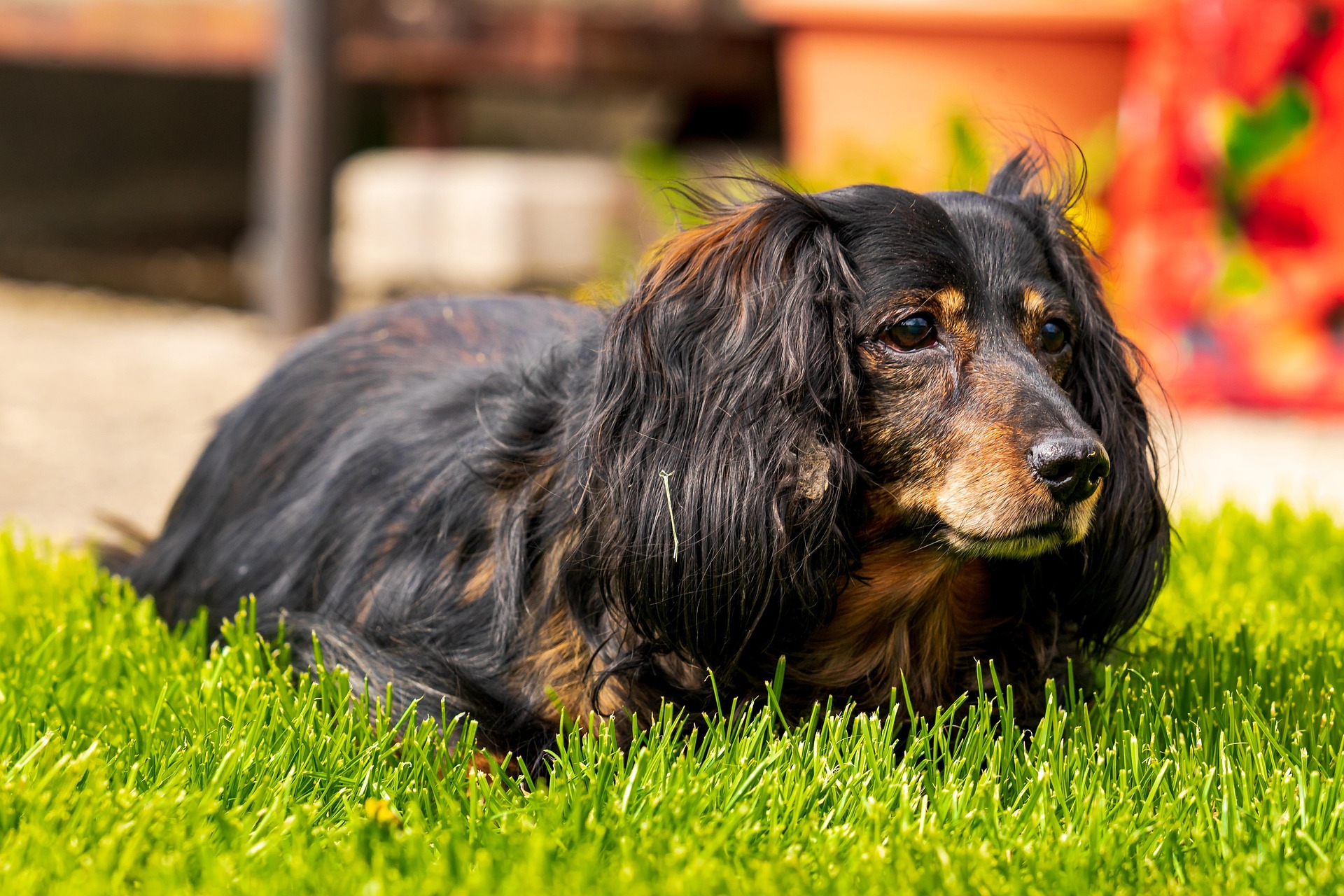
Because of their playful nature and deep bonds with their humans, Dachshunds often become integral parts of family life and traditions.
Many owners share stories of Dachshunds:
-
Greeting family members at the door every day
-
Curling up at bedtime like a furry relative
-
“Helping” with chores, homework, or relaxation
-
Being included in holidays, family photos, and celebrations
These aren’t just pet memories — they are family traditions that people carry with them long after their dog has passed away.
8. Dachshunds Help Improve Mental Well‑Being
Comparative studies in animal behavior have shown that dogs provide measurable psychological benefits to humans, including reduced stress, lower blood pressure, and improved mood. While research often focuses broadly on canine companionship, Dachshunds’ emotional loyalty and constant companionship are especially effective in delivering these benefits.
Their small size and affectionate nature mean they’re often in physical contact with their humans — snuggled on laps, sitting beside them on couches, or laying near their feet. This physical closeness releases oxytocin — a hormone that promotes bonding and reduces stress in both humans and dogs. While much research on oxytocin focuses on dogs generally, the close and continuous interaction that Dachshunds seek strengthens this emotional link. sweetdachshunds.com
9. Dachshunds Offer Lifelong Connections
With a lifespan of 12–16 years, Dachshunds often outlive many other pets, becoming lifelong companions through different phases of family life. Dachshund Journal
From puppyhood to their senior years, they grow up with the family, creating shared histories that span:
-
Childhood milestones
-
Teenage years
-
Holiday traditions
-
Quiet retirement evenings
These long‑term bonds make their place in the family especially profound and emotionally meaningful.
10. Real Stories From Dachshund Owners
Nothing illustrates the “more‑than‑pet” connection better than real owner stories.
On online communities like Reddit, Dachshund owners share heartfelt experiences of how their dogs became essential parts of their families — giving emotional support during hard times, brightening each day with quirks and cuddles, and forming deep attachments that feel almost human. Reddit
One owner described how their Dachshund helped them through emotional challenges, becoming a constant and comforting presence. Another shared the joy their dog brings every day, from playful antics to simple companionship.
These stories — filled with laughter, tears, and profound love — echo a universal truth for Dachshund families everywhere: These dogs don’t just live in your home — they live in your heart.
11. Caring for a Dachshund Fur Family Member
Because Dachshunds become such deeply loved companions, many owners strive to care for them as true family members, not just pets. This includes:
-
Proper Training & Socialization: Building confidence and good behavior for a happy family integration. Dachshund Journal
-
Consistent Exercise & Playtime: Daily walks and play keep them mentally and physically healthy. My Puppy
-
Health and Wellness Care: Dachshunds are prone to back problems like IVDD, so regular vet checkups, weight monitoring, and safe handling are crucial for long‑term well‑being.
-
Inclusion in Household Rituals: From family movie nights to walks in the park, Dachshunds thrive when included in family routines.
They don’t want to be spectators in your life — they want to participate, and that’s part of what makes them family.
12. The Responsibility of Beloved Family Members
Because Dachshunds bond deeply and see their family as a source of security and affection, they may experience separation anxiety if left alone for long periods. My Puppy
This emotional need reinforces the idea that Dachshunds are family — their happiness depends on connection and interaction just like human family members.
That connection also means that Dachshund owners often go above and beyond in care — investing time, energy, and emotion in their dog’s health, routine, and enrichment. In many ways, Dachshund ownership involves adult‑level responsibility similar to caring for a child.
Conclusion: Dachshunds Are More Than Pets — They’re Family

Dachshunds bring joy, loyalty, laughter, protection, emotional support, and companionship that goes far beyond what most people expect from a pet. They form deep bonds, become integrated in daily life, and create memories that stay with families for years — sometimes decades.
Their loving nature, loyalty, playful spirit, and adaptability make them more than companions — they become beloved family members who touch the hearts of everyone they meet.
If you’ve ever shared your life with a Dachshund, you know this truth firsthand. And if you’re considering adding one to your family, be prepared for a lifetime of love, laughter, and unforgettable moments.
Sources & Further Reading
🔗 Why Dachshunds Are the Perfect Family Pets — Sweet Dachshunds (affectionate nature & loyalty) sweetdachshunds.com
🔗 7 Reasons Why Dachshunds Make an Excellent Family Dog — Dachshund Journal (bonding & care tips) Dachshund Journal
🔗 Dachshund Temperament and Personality Traits — MyPuppy (loyalty & playfulness) My Puppy
🔗 Why is the Dachshund So Loved? — DachshundFacts (traits & behavior) Dachshund Facts
🔗 Why Dachshunds Make Great Family Dogs — Sweet Dachshunds (family inclusion & caretaking) sweetdachshunds.com
🔗 Dachshunds Make Wonderful Family Pets — Petduka (handling & bonding) petduka.com
Dachshunds may be small, but the impact they make on the people who love them is enormous. Anyone who has shared their life with a long-bodied, quirky, opinionated little wiener dog knows that they don’t just live in your home — they take it over. They choose their favorite person, claim their favorite blanket, steal half your pillow, and fill every room with laughter, sass, and snuggles.
This FAQ explores the deep emotional bond people form with Dachshunds, why they feel more like human family members than pets, and the science behind the loyalty and attachment these long-backed cuties are famous for. Let’s dive right in.
1. Why do Dachshunds feel like family members instead of just pets?
Dachshunds have a unique combination of personality traits that make them feel more like tiny, eccentric relatives than typical pets.
❤️ They bond deeply with their person
Many Dachshunds choose “their human” — someone they cling to emotionally and physically. They follow you around the house, stare at you while you eat, curl up on your chest, and bark with heartbreak when you leave. Their devotion feels human-like.
😂 Their personalities are huge
A Dachshund is a dog with the soul of a comedian, the stubbornness of a toddler, and the loyalty of a lifelong friend. They have moods, opinions, and dramatic flair that make them feel like living, furry characters.
🐾 They communicate clearly
Dachshunds make eye contact, vocalize, use body language, and “talk back” in ways that feel deeply expressive. Owners often feel they understand their Dachshund almost as well as a child.
🛏️ They share daily life with you
They sleep in your bed (or demand to), follow routines, expect family rituals, and participate in household activities.
💓 They are emotionally intelligent
Dachshunds can sense stress, sadness, and happiness—and respond accordingly with cuddles, cuddly whining, or playful antics.
All of this creates an emotional connection far beyond the typical “pet-owner” dynamic.
2. Why are Dachshunds so loyal to one person?
Dachshunds were originally bred as hunting dogs who worked closely with a single handler in dark, underground tunnels. That job required intense trust. Today, that trait remains strong.
Reasons for their one-person loyalty:
-
Historical bonding: Their original work required absolute trust in one human.
-
Small size: They naturally seek a protector or “safe person.”
-
Touch-focused affection: Dachshunds bond heavily through physical closeness.
-
Routine-based behavior: They attach to the person who feeds, walks, and comforts them.
-
Strong emotional memory: They remember kindness—and also remember who comforts them in scary moments.
Their loyalty feels personal and profound, sometimes resembling the connection between a child and caregiver.
3. Do Dachshunds understand human emotions?
Yes! Dachshunds are surprisingly sensitive to human emotional states.
What they can sense:
-
When you’re sad
-
When you’re stressed or anxious
-
When you’re excited
-
When you’re sick or in pain
-
When you’re angry or frustrated
How they respond:
-
Curling beside you when you’re upset
-
Staring deeply into your eyes
-
Bringing toys to cheer you up
-
Being quieter or gentler around you
-
Becoming protective if they sense you’re threatened
-
Acting goofy to make you laugh
Many Dachshund owners report that their dogs know something is wrong before they do — such as sensing panic attacks, depression spells, or illness.
Their empathy strengthens the feeling that they’re not just pets, but emotional companions.
4. Why do Dachshunds follow their owners everywhere?
Dachshunds are famously known as “velcro dogs.” If you go to the bathroom, they’re there. If you leave the room, they follow. If you sit down, they sit on you.
Reasons for this clingy behavior:
-
Separation anxiety tendencies
-
Strong pack bonding
-
Fear of missing out (FOMO)
-
Desire to protect their human
-
Curiosity and nosiness
-
Love of warmth—your body heat!
To a Dachshund, being alone is not natural. In the wild, small creatures stay close to safety. In your home, you are their safety.
5. Are Dachshunds good family dogs?
Absolutely—when their needs and personality are understood.
Great family traits:
-
Affectionate and loving
-
Comical and entertaining
-
Loyal and protective
-
Playful with the right children
-
Small enough for apartment living
-
Good with other pets when socialized
Challenges for certain homes:
-
They dislike rough handling
-
Their long backs are injury-prone
-
They may growl if startled or hurt
-
They bond strongly to one person, which can cause jealousy
With proper training, gentle kids, and awareness of their physical fragility, Dachshunds fit beautifully into family life.
6. Why do Dachshunds sleep so close to their humans?
If you own a Dachshund, you probably already know the ritual: you get into bed, and within seconds — FLOP — a little sausage burrows under the covers and plasters itself against you.
Why they love sleeping with you:
-
Pack instinct: In the wild, warmth = survival.
-
Comfort and reassurance: Being near you makes them feel safe.
-
Bond strengthening: Snuggling releases oxytocin (the “love hormone”).
-
Heat-seeking behavior: Dachshunds get cold easily.
-
Affection: They simply adore being with their person.
Sleeping beside you is one of the most powerful ways a Dachshund expresses love.
7. How do Dachshunds show love differently from other breeds?
Dachshunds have a signature way of expressing affection that is both hilarious and unmistakable.
Common Dachshund love signals:
-
Following you like a shadow
-
Bringing you “gifts” (half-chewed toys, socks, random household items)
-
Sitting on your chest or lap
-
Staring directly into your eyes
-
Dramatically sighing while cuddling
-
Barking at strangers who come near
-
Leaning their whole weight against your leg
-
Wagging their tail so hard their hips wiggle
-
Digging at your blankets to make a “shared bed”
No two Dachshunds love in exactly the same way, but each has its own quirks, rituals, and “relationship style.”
8. Why are Dachshund-human bonds often stronger than bonds with other dog breeds?
The Dachshund-human bond often feels unusually intense — and there are several reasons for this:
1. Their emotional range is huge
They feel deeply and express themselves clearly. You don’t have to guess how a Dachshund feels.
2. Their vulnerability creates closeness
Because of their size and back risks, owners tend to be extra protective, which strengthens the emotional connection.
3. Their loyalty is fierce
Once they trust you, they’re yours for life.
4. They rely on routine and predictability
That creates structure and closeness between dog and human.
5. They are storytellers
Their dramatic behaviors, facial expressions, and vocalizations create inside jokes, memories, and shared experiences.
It feels less like owning a dog and more like raising a tiny, long-bodied roommate with an over-the-top personality.
9. Do Dachshunds actually miss their owners when they’re away?
Yes — intensely.
Dachshunds experience separation anxiety more commonly than many breeds. They don’t just miss you; they worry that you’re gone forever.
Signs they miss you:
-
Waiting by the door
-
Crying or whining
-
Bringing your clothes to their bed
-
Pacing
-
Lack of interest in toys until you return
-
Over-the-top excitement when you come back
-
Snuggle attacks as soon as you sit down
Some Dachshunds even “scold” their owners with grumpy barks when they return, as if saying: “Where have you been? I was emotionally destroyed!”
10. Do Dachshunds recognize other family members as part of their “pack”?
Absolutely. Even though they often have a favorite person, they still form intense bonds with the entire household.
How they show pack bonding:
-
Sitting between family members on the couch
-
Checking every room to find everyone
-
Barking when one member leaves the house
-
Cuddling with different people throughout the day
-
Offering toys as “peace offerings”
-
Guarding children or elderly members
-
Sleeping in shared spaces
Every person plays a different role in the Dachshund’s emotional world.
11. Why do Dachshunds become so emotionally attached?
Historical reasons:
They were bred to work closely with hunters, depending on human guidance and protection.
Biological reasons:
They have big-dog brains in small-dog bodies, meaning their emotional processing is complex.
Psychological reasons:
They seek consistency, warmth, and reassurance — which humans naturally provide.
Environmental reasons:
Living indoors, sharing routines, and receiving constant attention creates strong social bonds.
A Dachshund doesn’t view you as “the owner.”
They view you as family — the most important part of their world.
12. Why do Dachshunds act like little protectors, even though they’re tiny?
Despite their small size, Dachshunds have the soul of a lion.
Reasons for their protective behavior:
-
Bred for hunting badgers: They were fearless underground warriors.
-
Strong sense of territory: Your home = their fortress.
-
Attachment to their person: They protect who they love.
-
High alertness: Dachshunds are extremely perceptive to sounds and movement.
-
Confident personality: They genuinely believe they’re bigger than they are.
This protectiveness strengthens their “family member” status—they don’t just love you; they defend you.
13. Do Dachshunds get jealous like humans?
Oh yes. And they don’t hide it.
What triggers jealousy:
-
Hugging someone else
-
Petting another dog
-
Talking to someone else
-
Bringing home a new baby or pet
-
Ignoring them for a few minutes
Jealous behaviors include:
-
Pushing between you and the other person
-
Barking or whining
-
Acting sulky or dramatic
-
Stealing objects
-
Demanding extra cuddles
-
Pawing you repeatedly
Their jealousy is not malicious — it’s rooted in love and a fear of losing their special bond with you.
14. How do Dachshunds become part of family routines?
Dachshunds live for routine. And once they settle in your home, they help shape your routine.
Examples:
-
Waking you up at the same time each morning
-
Reminding you (loudly) about mealtimes
-
Joining family movie nights
-
Following you during chores
-
Sitting at the table during meals (often begging)
-
Snuggling at bedtime
-
Supervising everything — absolutely everything
Before you know it, your daily rhythm revolves around a long-bodied, bossy creature who believes they run the household.
And honestly? Most Dachshund owners wouldn’t have it any other way.
15. Why do Dachshunds change people’s lives emotionally?
Dachshunds offer a rare mix of affection, humor, loyalty, and companionship that deeply enriches daily life.
They make you laugh
Their antics are pure comedy gold.
They comfort you during hard times
Their empathy is real and powerful.
They teach patience
Their stubbornness builds resilience.
They give unconditional love
Their devotion is unwavering.
They create unforgettable memories
Every quirk, cuddle, and dramatic outburst becomes part of the family story.
A Dachshund doesn’t just share your home —
they share your heart, your routines, your ups and downs, your life.
That’s why people say Dachshunds aren’t “pets.”
They’re family — in every sense that matters.