Dachshunds — affectionately known as wiener dogs, sausage dogs, doxies or badger dogs — are one of the most distinctive and beloved dog breeds in the world. Recognised instantly by their long bodies and short legs, they combine a fascinating history with a personality that fits seamlessly into modern family life. But how did these determined hunting dogs evolve into cherished companions adored across the globe? This comprehensive article explores that journey from their origins centuries ago to their place in pop culture and everyday homes today — with trusted links to sources you can explore.
1. Ancient Roots and Purposeful Beginnings
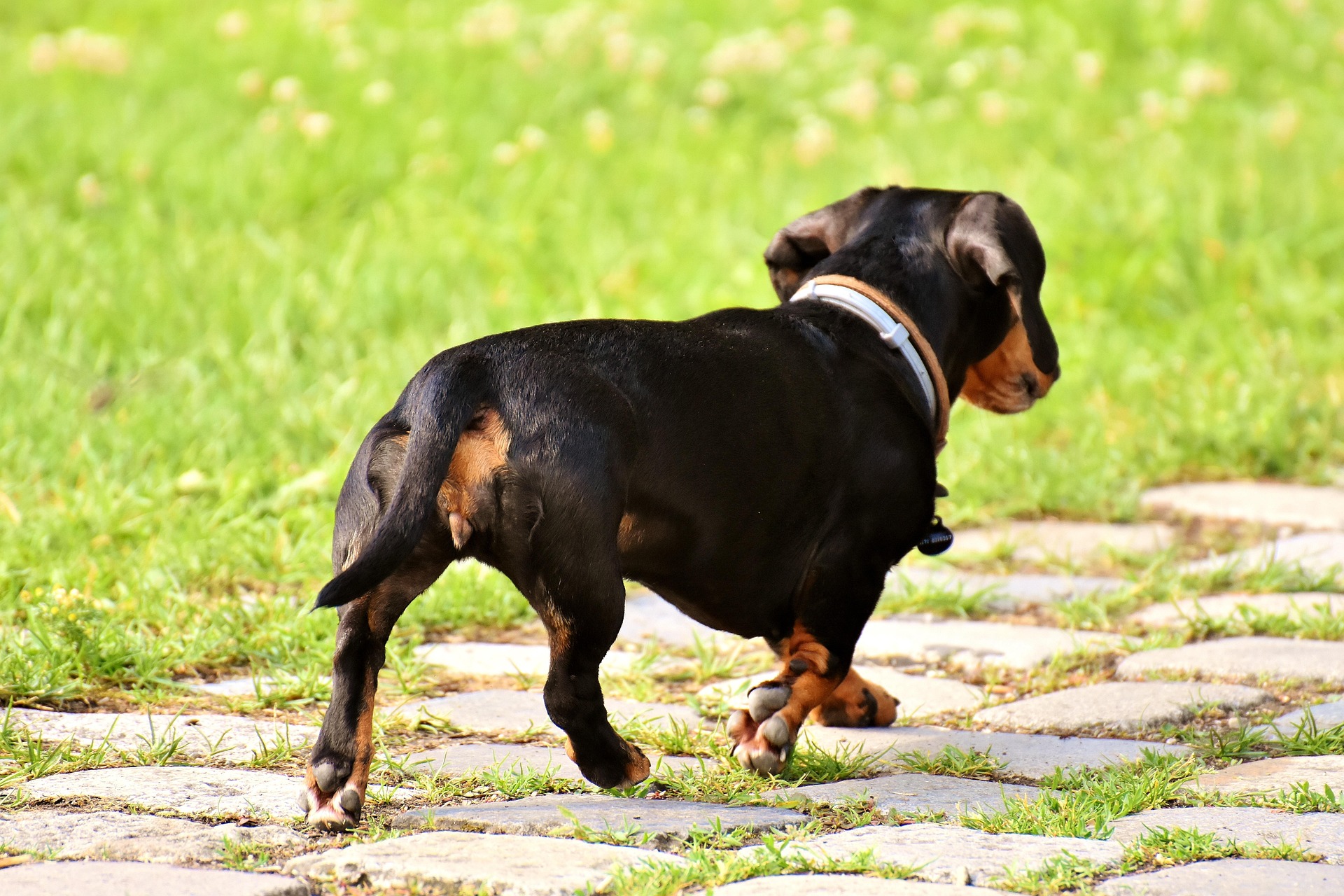
Dachshunds trace their lineage back to Europe, particularly Germany, where early hunting hounds were selectively bred for specific tasks.
Hunting Origins
The name Dachshund literally translates to “badger dog” in German — “Dachs” meaning badger and “Hund” meaning dog — highlighting their original purpose: to pursue badgers into their burrows and flush them out for hunters. The Dachshund’s long, low body and strong chest were engineered to allow it to enter narrow tunnels and confront burrowing animals. This makes them one of the few specialised breeds developed for working both above and below the ground. Encyclopedia Britannica+1
Early References
Visual and written references to “badger dogs” date back as early as the 15th–17th centuries in Europe, though the breed as we recognise it began to take shape later. Early German hunting communities favoured dogs that were bold, tenacious, and skillful underground, and selective breeding further enhanced these traits over generations. Nahf
2. Breed Development in Germany
Formation and Standardisation
By the 18th and 19th centuries, breeding efforts in Germany focused on refining the Dachshund’s distinctive look and capabilities. The dogs were bred not only for badger hunting but also for foxes, rabbits and other burrowing or small game. Standard features — such as the elongated body, short legs, and determined temperament — became hallmarks of the breed. Wikipedia
In 1888, German breeders formed the first dedicated breed club — the Deutsche Teckelklub e.V. — establishing stud books and formal standards for the Dachshund. This was a crucial step in transitioning the dog from a strictly working animal to a recognised and definable breed. fci.be
Variety and Versatility
The breed evolved into multiple sizes and coat types to suit various hunting conditions:
-
Standard Dachshund — the original size for larger game
-
Miniature Dachshund — bred for smaller prey like rabbits
-
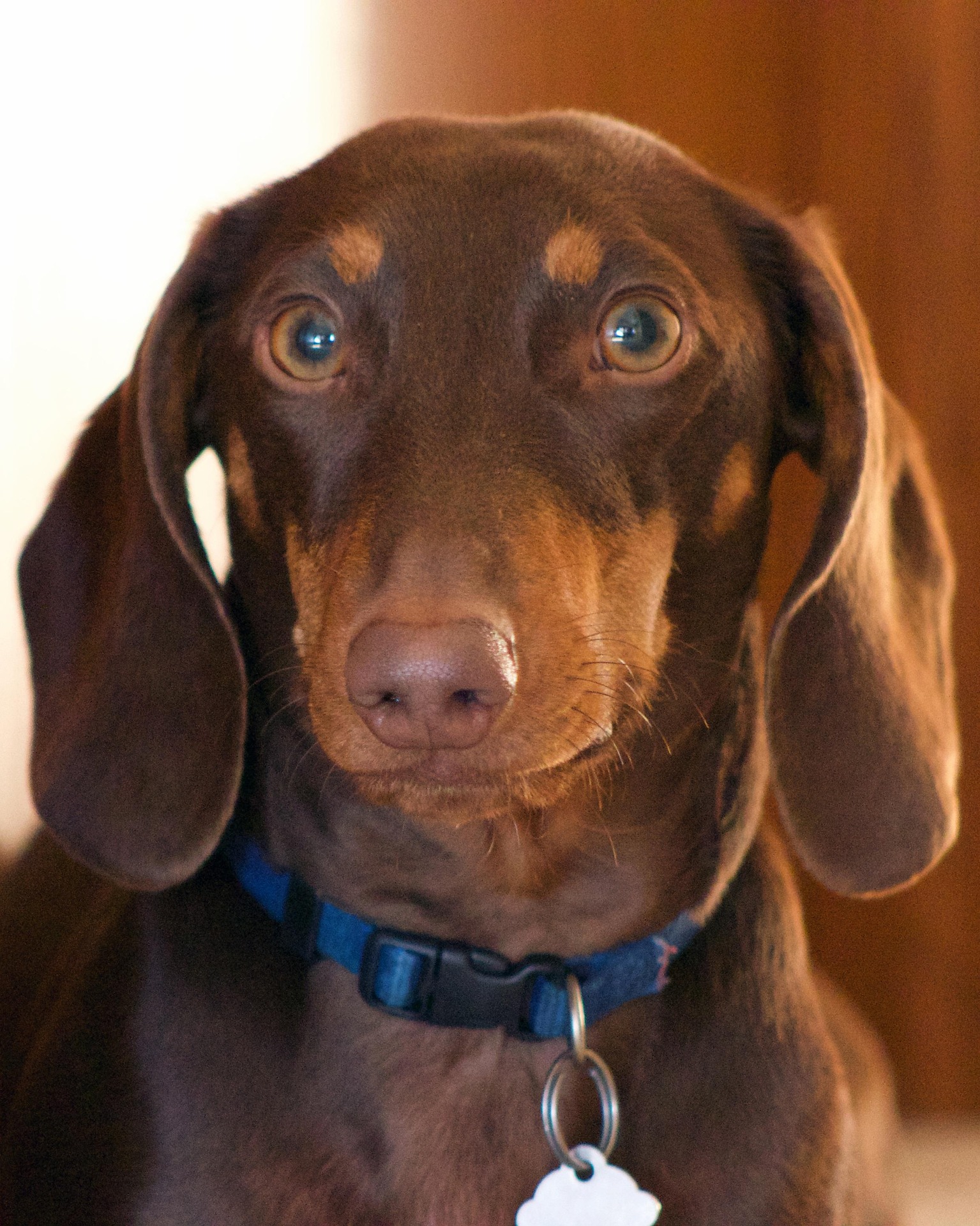
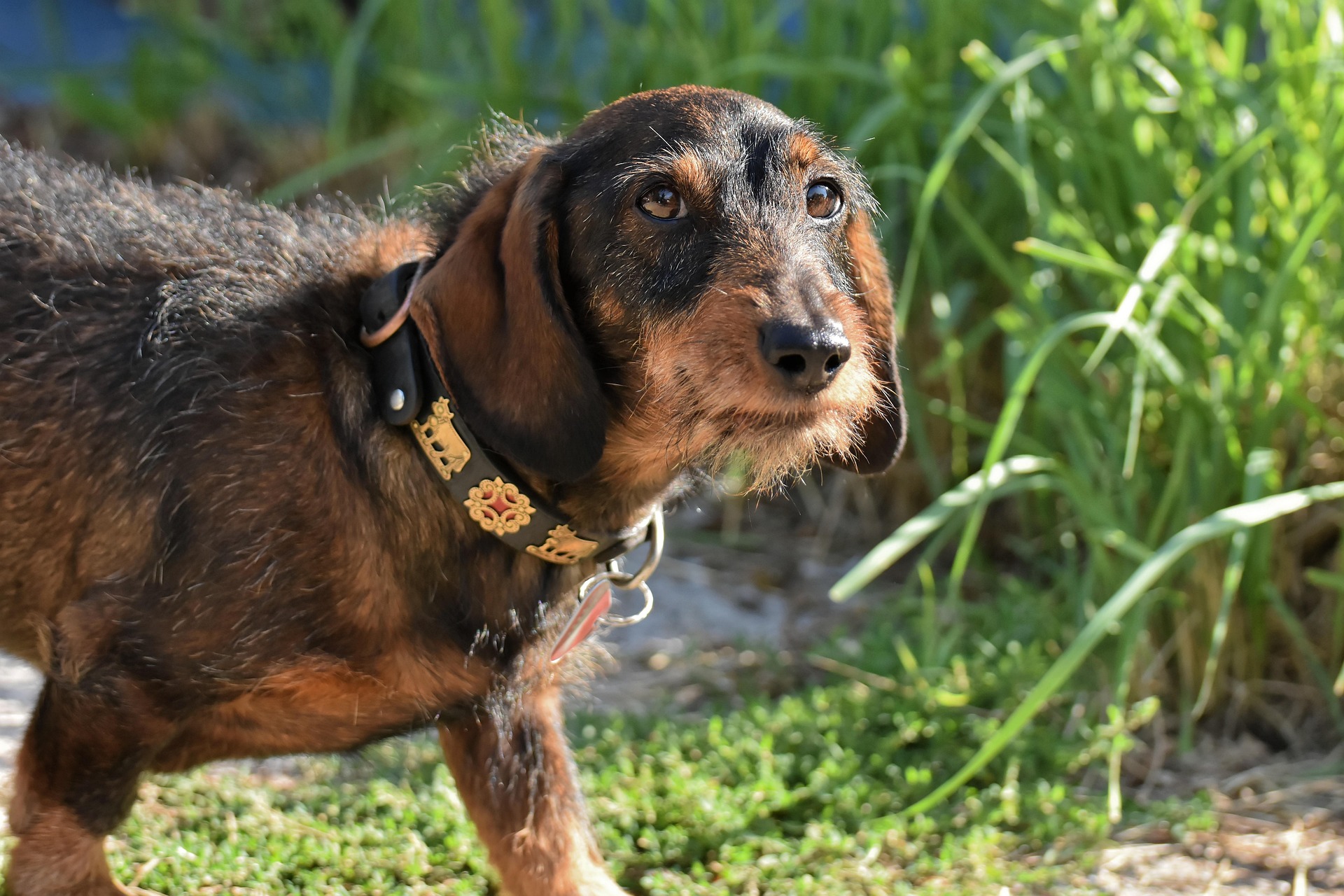
Smooth, Long-haired and Wire-haired varieties — developed for different terrains and climates
These variations maintained the dog’s hunting abilities while expanding its adaptability. Dachshund Breed Council
3. Dachshunds Spread Across Europe
Once established in Germany, Dachshunds quickly drew attention across Europe.
Royal and Aristocratic Circles
The breed became a favourite among aristocracy and royalty in the 19th century, enhancing its visibility and appeal. Artists and influential figures owned Dachshunds, contributing to the breed’s growing popularity. zooplus.co.uk
Cultural Presence
Their distinctive silhouette and spirited temperament made them recognisable characters in Europe. The Dachshund even served as the official mascot of the 1972 Olympic Summer Games in Munich, symbolising both German culture and national pride. AP News
4. Dachshunds in the Modern Era — Companion Animals and Show Dogs
From Field to Family
By the late 19th and early 20th centuries, the role of Dachshunds began shifting. Although still valuable hunters, many were bred as companions, prized for their loyalty, cleverness, and engaging personalities. DogTime
When Dachshunds were introduced to the United States in 1885, the American Kennel Club (AKC) recognised the breed and helped promote it in dog shows and exhibitions. The Dachshund Club of America was established shortly after, fostereding consistency in breeding and encouraging wider adoption. DogTime
Popularity Ups and Downs
Despite their growing status as pets, Dachshunds faced challenges during the world wars:
-
In World War I, they were temporarily renamed “Badger Dogs” or “Liberty Hounds” in the US due to anti-German sentiment. Nahf+1
-
World War II saw continued prejudice, though to a lesser extent. DogTime
After these periods, Dachshunds rebounded in popularity, particularly in the 1950s onward, becoming treasured household pets in America and beyond. DogTime
5. Rise in Popular Culture and Global Appeal
Celebrity and Artistic Influence
Dachshunds have captivated artists and celebrities across generations:
-
Queen Victoria adored them
-
Pablo Picasso owned a Dachshund named Lump
-
Andy Warhol featured his Dachshunds in artwork
These associations helped the breed become more prominent in public consciousness. Encyclopedia Britannica+1
Modern Trends and Internet Fame
In recent years, Dachshunds have enjoyed a resurgence in popularity, climbing the American Kennel Club’s rankings into the top tier of registered breeds, reflecting renewed interest from families and urban pet owners. Business Insider
Social media has further boosted their profile — with countless “dachfluencers” and fan communities that celebrate their quirky personality and affectionate nature.
6. Dachshunds in Community and Cultural Events
Dachshunds are more than household pets — they bring people together and feature in regional traditions:
-
Annual Dachshund walks and parades, such as the social festivities in Budapest and Regensburg, attract hundreds of enthusiasts. AP News+1
-
Community events, like festive Christmas sausage dog walks, celebrate the breed’s charm and sociability. The Guardian
These gatherings reflect how Dachshunds have become symbols of friendship, fun, and shared affection for pets across cultures.
7. Changing Roles — From Utility to Companionship
Hunting Legacy
Though modern Dachshunds are rarely used for hunting in many countries, their instincts linger. Historically, they hunted:
-
Badgers
-
Rabbits
-
Foxes
-
Wounded game and small game in packs
These instincts made them versatile hunters, not only below ground but also above ground when tracking or flushing out animals. Wikipedia
Adaptation to Modern Life
As society urbanised and lifestyles shifted, Dachshunds shifted with it. Their intelligence, adaptability, and affectionate nature made them perfect for family life. They are now:
✔ Loyal companions
✔ Easy to keep in apartments
✔ Playful and interactive
✔ Popular in dog shows and competitions
Their transformation shows how breed traits can evolve with changing human needs — from practical hunting tools to cherished family pets. dachshundcommunity.com.au
8. Influence of Selective Breeding on Physical Traits
Selective breeding has shaped the Dachshund’s iconic form:
-
Short legs provided low clearance to enter burrows
-
Long body enhanced leverage for digging
-
Varied coat types suited different environments
-
Miniature size emerged for hunting smaller prey
Today, these physical traits are more associated with breed identity and charm, though owners must also be mindful of health considerations like spinal support to protect the breed’s distinctive structure. dachshundcommunity.com.au
9. Health and Heritage: Maintaining Dachshund Well-Being
As Dachshunds gained popularity as pets, care and health awareness grew too. Owners and breeders learned to balance the breed’s physical uniqueness with proper health practices:
-
Reducing excess jumping and stair use
-
Support for back and spine health
-
Regular checkups and tailored exercise
Understanding this history helps owners appreciate both the strength and vulnerability in the Dachshund’s build — a legacy rooted in hunting prowess but shaped by centuries of human companionship.
10. The Dachshund’s Place in Modern Families
Today, Dachshunds are celebrated for a blend of traits that make them unique family favorites:
✨ Spirited personalities
✨ Loyal bonds with owners
✨ Playful energy
✨ Enduring cultural presence
✨ Charisma that bridges generations
Whether as snug home companions or stars of social gatherings and online communities, Dachshunds continue to capture hearts around the world.
Conclusion: A Timeless Breed With a Rich Heritage
The history of Dachshunds stretches from hunters in German forests to beloved family companions across continents. Their transformation reflects evolving human-dog relationships — from necessity to affection, from function to fashion, and from hunting tools to loyal partners in daily life.
Their journey reminds us that great things come in small packages — but with personalities and histories as large and fascinating as any breed in the canine world.
Sources You Can Explore
📌 Dachshund Breed History — Encyclopaedia Britannica — https://www.britannica.com/animal/dachshund Encyclopedia Britannica
📌 Dachshund Dog Breed Information — DogTime — https://dogtime.com/dog-breeds/dachshund DogTime
📌 Dachshund Breed Origins — Dachshund Club of America — https://www.dachshundclubofamerica.org/dachshund-history/ dachshundclubofamerica.org
📌 Breed History and Origins — Dachshund Community Australia — https://dachshundcommunity.com.au/the-history-and-origin-of-the-dachshund-breed/ dachshundcommunity.com.au
📌 FCI Breed Standard and History — Dachshund FCI Standard PDF fci.be