Dachshunds, fondly known as wiener dogs or doxies, are among the most recognizable and beloved breeds in the world. Whether you’re considering bringing home a spirited puppy or adopting a mature adult dog, understanding the differences between Dachshund puppies and adult Dachshunds is essential. Their needs — from exercise to training, nutrition to behavior — change significantly as they grow. This guide breaks down all those differences and equips you with what to expect at each stage of life.
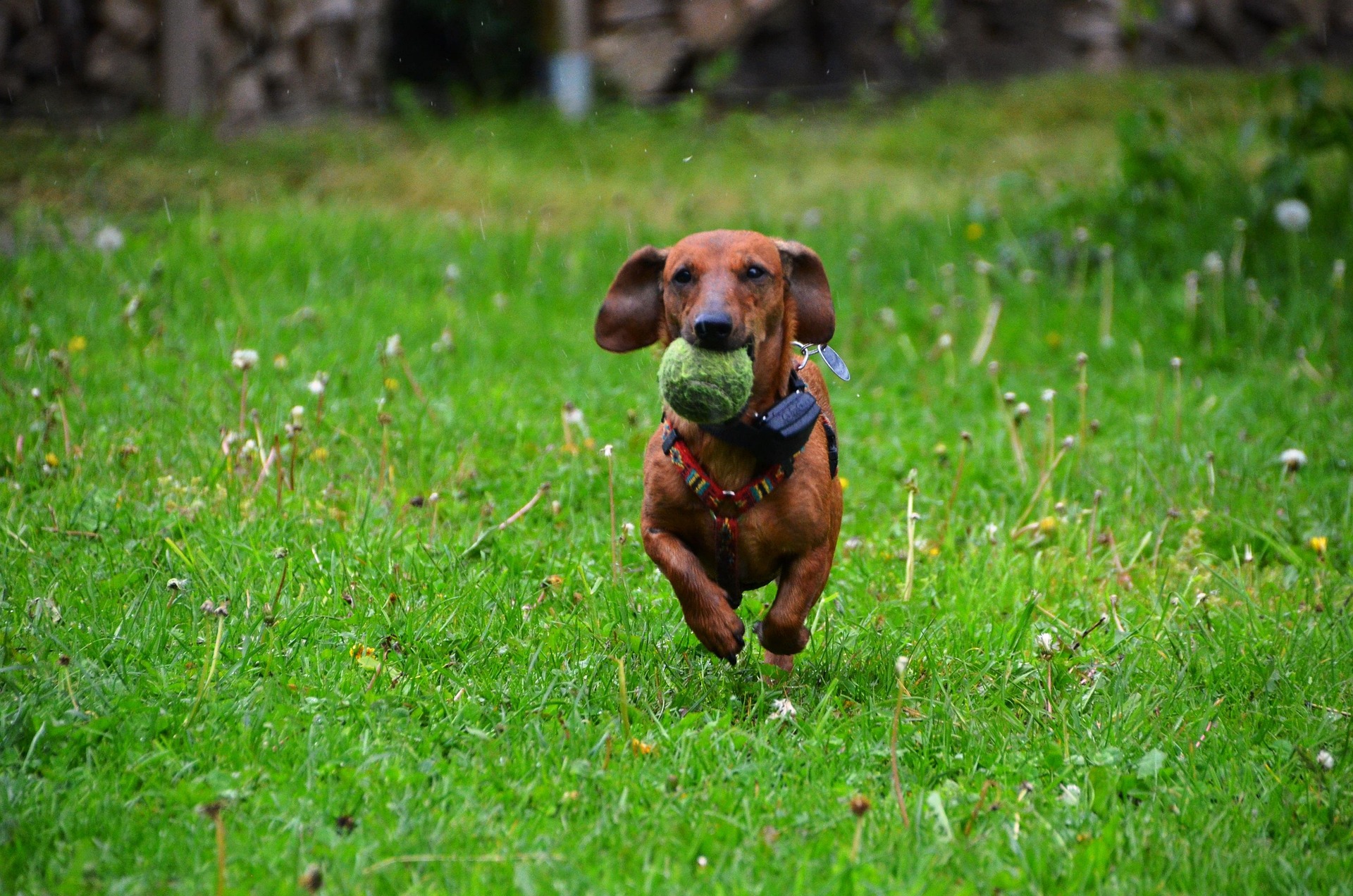
1. Overview: What Makes Dachshunds Special
Before diving into age-specific differences, it’s helpful to understand the breed’s general traits. Dachshunds were originally bred in Germany as badger dogs — small and long-bodied dogs capable of weaving through burrows and hunting underground. Their instincts for scent tracking and independent decision-making remain strong, no matter the age of the dog. This hunting background shapes much of their behavior, temperament, and energy levels throughout life. PDSA
Dachshunds are:
-
Loyal and affectionate companions
-
Stubborn yet intelligent
-
Energetic with a strong prey drive
-
Prone to certain health concerns due to their elongated backs
-
Highly sociable animals that thrive with attention and training
Now let’s explore how these traits show up differently in puppies and adult dogs.
2. Development Stages: From Puppy to Adult
Dachshund Puppy Growth Milestones
Dachshund puppies grow quickly during their first year. Key developmental stages include:
8–16 Weeks:
-
Rapid physical growth
-
First basic training and socialization
-
Short bursts of play and learning
6–12 Months:
-
Onset of adolescence with more independent behavior
-
Testing boundaries and asserting independence
-
Near full size by around 8–10 months, though still filling out My Dachshund
Around 1 Year:
-
Reaching physical maturity
-
Transition to an adult diet
-
Stabilization of temperament, though playfulness continues My Dachshund
This timeline means a Dachshund puppy requires very specific care and training to grow into a well-adjusted adult dog.
3. Training Differences: Puppies vs Adult Dachshunds
Training a Dachshund is rewarding — but the approach must change with age.
Training Dachshund Puppies
Puppies have short attention spans. Early training sessions are best kept very short — just a few minutes at a time — and spread throughout the day. Younger puppies learn foundational cues such as sit, come, down, and leash skills before they fully mature. Meowant
At this stage:
-
Repetition is key: multiple short sessions help puppies memorize cues without frustration. Meowant
-
Reward-based methods help build confidence and association with positive behavior. PDSA
-
Socialization with people, pets, and environments is most effective when started early and handled gently. Dachshund Breed Council
Crate training also starts in puppyhood, helping with housebreaking and providing a secure space for the dog. Consistency and patience during this stage can make adult training significantly easier.
Training Adult Dachshunds
Adult Dachshunds generally have longer attention spans than puppies and can succeed with longer training sessions focused on more complex cues and behaviors. Meowant
At this stage:
-
Training improves focus and obedience
-
You can introduce advanced cues like place, heel, or even some dog sports
-
Training for behavior refinement — such as reducing excessive barking — becomes a priority
However, adult Dachshunds can also be set in their ways. Some rescues or adult adoptees may resist certain training cues if they were trained poorly before. This can require patience, consistency, and sometimes the guidance of a professional trainer.
4. Exercise Needs: Puppy vs Adult Dog
Physical activity requirements differ considerably between puppies and adult Dachshunds — especially due to the breed’s risk of spinal issues.
Exercise for Dachshund Puppies
Dachshund puppies need daily activity, but their exercise must be age-appropriate and gentle to avoid stress on developing bones and joints:
-
Short play sessions and light walks
-
No high jumps or stair runs — this protects their long backs
-
Mental stimulation via puzzle toys and interactive games encourages brain development Veterinary Care at Your Fingertips
As puppies grow, gradually increase the intensity and duration of their walks to match their stamina, but avoid overly strenuous activity. ivdd.org.au
Exercise for Adult Dachshunds
Adult dogs are generally more able to handle increased activity. Many thrive on structured, moderate exercise such as:
-
Daily walks totaling 30–60 minutes (often split into two shorter sessions)
-
Playtime in secure yards
-
Scent games and mental challenges to mimic their hunting heritage
-
Leash walks instead of free-running in unfenced areas due to prey drive and safety concerns dachshundspace.com+1
Adult exercise routines must still avoid high-impact actions like jumping off furniture that can cause spinal issues. PDSA
5. Nutrition: Feeding Puppies vs Adults
What you feed your Dachshund changes significantly with age.
Feeding Dachshund Puppies
Puppies need nutrient-rich food designed for growth. Puppy formulas typically include higher protein, balanced fat, and nutrients essential for bone and immune development. Many breeders and owners choose breed-specific puppy diets — for example, Royal Canin Dachshund Puppy — formulated to support joint health and optimal growth in this particular breed. zootovary.ua
Feeding puppies should be:
-
Multiple small meals throughout the day
-
Controlled portions to prevent obesity
-
Adjusted as the puppy grows older
Proper diet during early months builds the foundation for lifelong health.
Feeding Adult Dachshunds
Adult meals are different:
-
Moderate calorie intake to maintain a healthy weight
-
Foods formulated for adult small breeds
-
Two meals per day is typical for adult dogs — unlike puppies, who may eat 3+ meals per day Зоомагазин ZooComplex
Adult nutrition also targets joint support, lean muscle maintenance, and spinal health — all crucial for Dachshunds. zoomapa.ua
6. Grooming: Differences Across Ages
Puppy Grooming
Dachshund puppies may need more initial grooming attention to help them get used to:
-
Brushing
-
Nail trimming
-
Ear cleaning
This early exposure helps them accept grooming as adults.
Adult Grooming
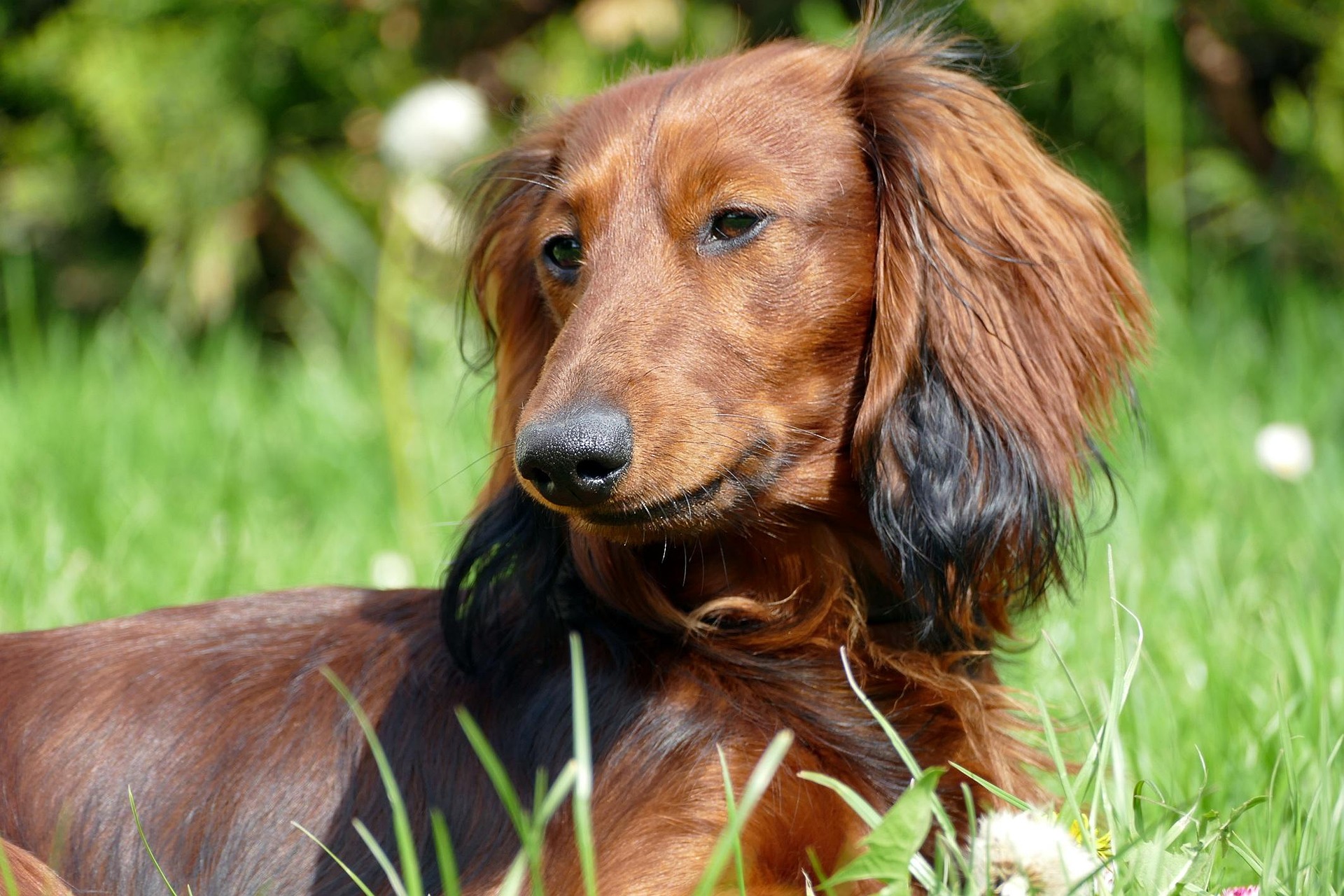
Adult Dachshunds have grooming needs based on coat type (smooth, long, wirehaired):
-
Smooth coats: Weekly brushing
-
Long coats: Daily brushing to prevent mats
-
Wirehaired coats: Occasional hand-stripping and regular brushing Veterinary Care at Your Fingertips
Regular dental care is also necessary at all ages to prevent periodontal disease.
7. Behavior and Temperament: Puppy vs Adult
Age greatly influences behavior in Dachshunds.
Dachshund Puppy Behavior
Puppies are curious, energetic, and often mischievous. Expect:
-
Frequent exploration
-
Teething and chewing
-
Potty training accidents
-
Lots of play and short bursts of energy
House training often takes patience — tiny bladders mean frequent outdoor trips and consistent potty routines. Early socialization helps puppies grow into confident adults. Dachshund Breed Council
Adult Dachshund Behavior
Adult dogs may be calmer but still retain breed-typical traits:
-
Stubbornness or independence
-
Strong prey drive and tracking instincts
-
Alert barking at unfamiliar sights or sounds
-
Devoted companionship to their family
Behavior patterns are more established in adults, so training later in life may take longer but is entirely possible with positive reinforcement.
8. Health Considerations by Age
Dachshunds have specific health concerns that vary with age.
Puppy Health Issues
Puppies are generally healthy, but require:
-
Vaccination schedules
-
Parasite control
-
Monitoring for proper growth
Exercise should be monitored to protect developing joints and back due to their elongated frame. ivdd.org.au
Adult Health Issues
Adults, especially older dogs, may face:
-
Intervertebral Disc Disease (IVDD) — a serious spinal condition common in Dachshunds
-
Obesity — extra weight stresses their back
-
Dental disease
-
Joint issues
Regular vet visits, weight control, and careful exercise help prevent or manage these conditions. SNIFFSPOT
9. Social Needs: Puppy vs Adult
Puppies
Puppies must be socialized early with:
-
People of all ages
-
Other dogs and pets
-
Different environments
Positive exposures reduce fear and reactive behavior as they age.
Adults
Adult Dachshunds may require:
-
Structured introductions to new animals
-
Continued exposure to varied environments
-
Positive reinforcement to maintain social comfort
Both puppies and adults benefit from consistent, positive reinforcement around new experiences.
10. Choosing Between a Puppy and an Adult Dachshund
Deciding whether to bring home a puppy or adopt an adult dog depends on your lifestyle:
Choose a Puppy if You Want:
✔ Bonding from day one
✔ The chance to guide behavior and training early
✔ A playful, energetic companion
✔ A long shared life ahead
Choose an Adult if You Prefer:
✔ A more predictable temperament
✔ A trained or semi-trained companion
✔ Possibly easier house manners already established
✔ Lower grooming and potty training intensity initially
Both options offer rewards — you just need to match the dog’s needs to your lifestyle and expectations.
Conclusion: Tailoring Care Through the Stages
Dachshunds are vibrant, loving, and unique companions at any age. Whether you’re starting with a tiny puppy or welcoming an adult dog into your home, understanding the differences in care, behavior, training, exercise, nutrition, and health will set you up for success.
Puppies bring boundless energy and formative learning stages, while adults offer stability, developed personality, and often simpler training needs. Either way, this breed thrives with love, consistency, mental stimulation, and care that respects their unique anatomy and instincts.
Sources You Can Explore
📌 Dachshund Exercise Guide – Puppies, Adults & Seniors — DachshundSpace on activity needs. dachshundspace.com
📌 Dachshund Exercise & Activity Needs — MyPuppy overview of daily exercise. My Puppy
📌 What Age Does a Dachshund Become an Adult? — DachshundPetCare growth stages. My Dachshund
📌 Dachshund Care – Training & Exercise — PDSA on general care. PDSA
📌 Raising a Dachshund Puppy – First Year Guide — Dachshund Breed Council. Dachshund Breed Council
📌 Training Differences – Puppy vs Adult Dogs — Meowant blog on training methods. Meowant
📌 Dachshund Puppies Overview — PetsCare guide to care and needs. Veterinary Care at Your Fingertips
📌 Dachshund Health & Common Issues — Sniffspot owner tips. SNIFFSPOT