English Bull Terriers are charming, energetic, and affectionate dogs with a reputation for being loyal companions. However, like many purebred dogs, they can be prone to certain health issues — some common, others serious. Understanding these concerns can help you provide better care and ensure your Bull Terrier lives a long, happy, and healthy life.
In this article, we’ll guide you through the 7 most important health issues every English Bull Terrier owner should know about — including symptoms, causes, prevention, and when to seek veterinary care.

1. Deafness — A Common Genetic Risk
What It Is
Deafness is one of the most well‑documented health concerns for English Bull Terriers. It is especially common in white‑coated dogs, where the absence of pigment cells in the inner ear can interfere with normal auditory function. mypetzilla.co.uk+1
Why It Happens
This condition is genetic rather than infectious. While not all white Bull Terriers are deaf, studies show that around 20% of white Bull Terriers may be affected in one or both ears. mypetzilla.co.uk
Recognising the Signs
Signs of deafness in Bull Terriers may include:
-
Not responding when called
-
Sleeping through loud noises
-
Unusual barking or vocal patterns
-
Difficulty in training based on sound cues
A definitive diagnosis is made through a BAER (Brainstem Auditory Evoked Response) test, typically performed when the puppy is a few weeks old. PDSA
Managing Deafness
Although there’s no cure for genetic deafness, deaf Bull Terriers can live fulfilling lives. Owners can train dogs using visual signals or vibration collars and create a safe environment to manage communication effectively.
2. Skin Problems and Allergies — Itchy, Irritated, and Uncomfortable
Common Causes
Bull Terriers are prone to skin sensitivities and allergies, which can manifest as itching, redness, irritation, rashes, or hair loss. These reactions may be triggered by:
-
Environmental allergens (pollen, dust, mold)
-
Food ingredients
-
Flea saliva or parasites
Skin allergies may also lead to secondary issues like ear infections or skin infections if left untreated. mypetzilla.co.uk+1
Symptoms to Watch For
Signs that your Bull Terrier may have a skin condition include:
-
Excessive scratching or licking
-
Red, inflamed skin
-
Crusty patches or scabs
-
Hair loss or bald spots
-
Ear irritation and frequent head shaking
How Owners Can Help
Veterinarians may recommend:
-
Allergy tests to identify triggers
-
Hypoallergenic or limited‑ingredient diets
-
Medicated shampoos or topical treatments
-
Preventive flea control
Prompt treatment improves comfort and reduces the risk of more advanced skin disease. Houndsy
3. Joint and Bone Disorders — From Knees to Hips
Patellar Luxation (Kneecap Slipping)
Patellar luxation occurs when the kneecap slips out of its normal groove and can cause intermittent limping or altered gait. This condition may be mild or severe and, in some cases, require surgical correction or physical therapy. PDSA
Hip Dysplasia and Arthritis
Although not as common as in larger breeds, hip dysplasia (a genetic misalignment of the hip joint) can still affect Bull Terriers. It leads to pain, stiffness, and eventually arthritis if left unmanaged. petreader.net
Symptoms
Look out for:
-
Limping
-
Stiffness after exercise
-
Difficulty rising or jumping
-
Pain when touched around a joint
Prevention and Management
Owners can help by:
-
Maintaining a healthy weight
-
Providing low‑impact exercise (e.g., swimming)
-
Discussing joint supplements with a vet
-
Considering early screening for genetic joint issues
4. Heart Conditions — Silent but Serious
Common Heart Issues
English Bull Terriers can develop heart problems, most notably:
-
Mitral valve disease
-
Aortic stenosis
These conditions affect blood flow and heart function, potentially leading to fatigue, coughing, or exercise intolerance. Nahf
Why Monitoring Matters
Heart disease can be progressive — starting without obvious symptoms and worsening over time. Regular cardiovascular check‑ups and echocardiograms help catch issues early. PDSA
Signs to Watch
If your dog develops any of the following, seek veterinary care promptly:
-
Difficulty breathing
-
Persistent coughing
-
Fainting or weakness
-
Reduced stamina
Early detection greatly improves treatment outcomes and quality of life.
5. Kidney Disease — Long‑Term Wellness Matters

Types of Kidney Issues
Bull Terriers are predisposed to hereditary nephritis and sometimes polycystic kidney disease, conditions that can lead to progressive kidney dysfunction. Nahf
Symptoms
Kidney problems may start slowly and include signs like:
-
Increased thirst and urination
-
Loss of appetite
-
Weight loss
-
Lethargy
Diagnosis and Care
Kidney disease is diagnosed via:
-
Blood tests
-
Urinalysis
-
Ultrasound imaging
While there’s no cure for chronic kidney disease, early diagnosis allows for dietary management and supportive care to slow progression and improve comfort.
6. Eye Conditions — From Cataracts to Dry Eye
Conditions That May Occur
Bull Terriers may be predisposed to various eye problems such as:
-
Dry Eye (Keratoconjunctivitis Sicca)
-
Cherry Eye
-
Entropion (inward rolling eyelids)
-
Cataracts
These issues can affect vision and comfort and may require medical or surgical intervention if left untreated. Houndsy
What to Watch For
Common signs include:
-
Squinting or excessive tearing
-
Red or swollen eyelids
-
Discharge from the eye
-
Cloudy or opaque lenses
Routine eye exams with your veterinarian help catch problems early and preserve your dog’s vision.
7. Lethal Acrodermatitis — A Rare but Fatal Condition
What It Is
Lethal acrodermatitis (LAD) is a rare genetic disorder seen primarily in white Bull Terriers. It affects zinc metabolism, weakening the immune system and causing severe skin lesions, stunted growth, and ultimately fatal complications. PDSA
Symptoms
Signs may include:
-
Poor growth in puppies
-
Severe skin problems
-
Recurrent infections
-
Failure to thrive
Screening and Prevention
Genetic testing is available to identify carriers of LAD, and responsible breeding practices help reduce the prevalence of this condition. Always ask breeders about genetic health screening before acquiring a puppy.
How to Support Your Bull Terrier’s Health
Understanding these health concerns is the first step — proactive care makes the difference between early detection, effective management, and serious complications. Below are general tips for supporting your English Bull Terrier’s well‑being:
Regular Veterinary Check‑ups
Annual or bi‑annual visits allow your vet to monitor heart, kidney, joint, and skin health and recommend preventive care.
Vaccination and Parasite Control
Maintaining up‑to‑date vaccinations and flea/tick/heartworm prevention protects against common infectious diseases that can strain a dog’s health.
Healthy Diet and Weight Management
Bull Terriers are prone to weight gain, which can exacerbate joint and heart issues. Feeding a balanced, vet‑recommended diet and monitoring portions helps maintain optimal health. mypetzilla.co.uk
Appropriate Exercise
Consistent but moderate exercise keeps joints mobile, supports digestion, and helps maintain a healthy weight.
Grooming and Hygiene
Regular grooming, including ear and dental care, reduces the risk of infection and other complications. PetMD
Early Testing and Genetic Screening
Reputable breeders should screen for deafness, genetic disorders such as LAD, and joint issues. Always ask for health certifications and breeding history.
Conclusion
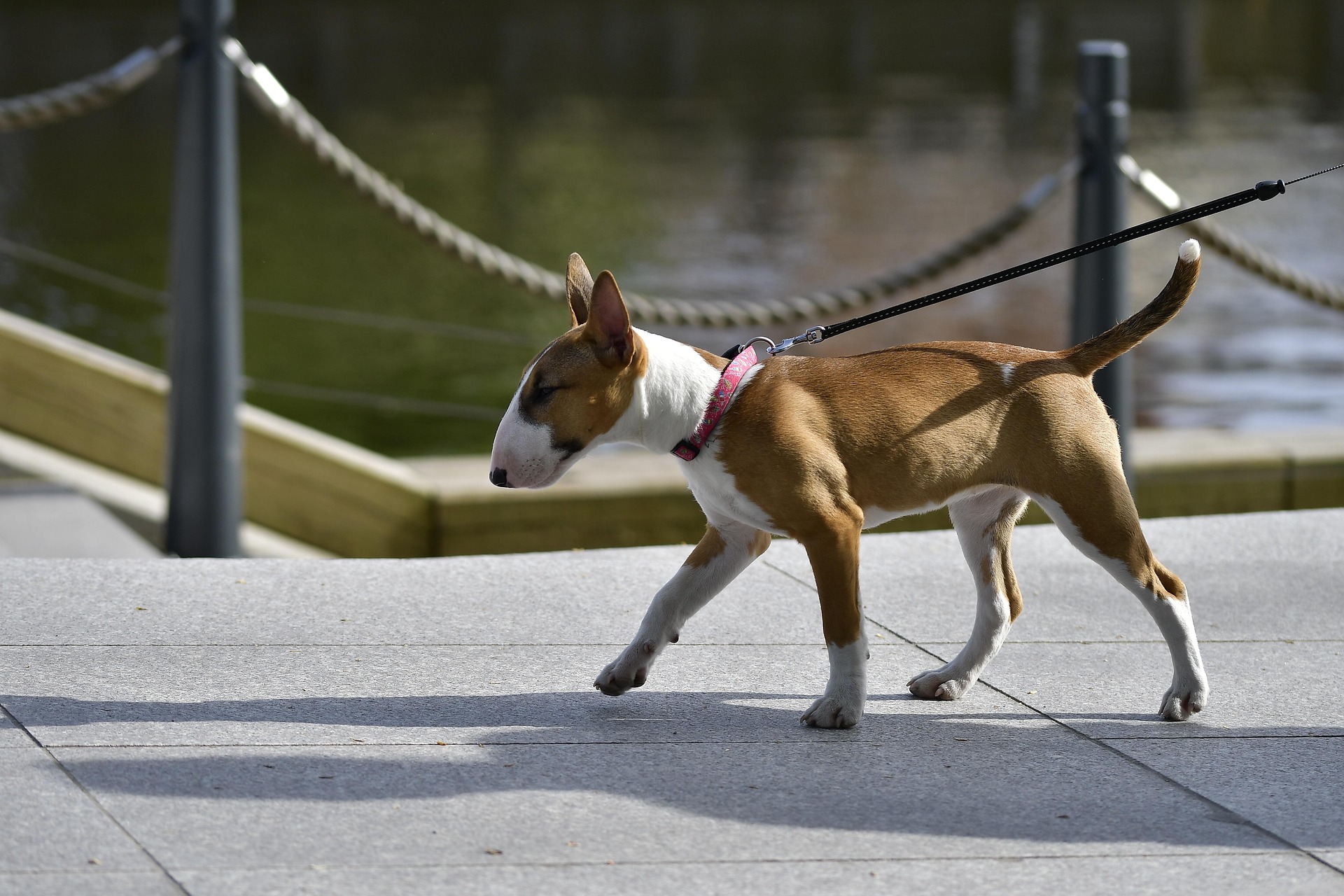
English Bull Terriers are wonderful companions, full of personality, loyalty, and energy. However, like all breeds, they come with specific health risks that every owner should understand. From deafness and skin allergies to heart disease and rare genetic conditions, knowing what to watch for — and when to seek veterinary care — empowers you to keep your dog healthy and thriving.
Early detection, regular veterinary care, responsible breeding practices, and a healthy lifestyle are your best tools for preventing or managing these health concerns. With the right care, your Bull Terrier can enjoy a full, joyful life by your side.
Sources
Here are the authoritative sources referenced above to learn more about specific health concerns and preventive care:
-
English Bull Terrier breed health overview: MyPetZilla – English Bull Terrier health facts mypetzilla.co.uk
-
Breed‑specific health screening details: PDSA – responsible care and testing PDSA
-
Bull Terrier health conditions and concerns: WebMD – Bull Terriers: What to Know WebMD
-
Common issues in bull breeds (skin, joints, ears): Pets4Homes general bull breed health issues Pets4Homes
-
Genetic and kidney concerns: NAHF – Bull Terrier hereditary health Nahf
-
Detailed breed risks including allergies and eye conditions: Houndsy – Bull Terrier health problems Houndsy
-
Grooming and care tips tied to health monitoring: PetMD – Bull Terrier care PetMD