Boxer dogs are one of the most expressive and engaging dog breeds — beloved for their animated faces, soulful eyes, and distinctive features that seem to communicate emotions almost like a human. For owners, trainers, and anyone who loves canine communication, understanding a Boxer’s facial expressions isn’t just cute — it’s an essential part of interpreting their needs, moods, and bonds with people and other animals.
In this comprehensive guide, we’ll explore:
-
What makes Boxer facial expressions so unique
-
How dogs communicate through facial cues
-
How to interpret common Boxer expressions
-
The science behind canine emotion and expression
-
Tips for better communication and training
-
Why understanding expressions can deepen your bond
Let’s dive into the expressive world of Boxer faces!
1. Why Boxer Dogs Have Such Expressive Faces
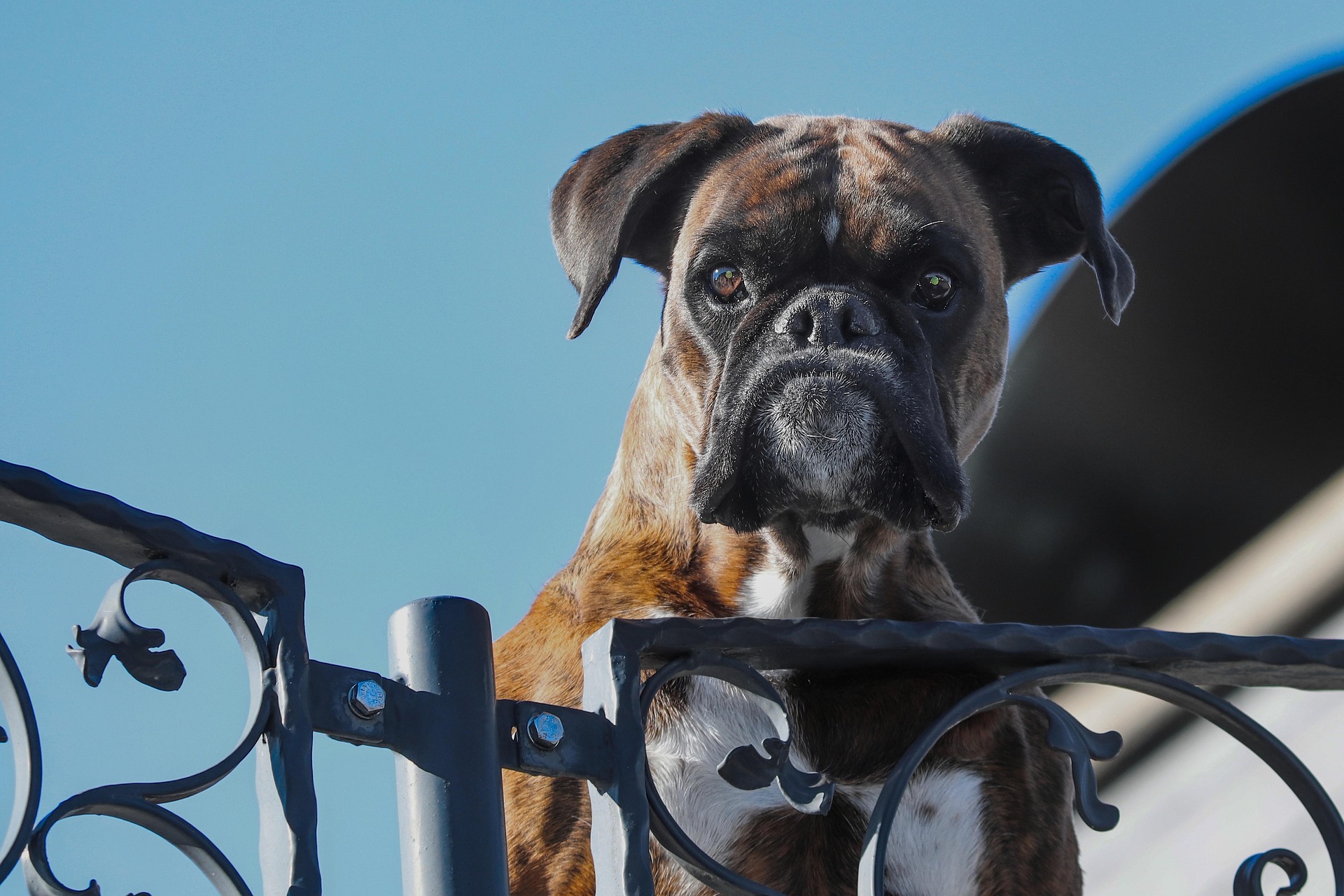
Boxers have one of the most recognizable canine faces in the dog world. Their facial structure — including their broad skull, strong jawline, and wrinkled foreheads — gives them visibility into a wide spectrum of expressions. This physical makeup actually enhances emotional communication and makes it easier for humans to interpret subtle changes. PetCareShed
The Boxer head typically features:
-
A broad, short skull with a distinctive underbite
-
Deep‑set, dark eyes that convey emotion
-
A wrinkled brow that accentuates mood changes
-
Medium, floppy ears that shift with attention and sound SmallDogGuides
According to canine behaviour articles, this combination often results in faces that seem “almost human‑like” in expressiveness. Humans tend to recognize and respond to these expressions instinctively — a powerful bonding advantage between species. PetCareShed
2. The Science of Canine Facial Expressions
Before we jump into specific Boxer expressions, it’s important to understand how dogs communicate emotions through facial cues more broadly.
Facial Expressions Are Part of Dog Communication
Dogs don’t speak orally like humans, so they rely heavily on:
-
Body language (tail position, stance, ear movement)
-
Facial expressions (eye shape, brow tension, mouth position)
-
Vocalizations (barking, whining, growling) American Kennel Club
Research shows that dogs are also highly attuned to human facial cues — and even mirror or respond to emotional expressions in people, a behaviour believed to be linked to thousands of years of domesticated co‑evolution. 50Plus
Studies also demonstrate that dogs can differentiate between positive and negative human emotions from facial expressions alone — highlighting just how perceptive they are in social contexts. espreso.tv
This means your Boxer isn’t just cute — they are actively reading both your face and the world around them and responding accordingly.
3. Interpreting Common Boxer Facial Expressions
Here’s a look at some of the most common and meaningful Boxer expressions — what they might mean, and how to interpret them in context.
A. The Playful Grin or “Smiley Face”
Boxers are notorious for what looks like a smile — a wide mouth, relaxed lips, and bright eyes. When a Boxer is relaxed and happy, their mouth may gently drop open with a slightly upturned expression.
What it usually means:
✔ Contentment
✔ Invitation to play
✔ Happy attention
This isn’t a true human smile, of course, but it does convey positive emotion and engagement — a dog that is relaxed and comfortable around their humans. pawsomebuds
B. The Wrinkled Brow: Curiosity, Focus, or Concern
One of the most talked‑about features of the Boxer face is the furrowed brow — those wrinkles that seem to form when the dog is concentrating. This can indicate:
-
Curiosity or problem‑solving
-
Confusion or attention
-
Mild concern or alertness
Boxers have particularly expressive foreheads, so even small changes can be noticeable and meaningful. Owners often report that a furrowed brow on their Boxer means the dog is actively processing something — whether it’s a new sound, person, or situation. The Paws
C. The Side‑Eye or “Judgmental Look”
Boxers are also famous for what owners describe as a side‑eye — a slight squint with eyes turned sideways. This expression is often playful, mischievous, or even comical, but can also communicate:
✔ Mild skepticism
✔ Playful defiance (“I know I shouldn’t… but I did!”)
✔ “Are you serious?” curiosity
In online Boxer communities, owners affectionately describe this look as the dog “making sure you know they’re watching.” Reddit
D. The Sad or Pouty Face
Boxers — like many dogs — can make a face that looks sad or “pouty.” This is usually characterized by slightly droopy eyes and a relaxed, downward mouth. While context is key, this expression is often seen when:
✔ The dog is anticipating something (like leaving the house)
✔ Feeling disappointed or overlooked
✔ Wanting attention or comfort
This expression can feel very human, especially when paired with quiet body language — but remember, always consider the whole dog, not just the face. Reddit
E. The “Goofy Grin” or Relaxed Jaw
Sometimes Boxers appear ridiculously goofy — mouth slightly open, tongue loose, eyes soft. This is often a sign of total comfort, relaxation, and trust. It’s the “I’m chilling and I like you” face.
Owners often report this expression during relaxed cuddles or quiet moments at home. The Paws
F. The Intense Look: Focus or Alertness
Boxers are working dogs at heart, and they can sometimes adopt an intense face — focused gaze, ears forward, brow furrowed. This is usually tied to:
✔ Elevated attention
✔ Trying to understand something
✔ Wanting to react or investigate
This expression is often paired with body tension, so look at context and posture as well. American Kennel Club
4. How Facial Expressions Work With Body Language
It’s important to emphasise: facial expressions are just one piece of the communication puzzle. Dogs use the whole body to communicate.
For example:
-
A soft, relaxed mouth + wagging tail = friendly
-
A tight mouth + stiff posture + staring eyes = alert or uneasy
-
Head tilt + relaxed eyes + soft ears = curiosity
Experts agree that reading a dog’s emotions is best done by observing the entire body, not just the face. American Kennel Club
5. The Human‑Dog Emotional Connection
Boxers don’t just display expressions — they often respond to human emotions and facial expressions.
Dogs have evolved alongside humans for thousands of years, and research shows they are sensitive to both human facial expressions and vocal tones. Some studies indicate that dogs can distinguish between positive and negative emotions in humans, even without words. espreso.tv
In fact, dogs — including Boxers — may mirror human emotional states or respond with empathy by:
-
Tilting their head when you’re talking
-
Nuzzling you when you’re sad
-
Aligning their behaviour with your mood
This suggests a deeper emotional awareness than simply reacting reflexively to sound or movement. 50Plus
6. Development of Facial Expressiveness in Boxers
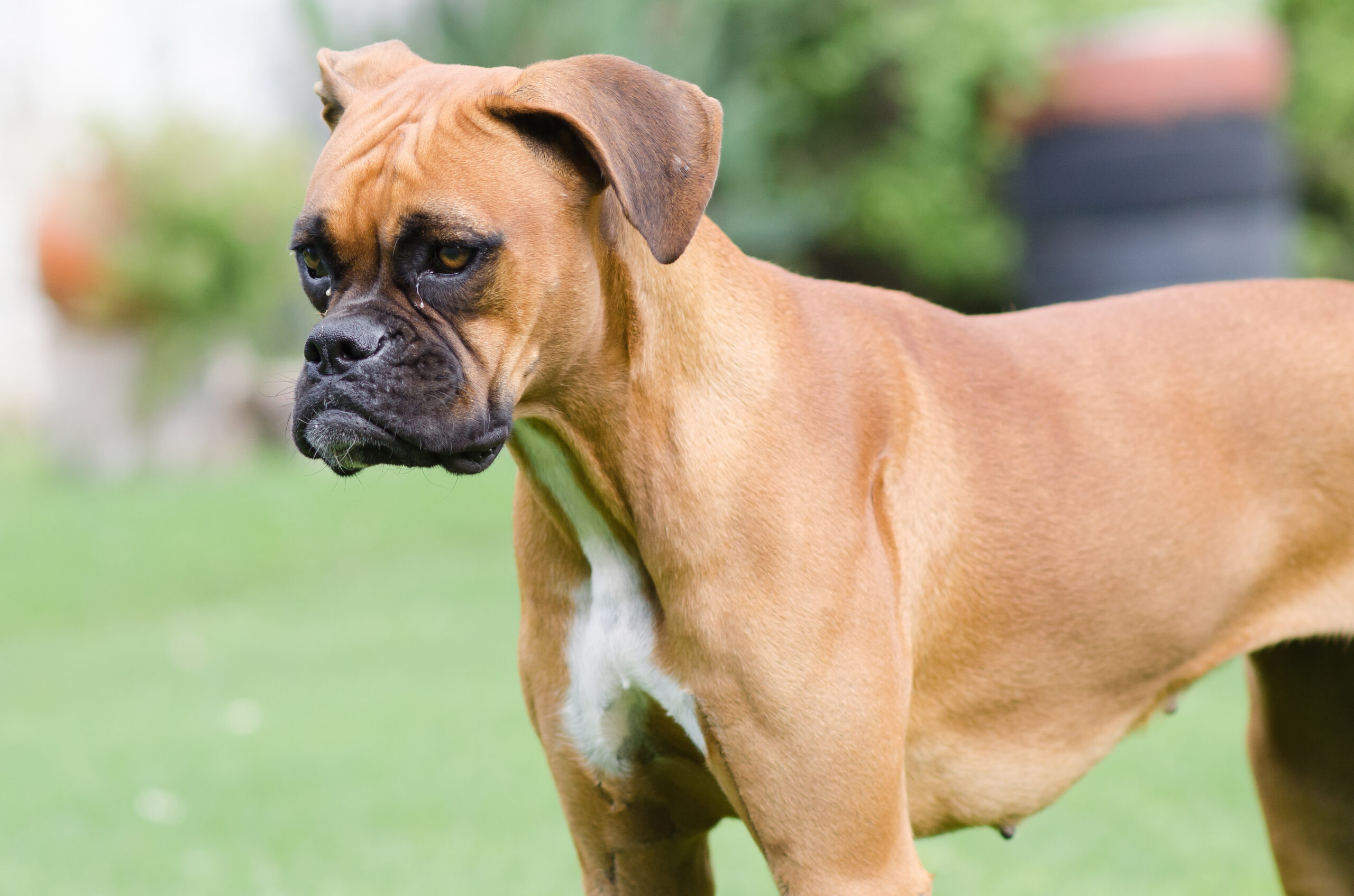
Boxers seem especially good at expressive faces because:
-
Their facial structure enhances visibility of changes
-
They are a social and people‑oriented breed
-
They have been bred for working and companion roles
This means reading expressions can actually be easier with Boxers than with some other breeds. WAF
Their expressive faces foster strong emotional bonds with humans — when a dog looks at you with intent, it’s easier to form a connection.
7. Common Mistakes People Make When Reading Dog Expressions
Despite our best intentions, humans often misinterpret canine expressions. A few important cautions:
Not All “Smiles” Mean Happiness
A wide mouth doesn’t always mean joy — context matters. A dog with a relaxed body is more likely content than one showing a tense mouth with stiff posture. American Kennel Club
Look at Body Language Too
Facial cues are most meaningful when paired with body cues like tail position, posture, ear angle, and movement. American Kennel Club
Consider Environmental Context
A dog might look “worried” because of nearby noise, other animals, or a recent event — not because of their internal mood.
Understanding the whole picture helps avoid misreading a Boxer’s intentions. American Kennel Club
8. Using Expressions to Improve Training and Bonding
Understanding your Boxer’s facial expressions can help you:
✔ Gauge their comfort level during training
✔ Recognise stress before it escalates
✔ Strengthen trust through positive responses
✔ Reward the right behaviours
For instance, a soft, relaxed face with alert eyes may be the best time to introduce new training cues, while a tense expression may suggest it’s time for a break.
9. How to Respond When You Read Your Boxer’s Expression
Here’s how to respond to specific expressions:
😊 Relaxed/Happy
Reinforce with gentle praise or play.
🧐 Curious/Furrowed Brow
Provide clarity — show them the object or situation to reduce uncertainty.
😕 Sad/Pouty
Offer comfort, engage with play, or remove stressors.
🐶 Focused/Alert
Assess the environment — ensure they’re safe and then redirect attention if necessary.
😬 Tense/Stressed
Allow space, reduce stimulation, and calm reassurance.
10. Why Understanding Expressions Matters
For Boxer owners, understanding facial expressions isn’t just fun — it’s functional. It helps you:
-
Improve communication with your dog
-
Anticipate needs before they escalate
-
Build deeper emotional bonds
-
Enhance training effectiveness
-
Keep your dog safer and more content
Many owners report that learning to read their Boxer’s face transforms their relationship — it feels like learning a new language together. The Paws
11. Frequently Asked Questions About Boxer Facial Expressions
Q: Do Boxers ever “fake” expressions?
Not in the human psychological sense. But they may repeat cues that have gotten a reaction — like that “sad face” when they got attention before.
Q: Is a raised brow always curiosity?
Not always — context, body language, and recent events matter more than one isolated signal. American Kennel Club
Q: Why do Boxers tilt their heads?
Dogs often tilt their heads to hear and see better — and in Boxers, it often coincides with curiosity or attention.
Q: Can Boxers read human expressions?
Yes — studies show dogs can distinguish positive from negative emotions in human faces. espreso.tv
12. Final Thoughts: The Soul in a Boxer’s Face
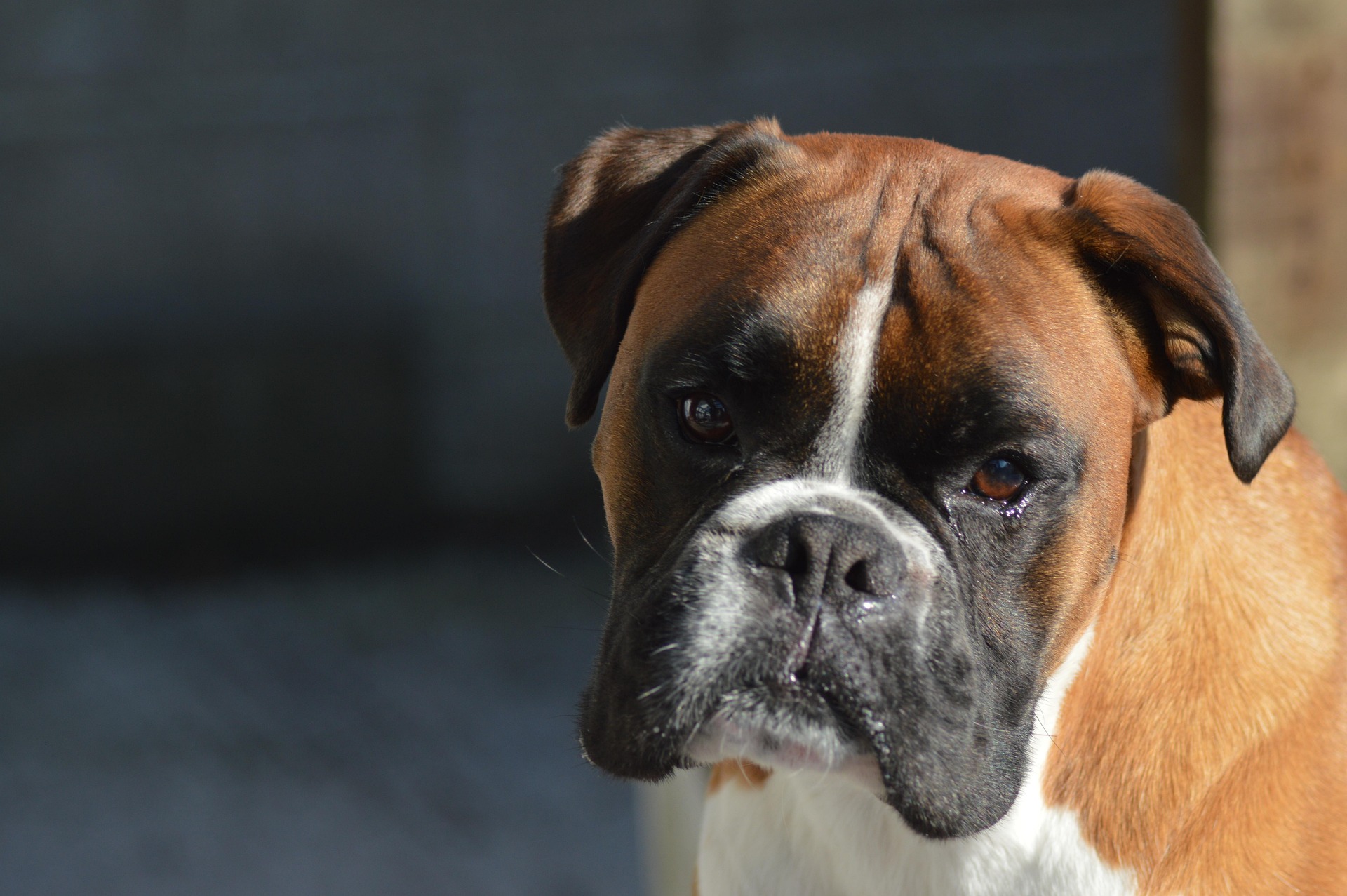
Boxers are more than just expressive — they’re emotionally connected companions whose faces reflect thought, feeling, and personality. By learning to interpret their facial expressions, you deepen your understanding and enrich the relationship you share.
The next time your Boxer gives you that curious brow raise, goofy grin, or soulful gaze — know that you’re interpreting more than a look. You’re witnessing a dog who is actively communicating with you in one of the richest languages they have.
Further Reading and Sources
For deeper insight into dog expressions and behaviour:
-
Dog Facial Expressions & Communication — AKC Expert Advice on dog body language. American Kennel Club
-
15 Funny Boxer Expressions Every Parent Recognises — The Paws site with popular Boxer faces. The Paws
-
Boxer Facial Features and Breed Characteristics — Boxer face structure and traits. Bela Pets
-
Dogs Can Distinguish Human Emotions — Research on canine perception of emotion. espreso.tv
-
Canine Sensitivity to Human Voice & Face — Dog emotional reading and coevolution. 50Plus