Boxer dogs are one of the most lovable, energetic, and loyal dog breeds in the world. Known for their playful spirit and affectionate nature, Boxers make excellent family companions. However, to ensure they grow into confident and friendly adult dogs, socialization is essential — especially during their formative months.
In this guide, we’ll explore what socialization means, why it matters for Boxers, how to do it right, common pitfalls to avoid, and practical tips for owners at every stage of their dog’s life.
What Is Socialization and Why It Matters
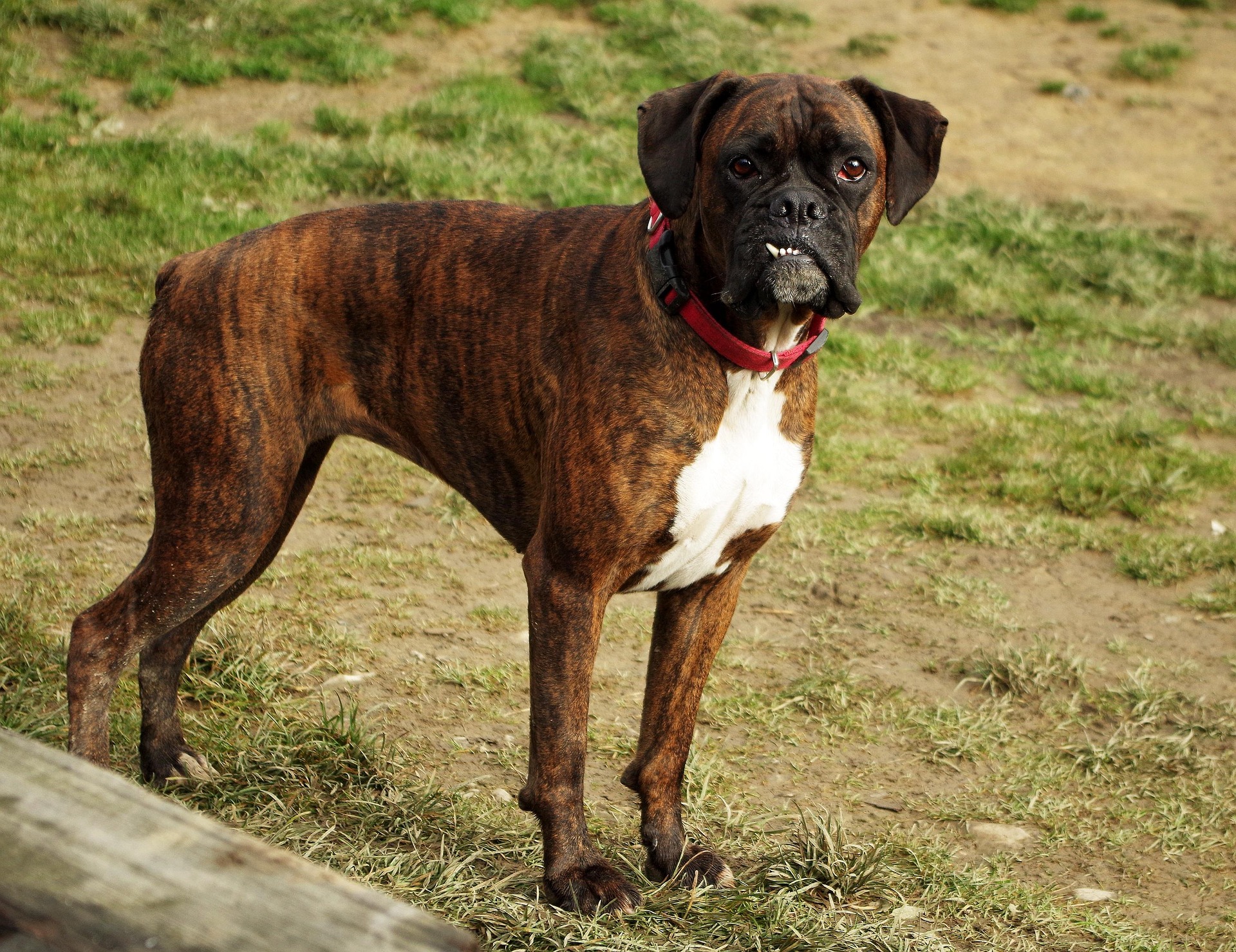
At its core, socialization is the process by which a puppy learns to interact comfortably and confidently with their environment — including people, animals, sights, sounds, and new situations. Proper socialization helps build a well‑adjusted dog that is less fearful, less reactive, and more adaptable in a variety of settings.
Socialization isn’t just about meeting new people or dogs; it’s about teaching your Boxer to understand and trust the world around them. Without this foundation, a dog may become anxious, fearful, and potentially aggressive in unfamiliar situations later in life. Сєвєродонецьк онлайн
Why Boxers Need Early and Proper Socialization
Boxers are naturally friendly and loyal, but they also have powerful physical strength and high energy levels. These traits make them wonderful companions — when they are well‑socialized and confident. When not properly introduced to the world as puppies, Boxers can:
-
Become fearful of strangers or new environments
-
React unpredictably to sudden noises or unfamiliar dogs
-
Display over‑excitement or anxious behavior
-
Show resource guarding or rough play that others misinterpret
A well‑socialized Boxer is more likely to be calm, adaptable, and joyful in daily life. SNIFFSPOT
The critical period for socialization is generally between 3 and 16 weeks of age, when puppies absorb new experiences most easily. However, with patience and positive training, even older dogs can continue to learn social skills. Сєвєродонецьк онлайн
Understanding the Boxer Temperament
Before we talk about socialization strategies, it helps to understand the typical Boxer personality:
-
Energetic and playful — Boxers are high‑energy dogs that thrive on activity.
-
Affectionate and loyal — They bond deeply with their family.
-
Alert and watchful — This can translate into protectiveness if they’re unsure about strangers.
-
Smart and eager to please — Positive reinforcement works very well with them.
Boxers have a reputation for being friendly, especially with children and family members, but they still need proper guidance to be polite and confident in social settings. SNIFFSPOT
The Core Principles of Boxer Socialization
Here are the key principles that should guide your socialization efforts:
1. Start Early and Maintain Consistency
Socialization works best when begun early and reinforced regularly. It’s not a one‑time event — it’s an ongoing process.
Encourage positive experiences with new sights, people, and dogs regularly so your Boxer forms healthy associations rather than fear. 积玉工作室
2. Go Slow — Respect Your Dog’s Comfort Level
Social exposure should be gradual and controlled. Introducing your pup to too many new experiences at once can overwhelm them. Look for subtle signs of stress — like tucked tail, cowering, yawning, or avoidance — and slow down if needed. Fur-tales – Site about animals
3. Use Positive Reinforcement
Positive reinforcement — including treats, praise, and play — strengthens good behavior. Reward your Boxer each time they respond calmly or show curiosity in a new social situation. 积玉工作室
4. Expose Your Boxer to Diverse Experiences
To help your Boxer become confident and adaptable, expose them to:
-
Different kinds of people — children, adults, older adults
-
Various animals — friendly and vaccinated dogs, cats
-
Multiple environments — parks, urban streets, pet‑friendly shops
-
A wide range of noises — from household appliances to traffic sounds NewsBytes+1
Socialization Step by Step: A Practical Guide
Below is a step‑by‑step approach to help your Boxer become a friendly, well‑adjusted dog.
1. People Socialization — Friendly, Positive Introductions
Introducing your Boxer to a variety of people helps them develop confidence and friendliness around strangers.
Best practices include:
-
Letting people of different ages calmly approach your dog
-
Encouraging gentle, positive interactions
-
Rewarding your dog with treats or praise for positive responses
Boxer puppies should also be taught proper manners when greeted, such as sitting politely rather than jumping up. NewsBytes
2. Controlled Dog Playdates — Safe and Structured Meetups
Social interactions with other dogs help Boxers develop appropriate canine play skills and communication.
Try:
-
Scheduling playdates with friendly, vaccinated dogs
-
Visiting puppy classes or supervised playgroups
-
Observing body language and stepping in if play gets too rough
Controlled socialization helps Boxers learn when to play, when to stop, and how to communicate respectfully with other dogs. iHeartDogs.com
3. New Environments — Exploring the World Around Them
Taking your Boxer to different surroundings helps reduce fear of unfamiliar stimuli.
Ideas include:
-
Walks in quiet streets and busy areas
-
Visits to pet‑friendly stores
-
Short trips to parks and outdoor cafés
Let your dog take time to observe and explore — don’t force interactions. Keep it fun and rewarding. 积玉工作室
4. Sound Desensitization — Calm Responses to Everyday Noises

Boxers can be startled by loud or sudden noises. Gradual exposure paired with positive reinforcement teaches them that sounds aren’t threats.
Start with:
-
Quiet background noise (e.g., doorbell, vacuum cleaner)
-
Low‑volume audio of traffic or crowds
-
Treats and praise for calm responses
Increase the volume slowly, making each sound a positive experience. iHeartDogs.com
5. Handling and Grooming Habituation
Part of socialization is teaching your Boxer to feel comfortable being touched and examined for grooming and vet visits.
Practice:
-
Touching paws, ears, and muzzle gently
-
Introducing brushing and nail trims early
-
Rewarding calm behavior with treats or praise
This reduces stress and makes routine care easier for both of you. iHeartDogs.com
Training and Structured Lessons for Social Boxers
Training plays a major role in socialization — teaching your Boxer reliable behaviors that encourage confidence and friendliness.
Obedience Classes — Social and Educational
Formal obedience training not only teaches commands like sit, stay, and come, but also provides social interaction with other dogs and people in a controlled setting. Let\’s Learn Slang
These classes:
-
Build discipline and confidence
-
Improve communication between dog and owner
-
Reinforce polite behavior in social settings
This is especially helpful for energetic breeds like Boxers.
Leash Manners — Respectful Walks in Public
Teaching your Boxer to walk politely on a leash is an important part of socialization.
Good leash behavior helps with:
-
Calm greetings with new people/dogs
-
Better control in public spaces
-
Reduced pulling and over‑excitement
Start in low‑distraction areas, and gradually introduce more stimuli as your Boxer gains confidence. Pawsome Authority
Ongoing Training — Practice Makes Perfect
Socialization and training shouldn’t end after puppyhood. Maintain regular exposure through:
-
Daily walks
-
Playdates
-
Visits to new places
-
Interactive games and obedience challenges
Consistency reinforces positive habits and reduces stress in new situations. 积玉工作室
Common Socialization Mistakes and How to Avoid Them
Even with good intentions, owners can sometimes hinder their Boxer’s progress.
❌ Overwhelming Your Dog Too Soon
Too many new experiences at once can cause fear or anxiety. Introduce stimuli gradually. Fur-tales – Site about animals
❌ Using Punishment During Socialization
Harsh corrections or yelling can create negative associations with new people, places, or training itself. Always use positive reinforcement. iHeartDogs.com
❌ Waiting Too Long to Start Socialization
Delaying exposure to new situations can result in a shy or defensive adult dog. Early and consistent efforts pay off. Сєвєродонецьк онлайн
❌ Ignoring Subtle Stress Signals
Signs like yawning, lip‑licking, or turning away indicate your dog is uncomfortable — don’t push them past their limit. Pawsome Authority
Socialization Tips for Adult Boxers
Even if a Boxer missed early socialization, it’s never too late to start. With patience and structured training, adult Boxers can still learn positive social skills.
Key strategies include:
-
Controlled introductions at a distance
-
Rewarding calm, confident behavior
-
Gradually increasing interaction complexity
-
Seeking professional help when needed
Adult dogs might take longer to adjust, but progress is absolutely possible with consistency and encouragement. 积玉工作室
Final Thoughts: A Friendly Boxer Is a Well‑Socialized Boxer

Socialization is one of the most influential factors in building a friendly, confident, and well‑behaved Boxer dog. This lifelong process lays the foundation for positive interactions with people, animals, and the world at large.
By investing time in early and ongoing social experiences — and doing so with patience and positive reinforcement — you’ll help your Boxer become:
✔ A confident companion
✔ Comfortable in new situations
✔ Polite with strangers and animals alike
✔ A joyful and responsive member of your family
Sources & Further Reading
Here are the authoritative links referenced throughout this article:
-
Boxer puppy socialization tips and environments: NewsBytes App — tips on exposure to people, dogs, and sounds NewsBytes
-
How to socialize a Boxer puppy the right way: iHeartDogs — positive techniques and common mistakes iHeartDogs.com
-
Training timeline and social development: AKC — recommended steps for Boxer puppies American Kennel Club
-
Comprehensive socialization strategies: JiYu Boxer Digest — progression and skill building 积玉工作室
-
Socialization environments and playgroups: Wagbar social interaction guidance wagbar.com
-
Key socialization principles: Lets Learn Slang — obedience classes and controlled exposure Let\’s Learn Slang
-
Stress management and training balance: Pawsome Authority — monitoring comfort and confidence Pawsome Authority
-
Breed temperament and friendliness: Sniffspot Boxer insight SNIFFSPOT