Boxer dogs are well known for their boundless energy, playful temperament, and striking athletic build. While many Boxer owners enjoy daily walks and fetch sessions, agility training offers a deeper way to challenge your dog’s mind and body. Whether you’re a first-time Boxer owner or a seasoned handler, this guide will show you why agility is such a perfect sport for Boxers — and how you can get started, step by step.
We’ll cover everything from breed traits and agility basics to advanced training strategies, health considerations, competition tips, and common pitfalls — plus two helpful videos and plenty of links to further reading.

🎥 Featured Videos: Boxers in Action
🎬 The #Boxer Combines Strength and Agility
A fun short that highlights just how athletic Boxers can be — perfect for visual inspiration. YouTube
📺 Boxer Dog Agility Showcase
Watch a Boxer navigate agility obstacles with speed and enthusiasm — a great example of what your dog could achieve.
📘 1. Introduction: Why Agility Is Ideal for Boxers
The Boxer is a robust, muscular breed originally developed in Germany for various working roles — including hunting and guarding. Their high energy levels, physical strength, and eager temperament make them naturally suited to activities beyond basic obedience. Agility training is one of the best outlets for that energy. American Kennel Club
According to the American Kennel Club (AKC), Boxers can excel in agility competitions and other canine sports due to their athleticism and intelligence. American Kennel Club
But what exactly is agility, and why should you consider it for your Boxer? Let’s start by defining the sport.
🐕🦺 2. What Is Dog Agility?
Dog agility is a competitive canine sport where a dog — guided by its handler — completes a course of obstacles in the fastest time and with the fewest mistakes. The handler uses voice, body signals, and timing (but cannot touch the dog) to direct the run. Wikipedia
Typical agility obstacles include:
-
Tunnels
-
Jumps
-
Weave poles
-
A-frames
-
Teeter-totters
-
Pause tables
The objective is teamwork: your dog must understand and respond to your cues while running and jumping with confidence.
🔍 3. Why Agility Is Great for Boxers
Agility isn’t just about fun (though it is fun). It offers real benefits that play to the strengths of Boxers:
🧠 Physical Fitness & Muscle Strength
Agility involves running, jumping, balancing, and navigating quick turns — all of which help keep Boxers in peak physical condition. This skillful movement benefits overall health and reduces obesity risks. usdaa.com
🧠 Mental Stimulation
Boxers are intelligent dogs. Without proper mental enrichment, their energy can manifest as destructive behavior. Agility challenges their problem-solving abilities and keeps their minds sharp. usdaa.com
🐾 Confidence Building
Successfully completing obstacles builds confidence and self-assurance in dogs. A shy or uncertain Boxer can become bolder through consistent agility training. usdaa.com
🤝 Deeper Bond with You
Agility strengthens the teamwork between handler and dog. The clearer the communication, the more synchronized your partnership becomes — which carries over into everyday life. usdaa.com
🐾 Socialization
Training classes and competitions expose your dog to new environments, other dogs, and people — a valuable experience for friendly and balanced behavior. usdaa.com
🏆 Better Obedience and Discipline
Agility requires focus, patience, and listening skills, reinforcing basic obedience and general control. ElleVet Sciences
🐶 4. Boxer Characteristics That Make Them Agility-Ready
Boxers possess qualities that make them excellent agility candidates:
🐕 Energetic and Playful
They thrive on activity and love to run and jump — key aspects of agility courses. BarkBusters.com
🧠 Intelligent and Trainable
Boxers are quick-learning dogs that respond well to consistent, positive training methods. BarkBusters.com
💪 Athletic Build
Their muscular, balanced bodies let them navigate obstacles with both strength and grace. Dogz Online
🐾 Loyal and People-Focused
Boxers work best when they want to please you — a key to success in agility. BarkBusters.com
However, Boxers also have health considerations that require attention before undertaking agility training.
⚠️ 5. Health Considerations Before Training
🫁 Heart and Joint Health
Boxers are prone to certain health conditions such as cardiomyopathy and joint concerns — especially hip dysplasia. Always consult a vet before beginning agility training to ensure your dog is physically ready. Early screening, including heart and joint evaluations, can help reduce injury risks. purina.ua
🐶 Age and Growth Plates
Puppies shouldn’t be encouraged to jump or strain themselves until they’ve reached skeletal maturity — often around 15–18 months. PetMD
☀️ Weather Sensitivity
Boxers have a short coat and can struggle in extreme heat or cold. Ensure training is adjusted to avoid overheating or prolonged cold exposure. purina.ua
🏆 6. Getting Started with Agility Training
🐾 Step 1: Master Obedience
Before agility, your Boxer should respond reliably to basic commands (sit, stay, come, heel). This foundation is essential for safe progression. PetMD
🤝 Step 2: Use Positive Reinforcement
Treats, praise, and toys motivate Boxers more effectively than harsh corrections. Make training fun. ElleVet Sciences
📅 Step 3: Start With Simple Obstacles
Introduce equipment slowly — tunnels, low jumps, and weave poles can be tackled gradually as confidence builds. PetMD
📍 Step 4: Join a Class
Local agility classes or canine sport clubs provide structured learning and social interaction. Facebook
🛠️ Step 5: Set Goals
Decide if you’re training for fun, fitness, or competition. Goals shape your approach and help you track progress.
🐾 7. Building a Training Routine
Successful agility training comes from consistency and variety:
🗓️ Weekly Practice
Integrate agility drills into daily or weekly sessions — 15–30 minutes at a time keeps your dog engaged without fatigue.
🧠 Combine Physical and Mental Tasks
Use basic obedience drills, agility obstacles, and recall exercises to balance training components.
🎯 Reward All Successes
Even small victories should be rewarded — this builds confidence and reinforces positive behavior.
👣 Track Progress
Keep a training journal, noting improvements, challenges, and successful techniques.
📈 8. Safety Tips for Agility Work
-
Warm up before each session to prevent muscle strain.
-
Avoid hard surfaces like pavement — use grass or soft training mats.
-
Supervise all training — Boxers are energetic and can injure themselves if left unsupervised.
-
Pay attention to fatigue — stop before your dog gets overly tired.
🐕🦺 9. Agility for Different Ages
🐾 Puppies
Build foundational obedience and light play. Focus on coordination games rather than obstacles until growth plates close. PetMD
🏃 Adult Boxers
Full agility training can begin around 1.5 years, scaled to your dog’s abilities. PetMD
🐶 Senior Dogs
Modify courses, reduce jump heights, and emphasize mental engagement and low-impact obstacles.
🏆 10. Human Benefits of Agility
Agility isn’t just for dogs. You’ll also benefit physically and mentally:
-
Cardio workout as you run course lines. usdaa.com
-
Mental strategy development as you plan obstacle sequences. usdaa.com
-
Community and friendships through clubs and competitions. usdaa.com
🎯 11. Getting Competitive (If You Want To)
Many dog owners progress from training to competition. The American Kennel Club (AKC) and other organizations offer sanctioned agility trials where Boxers and other breeds can earn titles. American Kennel Club
🧠 Common Mistakes to Avoid
-
Skipping obedience fundamentals — agility should enhance, not replace, basic training.
-
Pushing too fast — progress at your dog’s pace.
-
Ignoring health signs — always watch for fatigue or discomfort.
📚 Additional Resources & Reading
✔ USDAA Benefits of Dog Agility Training – What agility offers your dog and handler. usdaa.com
✔ AKC Boxer Breed Info – Why Boxers are suited for canine sports. American Kennel Club
✔ Dog Agility 101 on PetMD – Training tips and safety advice. PetMD
🐾 Final Thoughts
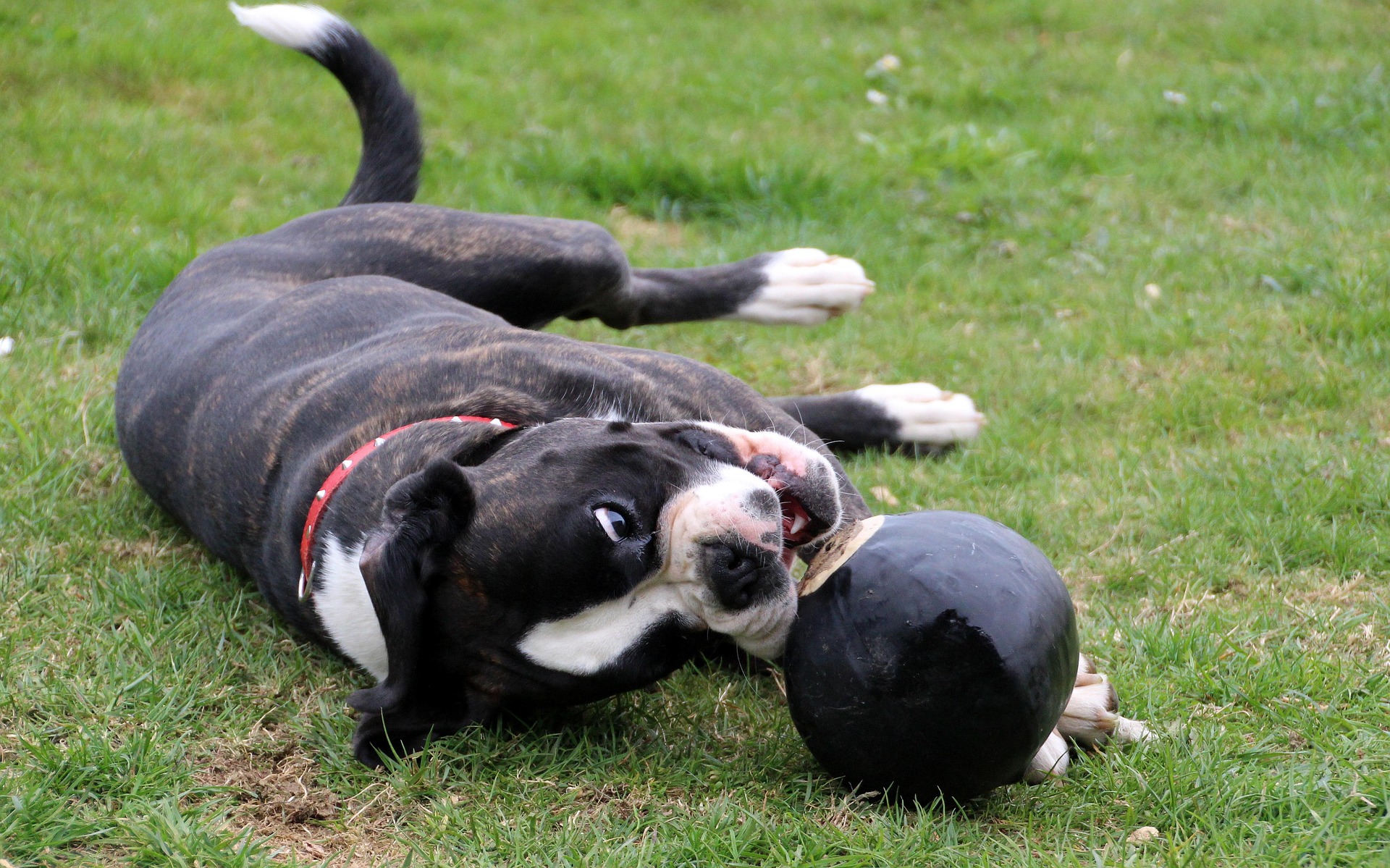
Agility training can transform your relationship with your Boxer — building trust, fitness, confidence, and joy. With the right start, gradual progression, and plenty of positive reinforcement, you can unleash your Boxer’s hidden talents… and both have a blast doing it.