Boxers are loving, energetic, and loyal dogs — but like all breeds, they can experience stress and anxiety. Left unrecognized, stress can lead to serious behavioral issues, chronic health problems, and a reduced quality of life for your dog. Recognizing the early signs of stress allows you to take action before it escalates into fear-based aggression, destructive behavior, or self-harm. American Kennel Club+1
In this detailed guide, we’ll cover:
-
What stress and anxiety look like in Boxers
-
Subtle vs. obvious symptoms to watch for
-
Why Boxers may experience stress
-
How to interpret body language
-
Steps to help your Boxer calm down
-
Professional options for long-term support
Let’s dive in and make sure your Boxer stays happy, safe, and secure.
What Is Stress and Anxiety in Dogs?
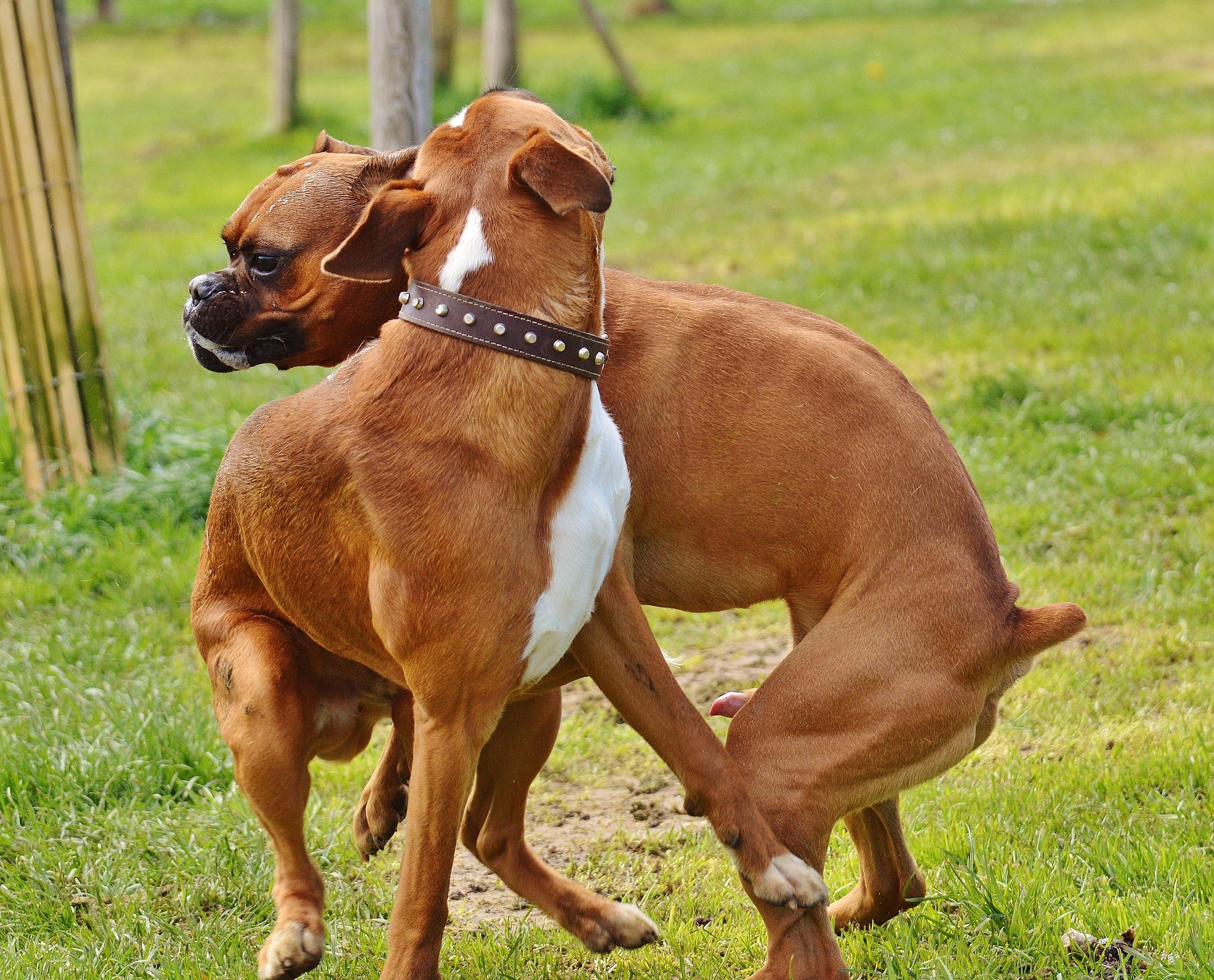
Stress in dogs is similar to stress in humans — it’s a physiological and emotional reaction to perceived threats or changes in their environment. Anxiety, on the other hand, is often longer-lasting or anticipatory stress (for example, fear about loud noises or separation from the owner). dogstrust.org.uk
For Boxers — a breed known for sensitivity and high energy — stress can show up in many ways. Knowing what to look for helps you identify when your dog is uncomfortable before their behavior becomes problematic.
🧠 Why Boxers Are Prone to Stress and Anxiety
Boxers are:
-
Highly social and bond strongly with their families
-
Sensitive to environmental changes
-
Energetic and easily bored without mental stimulation
This combination means that Boxers can get stressed if their physical and emotional needs aren’t met, or if they’re put in situations they find confusing or overwhelming.
Common causes of stress in Boxers include:
-
Loud noises (fireworks, thunderstorms)
-
Separation from their owner
-
New people or pets
-
Disruptions in routine
-
Lack of exercise
-
Change of environment (moving house, new family members)
Understanding your dog’s triggers is a key first step in prevention.
👉 Subtle Signs Your Boxer Is Stressing (Behavioral Cues)
Dogs communicate largely through body language, and Boxers are no exception. Often, the earliest signs of stress are subtle and easily overlooked:
🐶 1. Lip Licking and Yawning
Lip licking and yawning more than usual can be a signal of anxiety. This is not the same as normal yawning from tiredness. It’s often a self-soothing behavior in response to tension. Rover.com
🚶♂️ 2. Pacing or Restlessness
When your Boxer can’t settle — walking back and forth repeatedly, or circling restlessly — this often means they’re trying to discharge nervous energy. American Kennel Club
👀 3. Whale Eye (Visible Whites of the Eyes)
“Whale eye” happens when a dog turns its head slightly but keeps its gaze on a stimulus, showing more of the whites of its eyes than normal. This is a classic sign of discomfort, stress, or uncertainty. dogstrust.org.uk
🐾 4. Avoidance Behaviors
Avoiding eye contact, turning away, or retreating from certain people or situations indicates anxiety. These are polite canine signals that say “I’m uncomfortable.” Petful
🔥 Obvious Signs of Stress or Anxiety
If stress escalates, Boxers may show more intense or disruptive behaviors:
🐕 5. Excessive Barking, Whining, or Growling
Vocalization can be a direct sign of stress, especially when it’s out of the ordinary — such as whining for long periods, barking when alone, or growling at familiar people. Veterinary Care at Your Fingertips
🪵 6. Destructive Behavior
Chewing furniture, digging at doors, or tearing up pillows are common outlets for nervous energy in stressed dogs. Let\’s Learn Slang
🐩 7. Trembling or Shaking Without a Physical Cause
Shaking isn’t always due to cold — anxious shaking can occur even in warm environments and without physical triggers. Joii Pet Shop
🐶 8. Change in Eating Habits
Loss of appetite or refusal to eat can be a sign of emotional stress, especially if it happens suddenly. Veterinary Care at Your Fingertips
🐕🦺 9. Tail Tucking and Ears Back
A tucked tail and flattened ears are classic canine fear signals — your Boxer is telling you they feel unsafe. Rover.com
🐾 Physical Symptoms That May Accompany Stress
While behavioral clues are often the first thing owners notice, stress can also manifest physically:
-
Excessive panting or drooling unrelated to heat or exercise
-
Dilated pupils or rapid blinking
-
Increased shedding
-
Digestive changes (diarrhea, vomiting)
-
Sweaty paws in calm environments Veterinary Care at Your Fingertips+1
If these physical symptoms persist, a veterinary check-up is strongly recommended to rule out medical causes.
🩺 How to Differentiate Stress From Normal Behavior
Some behaviors — like yawning or pacing — can also occur during play or excitement, so context matters. Ask yourself:
✔ Has the behavior changed recently?
✔ Does it happen only in certain situations?
✔ Is it accompanied by other stress indicators?
Your dog’s normal baseline behavior is the best reference point. Sudden or dramatic changes — especially those that persist — often mean stress or anxiety.
🧠 Why Early Recognition Is So Important
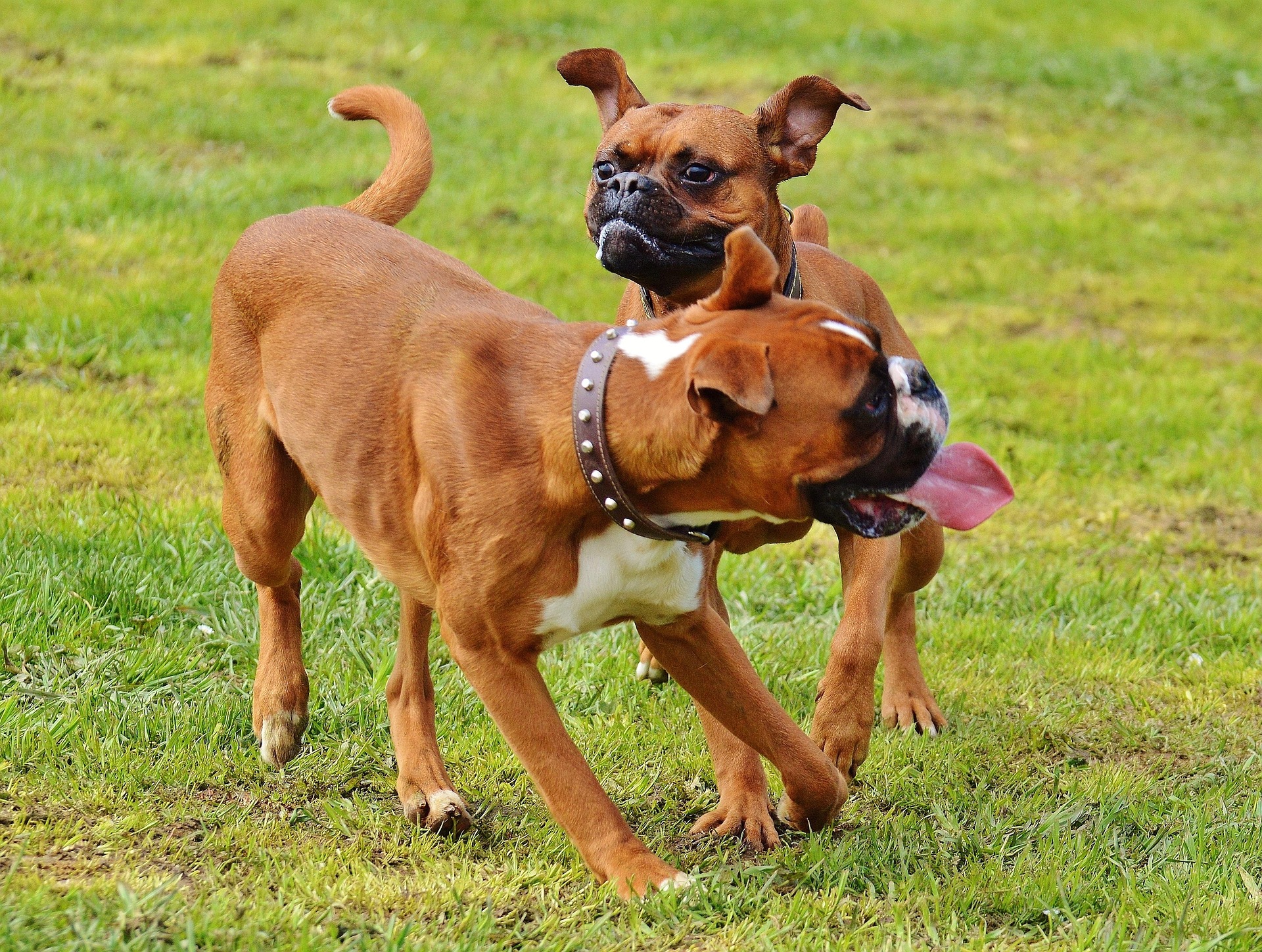
Left unchecked, stress can worsen into:
-
Fear-based aggression
-
Chronic anxiety disorders
-
Depression-like withdrawal
-
Injuries from compulsive behaviors
Boxers who feel safe and understood are happier, healthier, and better companions.
🛠️ Immediate Steps You Can Take to Help Your Stressed Boxer
Once you recognize stress, here are practical first steps you can take to reassure your dog:
🏠 Create a Safe Space
Provide a quiet room or designated area where your Boxer can relax without interruptions. A cozy bed, crate, or quiet corner works well.
🧘 Keep a Consistent Routine
Dogs thrive on predictability — regular feeding, walking, and play times reduce anxiety. Rover.com
🧸 Provide Mental and Physical Stimulation
Regular exercise helps reduce stress. Puzzle toys, obedience training, and scent games can distract and calm anxious dogs. Discover Boxer Dogs
☺️ Stay Calm Yourself
Dogs pick up on human emotions — your calm tone and demeanor can reassure your Boxer that everything is safe. UNIMIS
🐶 When to Seek Veterinary or Professional Help
If your Boxer’s anxiety appears severe or persistent, consider:
👩⚕️ Veterinarian Consultation
A vet can rule out medical causes and may prescribe temporary or long-term anxiety treatment options.
🧠 Certified Canine Behaviorist or Trainer
Professionals can create customized behavior modification plans to help your dog manage triggers.
💊 Calming Aids Under Advice
Pheromone collars, calming supplements, or mild medications can support some dogs — always discuss with a vet first. PetMD
🐕 Special Situations: Common Boxer Triggers
🎇 Loud Noises
Fireworks, thunderstorms, and construction sounds often trigger intense anxiety. Providing a sound-proofed space or desensitization training can help.
🏡 Separation Anxiety
If your Boxer follows you constantly or panics when you leave the room, they may have separation anxiety. A trainer can help develop coping strategies.
🐶 New People or Animals
Some Boxers need slow introductions rather than forceful interactions with strangers or other pets.
Understanding your dog’s history — including past stressors — makes a big difference in handling triggers appropriately.
📝 Checklist: Quick Stress Signals in Your Boxer
Subtle Signs
✔ Yawning or lip-licking
✔ Pacing
✔ Avoidance
✔ Whale eye
Obvious Signs
✔ Excessive vocalization
✔ Destructive behavior
✔ Trembling
✔ Tail tucking
Physical Changes
✔ Panting unrelated to exercise
✔ Digestive upset
✔ Sweaty paws
If you observe multiple signs occurring consistently, it’s time to take action.
🏁 Conclusion: Recognize the Signals, Empower Your Boxer
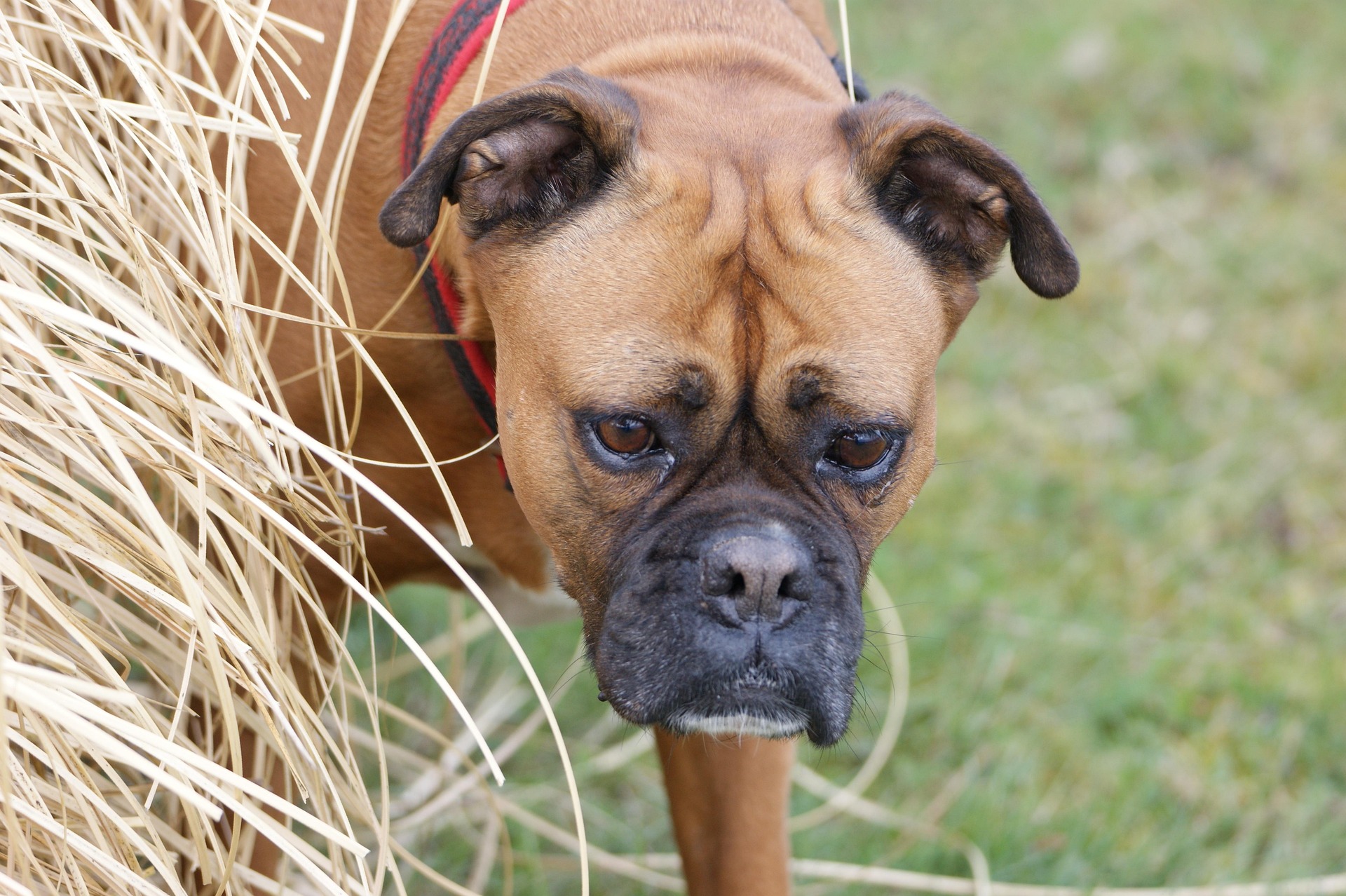
Recognizing stress and anxiety in your Boxer isn’t just about understanding behavior — it’s about strengthening your bond and protecting your dog’s emotional wellbeing. With attentive observation and appropriate action, you can help your Boxer navigate stressful situations with confidence and calm.
Boxers are expressive, loyal, and sensitive — and with your love and care, they can thrive even through life’s stressful moments.
📌 Further Reading & Resources
For more in-depth guidance, check out:
-
AKC – How to Tell If Your Dog Is Stressed — tips on reading canine body language. How to Tell If Your Dog Is Stressed (AKC)
-
Dogs Trust – Signs of Anxious Dogs — signs and what they mean. Signs of Stress in Dogs (Dogs Trust)
-
PetMD – Dog Anxiety Treatment Options — calming aids and vet options. Dog Anxiety: Signs, Causes, and Treatment (PetMD)