Boxers aren’t just one of the most recognizable dog breeds — they’re among the most loyal and devoted companions you can find. Whether they’re bounding around the yard like puppies or calmly watching over family members, Boxers have earned a reputation as steadfast friends who never let their people down. In this in-depth article, we’ll explore why Boxers are so loyal, unpack their temperament and history, and provide practical insights into living with and training this remarkable breed.
Table of Contents
-
Introduction: What Defines Loyalty in Dogs
-
Origins of the Boxer Breed
-
Temperament: Loyalty, Playfulness & Protection
-
Boxers with Families: Great with Kids and Adults
-
Training & Socialization: Building a Strong Bond
-
Daily Life with a Boxer: Care, Exercise & Mental Health
-
The Science of Canine Loyalty
-
Why Boxers Stand Out from Other Loyal Breeds
-
Real Stories: Boxer Owners Share Their Experiences
-
Conclusion: Are Boxers the Most Loyal Dogs?
1. Introduction: What Defines Loyalty in Dogs
When we call a dog “loyal,” we’re talking about consistent attachment, protective instincts, and emotional connection to their human companions. Some breeds are renowned for loyalty — like German Shepherds, Golden Retrievers, and Akitas — but Boxers consistently rank near the top of the list due to a unique combination of temperament traits. Veterinary Care at Your Fingertips+1
2. Origins of the Boxer Breed
Boxers have a long and fascinating history that helps explain their temperament today:
-
Ancestor breeds included the Bullenbeisser, a German hunting and guard dog that worked with butchers and controlled large game. Wikipedia
-
In the 19th century, breeders refined the modern Boxer in Germany for utility: working roles, protection, and companionship. Nahf
-
Recognized by the American Kennel Club in 1904, Boxers soon became valued as both working dogs and family pets. Nahf
This history of teamwork with humans — whether in hunting, military, or household settings — laid the foundation for Boxers’ deep loyalty today.
3. Temperament: Loyalty, Playfulness & Protection
One of the Boxer’s signature traits is unwavering loyalty to their family. Unlike some breeds that bond independently, Boxers form deep emotional attachments — often following loved ones from room to room. Dogz Online
3.1 Loyal and Protective
-
Boxers bond strongly with their people and prefer to be near them during daily activities. Brewminate
-
They’re naturally vigilant and will alert you to unusual activity — making them excellent watchdogs — but they’re rarely aggressive without cause. Veterinary Care at Your Fingertips
-
Their protective instinct doesn’t come from fear; it comes from caring deeply about family safety and well-being. Dogz Online
3.2 Playful & Energetic
Their loyalty isn’t just about protection — Boxers are playful companions who express affection through active engagement and fun. Veterinary Care at Your Fingertips
3.3 Intelligent & Trainable
Boxers are bright and eager to learn, though sometimes a bit stubborn. They respond best to positive training methods, which also strengthen the human-dog bond. Veterinary Care at Your Fingertips
4. Boxers with Families: Great with Kids and Adults
Boxers have a reputation as excellent family dogs, and for good reason:
-
Their playful energy matches well with children. Veterinary Care at Your Fingertips
-
They can be patient and gentle, especially when socialized early. Dogz Online
-
Boxers often become protective of younger family members, making them trusted companions. Brewminate
-
Their affectionate nature makes them as happy curled up on the couch as chasing a ball in the yard. Good Dog
However — due to their athletic build — supervision during very rough play is wise. Encyclopedia Britannica
5. Training & Socialization: Building a Strong Bond
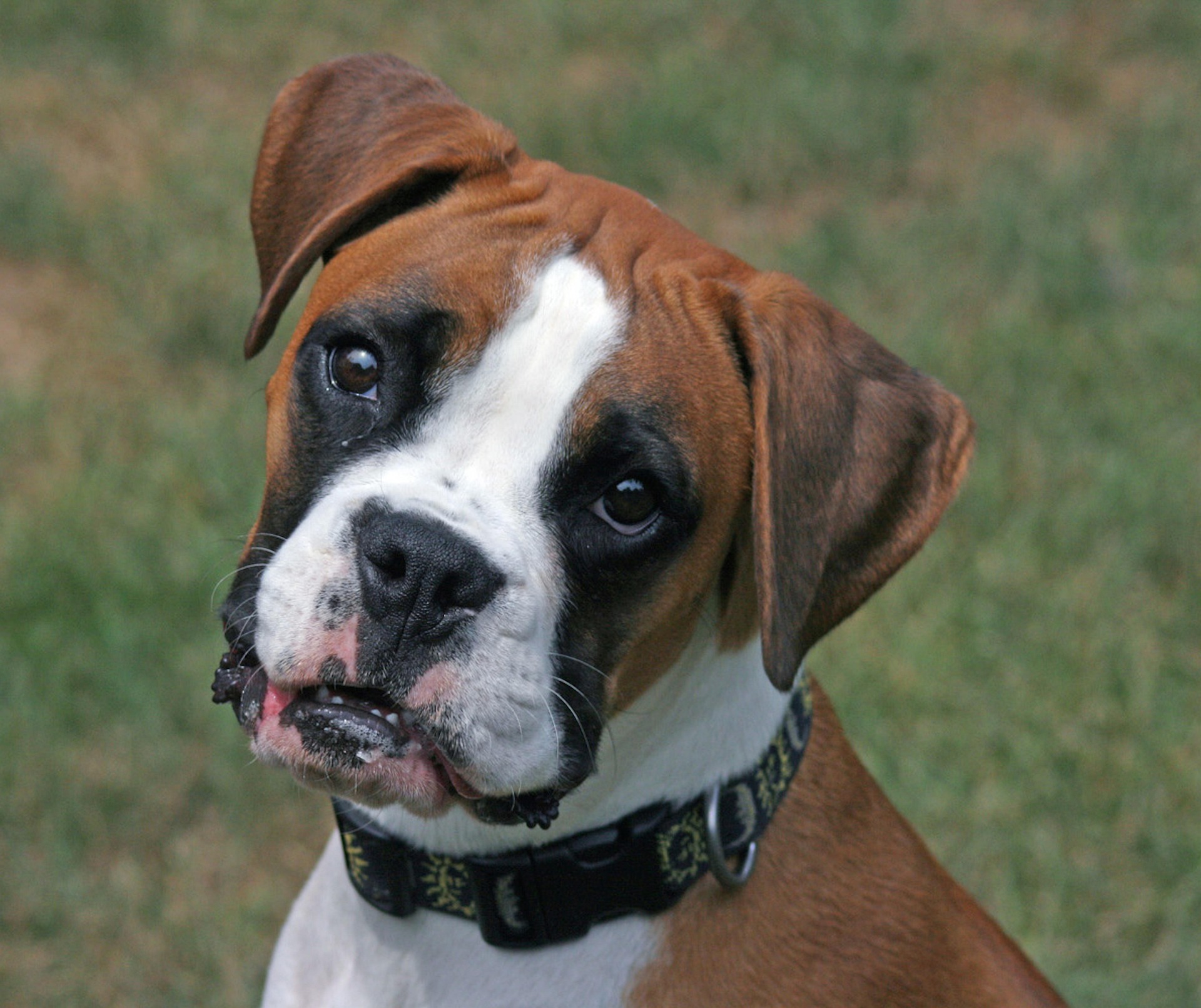
The cornerstone of any loyal relationship with a Boxer is training and socialization. These dogs thrive on human interaction and structure:
5.1 Early Socialization
Introducing a Boxer to different people, pets, and environments when young helps them become confident and well-rounded adults. Online Dog Training
5.2 Consistent Training
Boxers respond best to reward-based training — praise, treats, and play — rather than harsh correction. Online Dog Training
5.3 Mental Engagement
Due to their intelligence, Boxers need mental challenges just as much as physical activity. Agility, puzzle toys, and obedience exercises keep them happy and emotionally connected. Online Dog Training
Training isn’t just about commands — it’s about nurturing loyalty.
6. Daily Life with a Boxer: Care, Exercise & Mental Health
Boxers are affectionate, energetic, and emotionally in tune with their owners — but they have specific needs:
6.1 Exercise
These dogs need significant daily activity. Long walks, play sessions, and interactive games are essential to prevent boredom and anxiety. petplan.co.uk
6.2 Emotional Needs
Boxers dislike being left alone for extended periods. Their attachment to family means separation can cause stress unless they’re gradually accustomed. petplan.co.uk
6.3 Grooming & Health
Their short coat is easy to maintain, but potential health concerns — including heart conditions and hip issues — should be monitored with regular vet care. Veterinary Care at Your Fingertips
A well-cared-for Boxer is a happier, more loyal companion.
7. The Science of Canine Loyalty
Loyalty in dogs isn’t mystical — it’s rooted in evolution, social bonding, and human-pack dynamics. Dogs evolved alongside humans as social animals that thrive in cooperative roles. Boxers exemplify this through:
-
Their attachment behavior, similar to secure bonds in human relationships
-
Their sensitivity to human emotions and social cues
-
Their protective instincts tied to family wellbeing
In Boxers, these biological and behavioral traits are strongly expressed, setting them apart in the canine world. While not every Boxer will act the same, the breed’s average temperament tends toward the highly loyal end of the spectrum.
8. Why Boxers Stand Out from Other Loyal Breeds
Many dog breeds are loyal — but Boxers have a unique combination of traits:
| Trait | Boxer Strength |
|---|---|
| Loyalty | ⭐⭐⭐⭐⭐ |
| Protective Instinct | ⭐⭐⭐⭐ |
| Family Affection | ⭐⭐⭐⭐⭐ |
| Energetic Play Style | ⭐⭐⭐⭐ |
| Trainability | ⭐⭐⭐⭐ |
| Adaptability | ⭐⭐⭐⭐ |
While breeds like Labrador Retrievers or German Shepherds are also beloved for devotion, Boxers pair loyalty with boundless energy and an affectionate personality that feels personal and constant.
9. Real Stories: Boxer Owners Share Their Experiences
Stories from real Boxer owners often emphasize loyalty and personality:
-
Owners describe Boxers as clingy and affectionate companions who want to be involved in everything. reddit.com
-
Many note that Boxers display true protective behavior, even without training. reddit.com
-
For families, Boxers often act as both guard dogs and soft-hearted cuddlers. reddit.com
These anecdotes echo scientific and breed-standard descriptions — loyalty isn’t just a myth for Boxers; it’s a lived experience for many families.
10. Conclusion: Are Boxers the Most Loyal Dogs?

So, are Boxers the most loyal dogs? There’s no single answer — loyalty can be subjective and influenced by individual personality, upbringing, and environment. Yet based on temperament descriptions, breed history, owner experiences, and behavioral science, Boxers consistently rank among the most loyal and faithful canine companions you can choose. Dogz Online
Their unique blend of devotion, affection, protection, intelligence, and playful spirit guarantees that if you commit to a Boxer, they’ll commit back… every single day.
References & Further Reading
-
Boxer Breed Traits & Personality — DogzOnline (Boxer Guide) Boxer Breed Guide: Traits, History, Care & Health
-
What Makes Boxer Dogs Special — Petscare.com What Makes Boxer Dogs Special: Traits and Personality
-
Boxer Temperament & Training — DogTrainingGuru.org Boxer Dog Breed: The Loyal, Playful, and Protective Companion
-
Boxer Info from Britannica — Boxer Dog Profile Boxer Dog Breed | Dog Size, Life Expectancy, Personality & Care (Britannica)