Choosing a Boxer puppy is one of the most exciting decisions a family can make — but it’s also one of the most important. Boxers are energetic, loyal, affectionate, and highly intelligent dogs that can become cherished companions for years to come. However, bringing a puppy into your home is a long‑term commitment that involves careful preparation, thoughtful decision‑making, and an understanding of both the breed and your family’s lifestyle.
In this article, you’ll learn everything you need to know about choosing the perfect Boxer puppy for your family — from understanding the breed’s temperament and needs, to evaluating breeders or rescue options, choosing the right individual puppy, and preparing your home. We’ll also include links to reputable sources so you can explore key topics even further.
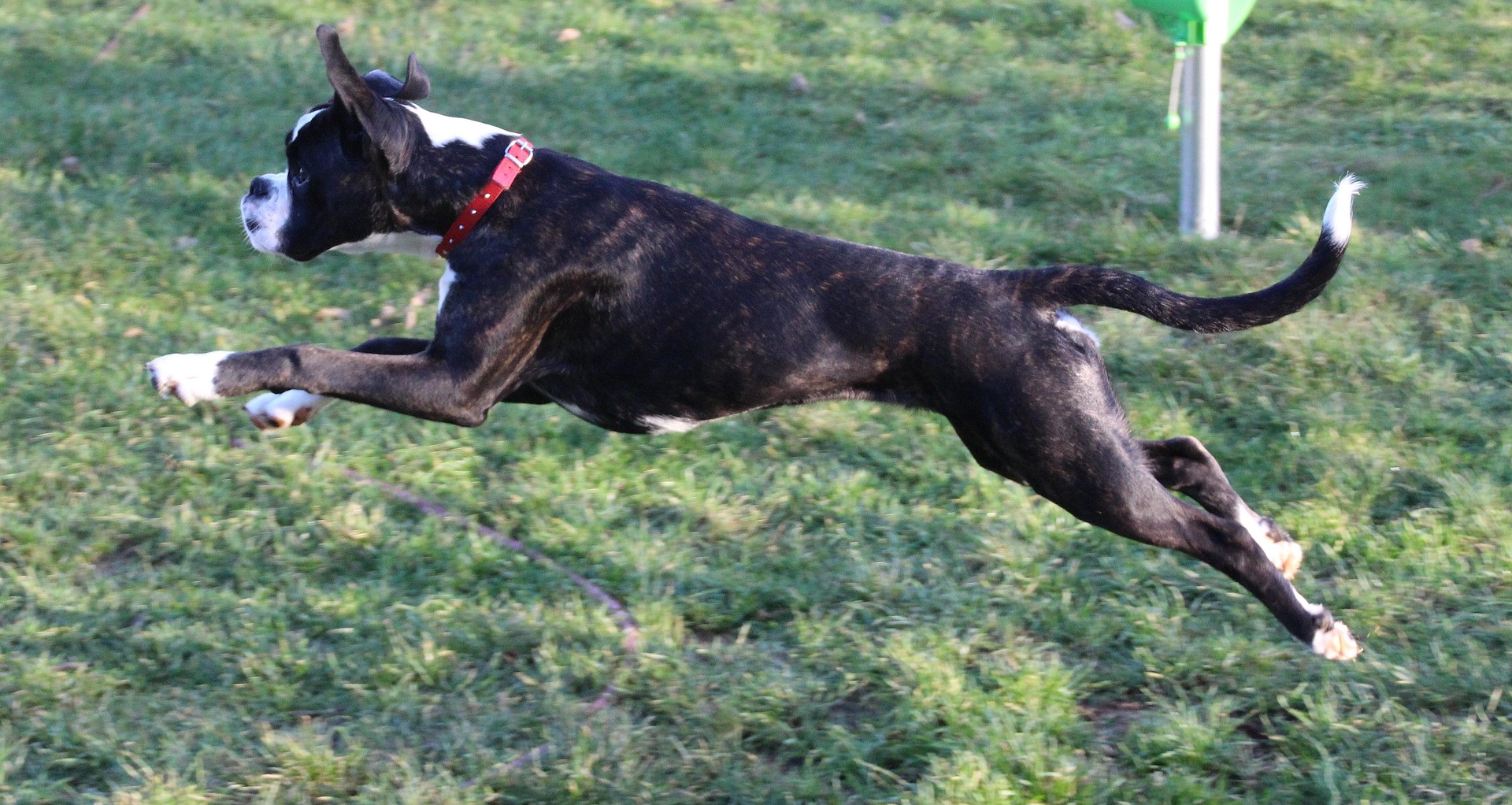
Table of Contents
-
Why Choose a Boxer as a Family Dog
-
Understanding Boxer Temperament and Needs
-
Preparing Your Family for a Puppy
-
Finding a Responsible Breeder
-
Assessing a Breeder and Puppies
-
Questions to Ask Before Choosing
-
Choosing the Right Puppy for Your Family
-
Preparing Your Home Before Puppy Arrival
-
Early Puppy Care and Training
-
Common Mistakes and How to Avoid Them
-
Final Checklist for Choosing Your Boxer Puppy
-
Helpful Resources
1. Why Choose a Boxer as a Family Dog
Boxers are often described as joyful, protective, playful, and highly social dogs. They tend to form deep bonds with their owners and enjoy participating in family life, including playtime, cuddles, and daily routines. Many Boxer owners praise the breed for its clownish personality, endless energy, and affectionate nature. PDSA
Their physical sturdiness and lively personality make them great companions for active families — but this also means they need an environment where exercise and attention are daily priorities. Royal Canin
2. Understanding Boxer Temperament and Needs
Before choosing a puppy, you should understand what makes Boxers unique.
High Energy and Activity Levels
Boxers are very active dogs that require at least 1–2 hours of exercise daily — often spread across walks, play sessions, agility training, and mental stimulation. This helps prevent boredom and related behavior problems. Royal Canin
Social and Affectionate Nature
Boxers thrive on company and are known for their loyalty to family members. They enjoy being part of daily life and may develop separation anxiety if left alone too often. PDSA
Boisterous and Playful Puppy Phase
Boxers often retain puppy‑like energy well into adulthood and need consistent, positive reinforcement training from a young age. PDSA
Interaction With Kids and Other Pets
Boxers generally get along well with children, but their size and exuberance mean they should always be supervised around younger kids to prevent accidental knocks or overexuberant play. PDSA
3. Preparing Your Family for a Puppy
Bringing a Boxer puppy into your home means preparing not just the physical environment, but also family members — especially children.
Assessing Lifestyle and Commitment
Ask yourself:
-
Does your family have enough time for walks, play, and training?
-
Is someone home much of the day (to avoid separation anxiety)?
-
Do you have a secure, fenced yard?
Boxers need both indoor and outdoor activity space, and steady supervision during their early months. PDSA
Understanding Lifespan and Responsibility
Boxers often live 10–15 years or more, which means you’ll be making a long‑term commitment that includes daily care, training, exercise, and healthcare costs over many years. Pets4Homes
4. Finding a Responsible Breeder or Adoption Option
Where you get your Boxer puppy matters greatly — and finding a responsible breeder or reputable rescue group is key to ensuring you bring home a healthy, well‑adjusted dog.
Why a Responsible Breeder Matters
A responsible breeder:
-
Performs health screenings for common Boxer issues such as heart conditions and hip dysplasia
-
Socialises puppies from an early age
-
Provides health records and guarantees
-
Allows you to visit the puppies and their parents (ideally before choosing)
Meeting the broader family of dogs and observing their temperament and care can give you important clues about the future behavior and health of the puppies. Pets4Homes
Official Boxer Clubs and Referral Resources
National clubs like the American Boxer Club often offer breeder referrals, helping you connect with breeders who adhere to breed standards and health protocols. American Boxer Club
Rescue and Shelter Options
Consider Boxer rescues and shelters, too. Many wonderful Boxers need loving homes, and rescue organisations often provide background information about a dog’s personality and history — which can help match the right dog to your family.
5. Assessing a Breeder and Puppies in Person
Once you’ve identified potential breeders, it’s time to evaluate them and the puppies closely.
Environment and Care
During your visit:
-
The facility should be clean, safe, and odor‑free
-
Dogs should appear socialised and healthy
-
Puppies should have room to play and interact with people
-
Adults should exhibit balanced temperaments
A poor environment or overly crowded conditions can indicate backyard breeding or puppy mill practices, which often lead to long‑term health and behavioral problems. Lancaster Puppies
Health Screening and Documentation
A good breeder will happily provide:
-
Veterinary checkup records
-
Vaccination and deworming schedules
-
Genetic health clearances for parents
-
Registration papers (e.g., AKC or equivalent)
Puppies from parents with documented health clearances are less likely to inherit serious genetic conditions. Let\’s Learn Slang
Temperament and Behavior
Observe how the puppies interact with you and with each other. Ideally, puppies should be:
-
Curious but not overly aggressive
-
Energetic but able to settle
-
Comfortable with human touch and interaction
These early behavior traits often predict future behavior as an adult dog — but also consider family preference and lifestyle when making your choice.
6. Questions You Should Ask Before Choosing

It’s crucial to come prepared with questions for any breeder or rescue:
✔ Has the puppy received its first vaccinations and health checks?
✔ Are both parents tested for genetic health concerns, such as hip dysplasia and heart disease?
✔ Can you meet the mother (and ideally the father)?
✔ What socialisation practices are used with the puppies?
✔ Does the breeder provide a health guarantee or return policy?
✔ What diet and care plan has the puppy been on so far?
Health screening and proper documentation show the breeder’s commitment to producing healthy, well‑balanced puppies. Let\’s Learn Slang
7. Choosing the Right Puppy for Your Family
Selecting the perfect individual puppy involves more than just picking the cutest one in the litter. Here are key considerations:
Temperament Testing
Watch how each puppy:
-
Responds to human interaction
-
Handles new stimuli
-
Interacts with littermates
Playful yet calm puppies may be well‑suited to families with children, while more independent pups might suit quieter homes.
Physical Health and Appearance
Healthy puppies should:
-
Have bright, clear eyes
-
Show smooth coat and healthy skin
-
Be alert and moving normally
-
Respond to sound and movement around them
Avoid puppies that seem lethargic, have discharge around nose/eyes, or show signs of poor nutrition — these can be red flags.
Gender Considerations
Some families prefer male dogs for their playful nature or females for easier handling during training — but personality often matters more than gender alone. Consider how the puppy’s energy and temperament match your lifestyle rather than basing the choice solely on sex. Calorizator
8. Preparing Your Home Before Puppy Arrival
Once you’ve chosen your puppy, prepare your home ahead of its arrival:
Create a Safe Space
Designate a puppy zone with:
-
Comfortable bedding
-
Food and water bowls
-
Toys and chews
-
Puppy pads for house‑training
This helps your Boxer feel secure and starts routines more smoothly.
Puppy‑Proof Your Home
Remove hazards like electrical cords, toxic plants, and small objects that could be chewed or swallowed.
Ask Family Members to Learn Puppy Signals
Teach everyone in your household how to read early dog body language — such as stress signals vs. play signals — to prevent unintended misunderstandings as the puppy adjusts.
9. Early Puppy Care: Training, Socialisation, and Health
Bringing your Boxer puppy home is just the beginning. Early care sets the foundation for a confident, healthy adult dog.
Vet Visits
Schedule a vet check soon after adoption to:
-
Confirm health
-
Begin vaccination schedules
-
Discuss nutrition and deworming
-
Plan future health screenings
Socialisation
Introduce your puppy to:
-
Different people
-
Other dogs
-
Various environments
Positive early exposure is vital for a well‑adjusted adult dog.
Training
Positive reinforcement methods help build a trusted relationship and prevent unwanted behaviors. Crate training, house training, and basic commands (like sit, stay, and come) are essential early lessons.
10. Common Mistakes to Avoid When Choosing a Puppy
❌ Choosing Based on Look Alone
While appearances can be appealing, temperament and health are far more important predictors of long‑term happiness.
❌ Rushing the Decision
Reputable breeders usually have waiting lists — and choosing quickly from any available litter may mean missing important health screening or socialisation.
❌ Ignoring Health Documentation
Not seeing parents or asking about health clearances can lead to future medical costs and heartbreak.
11. Final Checklist for Choosing Your Boxer Puppy
✔ Have you researched the Boxer breed and lifestyle needs?
✔ Does your home have time, space, and resources for a high‑energy dog?
✔ Have you visited breeders and observed conditions?
✔ Do parents have health clearances?
✔ Did you ask all important questions about health, socialisation, and early care?
✔ Did you consider temperament and behavior of individual puppies?
Answering “yes” to these questions increases your chances of finding a Boxer puppy who fits perfectly into your family.
12. Helpful Resources
🔗 PDSA — Boxer Breed Guide: temperament, exercise, training, and suitability for families. PDSA
🔗 American Boxer Club — Puppy Finder: how to find a responsible breeder. American Boxer Club
🔗 Pets4Homes — How to Buy a Boxer Puppy: step‑by‑step breeder assessment and selection. Pets4Homes
🔗 FunnyFuzzy — Boxer Care Tips: practical information about feeding, activity, and grooming needs. FUNNYFUZZYUK
🔗 Boxer Puppy General Info: insights into breed personality and family compatibility. Lapki
Conclusion
Choosing the perfect Boxer puppy requires research, patience, and preparation — but doing it right pays off with years of companionship, loyalty, and joy. This breed can bring boundless energy and affection to family life, but only if your home and lifestyle match what Boxers truly need.
By understanding the breed, evaluating breeders carefully, assessing individual puppies thoughtfully, and preparing well in advance for your puppy’s arrival, you’ll set the stage for a loving, lifelong bond with your Boxer.