Pugs are affectionate, charming companions, but their short muzzles and calm dispositions don’t mean they don’t need mental stimulation. Just like physical exercise, mental engagement is critical for a Pug’s happiness, behavior, and overall well‑being. Without stimulating activities, Pugs can become bored, frustrated, or even develop unwanted behaviors. Pug Box
This ultimate guide walks you through daily and weekly strategies to keep your Pug’s brain active, happy, and healthy — including games, training ideas, scent work, interactive toys, and lifestyle adjustments tailored to this unique breed.
Why Mental Stimulation Matters for Pugs
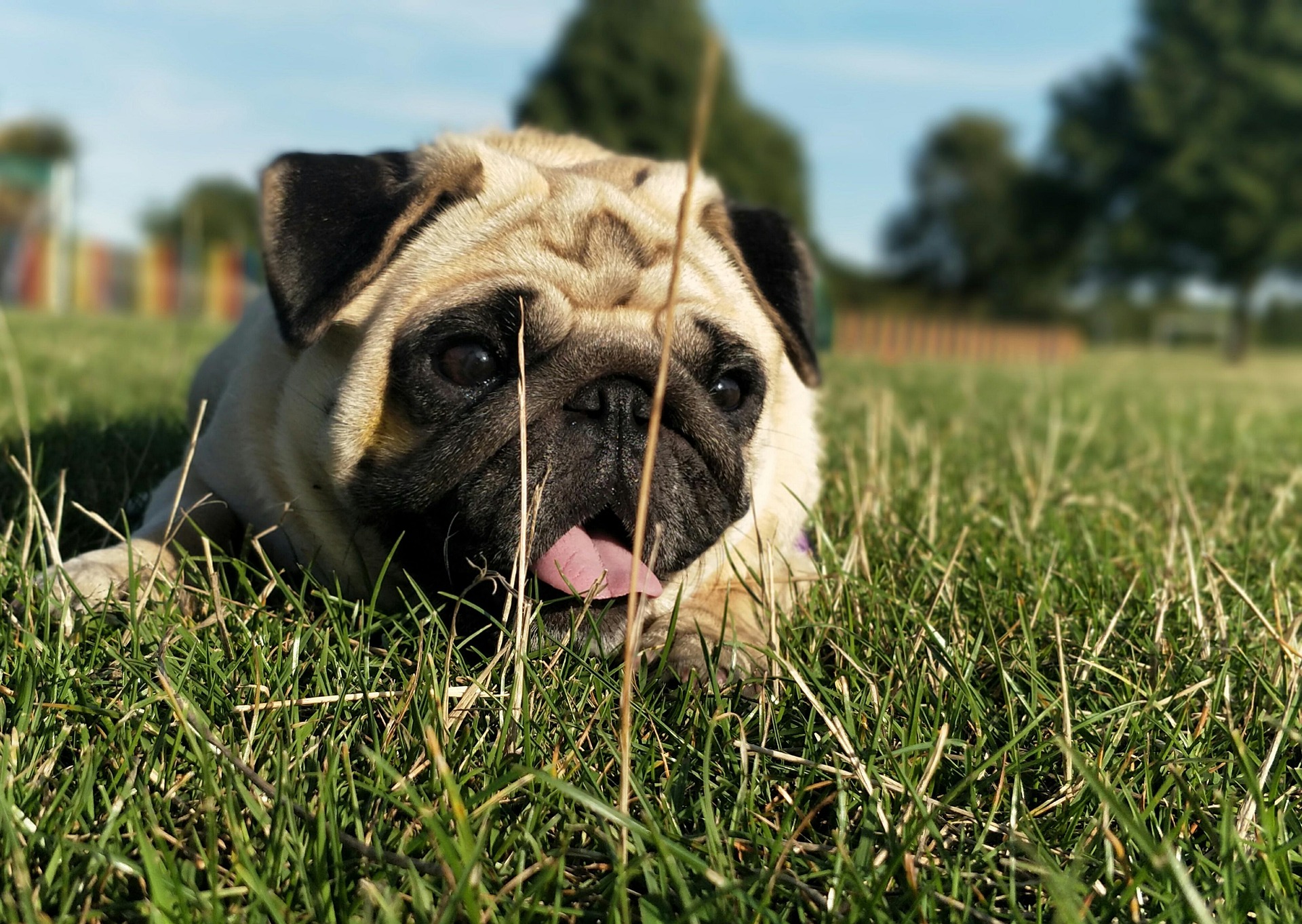
Mental stimulation helps Pugs:
-
Build problem‑solving skills
-
Prevent boredom and frustration
-
Reduce destructive behaviors
-
Strengthen their bond with you
-
Use natural instincts like scenting and foraging Vets Love Pets+1
Because Pugs are intelligent little dogs with curious personalities, satisfying their brain is just as important as satisfying their belly or their need for gentle exercise.
1. Daily Training Sessions (5–15 Minutes)
Training isn’t just about discipline — it’s powerful mental exercise. Teaching commands or tricks activates your dog’s cognitive processes and reinforces positive behaviors. Vets Love Pets
Why Training Helps
-
Encourages your Pug to think, not just react
-
Reduces boredom by presenting challenges
-
Builds focus and strengthens your bond
Practical Training Ideas
✔ Basic Commands: Sit, stay, come, down
✔ Fun Tricks: Shake, roll over, spin, high‑five
✔ Impulse Control: “Wait,” “leave it,” “stay”
✔ Advanced Tasks: Fetch specific items, tidy toys on cue
Short daily sessions (as little as 5 minutes) can significantly boost your pug’s mental fitness and build confidence. Dan’s Pet Care
2. Puzzle Toys & Treat Dispensers
Interactive toys are one of the best tools for cognitive engagement. These toys require your Pug to figure out how to access treats or kibble, turning eating or playtime into a stimulating challenge. Pet & Rural Supply Co+1
Popular Options
-
Puzzle boards with sliding pieces
-
Food‑dispensing balls
-
KONG toys stuffed with treats
-
Snuffle mats that encourage foraging
These toys tap into your dog’s natural instincts and can keep them engaged for 15–30 minutes or more, depending on difficulty level. PetsRadar
👀 Tip: Rotate puzzles weekly so your Pug doesn’t get bored with the same challenge.
3. Nose Work & Scent Games
Dogs, including Pugs, have remarkable smelling abilities, and scent games are among the most rewarding mental activities you can offer. Ashlie Adams
How to Play Scent Games
✔ Hide treats around a room or yard
✔ Teach a cue like “find it!” and encourage sniffing
✔ Gradually increase the difficulty of hiding spots
✔ Use sniff mats or piles of towels hiding hidden treats
Scent work mimics natural foraging behavior and deeply engages a dog’s mind. Even a few minutes of scent play can mentally “tire out” your dog much faster than a walk alone. Ashlie Adams
4. Hide‑and‑Seek: Fun Indoors or Outdoors
Hide‑and‑seek isn’t just for kids — it’s an excellent brain game for dogs too:
How to Play
-
Have your Pug stay (or use someone to hold them)
-
Hide somewhere in your home
-
Call their name and reward them when they find you
You can also hide toys or treats instead of yourself. This activity requires memory, problem solving, and focus. Vets Love Pets
5. Indoor Games for Problem Solving
When outdoor weather isn’t ideal, indoor play can still be productive:
Activities to Try
-
DIY Obstacle Courses: Use boxes, cushions, or broomsticks to build a course and guide your pug through it with treats. Venture Dog Training
-
Muffin Tin Puzzle: Place treats in a muffin tin and cover with balls — your dog must remove the balls to get to the food. Ashlie Adams
-
Cup Shuffle: Hide a treat under one of several cups and shuffle them – let your Pug find where the treat is. Venture Dog Training
These activities combine physical coordination with mental processing.
6. Enrichment Walks and Scent Exploration
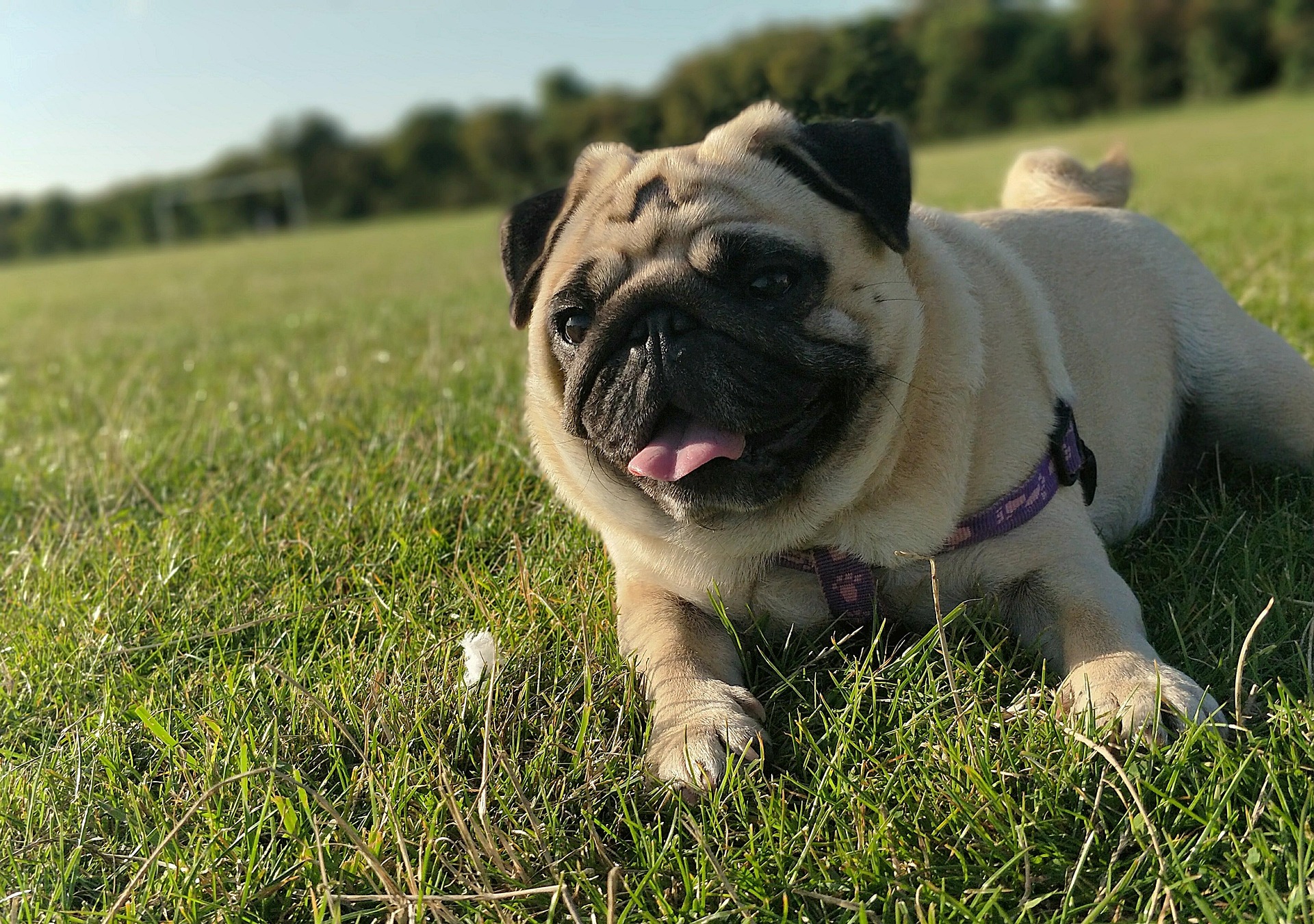
Daily walks aren’t just for exercise — they’re brain trips. Letting your Pug lead and sniff freely provides mental engagement that’s hard to replicate indoors. PetMD
Tips for Enrichment Walks
✔ Go slower and allow sniff exploration
✔ Change your route regularly
✔ Visit new parks or environments when possible
✔ Let them explore safely at their own pace
Walks that emphasize quality over distance help your Pug engage memory, scent, and curiosity — all crucial parts of mental stimulation.
7. Food‑Based Enrichment at Mealtime
Instead of dumping kibble in a bowl, make mealtime part of the mental workout. PetMD
Ideas for Enrichment Feeding
-
Scatter feeding: Spread food across a mat or yard so your dog sniffs it out
-
Slow feeders: Bowls with ridges that make dogs work to get food
-
Lick mats: Spread wet food or treats to make your dog lick and engage longer
These approaches make eating more dynamic and less automatic — great for brain engagement and slower digestion.
8. Social Enrichment with New Experiences
Mental stimulation doesn’t only come from puzzles and treats — new experiences engage your Pug’s brain in ways normal routines can’t. Guide Dogs Site
Examples
✔ Visit a new park or town
✔ Walk in a new neighborhood
✔ Arrange calm playdates with other friendly dogs
✔ Take a short car ride to a pet‑friendly location
Each new smell, sight, and sound challenges your dog’s mind and helps build confidence and adaptability.
9. Rotate Toys and Challenges Regularly
Dogs can get bored with the same activities. Just as humans tire of the same TV show, dogs lose interest when nothing new appears — even if the toy is “new to them.” Pet & Rural Supply Co
Rotation Strategy
✔ Put some toys away for a few weeks
✔ Bring them back as “new” items
✔ Switch interactive puzzles every few days
✔ Change hide spots or treat locations
This makes everyday play feel exciting and fresh, keeping your pug mentally engaged over time.
10. Teach Fun and Useful Tricks
Teaching tricks isn’t just fun — it’s mental training. Tricks such as fetching specific items, “touch” with your hand, or even closing doors provide complex challenges that enrich your Pug’s brain. Dan’s Pet Care
Trick Ideas
✔ “Go find your leash”
✔ Carry a toy to a basket
✔ Ring a bell to go outside
✔ Targeting patterns (touching a hand or object)
Combine treats and praise for motivation, and keep sessions short to prevent stress.
11. Combine Physical and Mental Activity
Mental stimulation often works best when paired with physical exercise — even for breeds like Pugs that need moderate activity. For example: Guide Dogs Site
-
Scent walks
-
Fetch with commands
-
Agility challenges adapted to indoor space
Combining brain and body work keeps your Pug fulfilled and decreases behavioral issues from excess energy or boredom.
12. Build a Routine That Includes Stimulation
Consistency matters. Create a daily enrichment routine so your Pug knows when to expect play, training, and engagement. A sample daily plan could be:
✔ Morning scent walk (10–15 min)
✔ 5‑minute trick training
✔ Interactive puzzle or feeder at lunch
✔ Hide‑and‑seek in the afternoon
✔ Evening training or small obstacle game
This balances mental and physical needs without overexertion.
Tips to Avoid Overstimulation or Frustration
Though enrichment is beneficial, too much too fast can overwhelm your Pug. Start simple and tailor activities to your dog’s preferences. Watch for signs of irritation or disinterest and try new games instead.
✔ Introduce challenges slowly
✔ Reward successes generously
✔ Keep sessions fun and positive
✔ Adjust games for age and energy level
Conclusion: An Engaged Mind Is a Happy Pug
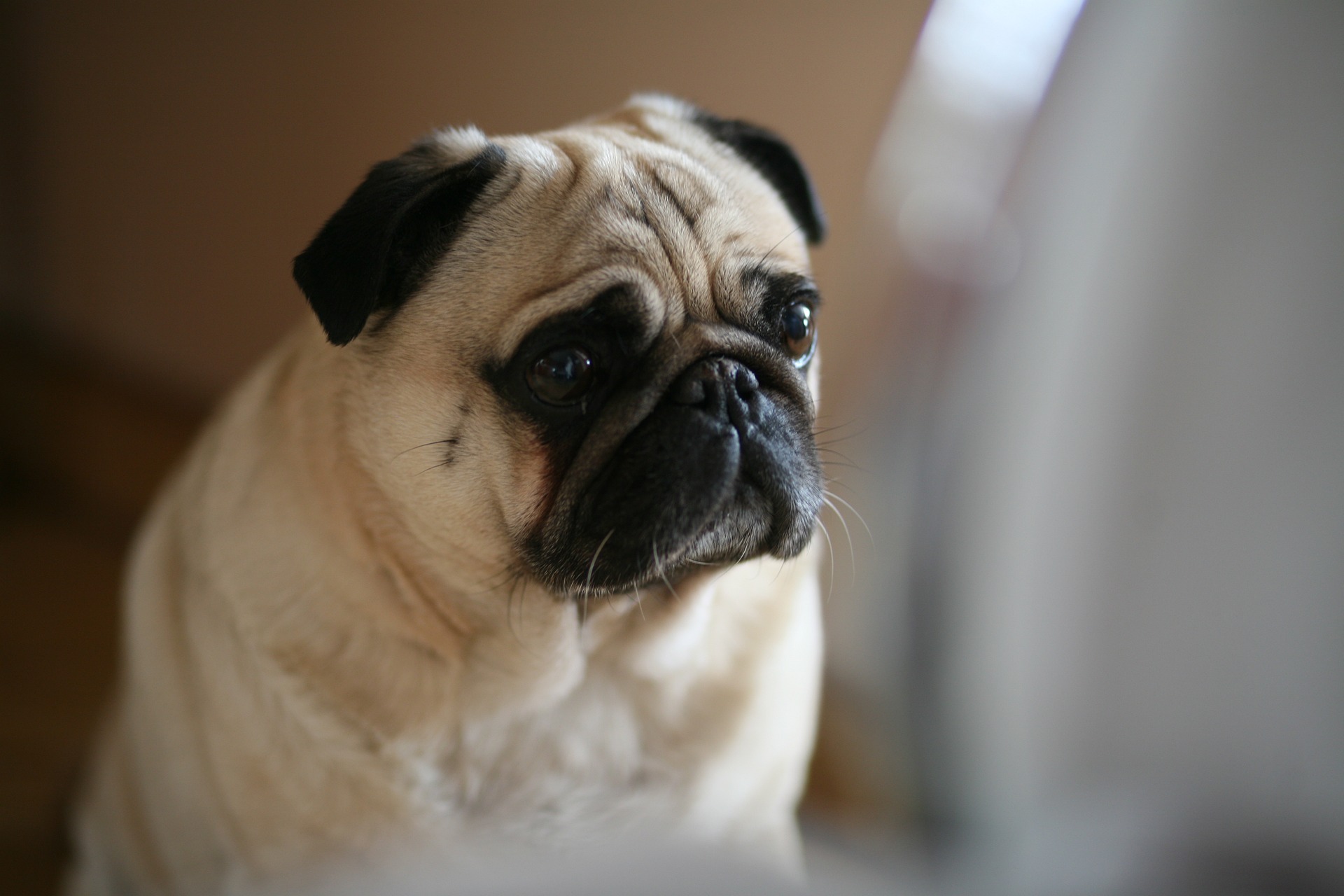
Keeping your Pug mentally stimulated is not a luxury — it’s a daily need that supports emotional well‑being, physical health, and behavioral balance. With consistent engagement using games, puzzles, scent work, training, and varied routines, your Pug can live a richer and more fulfilling life. Vets Love Pets
Whether through hide‑and‑seek, snuffle mats, fresh learning challenges, or thoughtful enrichment walks, these activities keep your Pug curious, confident, and happily occupied every day.
Sources & Further Reading
🔗 Easy Tips to Mentally Stimulate Your Dog — VetsLovePets (interactive games, hide‑and‑seek, treat hunting) Vets Love Pets
🔗 10 Dog Enrichment Activities at Home — Pet & Rural Supply Co (foraging, puzzles, nose games) Pet & Rural Supply Co
🔗 Fun Ways to Engage Your Dog’s Mind — Petzlover (puzzle toys, food dispensers) Petzlover
🔗 Signs Your Pug Is Bored — and How to Fix It — Pug Boxes (interactive toys, training sessions) Pug Box
🔗 Mental Stimulation for Dogs: Vet‑Approved Advice — PetMD (hide‑and‑seek, scent walks, scatter feeding) PetMD
🔗 Brain Games & Enrichment Ideas — Canine Brain Games (DIY puzzles, scent work, scatter feeding) Ashlie Adams
🔗 Enrichment Ideas for Dogs — Guide Dogs (training, scent games, rotating toys) Guide Dogs Site