The Pug is one of the most recognizable and beloved small dog breeds in the world. With its wrinkly face, big expressive eyes, and charmingly compact body, it’s no wonder millions of people adore this breed. But beneath this adorable exterior lies a series of unique health challenges that every Pug owner should understand. From breathing difficulties to eye conditions and joint problems, knowing what to watch for can make all the difference in your dog’s quality of life.
In this comprehensive guide, we’ll explore every major health concern Pugs are prone to, explain the symptoms to look for, and offer practical prevention and management tips so you can help your Pug live a longer, healthier life.
1. Brachycephalic Obstructive Airway Syndrome (BOAS)
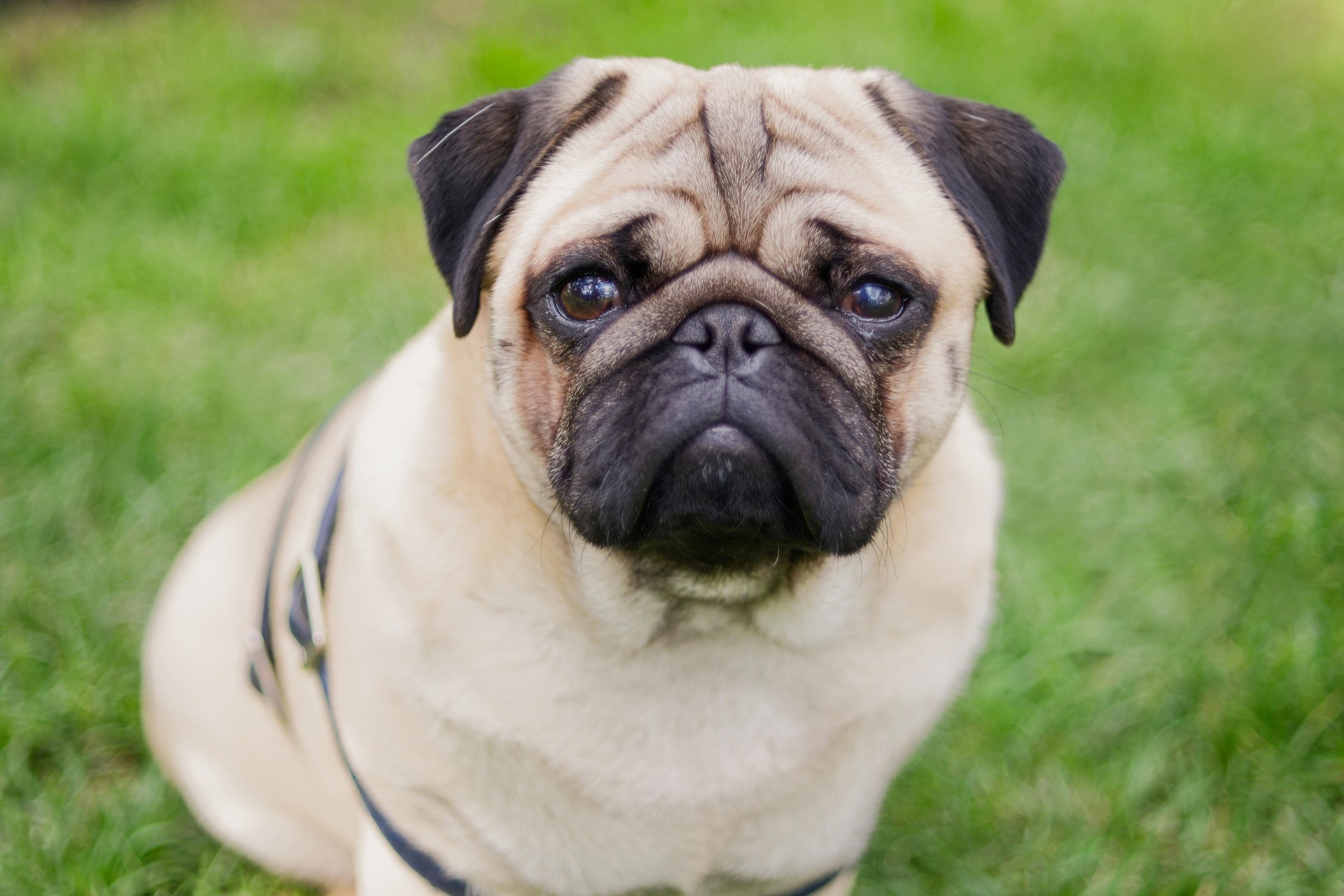
One of the most pervasive health challenges in Pugs stems directly from their iconic appearance: their flat, short muzzle. Pugs are a brachycephalic breed, meaning they have a compressed skull and nasal structure. While this characteristic gives them that adorable “squished face,” it often results in serious airway and breathing problems.
What is BOAS?
Brachycephalic Obstructive Airway Syndrome (BOAS) is a condition caused when the bones and soft tissues in a dog’s airway are malformed, narrowed, or oversized, making breathing difficult. Nearly all Pugs show some degree of respiratory restriction due to BOAS. Canine Journal
Common Symptoms
Look out for:
-
Loud snoring and wheezing
-
Labored or noisy breathing, especially when excited or stressed
-
Exercise intolerance
-
Avoidance of physical activity
-
Gagging or retching
-
Cyanosis (blue‑tinted gums or tongue)
Why It Matters
BOAS increases the risk of heatstroke, especially because dogs cool themselves by panting. When airway function is compromised, they cannot cool efficiently, making them vulnerable to overheating in warm weather. PetMD
Management Tips
-
Limit strenuous exercise.
-
Keep your Pug cool in hot weather.
-
Provide plenty of shade and water.
-
Consult your veterinarian about possible surgical options (such as widening nostrils or shortening the soft palate).
To learn more about BOAS and how it affects dogs like Pugs, check out 10 Common Pug Health Problems Every Owner Should Know on Canine Journal. Canine Journal
2. Heat Intolerance and Overheating
Pugs struggle with heat far more than many other breeds because of their restricted airway and limited ability to cool themselves through panting. PetMD
Why Are They at Risk?
Dogs cool themselves primarily by panting. For Pugs, restricted nasal passages and shortened tracheas make panting less effective, meaning their bodies retain heat more easily. Combine this with thick body mass and minimal heat dispersion, and you have a dog that can rapidly overheat in warm conditions.
Signs of Heat Distress
Watch for:
-
Excessive panting
-
Drooling
-
Weakness or disorientation
-
Vomiting
-
Collapse
If your Pug shows any signs of heatstroke, seek veterinary help immediately.
Prevention
-
Avoid outdoor activity in hot, humid weather.
-
Use air conditioning or shade at home.
-
Never leave your dog in a parked car—even for a short time.
-
Provide fresh, cool water at all times.
3. Eye Problems
The Pug’s characteristic large, round eyes are undeniably cute, but they also pose a significant health risk. These protruding eyes are not well protected by the skull, leaving them vulnerable to injury and disease.
Common Eye Conditions in Pugs
According to breed health resources, Pugs are prone to:
-
Corneal ulcers
-
Proptosis (eye displacement)
-
Entropion (inward‑rolling eyelids)
-
Dry eye (keratoconjunctivitis sicca)
These can lead to pain, infection, and in severe cases, vision loss. PetPlace+1
Signs to Watch For
-
Red or irritated eyes
-
Excessive tearing or discharge
-
Squinting or frequent blinking
-
Cloudy or bluish appearance
Care and Prevention
-
Check your Pug’s eyes daily for debris or signs of redness.
-
Use a warm, damp cloth to gently clean the area around the eyes.
-
Avoid rough play that could result in eye trauma.
-
Visit your veterinarian for routine eye exams.
4. Skin Problems and Allergies
Pugs have many deep facial wrinkles and folds. While these add to their beguiling expression, they can trap moisture, dirt, and bacteria, creating an ideal environment for skin infections and dermatitis.
Common Skin Issues
-
Skin fold dermatitis
-
Allergic reactions (environmental or food)
-
Hot spots
Skin problems are among the most frequently reported conditions in surveys of Pug owners. Pet Pug Dog
Symptoms to Watch For
-
Redness, inflammation, or sores in skin folds
-
Odor or discharge from wrinkles
-
Excessive licking or scratching
-
Hair loss or scaly patches
Prevention and Care
-
Clean folds with a damp cloth daily, then dry thoroughly.
-
Bathe your Pug with a gentle, veterinarian‑recommended shampoo.
-
Consult your vet if skin irritation persists or worsens.
For more detail on how allergies can affect Pugs, see 10 Common Pug Health Problems You Need to Be Aware Of on PawPurity. PawPurity
5. Ear Infections
Pugs have narrow ear canals that trap moisture and debris more easily than those of many other breeds. This makes them more susceptible to yeast and bacterial ear infections.
Signs of Ear Trouble
-
Persistent scratching at ears
-
Head shaking
-
Dark discharge
-
Foul smell
Prevention
-
Clean ears regularly with a vet‑approved cleanser.
-
Avoid getting water inside the ears during baths.
-
Don’t overclean—too much cleaning can irritate the ear canal.
6. Dental Disease
A Pug’s small jaw houses the same number of teeth as larger dogs, often leading to crowding, plaque buildup, gum disease, and tooth loss.
Common Dental Issues
-
Periodontal disease
-
Bad breath
-
Loose or broken teeth
Symptoms to Watch For
-
Discolored teeth or visible tartar
-
Red, swollen gums
-
Trouble chewing
-
Excessive drooling
Prevention
-
Brush your Pug’s teeth daily with dog‑safe toothpaste.
-
Provide dental chews as recommended by your veterinarian.
-
Schedule routine professional cleanings.
For more on dental care, see the Pug health overview on PetMD. PetMD
7. Orthopedic Issues
Despite their tiny legs, Pugs can experience significant joint and bone problems. These can affect their ability to move comfortably and participate in normal daily activities.
Common Joint Conditions
-
Hip dysplasia – abnormal hip socket development that leads to arthritis and lameness. Wikipedia
-
Patellar luxation – kneecap slipping out of place. PawPurity
-
Legg‑Calvé‑Perthes disease – damage to the hip joint’s blood supply, leading to bone weakening. PawPurity
Signs to Watch For
-
Limping or favoring a limb
-
Stiffness after resting
-
Difficulty standing or climbing stairs
Prevention and Management
-
Maintain a healthy weight to avoid excess pressure on joints.
-
Use vet‑approved joint supplements.
-
Provide moderate, low‑impact exercise.
-
Seek veterinary advice at early signs of discomfort.
8. Neurological Disorders (Pug Dog Encephalitis)
One of the most serious health conditions Pugs may face is Pug Dog Encephalitis (PDE), also known as necrotizing meningoencephalitis (NME). This fatal disorder involves inflammation of the brain and spinal cord and is believed to have a genetic component.
Symptoms of PDE
-
Seizures
-
Disorientation
-
Circling behavior
-
Loss of coordination
PDE is rare but devastating, and there is no known cure. Early diagnosis and supportive care from a veterinarian can help manage symptoms. Bonza
9. Hemivertebrae and Spinal Problems
Pugs can inherit abnormal spinal bone structures called hemivertebrae, where the vertebrae form in a wedge or V shape instead of straight. These can impinge on the spinal cord and lead to pain, nerve issues, or even paralysis.
Signs to Watch For
-
Weakness or dragging of the hind legs
-
Pain when touched near the spine
-
Sudden changes in mobility
If you notice any neurological symptoms, seek veterinary care promptly. Wikipedia
10. Obesity
Pugs are notorious food lovers and low‑energy couch companions. Unfortunately, their propensity to gain weight can worsen many of the conditions described above, including breathing problems, heat intolerance, joint disorders, and even diabetes. Pet Pug Dog
Prevention
-
Feed a balanced diet tailored to your Pug’s age and activity level.
-
Avoid feeding too many treats.
-
Keep portions in check.
-
Provide daily walks and play sessions that suit your dog’s abilities.
11. Hypothyroidism and Other Hormonal Issues
Conditions like hypothyroidism (low thyroid hormone levels) can affect Pugs, leading to symptoms such as weight gain, lethargy, hair loss, and skin changes. Regular vet check‑ups and blood tests can help catch these issues early. Lancaster Puppies
12. Reproductive and Delivery Problems
Because of their body structure, Pugs often require cesarean sections during birth. Their broad heads and narrow pelvises can make natural delivery unsafe for the puppies and the mother. Lancaster Puppies
Preventive Care and Early Detection
Understanding common health risks is only the beginning. The best strategy you can adopt as a Pug owner is proactive, preventive care:
Routine Veterinary Visits
Frequent veterinary check‑ups help catch early signs of illness before they become serious. Discuss breed‑specific risks with your vet so they can tailor a health plan.
Vaccinations and Parasite Control
Keep vaccinations, heartworm prevention, and flea/tick treatments up to date.
Regular Grooming
Daily attention to facial wrinkles, ears, eyes, and teeth can prevent minor issues from becoming infections.
Weight and Diet Management
A balanced diet and controlled portion sizes help prevent obesity and related conditions.
Proper Exercise
Short, controlled walks and gentle play help maintain muscle tone and healthy weight without overtaxing the respiratory system.
Conclusion
Pugs are affectionate, loyal, and delightfully quirky companions—but they come with a higher risk of certain health problems than many other breeds. Because of their unique anatomy and genetics, they are especially prone to breathing difficulties, eye and skin problems, dental disease, orthopedic issues, obesity, and serious neurological disorders. PetMD+1
As a Pug owner, knowing the signs and symptoms of these problems and taking action early can drastically improve your dog’s quality of life. Regular vet visits, proper grooming, a healthy diet, and appropriate exercise all contribute to keeping your Pug happy and healthier for longer.
Your Pug doesn’t have to suffer silently. With awareness, vigilance, and love, you can help them thrive despite the common health challenges this breed faces.
Useful Links for Further Reading
✔️ PetMD – Pug Dog Breed: Health, Care, and Lifestyle
https://www.petmd.com/dog/breeds/pug PetMD
✔️ PetPugDog – Pug Dog Health: Common Problems with the Breed
https://www.petpugdog.com/pug-dog-health Pet Pug Dog
✔️ Canine Journal – 10 Common Pug Health Problems
https://www.caninejournal.com/pug-health-issues/ Canine Journal
✔️ Wikipedia – Pug: Health Problems and Genetics
https://en.wikipedia.org/wiki/Pug Wikipedia
✔️ PawPurity – Pug Health Conditions Explained
https://pawpurity.com/blogs/pugs-health-problems/10-common-pug-health-problems-you-need-to-be-aware-of PawPurity