Golden Retrievers are consistently celebrated as one of the world’s friendliest and most beloved dog breeds. From acting as lifelong family companions to serving as therapy dogs in hospitals and care facilities, their reputation for warmth, loyalty, and sociability is more than folklore — it’s supported by science, breeding history, and real‑world experience. In this detailed, AdSense‑friendly article, we’ll explore why Golden Retrievers are one of the friendliest dog breeds, backed by reliable information and links to trusted sources throughout.
Introduction: A Breed Known for Its Heart
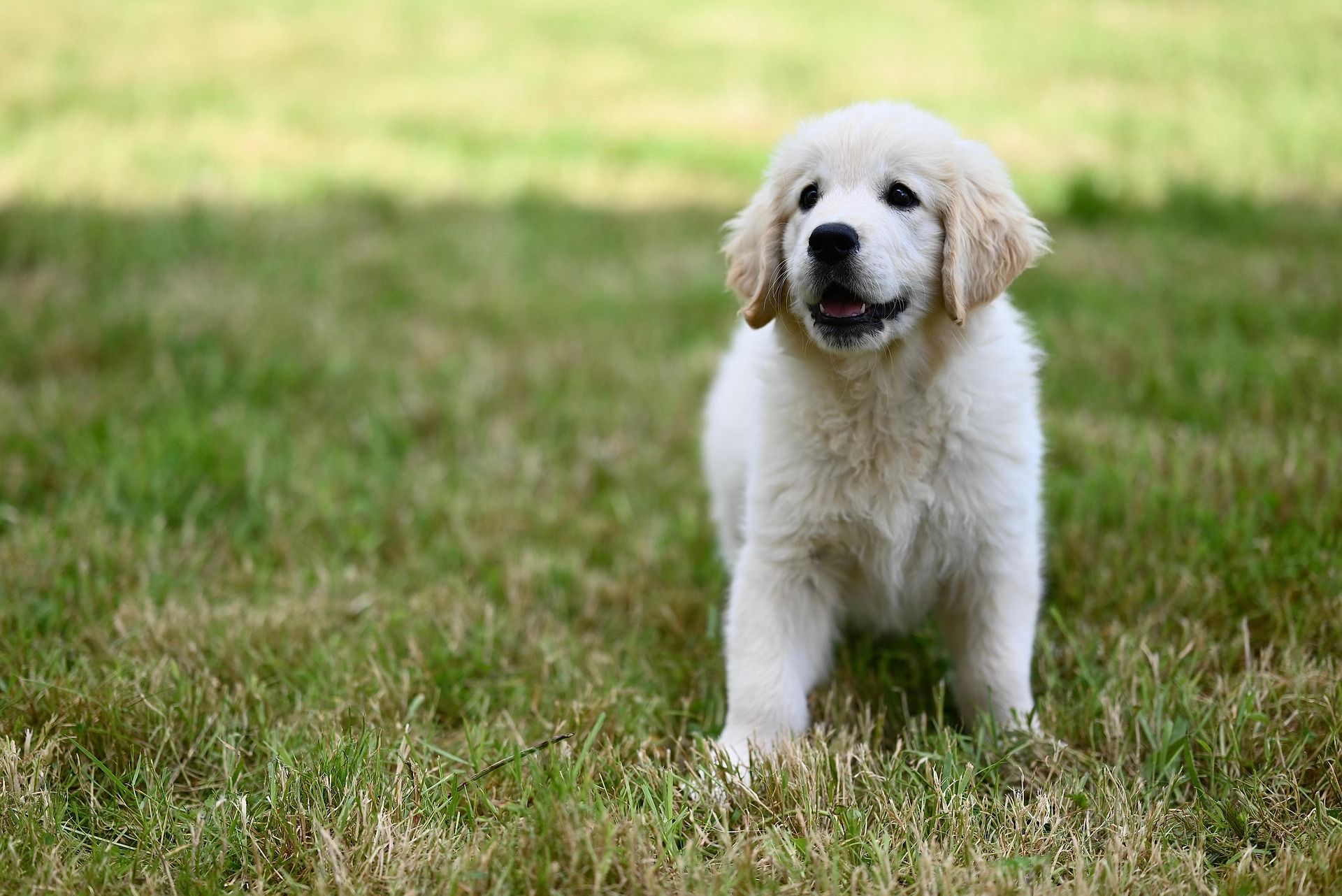
Golden Retrievers have charmed millions of people across generations with their gentle nature, sparkling personalities, and loving disposition. Whether greeting a stranger with a wagging tail, patiently playing with children, or snuggling up with a family member after a long day, Goldens are often described as “people‑dogs” — dogs who seem to have been made to enjoy human company.
This friendliness isn’t accidental. It’s the result of centuries of selective breeding, innate temperament traits, and biological wiring that supports social bonding and cooperation with humans. In fact, Golden Retrievers regularly rank near the top of friendliness and sociability indexes among all dog breeds. Forbes
Let’s explore what makes this breed so special and why they’ve become such universal favorites.
1. What Does “Friendly” Mean in a Dog Breed?
Before we focus specifically on Golden Retrievers, it’s helpful to define what “friendly” means in the context of dog behavior.
A friendly dog typically:
-
Approaches people and animals calmly and positively
-
Is tolerant of touch and interaction
-
Displays minimal aggression or fear
-
Wags its tail and seeks engagement
-
Responds to social cues from humans and other dogs
These observable traits are grounded in temperament, genetics, and early learning. When a breed consistently exhibits these qualities across individuals, trainers and scientists describe that breed as having a “friendly disposition.”
Golden Retrievers are often cited as a top‑tier example of this temperament — loving family companions, patient with strangers, and open to interaction across settings. PetFriendly.com
2. A Historical Foundation of Sociability
Golden Retrievers were developed in 19th‑century Scotland by Sir Dudley Marjoribanks (later Lord Tweedmouth). Their original purpose was to retrieve game birds during hunts — a job that required close cooperation with humans, obedience, and calm behavior around other people and animals. outlinist.com
This working background meant early breeders selected for dogs that were unshakably calm, highly trainable, and attentive to human direction. Dogs that showed fear, aggression, or unpredictability were unsuitable for the task — and thus less likely to be bred. Over generations, this created a lineage of dogs with a natural affinity for humans and cooperative work.
This early connection to human partners laid a biological and behavioral foundation for the breed’s modern reputation as exceptionally sociable and friendly.
3. Temperament Traits That Make Goldens So Friendly
Golden Retrievers possess several key temperament characteristics that contribute to their friendly nature:
3.1. Naturally Sociable
Golden Retrievers enjoy the company of people and other animals. They tend to approach familiar faces and strangers alike with curiosity and warmth rather than suspicion. DogTime
3.2. Gentle and Patient
Their temperament is consistently described as calm and gentle — especially around children and elderly family members. This patience makes them ideal family dogs and excellent playmates for kids. Veterinary Care at Your Fingertips
3.3. High Emotional Intelligence
Goldens are adept at reading human social cues and emotions. They can sense when a person is sad, happy, or anxious, and often respond in comforting ways — a trait that makes them excellent companions and therapy dogs. The Happy Dog Life
3.4. Eager to Please
This breed has a strong desire to work with and please its owner, which makes training rewarding and reinforces the human‑dog bond. Good Dog
3.5. Low Aggression
Goldens are known for their minimal aggression or defensiveness, traits that make them unlikely to respond to fear or strangers with hostility. Forbes
These traits combine to create a breed that not only enjoys human interaction but actively seeks it, often going out of their way to connect with people — even strangers.
4. The Biology Behind Canine Friendliness
While environment and training are crucial, science shows that biology also plays a role in the Golden Retriever’s friendly behavior.
Researchers have identified genes and hormonal responses linked to sociability in dogs — and Golden Retrievers seem to score highly in several of these areas:
4.1. Genetic Markers for Social Behavior
Studies have found that certain genetic markers, especially around the oxytocin receptor gene (OXTR), are associated with social behavior in dogs. Golden Retrievers are more likely than many other breeds to show increased expression of these markers, suggesting a biological predisposition toward social engagement and cooperation with humans. Pet Daily
4.2. Oxytocin and Emotional Bonding
Oxytocin, sometimes called the “love hormone,” plays a key role in social bonding between mammals. When dogs interact positively with humans (through eye contact, touch, play, or training), oxytocin levels rise in both dog and human brains. Some research suggests that this mutual hormonal feedback loop may be stronger in breeds like Golden Retrievers — reinforcing attachment and friendliness. Pet Daily
While no single hormone or gene “determines” friendliness, these biological factors provide a credible framework for understanding why Golden Retrievers often behave with such open affection toward people.
5. Friendliness in Real Life: Family and Social Settings

One of the most striking aspects of Golden Retriever friendliness is how it plays out in everyday life.
5.1. Great with Children
Golden Retrievers are widely recommended as family dogs because of their gentle demeanor around children. Their patience, playful energy, and tolerance often make them excellent companions for kids of all ages. Veterinary Care at Your Fingertips
5.2. Friendly to Strangers
Unlike some breeds that are aloof or wary of unfamiliar faces, most Golden Retrievers greet new people with interest and welcome attention rather than fear or aggression. This makes them excellent household ambassadors — and delightful companions in public settings. PetFriendly.com
5.3. Good with Other Animals
Golden Retrievers typically get along well with other pets, from dogs to cats and even smaller animals, especially when socialized early. Their tolerant nature reduces territorial behavior and promotes peaceful interactions. Pet YOLO
This adaptability makes them excellent choices for multi‑pet households and busy family environments.
6. Intelligence and Trainability Reinforcing Friendliness
Friendliness doesn’t exist in a vacuum — it’s often intertwined with intelligence and trainability. Golden Retrievers are consistently ranked among the most intelligent and trainable breeds in the world. Good Dog
Their intelligence makes them quick learners, and their eagerness to please means they thrive on positive reinforcement. This combination not only produces well‑behaved pets but also dogs that associate human interaction with positive outcomes and mutual enjoyment, further strengthening their friendly tendencies.
A well‑trained dog is more confident, socially adaptable, and comfortable around people — all traits that reinforce the Golden Retriever’s reputation as a friendly breed.
7. Golden Retrievers in Therapy, Service, and Assistance Roles
One of the best real‑world demonstrations of Golden Retriever friendliness is found in their popularity as therapy and service dogs.
Because of their calm temperament, emotional sensitivity, and ability to connect with humans, Golden Retrievers often serve in:
✔ Therapy dog programs
✔ Assistance for people with disabilities
✔ Emotional support roles
✔ Hospital and hospice visits
✔ School and library reading programs
These roles demand dogs that are comfortable around strangers, gentle with human contact, and capable of emotional attunement — traits Golden Retrievers exhibit in abundance. Pet Daily
Their presence in these settings isn’t just anecdotal; it’s based on their proven abilities to interact positively and consistently with people from all walks of life.
8. Selective Breeding and Socialization
Breeders have played an important role in maintaining the Golden Retriever’s friendly temperament. Responsible Golden Retriever breeders prioritize temperament, sociability, and adaptability alongside physical traits. outlinist.com
Key practices include:
-
Early socialization with people and environments
-
Gentle, confidence‑building experiences during puppyhood
-
Avoidance of selecting dogs with aggressive tendencies
This early work helps puppies grow into well‑adjusted, socially confident adults — which deepens the breed’s overall friendliness reputation.
9. Friendliness Compared to Other Breeds
While many dog breeds are sociable and affectionate, Golden Retrievers consistently place near the top of friendliness rankings. In fact, surveys of owners and temperament tests have shown Golden Retrievers scoring exceptionally high in friendliness and low in defensive behavior, dwarfing some breeds known for protective or aloof traits. Forbes
They may not be the absolute friendliest in every category, but their balance of friendliness, trainability, and adaptability keeps them near the very top of any list.
10. The Human Bond: Why Owners Love Them
Part of why Golden Retrievers are viewed as so friendly isn’t just their behavior — it’s the relationship they form with people. Their expressive eyes, wagging tails, and enthusiasm for interaction foster emotional connection. Most owners report that their Golden is not just a pet but a true companion — one that intuitively recognizes moods, joins in activities eagerly, and offers comfort in times of stress. The Happy Dog Life
This human‑dog emotional connection plays a huge role in how friendliness is perceived. A Golden isn’t just calm around people — it genuinely enjoys people.
11. Maintaining a Friendly Golden Retriever
Even a breed as friendly as the Golden Retriever benefits from proper care, socialization, and training:
🐶 Early puppy socialization
📚 Positive reinforcement training
🤝 Regular interaction with people and pets
🐕 Exposure to different environments
These practices help dogs develop confidence, reinforce positive behaviors, and maintain their natural inclination toward sociability.
Responsible care ensures that a friendly temperament remains stable throughout the dog’s life.
Conclusion: Friendliness Built In — and Brought to Life
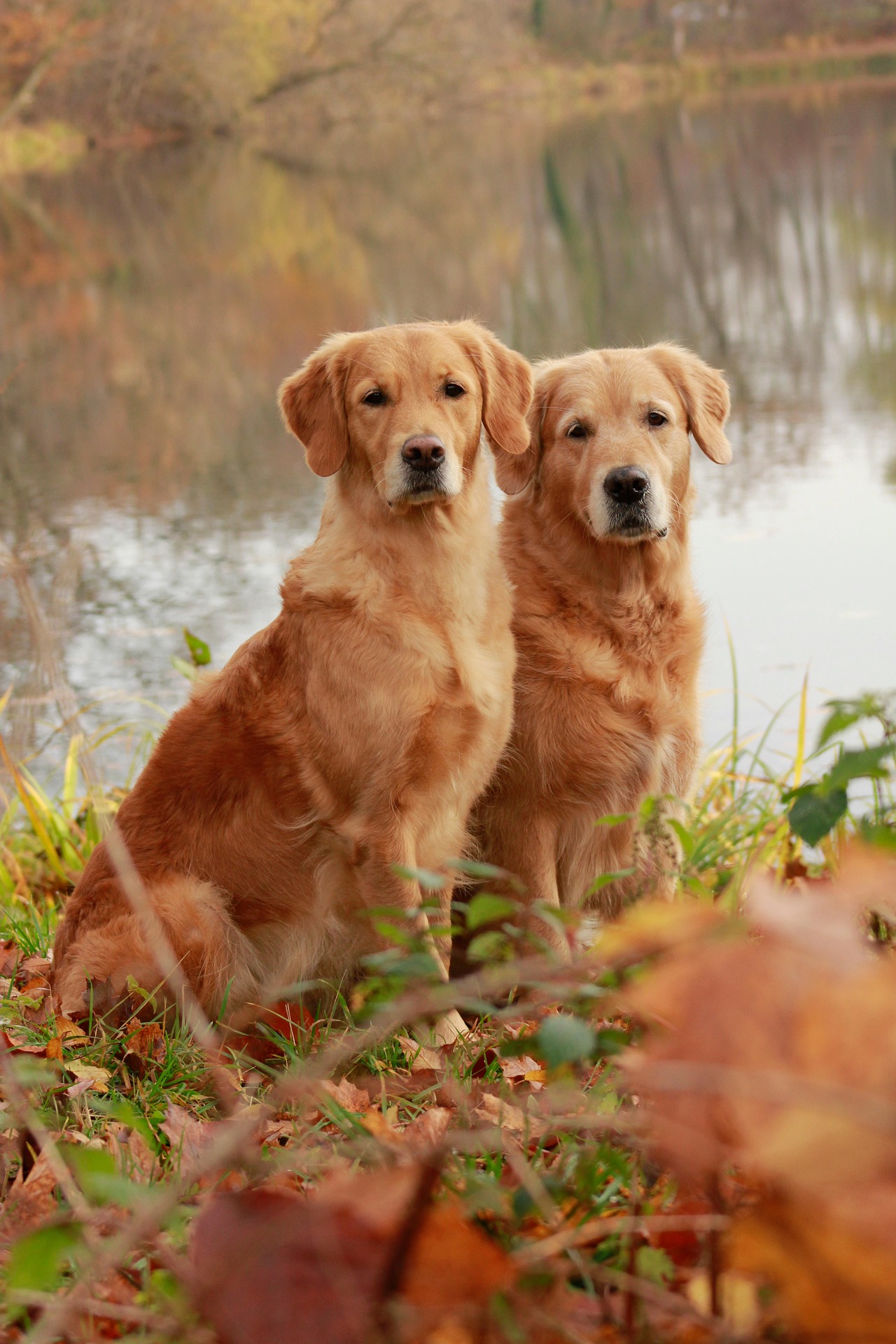
Golden Retrievers have earned their global reputation as one of the friendliest dog breeds through a unique combination of genetics, breeding history, temperament traits, intelligence, and emotional connection to humans. Whether they’re playing with family members, meeting new people, or working as therapy dogs, Golden Retrievers consistently demonstrate warmth, patience, and sociability that few breeds can match.
Their friendliness isn’t just surface‑level — it’s woven into their biology, reinforced through positive experiences with humans, and supported by generations of responsible breeding and socialization. For many dog lovers, that’s why the Golden Retriever isn’t just a pet — it’s a beloved family member and one of the most genuinely friendly companions a human can have.
Sources & Further Reading
✔ “The Friendliest Dog Breeds” — Forbes Advisor: https://www.forbes.com/advisor/pet-insurance/friendliest-dog-breeds/ Forbes
✔ “Why Golden Retrievers Are So Friendly – Science Says It’s Real” — PetDaily.org: https://www.petdaily.org/blogs/news/why-golden-retrievers-are-so-friendly-science-says-it-s-real Pet Daily
✔ Golden Retriever Temperament Profile — GoodDog.com: https://www.gooddog.com/breeds/golden-retriever Good Dog
✔ “Why Golden Retrievers Are So Friendly?” — TheHappyDogLife.com: https://thehappydoglife.com/why-golden-retrievers-are-so-friendly/ The Happy Dog Life
✔ Golden Retriever Breed Info — PetsCare.com: https://www.petscare.com/en-sg/news/faq/which-is-the-no-1-friendly-dog-3 Veterinary Care at Your Fingertips
✔ Additional Breed Traits Profile — WhatsMyDogBreed.com: https://www.whatsmydogbreed.com/golden-retriever What’s My Dog Breed
✔ Golden Retriever Personality Traits Overview — Houndsy.com: https://www.houndsy.com/blogs/modern-tails/exploring-golden-retriever-personality-traits-what-makes-them-so-beloved houndsy.com