Golden Retrievers are arguably one of the most loving, loyal, and affectionate dog breeds in the world. They’re known for their friendly personalities, unwavering loyalty, and their deep emotional bonds with humans. But why are Golden Retrievers so affectionate? Is it just their personality, or is there biology, genetics, and breeding history behind it too?
In this comprehensive guide, we’ll unpack:
-
The origin and history that shaped their temperament
-
The biological and genetic reasons for their affectionate behavior
-
How their temperament traits promote loving relationships
-
How early socialization and training influence bonding
-
What owners can do to nurture that affection
-
Common behaviors that show Golden Retrievers’ love
Throughout, we’ll link to reputable sources so you can trust and explore further. Let’s begin!
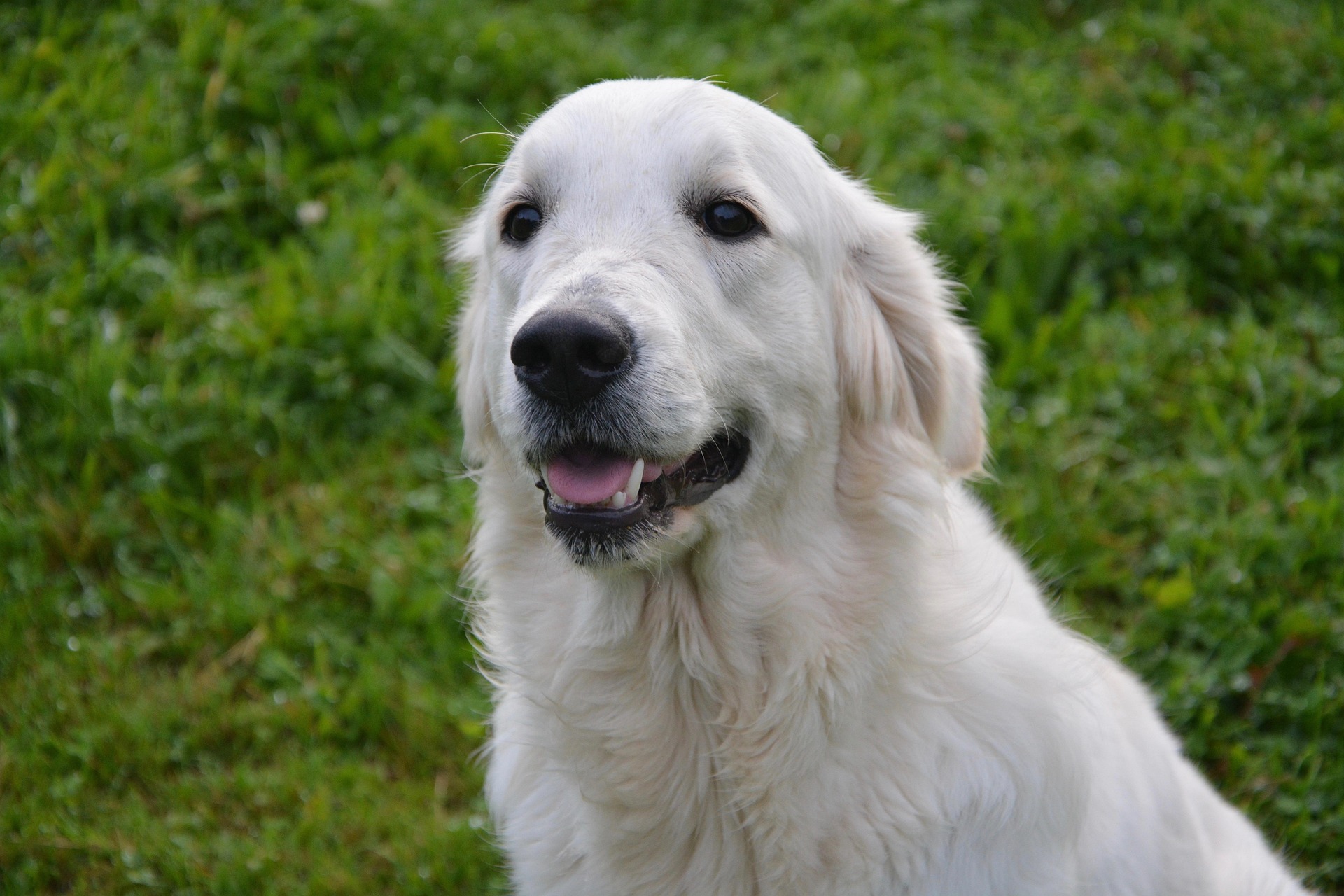
1. Affection Is in Their DNA — Literally
Golden Retrievers didn’t become affectionate by accident — part of their loving nature is biological and genetic.
Studies show that Golden Retrievers have higher expression of oxytocin‑related genes, which impacts social bonding. Oxytocin is a hormone often called the “love hormone” because it promotes attachment and emotional bonding in mammals, including humans and dogs. In Golden Retrievers, this hormonal system appears to be more responsive, making them more sociable and people‑oriented than many other breeds. Pet Daily+1
Oxytocin is released in both dogs and humans during positive interactions — such as eye contact, petting, and play — which reinforces bonding and affection over time. That’s one reason why a Golden will stare lovingly into your eyes or rest their head on your lap. Pet Daily
2. A Breed Bred for People — The Golden Retriever’s Origins
The affectionate nature of Golden Retrievers owes much to their history and selective breeding.
Originally developed in Scotland in the late 19th century, Golden Retrievers were bred to retrieve waterfowl with and for people. Breeders selected for dogs that could work closely with humans, follow cues, and show calm, cooperative temperaments. Those traits — low aggression, high trainability, and eagerness to please — were passed down through generations and still define the breed today. Petchef
Their early roles required:
-
Trustworthy cooperation with hunters
-
Calm temperament around people and other dogs
-
Loyalty to handlers
Over time, these traits became fundamental to the breed’s genetic makeup — which also contributes to their affectionate personalities today. Pet Daily
3. Social by Nature: Why Goldens Thrive on Connection
Golden Retrievers aren’t independent or aloof — they’re social attachment seekers. This comes from a combination of genetics and temperament. Best Pet Facts
3.1 Velcro Dogs — Always Close to You
Golden Retrievers are often described as “velcro dogs” because they like to stick close to their owners, whether that means lying at your feet, walking beside you, or following you room to room. This behavior reflects their strong social bonds and desire to be part of your daily life. Best Pet Facts
3.2 Trusting and Friendly With Strangers
Unlike many dogs that are wary of newcomers, most Golden Retrievers greet strangers with a wagging tail and friendly demeanor. They’re not natural guard dogs — instead, they see humans as potential friends, whether familiar or new. Pet Daily
This openness is part of their affectionate makeup; they are social with a wide range of individuals — family members, visitors, other pets, and even children. Houndsy
4. Temperament Traits That Promote Affection
Several temperament traits make Golden Retrievers predisposed to loving behavior. These traits are recognized widely in breed profiles and temperament studies.
4.1 Gentle and Patient
Golden Retrievers are known for their gentle nature and calm patience, particularly with children and elderly companions. Their tolerant disposition makes affectionate interactions safe and comforting. Houndsy
4.2 Intelligent and People‑Oriented
Goldens are highly intelligent and respond well to cues from humans. They want to understand and please you, which fosters more interactive bonds and emotional connection. Pet Lover Guy
4.3 Loyal and Devoted
Their loyalty isn’t just about obedience — it’s about attachment. Golden Retrievers form deep emotional bonds with their families and often express their love through physical closeness, eye contact, and greeting behaviors. Pet Lover Guy
4.4 Playful and Energetic
Their playful nature contributes to affectionate bonds through shared activities like fetch, running, and outdoor play. When dogs play with us, it encourages mutual enjoyment and positive association. Houndsy
5. Affectionate Behavior in Action: How Goldens Show Love

Golden Retrievers demonstrate affection in many observable ways. Here are the most common behaviors owners recognize:
5.1 Physical Closeness and Cuddling
Most Goldens love physical affection — leaning on you, curling up next to you, or seeking belly rubs. This behavior is a sign of trust and comfort, much like how humans show closeness. IERE
Cuddling releases oxytocin in both the dog and the human, reinforcing the emotional bond. This feedback loop strengthens their loyalty and desire for closeness over time. Pet Daily
5.2 Greeting Enthusiastically
When you come home, many Golden Retrievers greet you with wagging tails, excited behavior, and happy vocalizations. This joyful greeting is a reflection of their genuine happiness at your return. Outlinist
5.3 Gently Comforting Their Humans
Golden Retrievers are known for emotional responsiveness — sensing when you’re sad or stressed and adjusting their behavior to offer comfort, such as sitting close or resting their head on your lap. Pet Daily
5.4 Following You Around
Because they form strong attachments, Goldens often follow their people around the house, in the yard, or on walks. This behavior indicates that they value proximity and enjoy companionship. Best Pet Facts
6. How Socialization and Upbringing Strengthen Affection
While genetics provide the potential for loving behavior, early experiences also shape how that affection is expressed.
6.1 Early Socialization
Breeders and trainers often emphasize early socialization — exposing puppies to different people, environments, and friendly interactions. This helps Golden Retrievers develop confidence and extend their affection to a variety of social situations. Outlinist
6.2 Family Interaction
Goldens that grow up with regular family interaction — playtime, physical affection, structured routines — tend to be more secure and emotionally available as adults. Positive reinforcement and nurturing experiences amplify their affectionate nature. Outlinist
7. Affection and Therapy Work: A Natural Fit
The breed’s affectionate temperament makes Golden Retrievers excellent candidates for therapy, service, and emotional support roles.
Because they are:
-
Calm
-
Gentle
-
Responsive to human emotions
-
Comfortable with physical contact
…they’re frequently used in therapeutic settings such as:
-
Hospital visits
-
Elderly care
-
PTSD or trauma support
-
Autism assistance programs Pet Daily
Their ability to connect with diverse individuals highlights just how deeply their affectionate traits can impact people beyond the home.
8. The “Velcro Dog” Phenomenon: Why They Stay Close
Golden Retrievers are often described as “velcro dogs” — meaning they want to stay physically and emotionally close to their family. This doesn’t mean they’re clingy in an unhealthy way, but rather that they thrive on companionship and shared activities. Best Pet Facts
Because of this:
-
They often choose to sit near you rather than alone
-
They may follow you from room to room
-
They enjoy engaging in play, training, or relaxation alongside you
Their emotional attunement means they enjoy being part of your daily life — and their behavior reflects that deep affinity.
9. Some Myths and Realities About Golden Retriever Affection
While Golden Retrievers are beloved for affection, it’s important to understand what that affection means and avoid unrealistic expectations.
Myth: All Goldens Are Constantly Cuddling
While many are loving and enjoy physical closeness, individual personality matters. Some Goldens may show affection in less overt ways — following you, staying nearby, or simply responding positively to your mood. iHeartDogs.com
Myth: They Love Strangers More Than Their Family
Golden Retrievers are friendly with strangers, but most will still show stronger emotional attachment to their family members, even though they may greet anyone warmly. Best Pet Facts
Reality: Affection Is a Combination of Nature and Nurture
Genetics, socialization, upbringing, and personal experiences all contribute to how a Golden Retriever expresses love. Understanding this helps owners support and nurture that affection in balanced ways. Best Pet Facts
10. How to Nurture Your Golden Retriever’s Affection
Golden Retrievers are naturally affectionate, but your care, training, and the environment you provide can enhance that bond:
Positive Reinforcement and Training
Use praise, treats, and gentle cues to build trust and positive associations. These dogs want to please and respond well to kindness. Pet Lover Guy
Quality Time and Interaction
Spend time playing, walking, and simply being present — affection grows from shared experiences. Best Pet Facts
Gentle Socialization
Introduce your dog gradually to new people and animals so they can develop confidence and expand their loving circle. Outlinist
Comfort and Security
Affection thrives when a dog feels safe and secure in their home and routines. Provide stable care, sleeping areas, and mental stimulation. Houndsy
11. Golden Retrievers in Family Life: A Loving Legacy
Golden Retrievers are often recommended for family homes, especially ones with children. Their gentle, patient, and affectionate temperament makes them great playmates as well as calming companions. All Dog Needs
Many owners describe their Goldens as:
-
Patient with younger family members
-
Playful yet gentle
-
Loyal to each family member
-
Emotionally responsive in both play and comfort scenarios
This balance of energy and calmness makes them ideal partners in everyday life and deep emotional bonds.
12. Conclusion: Why Golden Retrievers Are So Affectionate
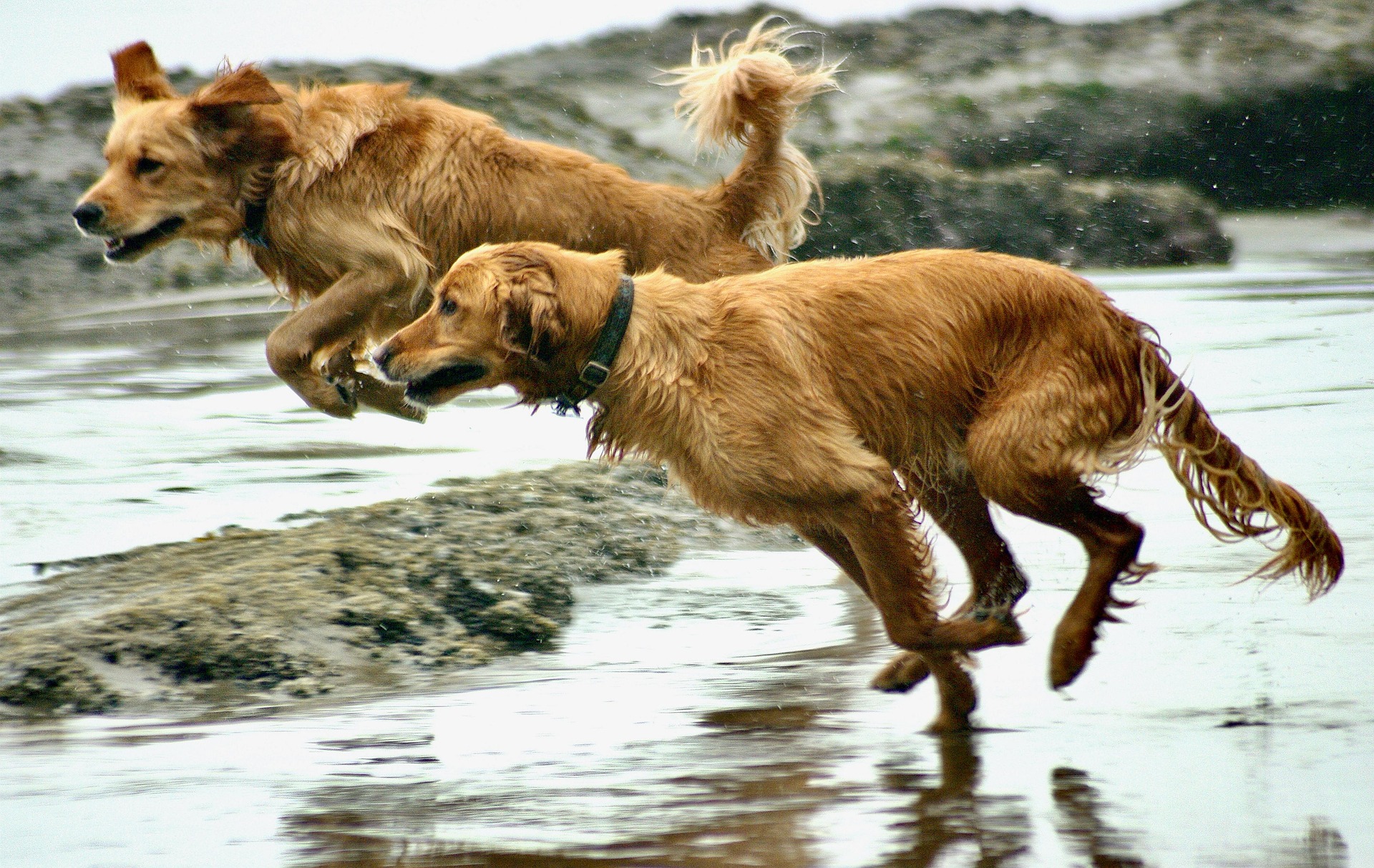
Golden Retrievers aren’t just “cute” dogs — they are biologically, historically, and temperamentally wired to form strong, loving bonds with humans. Their affectionate nature comes from a combination of:
✔ Genetics — a predisposition toward social bonding and oxytocin responses
✔ Breeding history — selected for human cooperation
✔ Temperament traits — loyalty, gentleness, and sociability
✔ Upbringing and socialization — early positive experiences with people
✔ Emotional intelligence — sensitivity to human cues and moods
Their affectionate behavior isn’t just apparent — it’s deeply rooted in who they are as a breed. If you want a loving, loyal, and emotionally attuned dog that enjoys being part of your life, a Golden Retriever is a breed that hits all those marks.
Sources & Further Reading
🔗 Why Golden Retrievers Are So Friendly – Science Says It’s Real — PetDaily (oxytocin, genetics, friendliness) Pet Daily
🔗 Why Are Golden Retrievers So Friendly? — Outlinist (temperament and breeding) Outlinist
🔗 11 Key Characteristics That Make Goldens Beloved Pets — PetLoverGuy (intelligence, loyalty) Pet Lover Guy
🔗 Golden Retriever Breed Surprising Traits — LoveGoldens (affectionate and obedient) lovegoldens.com
🔗 Golden Retriever Temperament – Personality Traits — Houndsy (friendly, loyal, patient) Houndsy
🔗 Do Golden Retrievers Like to Cuddle? — IERE (cuddling and physical bonding) IERE
🔗 Golden Retriever Dog Breed Profile — GoodDog (friendly temperament overview) Good Dog
🔗 Golden Retriever Personality – Affection and Socialization — BestPetFacts Best Pet Facts