Golden Retrievers are beloved for their friendly, loyal hearts and shiny, eager personalities — but even the most perfect‑looking pup can develop behavior problems if their instincts, energy, or needs aren’t met. Just like humans, dogs communicate through behavior, and undesirable actions are often a dog’s way of expressing confusion, boredom, fear, or lack of training. The good news? Most behavior problems in Golden Retrievers can be corrected or greatly reduced with the right understanding and techniques. Golden Compass+1
In this article, you’ll learn about the most common Golden Retriever behavior issues, why they happen, and how to fix them with practical, proven methods. Whether you’re a first‑time owner or you’ve had Goldens for years, these insights will help you build a calmer, more confident, and better‑behaved companion.

Table of Contents
-
Why Golden Retrievers Develop Behavior Problems
-
Problem #1: Leash Pulling — Walks That Pull You Around
-
Problem #2: Jumping on People
-
Problem #3: Excessive Barking
-
Problem #4: Hyperactivity and Destructive Behavior
-
Problem #5: Separation Anxiety
-
Problem #6: Demanding Attention
-
Problem #7: Resource and Possessive Issues
-
Problem #8: Fear or Reactivity in New Situations
-
Long‑Term Solutions: Training, Exercise, and Enrichment
-
When to Seek Professional Help
-
Conclusion
1. Why Golden Retrievers Develop Behavior Problems
Golden Retrievers are social, energetic, and intelligent dogs — traits that make them wonderful companions but also mean they need appropriate outlets for their energy and mental stimulation. Without sufficient exercise, training, or social interaction, unwanted behaviors can emerge simply because your dog is bored, anxious, overstimulated, or confused. Puppy In Training
Understanding the underlying reason behind a behavior is the first step toward fixing it. Dogs don’t act out to be “bad” — they act based on what works, what feels safe, and what meets their emotional or physical needs. Golden Compass
2. Problem #1: Leash Pulling — Walks That Pull You Around
One of the most common complaints from Golden Retriever owners is that walks become tug‑of‑war battles rather than relaxing outings. Golden Compass
Why It Happens
-
Dogs pull because they learned it works — reaching sights, smells, and freedom faster. Golden Compass
-
Goldens are enthusiastic and curious, which makes them eager to explore. Puppy In Training
-
Lack of early leash training reinforces the habit.
How to Fix It
-
Start calm: Only begin walking when your dog is settled, not excited. Golden Compass
-
Teach loose‑leash walking: Stop immediately when your dog pulls and only resume when the leash is slack. Reward calm walking. Golden Compass
-
Use better equipment: A front‑clip harness or structured collar can improve communication and reduce strain. Golden Compass
-
Practice regularly in low‑distraction areas, then build up to busier environments.
3. Problem #2: Jumping on People
Golden Retrievers are friendly and enthusiastic — but that enthusiasm can turn into a jumping problem that’s unwelcome or even dangerous, especially with children or older adults. Golden Compass
Why It Happens
-
Jumping gets attention — even negative attention like pushing or saying “down.” Golden Compass
-
Dogs often learn that being close to your face gets them what they want.
How to Fix It
-
Ignore the jump: Don’t make eye contact or touch until all four paws are on the ground. Golden Compass
-
Teach alternative behaviors: Ask for sit or calm greeting and reward that. The Golden Family Retrievers
-
Be consistent: Everyone must enforce the same rule so your dog isn’t confused.
4. Problem #3: Excessive Barking
While all dogs bark sometimes, excessive barking can stress owners, disturb neighbors, and indicate unmet needs. The Golden Family Retrievers
Typical Causes
-
Boredom or lack of stimulation. Golden Compass
-
Alert or reactive responses to sounds or movement. The Golden Family Retrievers
-
Attention‑seeking behavior.
How to Fix It
-
Identify the trigger: Know whether it’s alerting, boredom, or attention‑seeking. Golden Compass
-
Teach a “quiet” command: Reward silence after the cue. The Golden Family Retrievers
-
Redirect energy: Use toys, training drills, or exercise to reduce stress and boredom.
5. Problem #4: Hyperactivity and Destructive Behavior

Golden Retrievers are energetic by nature — but that energy must be channelled. Without a productive outlet, things like furniture chewing, pillow destruction, and jumping on surfaces can occur. Puppy In Training
Typical Causes
-
Lack of sufficient exercise or mental engagement. Puppy In Training
-
Pent‑up curiosity and youthful exuberance. Puppy In Training
How to Fix It
-
Increase physical activity: Aim for daily walks and play sessions — most Goldens need more than one hour of exercise per day. More Waggin’ Less Barkin’
-
Offer puzzle toys: Toys that release treats or require problem‑solving can reduce boredom and destructive chewing. Golden Hearts
-
Teach appropriate chewing: Provide safe chew toys and redirect the dog consistently when they go for inappropriate items. Petworks
6. Problem #5: Separation Anxiety
Because Golden Retrievers form strong attachments to their families, they can be prone to separation anxiety, where being alone triggers panic behaviors like barking, pacing, or destruction. Puppy In Training
Why It Happens
-
Deep emotional bonds and social dependency. Puppy In Training
-
Lack of gradual alone‑time training earlier in life.
How to Fix It
-
Start small: Practice short departures and gradually extend the time. Golden Compass
-
Low‑key exits and arrivals: Avoid dramatic goodbyes or greetings. Golden Compass
-
Use safe spaces: Crate training or designated comfort zones with toys can ease stress. Golden Compass
Tip: If anxiety persists despite these steps, professional guidance from a trainer or behaviorist may be needed.
7. Problem #6: Demanding Attention
Golden Retrievers are loyal and people‑oriented — but sometimes that loyalty becomes attention‑seeking behaviors like nudging, barking for play, or jumping into your lap constantly. Puppy In Training
Why It Happens
-
Goldens want interaction and reassurance. Puppy In Training
-
Behaviors that used to get attention (even scolding) get reinforced.
How to Fix It
-
Reward self‑calm behavior: Encourage and treat moments when your dog is relaxed and not demanding. Golden Hearts
-
Set boundaries: Teach cues like “place” or “settle” so they learn to relax on command.
-
Engage proactively: Regular play and interaction prevent attention demand cycles.
8. Problem #7: Resource and Possessive Issues
While Golden Retrievers are typically friendly, some dogs may develop resource guarding — growling or snapping when someone approaches their food, toys, or favorite spaces. Puppy to Dog School
How to Fix It
-
Desensitization and counter‑conditioning: Gradually associate people approaching resources with positive outcomes. Puppy to Dog School
-
Teach cues like “Leave it” or “Drop it”: Reward voluntary release of items. Puppy to Dog School
-
Hand‑feeding: Helps build trust around food and may reduce guarding.
9. Problem #8: Fear or Reactivity in New Situations
Some Goldens may react with fear, barking, or pulling when they encounter new objects, people, or environments — especially if past experiences were overwhelming. Puppy to Dog School
How to Fix It
-
Controlled exposure: Introduce triggers at a comfortable distance and reward calm responses. farmina.com
-
Use treats to build positive associations: Pair the trigger with something pleasant. farmina.com
-
Build confidence gradually: Celebrate small wins and don’t rush introductions.
10. Long‑Term Solutions: Training, Exercise, and Enrichment
Across most behavior problems, the following principles consistently help Golden Retrievers become better‑behaved:
✔ Regular Exercise
A well‑exercised dog is a calmer dog. Daily walks, fetch, swimming, and play help reduce energy‑driven behaviors. More Waggin’ Less Barkin’
✔ Mental Stimulation
Dogs need “jobs” — whether puzzle toys, obedience drills, or scent games — to stay mentally balanced. Golden Hearts
✔ Clear Rules and Consistency
Consistent boundaries and reinforcement help dogs know what is expected. Golden Compass
✔ Positive Reinforcement
Reward desirable behaviors rather than punishing mistakes. Puppy to Dog School
11. When to Seek Professional Help
If a behavior issue:
-
Persists despite consistent training
-
Involves aggression or serious safety concerns
-
Is rooted in anxiety or fear and doesn’t improve with training
…a professional dog trainer or behaviorist can help assess the root cause and provide a customized behavior modification plan. Consulting a trainer early can prevent problems from escalating and make the training process more effective.
12. Conclusion
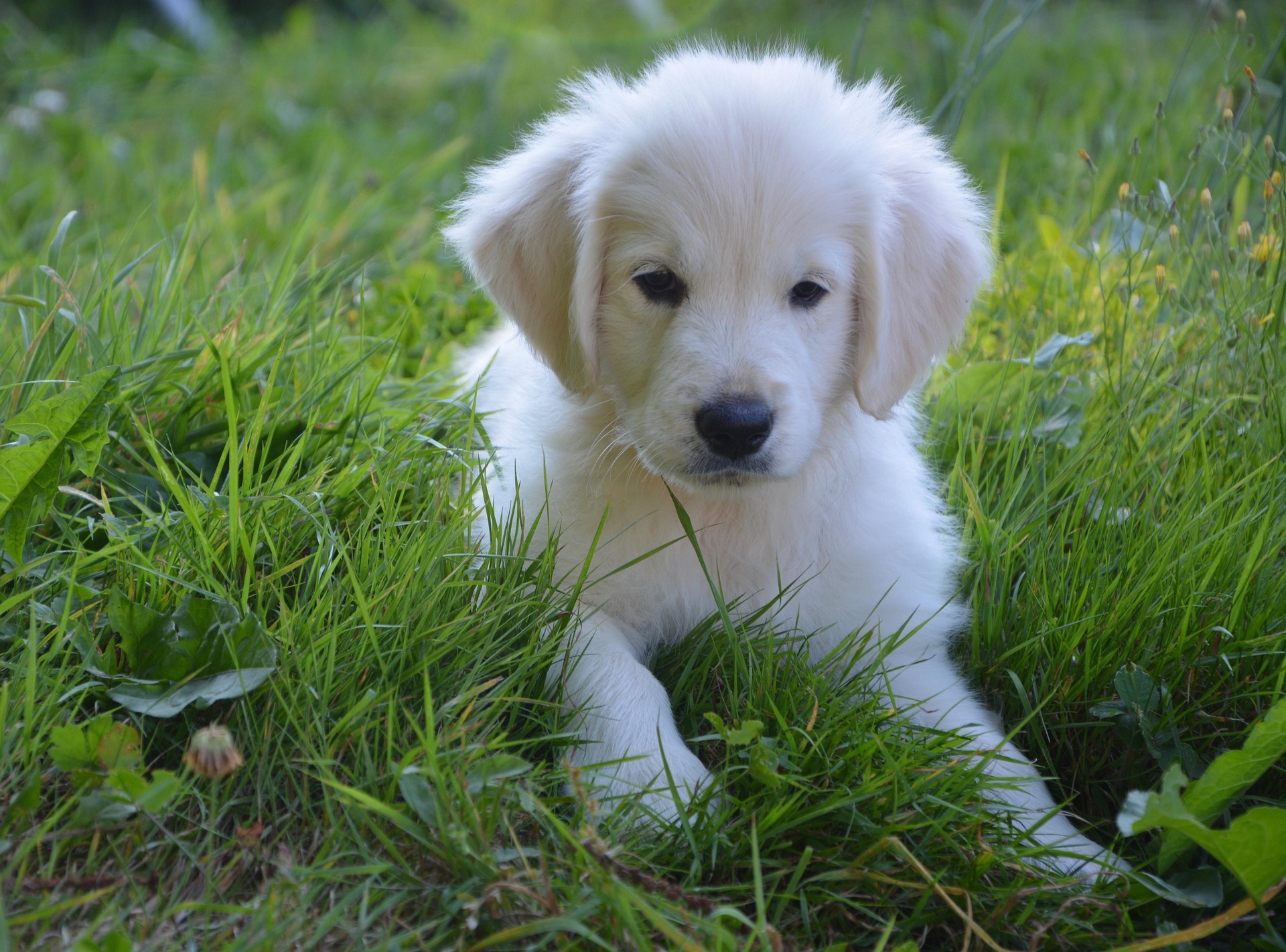
Golden Retrievers are delightful companions, but even the friendliest dogs can develop behavior problems if their instincts, energy, and emotional needs aren’t met. The good news is that most issues like leash pulling, barking, separation anxiety, or resource guarding can be addressed with consistent training techniques, positive reinforcement, and proper exercise. Golden Compass
Understanding why your Golden behaves a certain way gives you the power to fix the behavior — and build a stronger bond along the way.
Whether you’re just starting with a puppy or navigating behavior challenges with an older dog, remember: patience, consistency, and positive reinforcement work best for lasting success.