Training a Beagle can be one of the most gratifying — and frustrating — experiences in dog ownership. These friendly, curious, and intelligent dogs have a lot of personality, but their scent‑driven instincts and independent nature make them unique learners. Many owners start training with the best intentions, only to unknowingly fall into pitfalls that slow progress or create confusion for the dog. Understanding common training mistakes and how to avoid them is critical if you want a well‑behaved, happy Beagle.
In this comprehensive guide, we’ll look at the most common Beagle training mistakes owners make, why they happen, and strategies to fix them — with scientific and expert‑backed tips you can apply right away. Each section includes links to trusted training resources you can reference directly.
Table of Contents
-
Why Beagle Training Is Different
-
Mistake #1 — Inconsistent Training and Commands
-
Mistake #2 — Ineffective or Harsh Methods
-
Mistake #3 — Ignoring Socialization
-
Mistake #4 — Long, Repetitive Sessions
-
Mistake #5 — Cue Nagging and Poisoned Cues
-
Mistake #6 — Not Practicing in Different Environments
-
Mistake #7 — Neglecting Mental and Physical Stimulation
-
Mistake #8 — Reinforcing Bad Behaviors
-
Mistake #9 — Lack of Clear Boundaries and Rules
-
Mistake #10 — Expecting Instant Results
-
How To Correct These Mistakes
-
Tips for Successful Beagle Training
-
Conclusion: Progress Over Perfection
1. Why Beagle Training Is Different

Beagles aren’t stubborn because they don’t want to learn — they have a scent‑hound brain that constantly prioritizes smells and exploration over obedience, especially in stimulating environments. Because training interacts with instincts, rewards, repetition, and attention span, typical errors that might be minor with other breeds can reverberate into stubbornness, confusion, or regressions with Beagles. (turn0search3)
So the first step is understanding that mistakes are often rooted not in the dog’s unwillingness to learn, but in methods that don’t work well with a Beagle’s natural mind.
2. Mistake #1 — Inconsistent Training and Commands
One of the biggest pitfalls in training — with Beagles and all dogs — is inconsistency. Commands that change in wording or tone cause confusion.
For example, using “come,” “here,” and “back” interchangeably for the same behavior can leave your Beagle unsure what you want. Similarly, if one family member allows jumping on furniture and another forbids it, the dog gets mixed signals. Dogs thrive on routine and consistency. (turn0search1)
Why It Happens
-
Owners don’t agree on command words
-
Training sessions vary randomly
-
People accidentally reward a behavior one day that they punish the next
The Results
-
Beagle confusion
-
Slow progress
-
Frustration for both dog and owner
3. Mistake #2 — Ineffective or Harsh Methods
Punishment, yelling, or forceful corrections rarely work and can cause fear, stress, or learned helplessness in dogs. Beagles are sensitive to tone and body language, so harsh methods can break trust rather than build obedience.
-
Positive reinforcement — rewarding good behavior — is scientifically proven to be more effective than punishment. Dogs learn best when they associate commands with rewards they genuinely enjoy. (turn0search7)
Why It Happens
-
Frustration or impatience
-
Lack of understanding that punishment interferes with learning
-
Misbelief that “being dominant” improves obedience
The Results
-
Anxiety
-
Avoidance of training situations
-
Increased stress behaviors
4. Mistake #3 — Ignoring Socialization
Socialization is training too — and it’s essential for Beagles because of their friendly but scent‑driven temperament. Exposing a puppy to different people, places, animals, and noises reduces fear and encourages confident behavior later in life. Lack of socialization can lead to fear responses, hyper‑excitability, or reactivity. (turn0search14)
Why It Happens
-
Owners focus only on commands
-
Lack of exposure to varied environments
-
Misunderstanding that basic social interaction is part of training
The Results
-
Anxiety in new settings
-
Poor interactions with other dogs
-
Fearful or aggressive responses
5. Mistake #4 — Long, Repetitive Sessions
Dogs — especially scent hounds like Beagles — have relatively short attention spans. Training sessions that are too long or repetitive can wear them down mentally and create disinterest.
Experts recommend short, frequent training bursts — often 5–15 minutes — so your Beagle stays engaged and motivated. This approach uses the dog’s natural attention span effectively. (turn0search0)
Why It Happens
-
Owners feel they need to “get it all done” at once
-
Lack of understanding of dog learning patterns
The Results
-
Mental fatigue
-
Dishonest or inconsistent responses
-
Reduced enthusiasm
6. Mistake #5 — Cue Nagging and Poisoned Cues
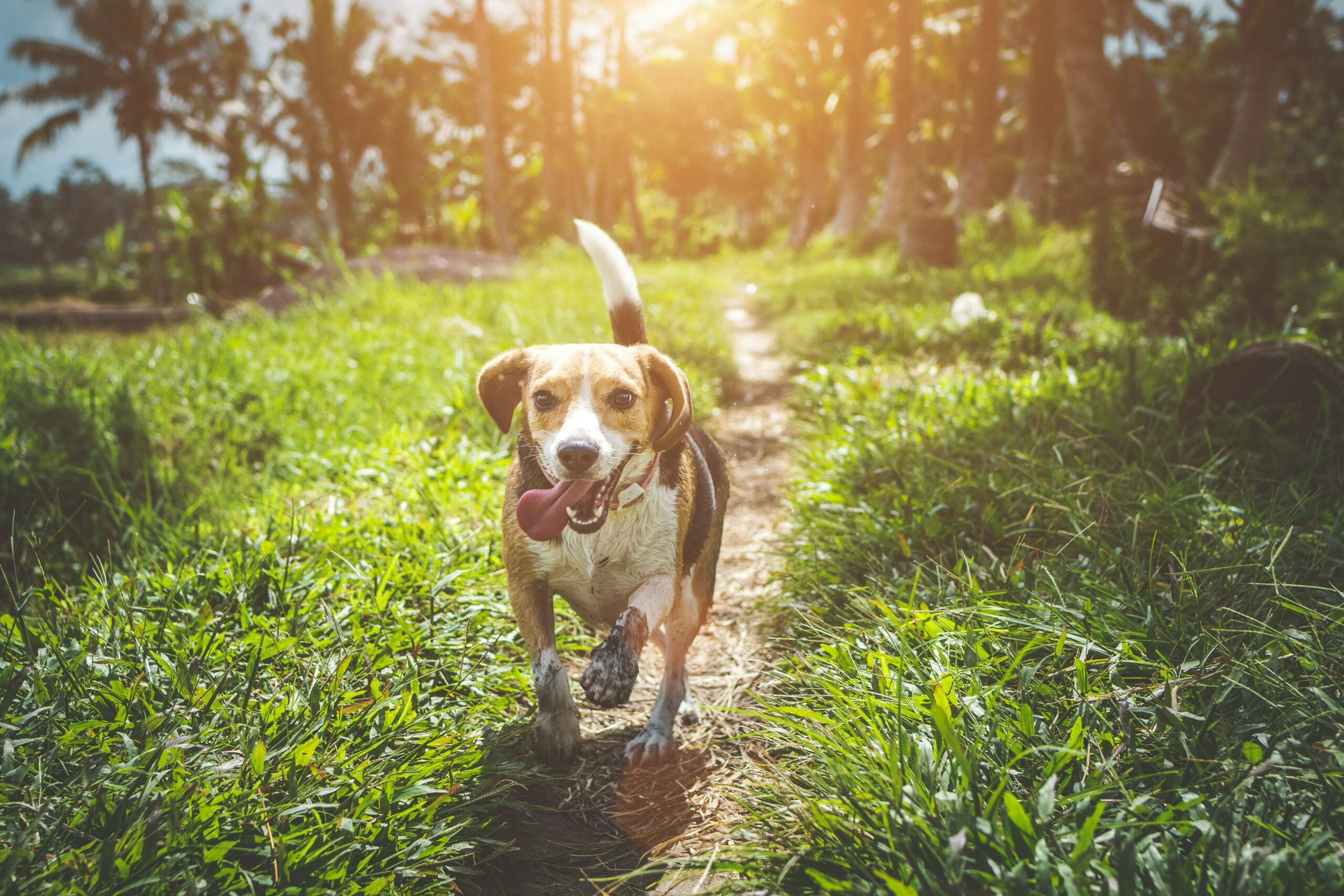
A very specific common issue is called cue nagging — repeating the same command repeatedly (e.g., “Come, come, come!”). This teaches the dog not to respond immediately and weakens the command’s meaning. (turn0search1)
Another subtle mistake is called poisoning a cue — unintentionally linking a cue with something the dog dislikes (e.g., using “come” only to give a bath). Once a cue becomes associated with a negative experience, the dog will start avoiding that cue. (turn0search2)
Why It Happens
-
Expectation of instant response
-
Associating cues with negative scenarios
The Results
-
Delayed reactions
-
Avoidance of commands
-
Reduced obedience
7. Mistake #6 — Not Practicing in Different Environments
Training in only one environment (like the living room) doesn’t mean your Beagle will follow commands elsewhere. Dogs need proofing — practicing commands around distractions, in parks, at home, and on walks — to learn generalized obedience. (turn0search2)
Why It Happens
-
Owners feel training is “done” after one series of sessions
-
Failure to take training outside of isolated environments
The Results
-
Behavior that only works “at home”
-
Ignoring commands in stimulating environments
8. Mistake #7 — Neglecting Mental and Physical Stimulation
Beagles are bred to think, explore, and solve scent puzzles. Training relies on engagement, which requires both physical and mental stimulation. Without this, even well‑intentioned training can fall flat.
A lack of play, exercise, and mental tasks can lead to boredom and training resistance. Many dogs need daily walks, play, and scent‑based games to remain focused and trainable. (turn0search11; turn0search14)
Why It Happens
-
Only focusing on commands
-
Underestimating breed’s energy and drive
The Results
-
Distracted behavior
-
Reduced willingness to train
-
Boredom‑related mischief
9. Mistake #8 — Reinforcing Bad Behaviors
Sometimes owners accidentally reward unwanted behaviors. For instance, giving attention or treats to a dog that jumps up or barks can reward that behavior unintentionally. Dogs learn faster from consistent associations between action and consequence, so reinforcement must match desired outcomes. (turn0search15)
Why It Happens
-
Comforting a dog when they misbehave
-
Accidental treats during misbehavior
-
Inconsistent enforcement of rules
The Results
-
Strengthened unwanted behaviors
-
Confusion about expectations
10. Mistake #9 — Lack of Clear Boundaries and Rules
Dogs feel safe and confident when rules are consistent and clear. A Beagle that is allowed on the furniture sometimes but not others, or rewarded in one situation but punished in another, becomes uncertain and may test boundaries. Identifying consistent house rules early supports structured learning and obedience.
Why It Happens
-
Family members not aligned
-
Letting exceptions slide
The Results
-
Behavioral confusion
-
Disobedience disguised as uncertainty
11. Mistake #10 — Expecting Instant Results
Training takes time. Many owners assume that once a command is introduced, the dog should obey quickly. In reality, dogs learn through repetition, patience, and gradual improvement. Expecting instant success often leads to frustration and dropping training prematurely. (turn0search9)
Why It Happens
-
Unrealistic expectations
-
Lack of long‑term planning
-
Impatience
The Results
-
Giving up early
-
Missed progress opportunities
12. How To Correct These Mistakes
Here’s how you can turn mistakes into success:
✅ Be Consistent
Always use the same cues and rewards. Make training part of your routine so your Beagle knows what’s expected. (turn0search1)
✅ Use Positive Reinforcement
Reward good behavior with high‑value treats, praise, and play. Avoid harsh corrections. (turn0search7)
✅ Short, Frequent Sessions
Break training into 5–15 minute sessions throughout the day, not marathon sessions at once. (turn0search0)
✅ Train Everywhere
Practice in quiet and distracting environments so your dog learns to generalize commands. (turn0search2)
✅ Include Mental and Physical Work
Add walks, scent games, and puzzles to keep your Beagle engaged and ready to learn. (turn0search11)
✅ Address Problems Early
Correcting unwanted behaviors as soon as they appear prevents them from becoming habits. (turn0search15)
✅ Stay Patient
Training progress isn’t linear — dogs learn at their own pace. Celebrate small wins and be consistent. (turn0search9)
13. Tips for Successful Beagle Training
Here are targeted tips specifically for Beagles:
-
Get their attention before cues: Make sure they’re focused before giving commands.
-
Incorporate scent games: Leverage their strongest sense in training.
-
Use long leads for recall practice: Safely build reliable recall even with distractions.
-
Align the whole household: Everyone should use the same commands and rules. (turn0search11)
14. Conclusion: Progress Over Perfection

Training a Beagle is an ongoing journey, not a destination. Avoiding these common mistakes — inconsistency, harsh methods, cue mistakes, boredom, and unrealistic expectations — will create a strong foundation for a confident, obedient, and happy dog. With patience, structure, and a reinforcement‑based approach, Beagle training becomes a rewarding part of your life together.