Beagles are one of the most beloved dog breeds in the world — friendly, curious, energetic, and intensely social. But all that love of companionship brings up an important question for many owners: Can Beagles be left alone? The short answer is yes — but only for limited periods and with careful preparation. Because of their social nature and pack‑mentality history, many Beagles are prone to separation anxiety if left alone too long or without the right support. DogMatchUp+1
In this complete guide, we’ll explore:
-
What separation anxiety is
-
Why Beagles are especially prone to it
-
How long a Beagle can realistically be left alone
-
Signs your Beagle may be struggling
-
Practical strategies for helping your dog cope
-
Training plans and tools
-
When to seek professional help
By the end, you’ll have a clear plan to safely and confidently leave your Beagle alone when needed — without causing distress or damaging behavior.
1. What Is Separation Anxiety?
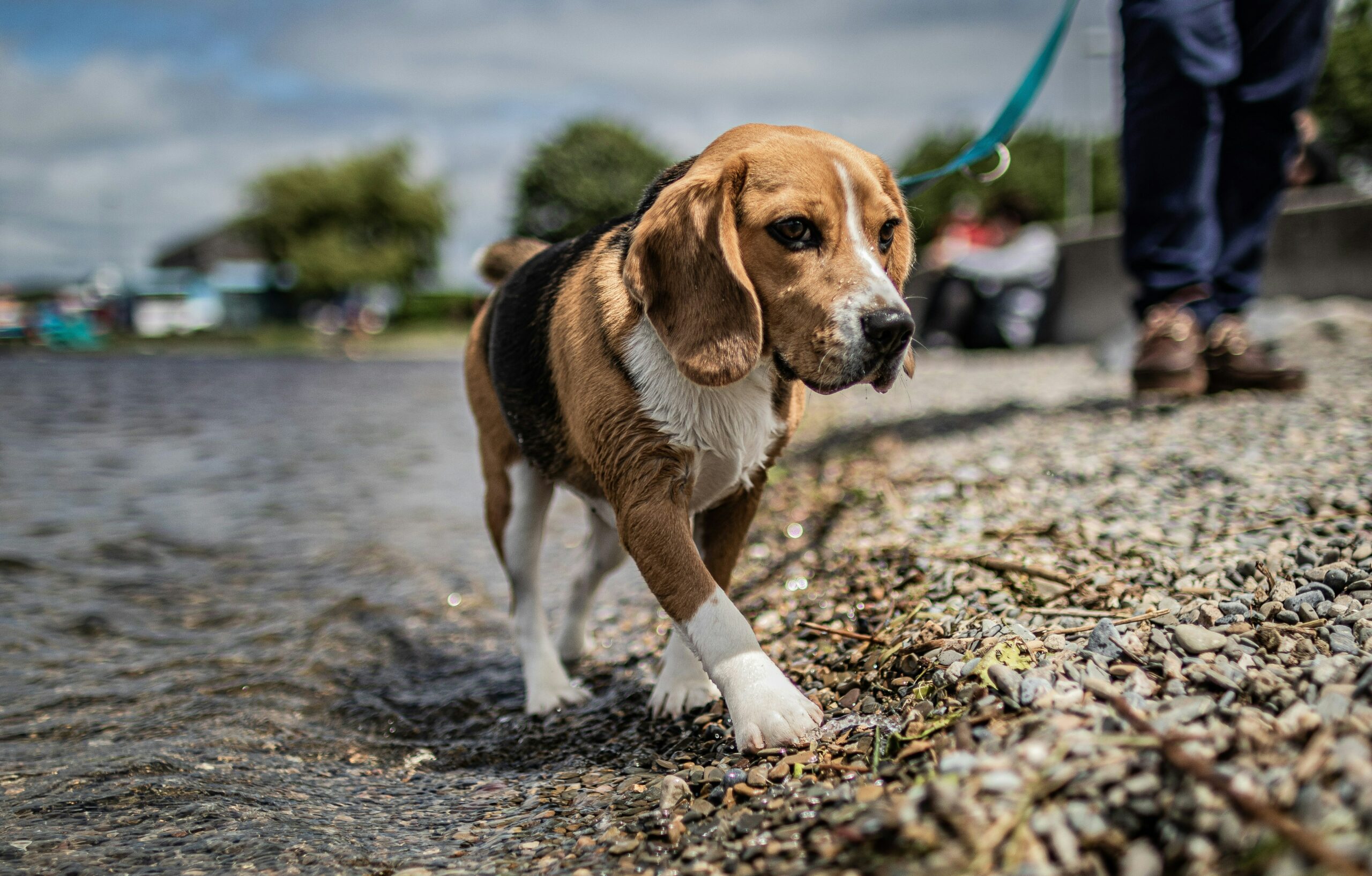
Separation anxiety in dogs is a behavioral condition in which dogs become anxious, stressed, or distressed when left alone or separated from their owners or family members. It goes beyond simply missing you — it’s a real anxiety response that leads to observable, often intense symptoms. Dogster
Separation anxiety can include:
-
Vocalizing — excessive barking, whining, howling
-
Destructive behavior — chewing walls, furniture, doors
-
Escape attempts — digging under doors, tearing screens
-
House soiling — urinating or defecating indoors despite training
-
Restlessness or pacing — often right before the owner leaves Beagle Welfare+1
Some dogs may also show pacing, drooling, or destructive behavior while you prepare to leave (such as when you pick up keys or put on shoes). Dogster
Separation anxiety is different from boredom or simple frustration. It’s a fear‑based response rooted in a belief that danger lies in being alone. Beagle Welfare
2. Why Beagles Are Prone to Separation Anxiety
Pack‑Oriented Breed
Beagles were originally bred as pack dogs, closely coordinated with humans and other dogs during hunts. This pack mentality means they are hard‑wired to crave companionship and social interaction. Being left alone can feel unnatural and stressful. Dogster
Friendly and Affectionate Temperament
Beagles are naturally sociable and friendly — they love being around people and other pets. While this makes them great companions, it also means they can be less independent than some other breeds, contributing to anxiety when alone. Veterinary Care at Your Fingertips
High Energy & Intelligent Minds
Boredom can make Beagles more anxious when left alone. Their intelligence and curiosity can turn into stress or destructive behaviors if they have nothing to engage their bodies and minds. Beagle Welfare
Strong Bonds With Their Owners
Most Beagles form very close attachments to their household members. For dogs that see their people as their “pack,” even short absences can trigger intense reactions. Dogster
3. How Long Can a Beagle Be Left Alone?
There’s no one‑size‑fits‑all answer, but most experts recommend:
Beagle Alone Time Guidelines
-
Puppies: Up to 2 hours maximum without a break. Hepper Pet Resources
-
Adult Beagles: Up to 4–6 hours with adequate preparation and enrichment. Veterinary Care at Your Fingertips+1
-
Senior Beagles: Might handle similar or shorter periods depending on health. Veterinary Care at Your Fingertips
Importantly, leaving your Beagle alone for much longer than about 6 hours on a regular basis can increase the risk of separation anxiety, depression, or behavioral problems. Veterinary Care at Your Fingertips
4. Signs Your Beagle May Be Struggling When Alone
Even if your Beagle technically tolerates being alone for a few hours, you should watch for signs of distress:
Behavioral Signals
-
Whining or barking before you leave and after leaving
-
Excessive pacing
-
Attempting to escape their area or crate
-
Destructive chewing of household items
-
Toileting indoors despite being house‑trained
-
Over‑grooming or self‑harm behaviors Dogster+1
Emotional Signals
-
Severe clinginess when you’re home
-
Restlessness or anxiety at departure cues (keys, jacket)
-
Reluctance to settle down even after exercise Dogster
Dogs with true separation anxiety may display intense, distressed behavior within minutes or sometimes even before you leave — at the mere hint of your departure. Dogster
5. Practical Strategies to Help Your Beagle Cope
You can absolutely help your Beagle learn to tolerate alone time — the key is gradual desensitization, mental enrichment, and predictable routines.
A. Start With Short Absences
Begin with short departures — even a few minutes — and gradually increase to build confidence. This teaches your dog that you always come back. Veterinary Care at Your Fingertips
B. Practice Departure Cues
Often dogs anticipate your leaving by signals like picking up keys. Practice these actions without leaving to reduce anxiety triggers. Veterinary Care at Your Fingertips
C. Exercise First
Beagles have energy to burn. A long walk, play session, or training session before you leave helps reduce anxious energy. Pet Daily
D. Create a Safe Space
A comfortable area, crate, or designated room with blankets and your scent can give your dog a secure place to relax while you’re gone. Veterinary Care at Your Fingertips
E. Provide Mental Stimulation
Puzzle toys, treat‑dispensing games, snuffle mats, and long‑lasting chews distract your dog and keep their mind engaged. Veterinary Care at Your Fingertips
F. Establish a Routine
Dogs feel secure when they know what to expect. Consistent schedules for feeding, walks, playtime, and alone time help reduce anxiety. NewsBytes
G. Stay Calm With Departures & Returns
Avoid emotional goodbyes and greetings. A calm atmosphere teaches your dog that leaving and returning is normal, not stressful. NewsBytes
6. Training Techniques That Work
Desensitization Training
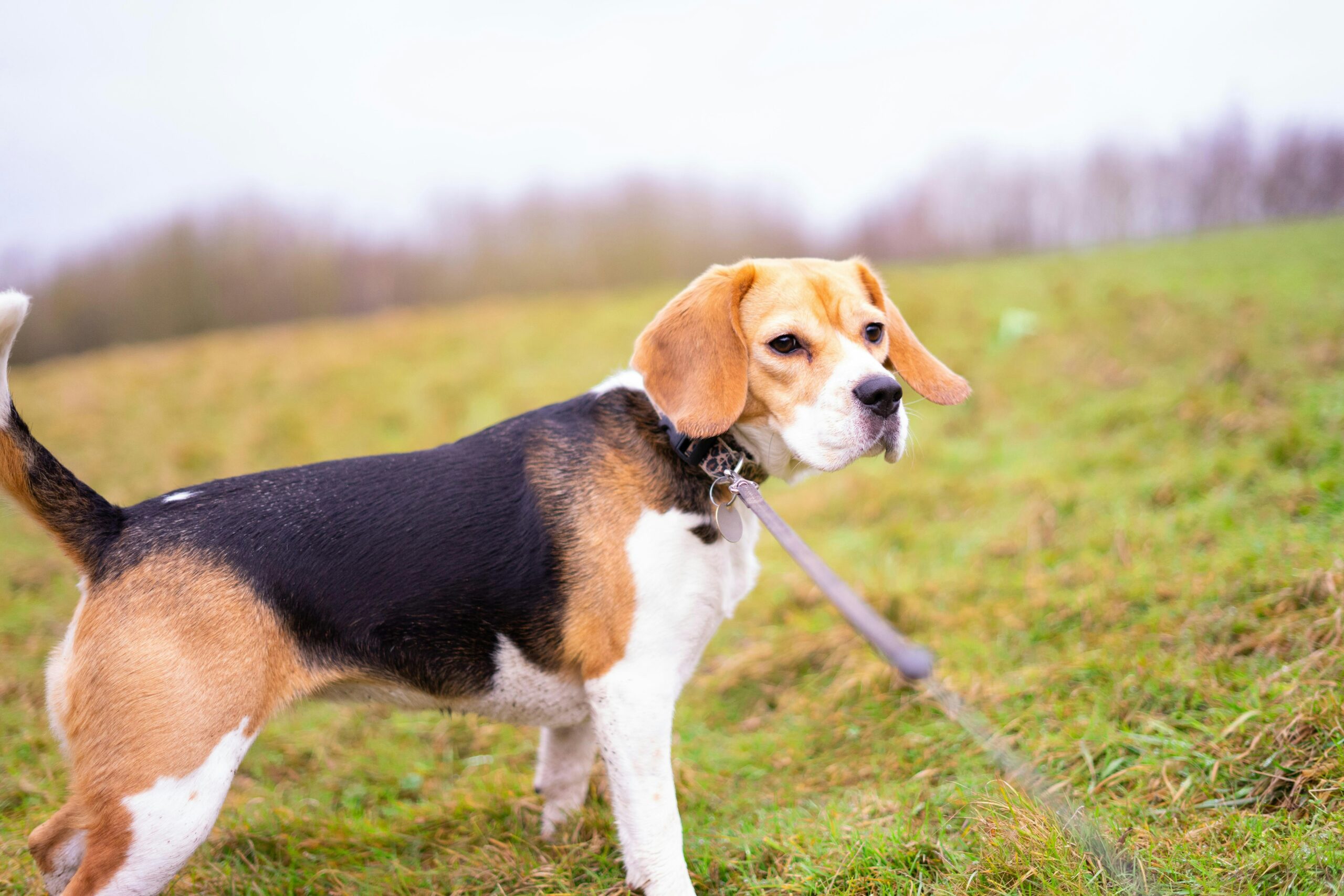
This involves slowly increasing the amount of time your Beagle spends alone, starting with seconds, then minutes, and finally hours. Reward calm behavior and avoid making a fuss when leaving or returning. Veterinary Care at Your Fingertips
Crate Training
When introduced positively, a crate can become a safe, denlike space where your Beagle feels protected and relaxed. Never use a crate as punishment. Beagle Welfare
Interactive Toys & Puzzles
Food puzzles or Kong toys stuffed with treats help redirect your dog’s energy and focus. Combined with scent games (hiding treats around a safe area), this satisfies a Beagle’s natural foraging instincts. Veterinary Care at Your Fingertips
Gradual Alone Conditioning
Practice being in another room while your dog stays behind. Increase the distance and time gradually. Reward calm behavior consistently. Veterinary Care at Your Fingertips
7. Advanced Techniques and Professional Help
If your Beagle shows severe separation anxiety — intense distress, dangerous escape attempts, ongoing elimination indoors, or destructive behavior — you may need professional support.
Behaviorists and Trainers
Certified dog behaviorists and trainers can assess your dog’s anxiety and create individualized plans that incorporate behavioral modification techniques. For intense cases, they can help you reset your dog’s emotional response to being alone. The Beagle Lady
Veterinary Consultation
In some cases, medication (like anxiolytics or calming agents) prescribed by a vet can support behavioral training, especially when anxiety is severe and persistent. The Beagle Lady
Doggy Daycare or Sitters
Hiring a pet sitter, walker, or using doggy daycare breaks up long stretches alone and provides social interaction — reducing anxiety and improving daily quality of life. Veterinary Care at Your Fingertips
8. Why Some Beagles Never Get Fully Comfortable Alone
Despite training, some Beagles may continue to struggle with alone time due to:
-
Temperament: Some dogs are naturally more anxious or clingy than others.
-
Trauma or past neglect: Dogs adopted from shelters or rescue situations may have deeper emotional responses to being left alone. The Barmy Beagle
-
Lack of gradual training: Without proper conditioning, anxiety may become entrenched. The Barmy Beagle
-
Over‑attachments: If a Beagle sees a single person as its sole anchor, separation anxiety can be more intense. Beagle Freedom Project
In these cases, patience, consistency, and professional support are often necessary.
9. Beagle Alone Time Tips for Different Life Stages
Puppies
-
Puppies shouldn’t be left alone longer than 2 hours. Hepper Pet Resources
-
Start desensitization early.
-
Make alone time positive with games and treats.
Adults
-
Aim for no more than 4–6 hours alone. Veterinary Care at Your Fingertips
-
Incorporate enrichment and exercise daily.
Seniors
-
Older Beagles may handle short periods alone well but may also need more frequent breaks and potty time due to age‑related needs. Veterinary Care at Your Fingertips
10. Conclusion: Beagles Can Be Left Alone — With Preparation

While Beagles are not naturally independent or solitary by nature, with the right strategies, routines, and training, most can learn to tolerate being left alone for moderate periods. This involves:
✔ Understanding separation anxiety and its signs
✔ Starting with short departures and building tolerance
✔ Providing exercise and mental engagement before leaving
✔ Creating a comforting, safe environment
✔ Using gradual training techniques
✔ Considering professional help if needed
With patience and care, your Beagle can grow more confident and calm being alone — ensuring both your peace of mind and your dog’s emotional well‑being. Veterinary Care at Your Fingertips