Dogs don’t speak human language, but they communicate continuously through body language — especially expressive breeds like Beagles. Understanding what your Beagle is trying to tell you is essential for a happy, safe, and trusting relationship. Dogs use a complex system of signals involving their eyes, ears, tail, posture, movement, mouth, breathing, and even vocalizations to communicate feelings, needs, and intentions. American Kennel Club
In this complete guide, you’ll learn how to decode your Beagle’s body language so you can better understand what they’re feeling — whether happy, stressed, fearful, excited, playful, or uncomfortable.
Introduction: Dogs Communicate Non‑Verbally
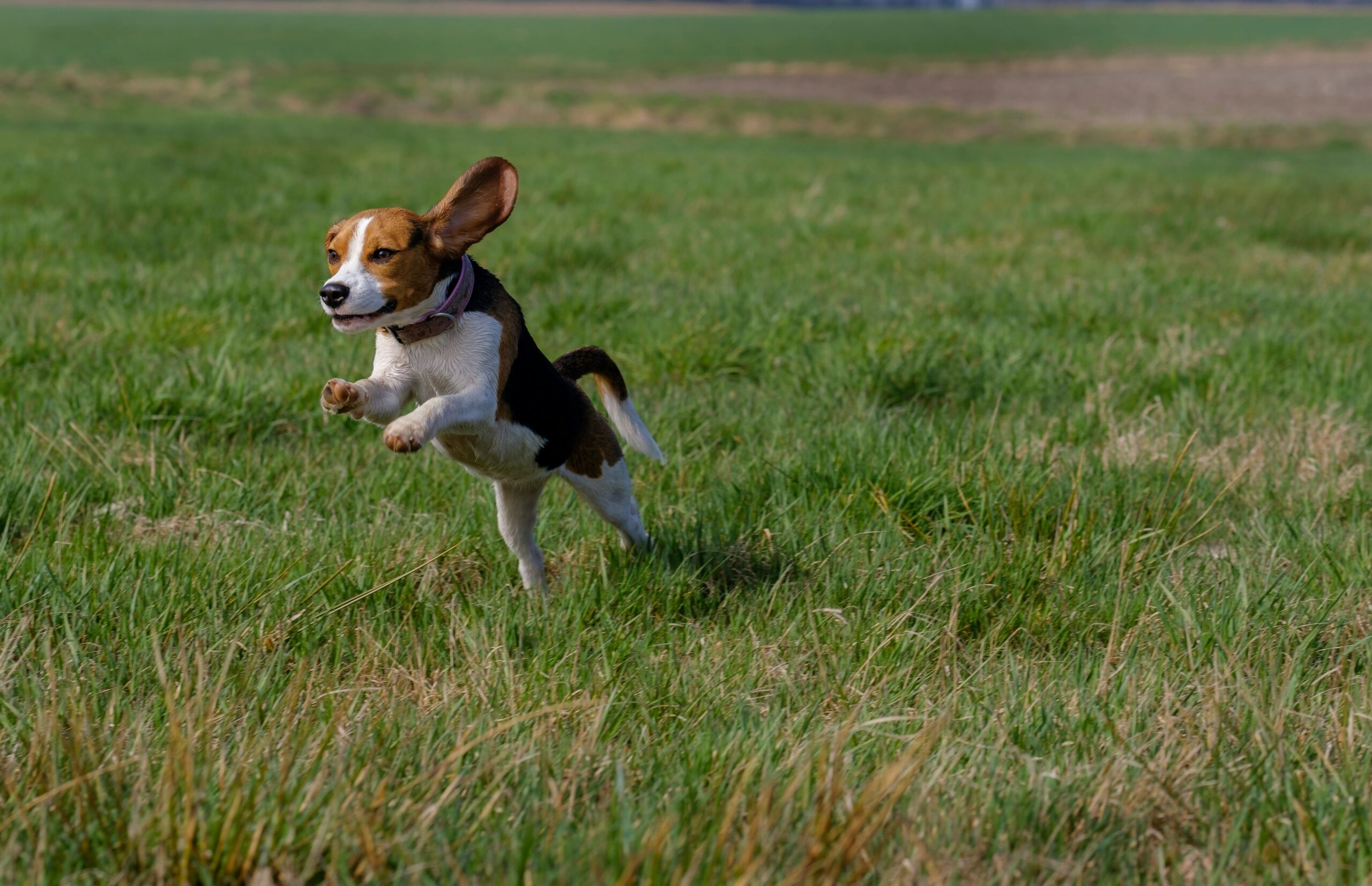
Dogs are highly social animals that use visual and physical signals to communicate. Unlike humans who use words, dogs rely heavily on body language to express emotions, intentions, and needs. Every posture or gesture is part of a sophisticated communication system, and even a small change in expression can carry important meaning. American Kennel Club
Beagles, in particular, are expressive dogs — with big eyes, floppy ears, expressive wagging tails, and animated postures — so their body language gives rich information about how they feel and what they want. beaglehunter.com
Let’s explore what your Beagle may be telling you through different signals.
1. How Dogs Communicate Through Body Language — The Basics
Dogs don’t only communicate with their bodies — they also use vocalizations like barking, whining, and howling — but most of what they “say” to us is through body signals. American Kennel Club
Here are the foundational components of canine nonverbal communication:
• Tail Position and Movement
Contrary to popular belief, a wagging tail does not always mean happiness. The tail’s position relative to the body, how fast it’s wagging, and whether it’s rigid or loose all contribute to the dog’s message. beaglism.com+1
-
High, fast wagging with loose body — excitement or joy. beaglism.com
-
Tail held low and wagging slowly — uncertainty or cautious interest. beaglism.com
-
Tail tucked between the legs — fear or submission. Wikipedia
-
High wagging with stiff body — high arousal, possible tension or alertness. beaglism.com
Remember: tail cues should always be read in context with the rest of the body language.
• Ear Positions
Beagles have notably expressive ears, and how they hold them can signal a range of emotions. Douglas Hall Kennels
-
Ears forward and alert — curiosity or interest. Douglas Hall Kennels
-
Ears relaxed or neutral — calm and content. Douglas Hall Kennels
-
Ears slightly back — excitement or uncertainty. Douglas Hall Kennels
-
Ears pinned fully back — fear, stress, or discomfort. Douglas Hall Kennels
Understanding ear position helps you determine whether your Beagle is relaxed or uneasy in a situation.
• Eyes and Eye Contact
A dog’s eyes say a lot:
-
Soft, relaxed eyes — calm or friendly. American Kennel Club
-
Whale eye (visible whites) — stress, anxiety, or fear. American Kennel Club
-
Hard stare — challenge or high alert. American Kennel Club
Dogs may avoid eye contact to show submission or uneasy feelings. They also use gaze to monitor their environment and you. American Kennel Club
• Mouth and Facial Expressions
Changes around the mouth and muzzle are also revealing: American Kennel Club
-
Relaxed, open mouth — calm and comfortable. American Kennel Club
-
Closed, rigid mouth — stress, tension, unease. American Kennel Club
-
Lip licking or yawning (in low‑stress context) — self‑soothing or calming. American Kennel Club
-
Bared teeth with raised lips — a warning or threat signal. American Kennel Club
Even “smiling” can be misleading — dogs sometimes show their teeth to calm a situation, not to signal aggression. American Kennel Club
2. Reading Posture and Whole‑Body Signals
Dogs use their whole body to communicate emotional state, not just one signal at a time. American Kennel Club Look at overall posture, weight distribution, and movement.
• Relaxed, Loose Posture
If your Beagle stands or sits with loose muscles, tail in a natural position, and a soft expression, they are likely comfortable and at ease. American Kennel Club
• Stiff or Tense Posture
Stiff bodies, raised hackles (fur standing up), and weight forward often indicate alertness, discomfort, or possible aggression. American Kennel Club
• Lowered Body or Crouch
A dog that lowers its body, tucks its tail, or avoids direct eye contact is showing fear, insecurity, or desire to avoid conflict. American Kennel Club
• Play Bow
When a dog lowers its front legs with hindquarters up while tail wagging, it’s usually an invitation to play — one of the clearest positive communication signals. cobberdogking.com
3. Common Beagle Signals and What They Mean
Beagles are very expressive — and their body language can be rich with meaning if you know what to look for. Because they are a scent hound breed, they often combine scent‑driven behavior with body cues. beaglehunter.com
Here are some common signals you might see in your Beagle:
🐾 Paw Raise / Pawing
Beagles often raise a paw or paw at you. This can indicate:
-
A desire for attention
-
Curiosity or trying to communicate about something
-
A playful request for engagement beaglehunter.com
🐾 Relaxed Body With Tail Wag
If the tail is held at a natural height and wagging loosely, the dog is comfortable, happy, or excited. beaglism.com
🐾 Stiff Wagging Tail
If the body is tense but the tail is wagging stiffly, the dog may be highly aroused, uncertain, or even feeling threatened. Interpret cautiously. beaglism.com
🐾 Raised Hackles
Raised hair along the back doesn’t always mean aggression — it means the dog is aroused emotionally, be it excitement, fear, or stress. American Kennel Club
🐾 Head Tilt
Dogs (including Beagles) often tilt their heads when trying to focus or interpret what you’re doing — it’s a curiosity and engagement signal, not just adorable behavior. ochmanity.com
4. Signs of Stress or Anxiety in Your Beagle

Understanding signs of stress early can help you avoid escalation to aggression or fear‑based behaviors. Here are signals often associated with stress, anxiety, or discomfort: American Kennel Club+1
• Avoiding Eye Contact
Turning eyes away often signals discomfort rather than disobedience. American Kennel Club
• Lip Licking / Rapid Yawning
Not always tired — frequent yawning often indicates self‑soothing under stress. Green Living Tribe
• Whale Eye
Showing the whites of the eyes signals that the dog is unsettled. American Kennel Club
• Tail Tucked or Low
A tail between the legs is a fear or anxiety sign — not just submission. Wikipedia
• Cowering or Lowered Body
The dog may be afraid or trying to avoid interaction. American Kennel Club
• Freezing or Backing Away
Anxiety causes some dogs to freeze rather than flee. American Kennel Club
5. Signs of Playfulness, Affection & Happiness
Happy Beagles show classic body language signs of comfort and friendliness: evergreennaturalpet.com
• Loose, Wiggly Body
A relaxed stance with wiggling movements signifies joy. evergreennaturalpet.com
• Play Bow
This signals an invitation to play and denotes positive intentions. cobberdogking.com
• Soft Mouth & Relaxed Face
A soft expression with relaxed mouth and slow blinking typically indicates contentment. American Kennel Club
• Tail Wagging in Big Loops
Wide, sweeping tail wags usually signal happiness — not just generic excitement. beaglism.com
6. Vocal Signals That Complement Body Language
While the focus here is physical signals, vocalizations help clarify meaning: evergreennaturalpet.com
-
Happy barks — greeting or play
-
Whining — anxiety, attention need, or discomfort
-
Growling with stiff posture — warning
-
Howling — seeking attention or expressing loneliness
Context is crucial — interpret sounds alongside body language for accurate readings. evergreennaturalpet.com
7. How Your Beagle Reads You
It’s not just about what your dog communicates — Beagles are also remarkably attuned to human body language and emotional states. Research shows that dogs perceive human emotions and respond to gestures and facial expressions, even without understanding words. UNIAN
When you’re calm and composed, your Beagle will be more relaxed and receptive to interaction. Conversely, stress or erratic body language from you can signal uncertainty for them.
8. Practical Tips to Improve Communication
To strengthen your bond and better understand your Beagle:
✔ Observe whole body signals, not just one cue. American Kennel Club
✔ Consider context — location, recent events, sounds, people. evergreennaturalpet.com
✔ Respect calming signals; if they show stress cues, give space. Wikipedia
✔ Learn your individual dog’s baseline behavior — each dog communicates uniquely. evergreennaturalpet.com
✔ Pair body language understanding with positive reinforcement training. evergreennaturalpet.com
9. When to Seek Professional Help
If your Beagle frequently displays stress signals like:
-
Tail tucked, body crouched
-
Constant whale eye
-
Growling with rigid posture
…these may indicate fear or anxiety issues that benefit from professional training or behaviorist support. Watching cumulative signals rather than isolated ones avoids misinterpretation.
Conclusion: Your Beagle Is Always Communicating

Your Beagle is talking to you all the time — through tails, ears, eyes, body stance, and even little gestures like pawing or head tilts. The more you learn to interpret these signals, the better you can respond to your dog’s needs, avoid conflicts, strengthen trust, and ensure a life of comfort and clear communication together.
Sources You Can Link To
Here are the trusted references used in this article:
-
American Kennel Club — How to Read Dog Body Language: https://www.akc.org/expert-advice/training/how-to-read-dog-body-language/ American Kennel Club
-
Beagle Body Language & Tail Signals — Beaglism: https://www.beaglism.com/archive/beagletail.html beaglism.com
-
Evergreen Natural Pet — Understanding Dog Body Language: https://evergreennaturalpet.com/understanding-your-dogs-body-language/ evergreennaturalpet.com
-
Dog Body Language Patterns — Purdue University: https://caninewelfare.centers.purdue.edu/resource/canine-body-language/ Canine Welfare Science
-
Dog Tail Wagging Science — Wikipedia: https://en.wikipedia.org/wiki/Tail_wagging_by_dogs Wikipedia
-
General signals + calming cues — Calming signals (Wikipedia): https://en.wikipedia.org/wiki/Calming_signals