Play is an essential part of a dog’s life, providing both physical exercise and mental stimulation. Whether through structured activities, social interactions, or free play, engaging in playful behaviors helps maintain a dog’s overall well-being. Dogs of all ages, breeds, and sizes benefit from regular play, which strengthens their muscles, improves their coordination, and supports their emotional health.
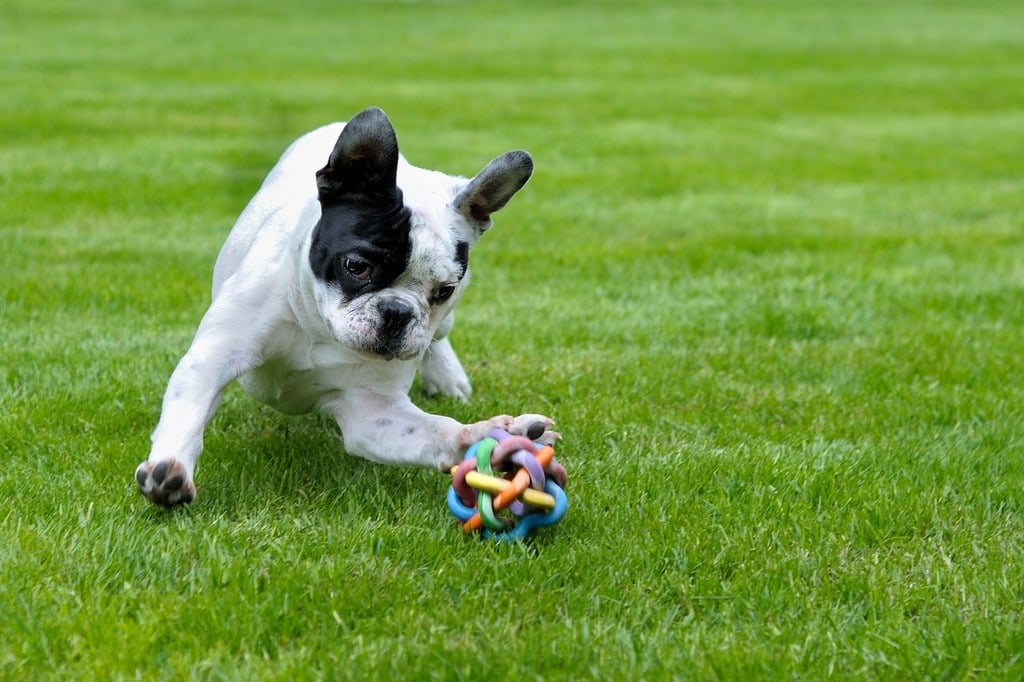
In this article, we will explore the importance of play in a dog’s life, how different types of play contribute to their physical and mental health, and ways to ensure your dog gets the most out of their playtime.
1. Why Is Play Important for Dogs?
Play is more than just a fun activity for dogs—it is essential for their development and overall health. Here are some key reasons why play is so important:
✅ Encourages Physical Fitness: Play helps dogs stay active, preventing obesity and maintaining cardiovascular health.
✅ Enhances Mental Stimulation: Games challenge a dog’s mind, preventing boredom and destructive behaviors.
✅ Improves Social Skills: Play helps dogs learn how to interact with other animals and people.
✅ Strengthens the Bond with Owners: Engaging in play fosters a stronger relationship between dogs and their human companions.
✅ Reduces Stress and Anxiety: Play provides an outlet for pent-up energy and helps relieve tension.
Without enough play, dogs may develop unwanted behaviors, such as excessive barking, chewing, or even aggression due to frustration and lack of stimulation.
2. How Play Supports a Dog’s Physical Health
A. Helps Maintain a Healthy Weight
Obesity is a growing health concern among dogs, leading to problems like joint pain, diabetes, and heart disease. Play encourages movement and burns calories, helping dogs maintain a healthy weight.
B. Strengthens Muscles and Joints
Activities such as running, fetching, and tug-of-war help strengthen a dog’s muscles and improve their joint health. This is especially important for active breeds that require regular exercise to stay fit.
C. Improves Cardiovascular Health
Just like in humans, regular physical activity improves heart health in dogs. Engaging in activities that increase their heart rate, such as playing chase or running, helps maintain cardiovascular fitness.
D. Enhances Coordination and Agility
Interactive play, such as agility courses or obstacle training, improves a dog’s coordination and balance. This is beneficial for young puppies developing motor skills and for older dogs maintaining mobility.
3. How Play Supports a Dog’s Mental Health
A. Prevents Boredom and Destructive Behavior
Dogs that do not get enough mental stimulation may become bored and turn to destructive behaviors, such as chewing furniture or excessive digging. Puzzle toys, interactive games, and hide-and-seek keep their minds engaged.
B. Reduces Anxiety and Stress
Play acts as a natural stress reliever for dogs. Engaging in enjoyable activities releases endorphins, which help reduce anxiety. This is particularly helpful for dogs that experience separation anxiety or fear-related stress.
C. Encourages Problem-Solving Skills
Games that involve problem-solving, such as treat-dispensing toys or training exercises, enhance a dog’s cognitive abilities. These activities keep their minds sharp and improve their ability to learn new commands and tricks.
D. Builds Confidence in Shy Dogs
Some dogs are naturally shy or nervous around new people or environments. Play allows them to explore and engage in positive experiences, gradually boosting their confidence.
4. Different Types of Play and Their Benefits
A. Interactive Play with Owners
Engaging in play with your dog strengthens your bond and improves their obedience. Examples include:
- Fetch: Encourages exercise and reinforces training commands like “drop it.”
- Tug-of-War: Builds muscle strength and allows dogs to use their natural instincts in a controlled way.
- Training Games: Activities like teaching new tricks or playing “find the treat” challenge a dog’s mind.
B. Social Play with Other Dogs
Dogs are naturally social animals, and playing with other dogs helps develop their communication skills. Supervised playdates or visits to the dog park allow dogs to learn proper social behavior.
- Chasing Games: Provide cardiovascular exercise and help dogs practice social cues.
- Wrestling Play: Strengthens muscles while allowing dogs to engage in natural behaviors.
C. Solo Play with Toys
Not all dogs have playmates available all the time, but they can still entertain themselves with the right toys.
- Chew Toys: Help relieve teething discomfort in puppies and keep adult dogs engaged.
- Puzzle Toys: Provide mental stimulation and prevent boredom.
- Balls and Squeaky Toys: Encourage independent play and active movement.
D. Outdoor Play and Adventure Activities
Exploring new environments through play provides enrichment and excitement for dogs.
- Hiking: Stimulates a dog’s senses while providing great exercise.
- Swimming: A low-impact activity that is excellent for joint health.
- Agility Training: Improves coordination and builds confidence.
5. How to Make Playtime Safe and Effective
While play is essential, ensuring it is safe and appropriate for your dog’s age, breed, and health condition is just as important. Here are some key safety tips:
A. Choose the Right Toys
- Avoid toys that are too small and could be swallowed.
- Pick durable materials to prevent choking hazards.
- Rotate toys regularly to keep playtime interesting.
B. Monitor Play Sessions
- Supervise interactions between dogs to prevent rough play from escalating.
- Stop play if a dog shows signs of exhaustion or discomfort.
- Encourage breaks to prevent overheating, especially in hot weather.
C. Adjust Play Based on Your Dog’s Age
- Puppies: Focus on gentle, structured play to teach good behavior.
- Adult Dogs: Provide high-energy activities to meet their exercise needs.
- Senior Dogs: Opt for low-impact games like gentle tugging or puzzle-solving to keep them engaged without straining their joints.
6. How Much Play Does a Dog Need?
The amount of playtime a dog requires depends on several factors, including their breed, age, and energy level.
🔹 High-Energy Breeds (e.g., Border Collies, Labrador Retrievers) – Need at least 60–90 minutes of play and exercise per day.
🔹 Moderate-Energy Breeds (e.g., Beagles, Cocker Spaniels) – Require around 30–60 minutes daily.
🔹 Low-Energy Breeds (e.g., Bulldogs, Pugs) – Benefit from 20–30 minutes of gentle play and activity.
Regularly engaging in both physical and mental stimulation ensures that all dogs, regardless of their breed, stay happy and healthy.
7. Signs Your Dog Needs More Play
If a dog isn’t getting enough play, they may show signs of boredom or frustration, such as:
🚨 Excessive barking or whining – Seeking attention or stimulation.
🚨 Chewing on furniture or objects – A sign of pent-up energy.
🚨 Restlessness or pacing – Indicates a need for more activity.
🚨 Lack of interest in food or training – Suggests mental boredom.
If you notice these behaviors, increasing playtime and incorporating new activities can help improve your dog’s well-being.
Conclusion
Play is essential for maintaining a dog’s physical and mental health. Whether through interactive games, social play, or independent activities, dogs benefit from regular engagement and stimulation. Ensuring your dog has a variety of play options suited to their needs can prevent boredom, reduce stress, and improve their overall quality of life.
By making play a consistent part of your dog’s routine, you help them stay active, happy, and healthy for years to come! 🐾🎾