





A pond can be a beautiful and relaxing addition to any garden or outdoor space. However, one of the most common challenges pond owners face is the growth of algae. While some algae are natural and even beneficial for the ecosystem, excessive growth can lead to water quality issues, bad odors, and an unsightly appearance.
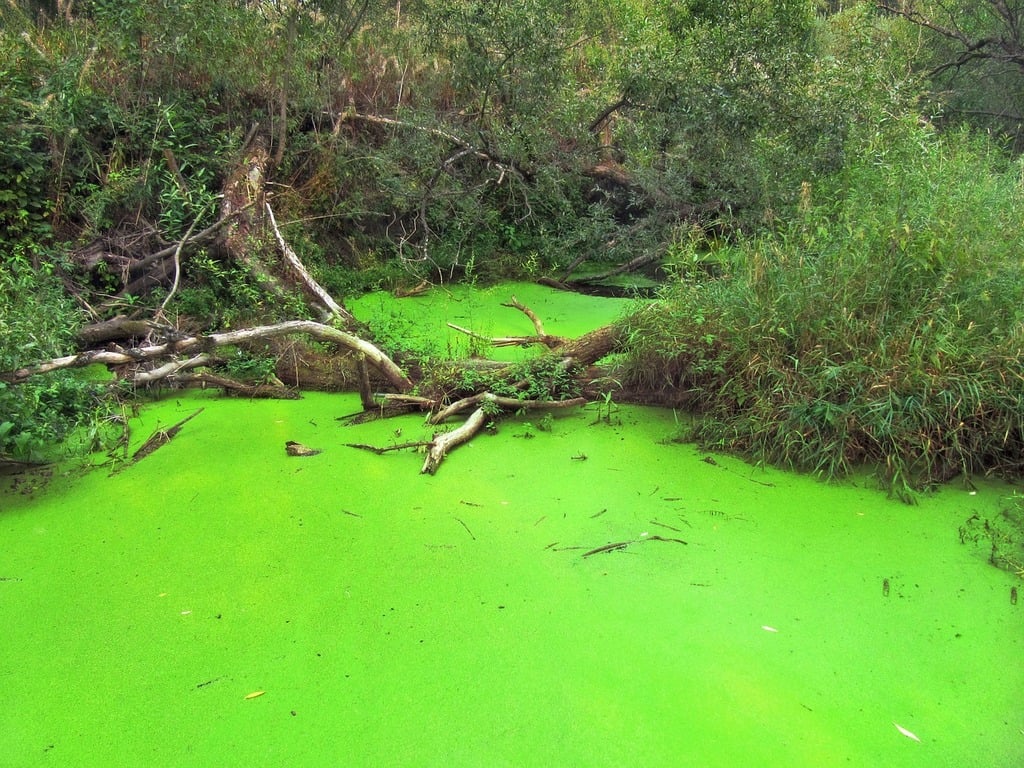
In this comprehensive guide, we will explore what causes algae to thrive, the different types of algae, and the most effective ways to control and prevent algae growth in your pond.
1. Understanding Algae in Ponds
Algae are simple aquatic plants that grow in water and use sunlight for photosynthesis. While they play a role in maintaining the natural balance of a pond, excessive algae growth can lead to problems such as:
- Green, murky water
- Oxygen depletion
- Harm to fish and aquatic plants
- Slippery surfaces and unpleasant odors
Common Causes of Algae Growth
- Excess Nutrients (Eutrophication) – Algae thrive on high levels of nutrients, particularly nitrates and phosphates from fish waste, decaying plants, or fertilizer runoff.
- Too Much Sunlight – Algae require sunlight for photosynthesis. A pond that receives excessive sunlight will likely have more algae.
- Poor Water Circulation – Stagnant water allows algae to grow unchecked. Proper aeration and water movement can help control their spread.
- Lack of Beneficial Bacteria – Healthy ponds contain beneficial bacteria that help break down waste and reduce excess nutrients.
2. Types of Algae Found in Ponds
Not all algae are the same, and different types require different control methods. The most common types include:
A. Green Water Algae (Planktonic Algae)
- Causes the pond water to turn green and murky.
- Thrives in ponds with high nutrient levels and strong sunlight.
- Can reduce oxygen levels, affecting fish health.
B. String Algae (Filamentous Algae)
- Forms long, hair-like strands that float in the water or attach to rocks and plants.
- Often called “pond scum” or “blanket weed.”
- Grows quickly in warm, nutrient-rich water.
C. Blue-Green Algae (Cyanobacteria)
- A type of bacteria that resembles algae.
- Can produce toxins that are harmful to fish and other aquatic life.
- Causes slimy mats on the water surface.
Identifying the type of algae in your pond is essential to choosing the best control method.
3. How to Get Rid of Algae in a Pond
If your pond has an algae problem, don’t worry—there are several effective solutions to restore water clarity and balance.
A. Manual Removal
- Skimming and Raking – Use a pond net or rake to remove floating algae and debris.
- Vacuuming – A pond vacuum can help remove algae growing on the bottom.
- Trimming Plants – Remove excess plant material to prevent decaying matter from feeding algae.
B. Improve Water Quality
- Reduce Fish Waste – Avoid overfeeding fish, as uneaten food contributes to nutrient buildup.
- Increase Beneficial Bacteria – Add beneficial bacteria supplements to break down organic waste.
- Regular Water Changes – Replace 10-20% of pond water every few weeks to dilute nutrients.
C. Natural Algae Control Methods
- Use Aquatic Plants – Floating plants like water lilies, duckweed, and hyacinths help block sunlight and absorb nutrients, reducing algae growth.
- Add Barley Straw – Barley straw releases natural compounds that help control algae when it decomposes in water.
- Encourage Snails and Algae-Eating Fish – Species like koi, goldfish, and plecos eat algae and help keep it under control.
D. Installing a Pond Filter and Aerator
- Mechanical Filters – Capture algae and debris, keeping the water clear.
- Biological Filters – Promote the growth of beneficial bacteria to break down waste.
- Aerators and Fountains – Increase oxygen levels and prevent stagnant water.
E. UV Clarifiers (for Green Water Algae)
A UV clarifier uses ultraviolet light to kill planktonic algae, effectively clearing green water. This method is safe for fish and plants and works well as a long-term solution.
F. Safe Algaecides and Treatments
If natural methods don’t work, you can use a pond-safe algaecide. Look for products that are:
- Non-toxic to fish and plants
- Free from harmful chemicals
- Designed for long-term use
Always follow the manufacturer’s instructions and avoid overusing algaecides, as they can disrupt the pond ecosystem.
4. Preventing Algae Growth in Your Pond
Once you’ve removed the algae, prevention is key to keeping your pond clear and healthy.
A. Limit Nutrient Build-Up
✅ Do not overfeed fish – Feed only as much as they can eat in 2-3 minutes.
✅ Remove decaying leaves and debris – Use a pond skimmer or net to keep the pond clean.
✅ Minimize fertilizer runoff – If your pond is near a garden, avoid using chemical fertilizers.
B. Control Sunlight Exposure
✅ Add floating plants like water lilies to shade the water.
✅ Install pond covers or place rocks around the edges to reduce direct sunlight.
C. Improve Water Movement
✅ Use a waterfall, fountain, or bubbler to keep water moving.
✅ Maintain a good filtration system to remove excess nutrients.
D. Regular Maintenance Routine
📅 Test water quality every few weeks for pH, nitrate, and phosphate levels.
📅 Perform seasonal clean-ups to remove sludge and debris.
📅 Monitor fish health—sick fish can indicate water quality problems.
5. Frequently Asked Questions (FAQs)
Q1: How quickly can algae grow in a pond?
Algae can multiply within days if conditions are favorable (warm water, high nutrients, and sunlight).
Q2: Is algae harmful to fish?
Some algae are harmless, but excessive growth can reduce oxygen levels, making it hard for fish to breathe. Blue-green algae can be toxic.
Q3: Can I completely eliminate algae from my pond?
No, but you can control algae and prevent excessive growth by maintaining a balanced ecosystem.
Q4: Can adding more fish help reduce algae?
No, too many fish can actually increase algae growth due to higher waste production.
Q5: How often should I clean my pond to prevent algae?
Perform small maintenance tasks weekly, and do a more thorough cleaning every few months.
Final Thoughts
Algae in ponds can be frustrating, but with the right approach, it can be managed and controlled. By understanding what causes algae, using natural and mechanical solutions, and following proper maintenance routines, you can enjoy a clean, clear, and healthy pond.
Key Takeaways:
✅ Identify the type of algae in your pond.
✅ Remove excess nutrients through cleaning and plant management.
✅ Use filtration, aeration, and UV clarifiers for long-term control.
✅ Prevent algae growth with shade, beneficial bacteria, and water movement.
By following these steps, you can restore the beauty of your pond and maintain a healthy aquatic environment! 🌿💧🐟















