History and Origins of the German Shepherd Breed:
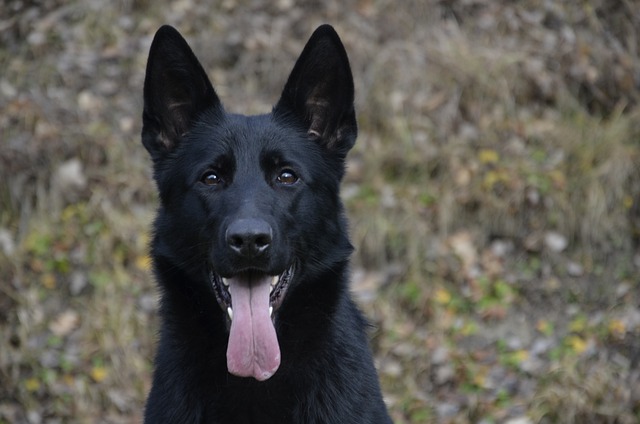
The German Shepherd, also known as the Alsatian in some countries, is a highly versatile and intelligent breed that originated in Germany in the late 19th century. The breed was developed by Captain Max von Stephanitz, a German cavalry officer, with the goal of creating a superior herding dog capable of excelling in various tasks such as herding, guarding, and assisting with police and military work.
Von Stephanitz was inspired by the herding dogs of his homeland, which were prized for their intelligence, agility, and loyalty. He sought to standardize the breed and establish a set of characteristics that would make the German Shepherd a valuable working dog. In 1899, he founded the Verein für Deutsche Schäferhunde (Society for the German Shepherd Dog), which became the official breed club for German Shepherds.
The foundation sire of the German Shepherd breed is often considered to be a dog named Horand von Grafrath, who was selected by von Stephanitz for his exceptional traits and used to establish the breed standard. German Shepherds quickly gained popularity for their versatility, trainability, and innate abilities as working dogs.
During World War I, German Shepherds served as messenger dogs, sentries, and Red Cross dogs on the battlefield, earning a reputation for bravery, loyalty, and dedication. After the war, the breed’s popularity spread internationally, and German Shepherds became valued as police dogs, search-and-rescue dogs, guide dogs for the blind, and beloved family pets.
Physical Characteristics and Appearance of German Shepherds:
German Shepherds are medium to large-sized dogs with a strong and muscular build, balanced proportions, and a noble and confident demeanor. Here are some key physical characteristics and traits of German Shepherds:
- Size: German Shepherds are typically medium to large-sized dogs, with males standing between 24 to 26 inches tall at the shoulder and females slightly smaller, ranging from 22 to 24 inches. Adult German Shepherds usually weigh between 50 to 90 pounds, with males being heavier than females.
- Coat: German Shepherds have a dense double coat that provides insulation and protection against the elements. The outer coat is straight, harsh, and close-fitting, while the undercoat is soft, dense, and thick. German Shepherds come in a variety of colors, including black and tan, sable, solid black, and solid white, with various markings and patterns.
- Head: German Shepherds have a noble and well-proportioned head with a strong, straight muzzle, alert ears that stand erect, and intelligent, almond-shaped eyes that convey focus and attentiveness. The skull is broad and slightly domed, with a well-defined stop between the forehead and muzzle.
- Body: German Shepherds have a well-balanced and muscular body with a deep chest, strong shoulders, and a straight, level topline. The back is firm and straight, with a slight slope from the withers to the tail. The hindquarters are powerful and well-muscled, providing agility and drive.
- Tail: German Shepherds have a bushy, medium-length tail that hangs down when at rest and is carried slightly raised when alert or in motion. The tail is set smoothly into the body and tapers to a slight point, adding to the breed’s overall balance and symmetry.
- Movement: German Shepherds move with smooth, efficient, and ground-covering gait, exhibiting strength, power, and agility. They have a long, reaching stride with strong drive from the hindquarters, allowing them to excel in various canine sports and working activities.
Overall, the German Shepherd’s distinctive appearance, intelligence, and versatility make it a highly sought-after breed for a wide range of roles and responsibilities. Whether as a loyal companion, a dedicated working partner, or a valued service dog, the German Shepherd’s innate abilities and unwavering devotion continue to make it one of the most beloved and respected breeds worldwide.
German Shepherd Temperament and Personality Traits
German Shepherds are renowned for their intelligence, loyalty, and versatility, making them highly capable working dogs and beloved family companions. Understanding their temperament and providing appropriate training and socialization are essential for ensuring they reach their full potential. Here’s a closer look at the temperament and training requirements for German Shepherds:
Temperament and Personality Traits:
- Intelligent: German Shepherds are highly intelligent dogs with keen problem-solving abilities. They are quick learners and excel in various tasks, including obedience training, agility, tracking, and search-and-rescue work.
- Loyal: German Shepherds are fiercely loyal and devoted to their families. They form strong bonds with their owners and are protective of their loved ones, making them excellent watchdogs and guardians.
- Confident: German Shepherds have a confident and self-assured demeanor, with a calm and steady temperament. They are not easily spooked and can remain composed in challenging or unfamiliar situations.
- Courageous: German Shepherds are known for their courage and bravery, often fearlessly facing threats or dangers to protect their family and territory. They have a strong sense of duty and will not hesitate to defend their loved ones if necessary.
- Energetic: German Shepherds are energetic and active dogs that require plenty of physical and mental stimulation to thrive. They enjoy outdoor activities such as running, hiking, and playing fetch, as well as engaging in interactive games and training sessions.
- Alert: German Shepherds are naturally alert and vigilant dogs, always on the lookout for potential threats or intruders. They have keen senses and will bark to alert their owners to any unusual activity or danger in their environment.
Training and Socialization Requirements:
- Early Training: German Shepherds benefit from early and consistent training to establish boundaries, manners, and obedience commands. Start training as soon as you bring your German Shepherd puppy home, using positive reinforcement techniques such as treats, praise, and rewards for desired behaviors.
- Socialization: Early and ongoing socialization is essential for German Shepherds to develop into well-rounded and well-behaved dogs. Expose them to a variety of people, animals, environments, and experiences from a young age to prevent fearfulness or aggression later in life.
- Obedience Training: German Shepherds are eager to please and respond well to obedience training. Teach them basic commands such as sit, stay, come, and heel, as well as more advanced commands for off-leash control and agility training.
- Leadership: German Shepherds thrive in environments where they have a clear leader and know their place in the pack hierarchy. Establish yourself as the pack leader through consistent rules, boundaries, and expectations, and provide firm but fair leadership to earn your German Shepherd’s respect and trust.
- Mental Stimulation: German Shepherds have active minds and require plenty of mental stimulation to prevent boredom and destructive behaviors. Provide them with puzzle toys, interactive games, and training exercises to challenge their intellect and keep them engaged.
- Positive Reinforcement: German Shepherds respond best to positive reinforcement training methods, where desired behaviors are rewarded with treats, praise, or play. Avoid harsh or punitive training techniques, as they can undermine your German Shepherd’s trust and confidence.
By providing early training, socialization, leadership, and mental stimulation, you can help your German Shepherd develop into a well-behaved, well-adjusted companion that embodies the breed’s finest traits. With their intelligence, loyalty, and unwavering devotion, German Shepherds make exceptional family pets, working dogs, and service animals, enriching the lives of their owners in countless ways.
Health Considerations and Common Issues in German Shepherd Dogs:
German Shepherds are generally robust and healthy dogs, but like all breeds, they may be prone to certain health issues and conditions. Responsible breeding practices, proper care, and regular veterinary check-ups are essential for maintaining the health and well-being of German Shepherds. Here are some common health considerations and issues in German Shepherd dogs:
- Hip Dysplasia: Hip dysplasia is a genetic condition that affects the hip joints, causing malformation and instability. German Shepherds are predisposed to hip dysplasia, which can lead to pain, lameness, and mobility issues. Screening breeding dogs for hip dysplasia and maintaining a healthy weight can help reduce the risk of this condition.
- Elbow Dysplasia: Elbow dysplasia is a developmental abnormality of the elbow joint, resulting in pain, inflammation, and arthritis. German Shepherds may be susceptible to elbow dysplasia, particularly those with a history of the condition in their bloodlines. Regular exercise, weight management, and joint supplements may help manage symptoms and improve mobility.
- Degenerative Myelopathy (DM): Degenerative myelopathy is a progressive neurological disease that affects the spinal cord, leading to weakness, paralysis, and loss of coordination in the hind limbs. German Shepherds are one of the breeds predisposed to DM, which has a genetic component. Early detection and supportive care can help maintain quality of life for affected dogs.
- Bloat (Gastric Dilatation-Volvulus): Bloat is a life-threatening emergency condition characterized by the rapid swelling and twisting of the stomach, leading to obstruction of blood flow and potential organ damage. German Shepherds are among the breeds at higher risk for bloat, which can be triggered by factors such as eating too quickly, exercising after meals, or stress. Feeding multiple smaller meals throughout the day, avoiding vigorous exercise before and after meals, and monitoring for symptoms of bloat are important preventive measures.
- Allergies: German Shepherds may be prone to allergies, including food allergies, environmental allergies (such as pollen, dust mites, or mold), and skin allergies (such as flea allergy dermatitis). Symptoms of allergies may include itching, scratching, licking, skin inflammation, and ear infections. Identifying and avoiding allergens, along with appropriate veterinary treatment, can help manage allergic reactions in German Shepherds.
Living with a German Shepherd: Suitable Environments and Lifestyle Considerations:
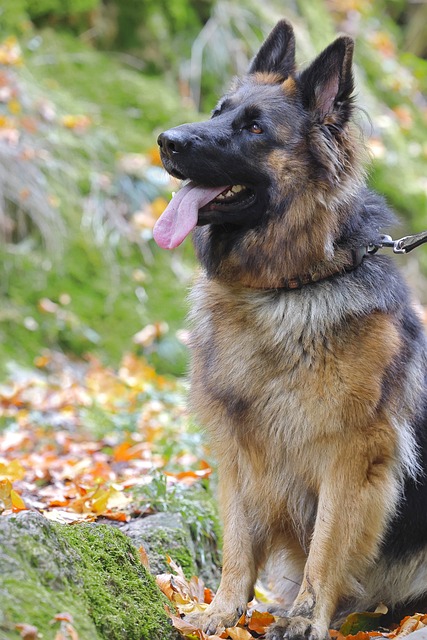
German Shepherds are active, intelligent, and loyal dogs that thrive in environments where they receive plenty of mental and physical stimulation, as well as companionship from their human family. Here are some factors to consider when living with a German Shepherd:
- Space: German Shepherds are medium to large-sized dogs that require ample space to move around and stretch their legs. They do best in homes with fenced yards or access to outdoor areas where they can run, play, and explore safely.
- Exercise: German Shepherds are high-energy dogs that require daily exercise to maintain their physical and mental well-being. Regular walks, runs, play sessions, and interactive activities such as fetch or agility training are essential for meeting their exercise needs.
- Mental Stimulation: In addition to physical exercise, German Shepherds require mental stimulation to prevent boredom and behavioral problems. Engage their minds with puzzle toys, obedience training, scent games, and interactive play to keep them mentally sharp and fulfilled.
- Training and Socialization: German Shepherds are intelligent and trainable dogs that benefit from early and ongoing training and socialization. Teach them basic obedience commands, establish rules and boundaries, and expose them to a variety of people, animals, and environments from a young age to promote good behavior and social skills.
- Companionship: German Shepherds are highly social dogs that thrive on companionship and interaction with their human family. They form strong bonds with their owners and enjoy being included in family activities, whether it’s going for walks, playing games, or simply spending time together at home.
- Grooming: German Shepherds have a double coat that sheds moderately year-round, with heavier shedding during seasonal changes. Regular brushing, typically once or twice a week, helps remove loose hair, reduce shedding, and keep the coat clean and healthy. Baths as needed, nail trimming, ear cleaning, and dental care are also important aspects of grooming for German Shepherds.
- Veterinary Care: Regular veterinary check-ups, vaccinations, and preventive care are essential for maintaining the health and well-being of German Shepherds. Schedule annual wellness exams, keep up-to-date on vaccinations and parasite control, and seek prompt veterinary attention for any signs of illness or injury.
By providing a stimulating environment, regular exercise, proper training and socialization, and routine veterinary care, you can ensure that your German Shepherd lives a happy, healthy, and fulfilling life as a valued member of your family. With their intelligence, loyalty, and unwavering devotion, German Shepherds make exceptional companions and working dogs, enriching the lives of their owners in countless ways.
German Shepherd Variations and Breeding Practices
German Shepherds are a versatile breed with various coat types, colors, and lines, each with its own unique characteristics and traits. Responsible breeding practices play a crucial role in maintaining the health, temperament, and conformation standards of German Shepherds. Here’s an overview of German Shepherd variations and breeding practices:
Variations within the German Shepherd Breed:
- Coat Types: German Shepherds can have different coat types, including:
- Stock Coat: The most common type of coat, characterized by a dense, straight outer coat and a thick undercoat.
- Long Coat: Longer and silkier than the stock coat, with feathering on the ears, chest, and legs.
- Plush Coat: Similar to the stock coat but with a thicker, softer undercoat and longer guard hairs.
- Double Coat: German Shepherds have a double coat, consisting of a dense undercoat and a harsh, water-resistant outer coat.
- Coat Colors: German Shepherds come in various colors, including:
- Black and Tan: Black body with tan markings on the face, chest, legs, and eyebrows.
- Sable: A mix of black-tipped hairs with a lighter base color, ranging from light tan to deep red.
- Solid Black: Completely black with no tan markings.
- Bi-Color: Predominantly black with tan markings, usually on the legs and chest.
- White: White or cream-colored coat, often with black or tan markings.
- Lines: German Shepherds are bred for different purposes, leading to distinct lines or types within the breed:
- Show Line (Conformation Line): Bred for their appearance and conformation to the breed standard, show line German Shepherds typically have a sloping back, angulated hindquarters, and a more refined appearance.
- Working Line: Bred for their working ability and performance, working line German Shepherds have a straighter back, higher drives, and are often used in police, military, and protection work.
- Dual-Purpose Line: Dual-purpose German Shepherds are bred for a combination of show and work qualities, aiming to produce dogs that excel in both conformation and performance activities.
Breeding Practices:
- Health Testing: Responsible German Shepherd breeders prioritize the health and well-being of their breeding stock and offspring. They conduct health screenings and genetic testing for common hereditary conditions such as hip dysplasia, elbow dysplasia, degenerative myelopathy, and other health issues prevalent in the breed.
- Temperament and Character: German Shepherd breeders select breeding pairs based on temperament, character, and working abilities. They look for dogs with stable, confident temperaments, strong working drives, and sound nerves, ensuring that puppies inherit desirable traits from their parents.
- Conformation and Working Ability: Depending on the breeding goals, German Shepherd breeders may focus on producing dogs with superior conformation for the show ring or exceptional working ability for performance sports, police work, or other working roles. They strive to maintain the breed standard while preserving the breed’s original purpose and function.
- Genetic Diversity: Maintaining genetic diversity is crucial for the long-term health and vitality of the German Shepherd breed. Responsible breeders avoid excessive inbreeding and seek to broaden the gene pool by outcrossing with unrelated lines when necessary. They may collaborate with other reputable breeders to exchange genetic material and introduce new bloodlines into their breeding programs.
- Ethical Practices: Ethical German Shepherd breeders adhere to high standards of animal welfare and responsible breeding practices. They prioritize the health, temperament, and well-being of their dogs and puppies above profit or popularity. They provide proper care, socialization, and veterinary attention to both breeding dogs and puppies and are transparent about their breeding practices and health clearances.
By following responsible breeding practices and prioritizing the health, temperament, and working ability of their dogs, German Shepherd breeders can help preserve the integrity and quality of the breed while producing healthy, well-adjusted puppies with predictable traits and characteristics. With proper care, socialization, and training, German Shepherds can excel as loyal companions, versatile working dogs, and valued members of the family.
50 Best Names with Meanings for German Shepherds
Here are 50 great names with meanings for German Shepherds:
- Zeus – Greek god of the sky and thunder, symbolizing strength and power.
- Luna – Latin for “moon,” representing beauty, mystery, and elegance.
- Odin – Norse god of wisdom, war, and poetry, signifying intelligence and bravery.
- Bella – Italian for “beautiful,” perfect for a stunning German Shepherd.
- Max – Short for Maximus, meaning “greatest” or “most excellent.”
- Stella – Latin for “star,” reflecting brightness and radiance.
- Thor – Norse god of thunder, associated with strength, courage, and protection.
- Maya – Of Latin origin, meaning “illusion” or “dream,” representing mystery and intrigue.
- Duke – A noble title, signifying leadership and authority.
- Sasha – Of Russian origin, meaning “defender of mankind,” suitable for a protective and loyal guardian.
- Shadow – Symbolizing mystery, stealth, and agility.
- Roxy – Short for Roxanne, meaning “dawn” or “bright,” representing vitality and energy.
- Apollo – Greek god of the sun, light, and music, symbolizing vitality and creativity.
- Cleo – Short for Cleopatra, meaning “glory of the father,” representing regal elegance.
- Rocky – Symbolizing strength, resilience, and determination.
- Athena – Greek goddess of wisdom and warfare, signifying intelligence and strategy.
- Rex – Latin for “king,” representing leadership and authority.
- Nova – Latin for “new,” symbolizing freshness, innovation, and adventure.
- Kaiser – German for “emperor,” representing strength, power, and nobility.
- Luna – Latin for “moon,” symbolizing serenity, intuition, and mystery.
- Diesel – Representing power, strength, and durability.
- Nala – Swahili for “gift,” representing gratitude, love, and affection.
- Apollo – Greek god of the sun, light, and music, symbolizing vitality and inspiration.
- Lady – Reflecting grace, elegance, and femininity.
- Atlas – Greek Titan who carried the world on his shoulders, signifying strength and endurance.
- Mia – Of Scandinavian origin, meaning “beloved” or “dear.”
- Bear – Symbolizing strength, courage, and protection.
- Zara – Of Arabic origin, meaning “princess” or “flower,” representing beauty and grace.
- Titan – Symbolizing strength, power, and immensity.
- Stella – Latin for “star,” representing brightness, guidance, and inspiration.
- Chief – Reflecting leadership, authority, and wisdom.
- Leia – Of Hawaiian origin, meaning “child of heaven,” representing beauty and purity.
- Hunter – Signifying agility, intelligence, and skill.
- Nova – Latin for “new,” symbolizing discovery, adventure, and excitement.
- Caesar – Latin for “emperor,” representing authority, leadership, and strength.
- Maya – Of Latin origin, meaning “illusion” or “dream,” representing mystery and intrigue.
- Scout – Reflecting vigilance, loyalty, and adventure.
- Cleo – Short for Cleopatra, meaning “glory of the father,” representing regal elegance.
- Thor – Norse god of thunder, symbolizing strength, courage, and protection.
- Luna – Latin for “moon,” symbolizing serenity, intuition, and mystery.
- Rex – Latin for “king,” representing leadership, authority, and nobility.
- Maya – Of Latin origin, meaning “illusion” or “dream,” representing mystery and intrigue.
- Apollo – Greek god of the sun, light, and music, symbolizing vitality and inspiration.
- Nova – Latin for “new,” symbolizing discovery, adventure, and excitement.
- Kaiser – German for “emperor,” representing strength, power, and nobility.
- Zara – Of Arabic origin, meaning “princess” or “flower,” representing beauty and grace.
- Chief – Reflecting leadership, authority, and wisdom.
- Leia – Of Hawaiian origin, meaning “child of heaven,” representing beauty and purity.
- Hunter – Signifying agility, intelligence, and skill.
- Titan – Symbolizing strength, power, and immensity.
These names encompass a range of meanings and characteristics that are fitting for the noble and intelligent German Shepherd breed!
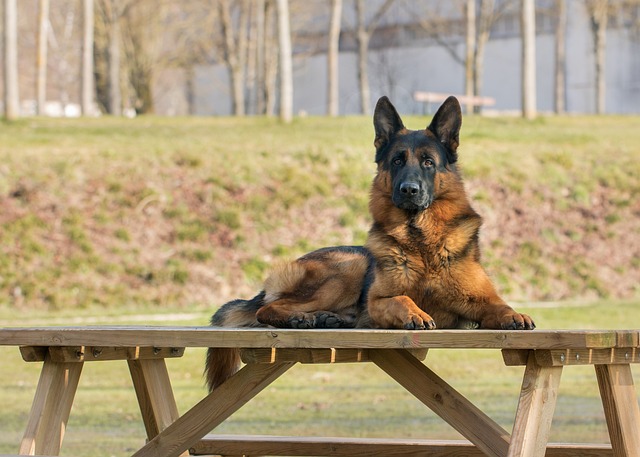
In conclusion, our comprehensive guide to German Shepherd dogs has shed light on the remarkable qualities of this iconic breed. From their intelligence and loyalty to their versatility and courage, German Shepherds have rightfully earned their place as one of the most beloved breeds worldwide. Throughout our exploration, we’ve delved into their rich history, distinctive characteristics, and essential care considerations, providing valuable insights for both current and prospective owners. Whether serving as devoted family companions, reliable working dogs, or loyal protectors, German Shepherds exemplify unwavering devotion and dedication. As you embark on your journey with a German Shepherd by your side, may you cherish the bond you share and the countless memories you’ll create together, enriched by their steadfast companionship and love.