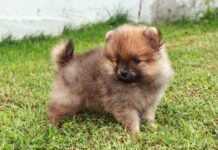
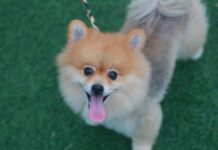
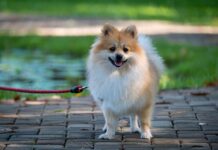
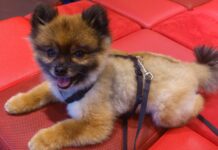
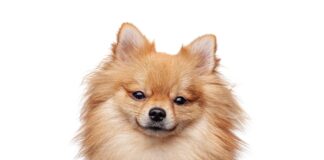
Despite their tiny size, Pomeranians are one of the dog world’s most beloved and charismatic breeds — adored not just for their fluffy coats, but for their remarkable confidence, zest for life, intelligence, and bold temperament. Whether you’re thinking about getting a Pom or you already have one, it’s impossible to ignore how much personality these small dogs pack into a 3–7 pound (1.4–3.2 kg) body. BarkBusters.com+1
In this detailed article you’ll learn:
-
The history and origins of the Pomeranian breed
-
How their big personalities developed
-
What makes their temperament and behavior so unique
-
Why they act “bigger than their size”
-
How to nurture their personality positively
-
Common challenges and rewards of life with a Pomeranian
Let’s dive in! 🐾
1. A Brief History: From Spitz Work Dog to Adored Companion
Pomeranians did not start life as tiny lap dogs. In fact, their ancestors were considerably larger.
Origins and Development
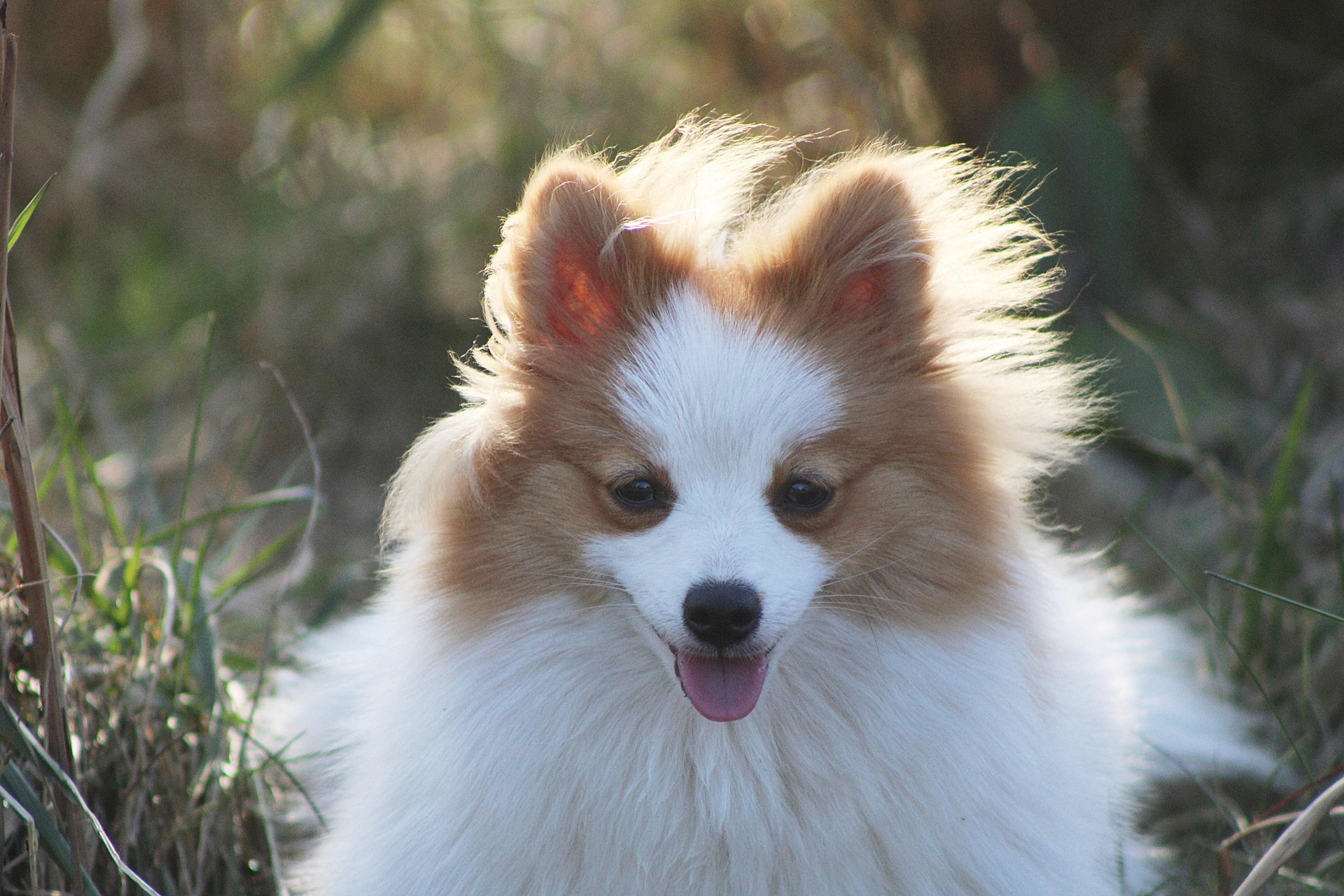
The Pomeranian descends from the German Spitz — a group of Northern European working dogs used for herding and sled pulling in cold northern climates. Over time, breeders in the Pomerania region (straddling modern‑day Germany and Poland) refined smaller versions of these dogs for companion purposes. K9Web+1
One pivotal moment in the breed’s history came in the late 19th century when Queen Victoria of England fell in love with a small Pomeranian while traveling. She brought one home, and from that point on the breed became fashionable among aristocracy and the general public. Breeders focused on reducing size and enhancing charm — creating the compact, fluffy Pomeranians we know today. BarkBusters.com+1
This historical breeding for companionship — rather than working ability — shaped Pomeranians’ bold and attention‑seeking personality traits that remain evident today.
2. Size & Physical Traits: Small, But Not Small‑Minded
Pomeranians typically stand about 6–7 inches tall at the shoulder and weigh between 3–7 pounds — small even among toy breeds. BarkBusters.com
Yet their double coat, fox‑like face, plumed tail, and alert expression give them an appearance that commands attention. Pretty Pomeranian
Because they were miniaturized from larger Spitz dogs, they retain many features associated with alertness and intelligence — including erect ears and expressive eyes — which communicates character well beyond their size. K9Web
Their physical form also contributes to their personality: their confident posture and fluffy coat make them stand out in any room, encouraging interaction and engagement.
3. “Big Dog” Attitude in a Tiny Package
One of the most striking aspects of Pomeranians is that they often act much bigger than they physically are.
Bold and Fearless
Despite their small stature, Pomeranians act with the confidence of larger breeds. They’re often fearless — unafraid to approach a much larger dog, investigate new situations, or assert themselves in unfamiliar surroundings. pattepatte.co+1
This behavior stems from both genetics and the breed’s historical role as small companions who needed to be alert and aware of their environment. Their ancestors were bred to work closely with humans in outdoor settings, and Pomeranians inherited that alert, watchful temperament in a compact form. America\’s Pet Registry
Vocal and Watchful
Pomeranians are naturally alert and vocal — traits that make them excellent little watchdogs. They may bark at unfamiliar sounds or visitors, not out of aggression, but out of genuine curiosity and a sense of duty to signal anything unusual. iHeartDogs.com
This combination of alertness and confidence underlies the “little dog, big personality” reputation.
4. Temperament: Lively, Loyal, and Lovable
Much of what makes Pomeranians so entertaining and engaging stems from their temperament — a blend of energy, intelligence, independence, and loyalty.
Energetic and Playful
Pomeranians are surprisingly active considering their size. They enjoy runs around the house, games of fetch, tug toys, and short outdoor walks. Even a lively indoor play session can fulfill their need for activity. K9Web
These energetic bursts often come with dramatic flair — quick head tilts, zoomie sprints, or playful alerts that can make you laugh. They rarely shy away from playtime and will eagerly invite interaction.
Affectionate and Loyal
Though bold, Poms are also affectionate and form strong bonds with their families. They enjoy being near their humans, often following them from room to room, seeking attention and comfort. K9Web+1
Some Pomeranians may even develop a “favorite person” and become especially devoted to them — relishing cuddles, lap time, and snuggles. Pet Insurance Australia
Independent and Intelligent
While loving, Pomeranians also demonstrate a streak of independence and intelligence. They enjoy mental stimulation — learning tricks, solving puzzle toys, or mastering basic commands. Houndsy
However, this intelligence means they can also sometimes be stubborn — a trait that makes consistent, positive training important early in life.
5. Pomeranian Personality in Everyday Life

Pomeranians bring joy and humor to daily routines through their lively behavior and expressive reactions.
Daily Energy and Engagement
Even if short on exercise requirements compared to larger breeds, Pomeranians thrive on daily interaction. A short walk, indoor play, or activity with toys keeps them happy and healthy — both physically and mentally. woofyclub.com
Poms also enjoy being “in the middle of things.” Whether you’re working, cooking, or relaxing, they often make their presence known — perched nearby or enthusiastically greeting you after a brief absence.
Bossy Boss of the House
Pomeranians are well known for thinking they’re the boss, often acting unaware of their size. This can show up as:
-
Barking to announce arrival or activity
-
Bravely confronting larger dogs
-
Chasing toys with unexpected gusto
-
Lounging in prime spots like sofas or beds
This bold, comical attitude is part of their charm and often leads owners to describe them as “drama queens” or “tiny divas in a fluffy suit.” Pomeranian Headquarters
Affection and Attention‑Seeking
Many Pomeranians crave attention and will actively seek it — nudging hands, doing a playful bark, or leaning for pets. Though independent, they thrive when included in family activities.
6. Training a Pomeranian’s Mind and Manners
Pomeranians’ intelligence and boldness mean they respond well to consistent, positive training — but it’s important to understand both strengths and challenges.
Positive Reinforcement Works Best
Training sessions that use treats, praise, and play tend to be most effective. Because Poms are smart, they learn quickly when sessions are fun and engaging. pattepatte.co
Socialization Is Key
Early socialization helps Poms learn how to interact with other people and animals confidently — reducing excessive barking or “bossy” behavior later. iHeartDogs.com
Barking Management
While some vocalization is natural, it’s helpful to teach commands like “quiet” to prevent nuisance barking — especially in apartments or close living quarters where excessive noise can be problematic.
Teaching routines and boundaries fosters a balanced personality that brings out the best of their big‑dog confidence without letting it turn into mischief.
7. Personality Pitfalls — And How to Handle Them
While Pomeranians’ large personalities are part of their appeal, there are a few things new and experienced owners should understand:
Small Dog Syndrome
Some small breeds, including Pomeranians, can develop a behavior often called Small Dog Syndrome — where they act aggressively or dominantly because their owners unintentionally reinforce that behavior. Dog Breeding
This is best managed with:
-
Firm, consistent training
-
Setting clear boundaries
-
Encouraging calm behavior
Pomeranians often think they’re much bigger than they are, and training helps them learn appropriate social behavior.
Barking and Alert Behaviors
Because Poms are alert and vocal, they may bark at new sounds or visitors. Early exposure to a variety of environments, sounds, and people can reduce over‑reactive barking. iHeartDogs.com
8. Social and Family Compatibility
Pomeranians adapt well to family life — but like any breed, they have specific needs:
Great for Many Households
They thrive in apartments, small homes, and city environments where short daily walks and indoor play can meet their needs. K9Web
Poms can be great with older children who understand how to handle small dogs gently and respectfully. Their size means they should always be supervised around very young or overly energetic kids.
Can Coexist With Other Pets
Pomeranians often fit well in multi‑pet homes, especially when socialization is introduced early. Their bold nature means they may try to assert themselves even around larger dogs — so slow introductions and monitored interactions help ensure harmony.
9. Lifespan and Health — Supporting a Long, Happy Life
Pomeranians typically live 12–16 years, which is relatively long for a dog. BarkBusters.com
While their personalities pack energy, support from regular vet checkups, balanced nutrition, exercise, and mental stimulation keeps them healthy and sharp throughout life.
Some common health considerations include dental care, patella luxation, and coat health — but with proactive care, Pomeranians often thrive well into their teens.
10. Final Thoughts: The Joy of Owning a Pomeranian
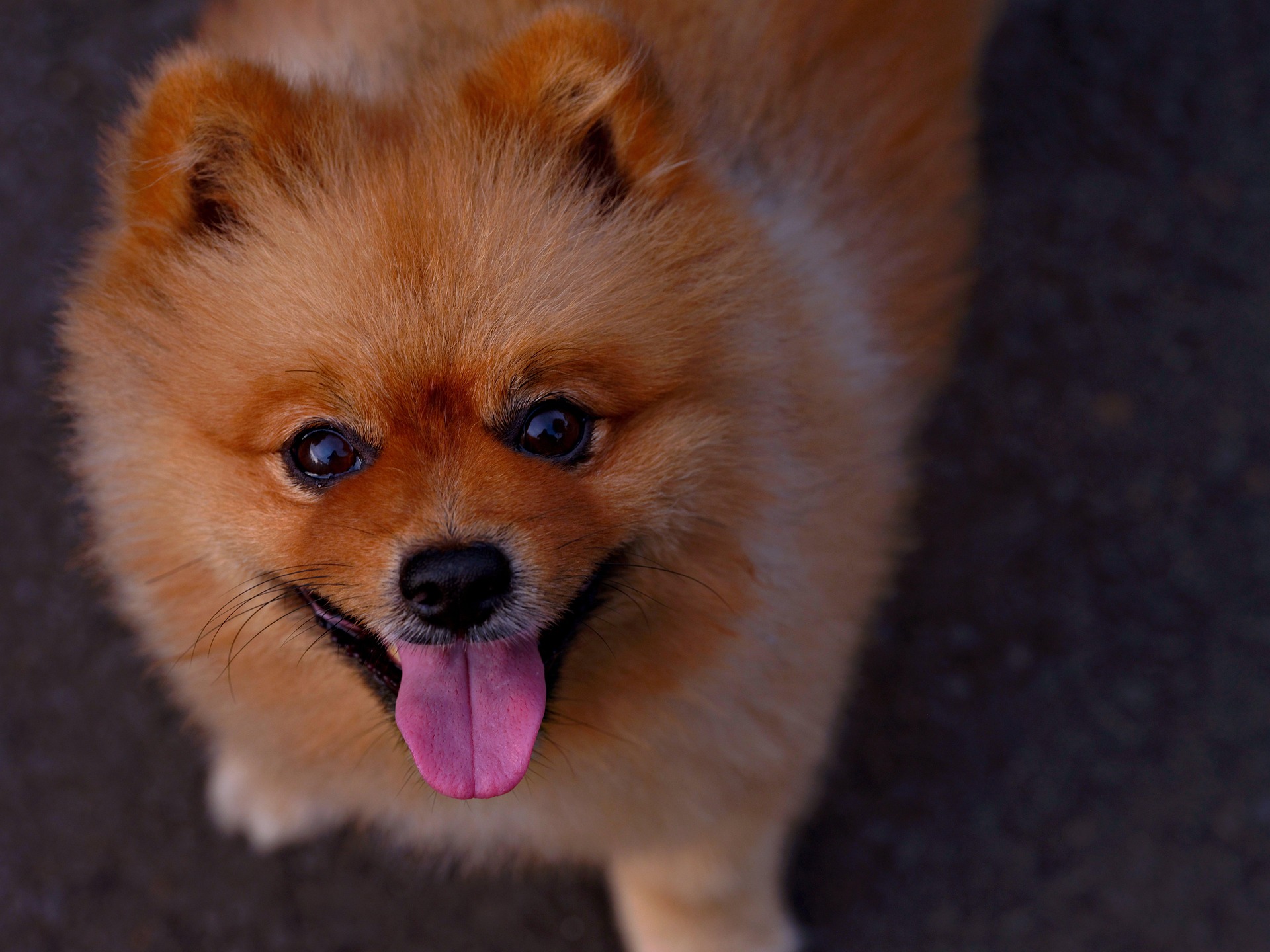
Pomeranians are genuinely remarkable — tiny in size but overflowing with character. They balance confidence, loyalty, playfulness, and curiosity in a way that makes them unforgettable companions. Their spirited attitude and affectionate nature make them ideal for families, individuals, and seniors alike. K9Web
Owning a Pom means embracing their big personality — learning to laugh with them, train them consistently, and enjoy their unique brand of charm. These little dogs bring rich, entertaining, and meaningful relationships that far exceed their stature.
In the end, Pomeranians prove a timeless truth about dogs: it’s not the size of the body that determines the size of the personality — it’s the dog inside it. 🐶❤️
Sources & Further Reading
Here are the trusted informational sources used throughout this article:
🔗 Pomeranian Personality & Characteristics – Bark Busters BarkBusters.com
🔗 Pomeranian: The Tiny Dog with a Giant Personality – K9Web K9Web
🔗 The Pomeranian: Exploring Temperament, Size, and Fun Facts – PattePatte pattepatte.co
🔗 Pomeranian Personality Guide – WoofyClub woofyclub.com
🔗 Understanding Pomeranian Temperament – Houndsy Houndsy
🔗 Pomeranian Breed Facts & Traits – BreedScout breedscout.com
🔗 Pomeranian Information & Care – The Cynologist thecynologist.com
🔗 Pomeranian Breed Facts – PetInsuranceAustralia Guide Pet Insurance Australia
Pomeranians may look like walking cotton balls, but beneath that fluffy cloud lies one of the biggest personalities in the canine world. These tiny dogs have more confidence, sass, emotion, intelligence, and comedic flair than breeds ten times their size. They strut, they supervise, they love fiercely, they demand attention, and they fill homes with joy and chaos in equal measure.
Below are the most detailed, emotional, and humor-filled FAQs explaining why this miniature breed behaves like a lion in a teddy-bear costume.
1. Why do Pomeranians have such huge personalities despite being so small?
Pomeranians are descended from large sled-pulling Spitz dogs, some weighing up to 30+ kg. Their confident, bold personality comes from ancestors who survived harsh climates, worked with humans, and protected territory.
Why their personalities feel so big:
-
They inherited the Spitz bravery gene.
-
They see themselves as equal to—or superior to—everyone.
-
Their intelligence makes them expressive and assertive.
-
They bond deeply and defend their loved ones loudly.
-
Their energy level is extremely high for a toy breed.
A Pomeranian believes they are a towering wolf. Humans may disagree. The Pomeranian does not.
2. Are Pomeranians really as confident as they seem?
Yes. In fact, they’re one of the most confident toy breeds in existence.
Pomeranians often walk with a bold prance, head held high, tail curled proudly over their back. Their posture says:
“I am majestic. Bow before my fluff.”
But why so much confidence?
-
Their Spitz lineage gives them natural self-assurance.
-
They don’t see themselves as small.
-
Their bold nature was intentionally bred into them.
-
They learn quickly and expect acknowledgment for everything.
-
They are social and enjoy attention, which feeds their ego.
Confidence is a defining trait.
Arrogance… might also be a defining trait.
3. Why do Pomeranians bark so much?
Their barking is not misbehavior—it’s communication. And it’s rooted in instinct.
Reasons Pomeranians bark a lot:
-
Alertness: They notice everything.
-
Guarding: They protect their territory with passion.
-
Attention-seeking: Barking brings people to the stage (them).
-
Excitement: They bark when happy, playing, or greeting.
-
Anxiety: They bark to express emotional needs.
They bark because they truly believe they are your home security system, emotional advisor, and personal supervisor.
When a leaf falls outside, a Pom believes it may be a threat. They must sound the alarm.
4. Why are Pomeranians so expressive?
Spend one day with a Pom and you’ll realize they have more facial expressions than some people. They raise eyebrows, squint dramatically, tilt their heads, and look offended with Oscar-worthy skill.
Reasons for their expressiveness:
-
High emotional intelligence
-
Strong social drive—they pay attention to humans
-
Communication instincts inherited from Spitz ancestors
-
Their huge eyes amplify expressions
-
Their dramatic nature (yes, they are drama queens)
They don’t just look at you.
They talk with their eyes.
5. Why do Pomeranians act like they’re bigger dogs?
Because in their minds… they are.
This phenomenon is often called “big dog syndrome,” but with Pomeranians, it’s not insecurity—it’s confidence.
Reasons they act big:
-
Historically descended from large working dogs
-
Strong prey-drive and guarding instincts
-
Natural courage
-
Desire to protect their owners
-
High self-esteem (bordering on delusion)
A 2.5 kg Pom will challenge a 30 kg dog without hesitation.
Not recommended—but undeniably brave.
6. Are Pomeranians good for families, or are their big personalities too much?
Pomeranians can be excellent family dogs when their needs and personalities are understood.
They are great for families because:
-
They are affectionate and love attention.
-
They enjoy playtime and learning tricks.
-
They are loyal and bond strongly with their people.
-
They add laughter and energy to the household.
But families must consider:
-
They are delicate—rough handling can injure them.
-
They may bark at unfamiliar children or rowdy play.
-
They can become overwhelmed if not socialized properly.
-
Their boldness may lead them to challenge bigger pets.
With gentle children and a calm environment, a Pom becomes a devoted family member.
7. Why are Pomeranians so attached to their owners?
Pomeranians bond deeply with their caregivers, often forming strong emotional attachments.
Reasons for this attachment:
-
High social needs
-
Velcro-dog tendencies
-
Small size makes them seek safety and closeness
-
They love being included in everything
-
Strong loyalty as a personality trait
A Pom doesn’t just follow you—they escort you.
To the bathroom, the kitchen, the front door… anywhere.
If your Pomeranian sticks to you like glue, it’s not clinginess.
It’s love wrapped in a fluffy body.
8. Are Pomeranians really as smart as people say?
Absolutely. Pomeranians rank among the top most intelligent toy breeds.
They are smart because they:
-
Learn commands quickly
-
Understand emotions
-
Problem-solve
-
Pick up routines almost instantly
-
Manipulate with cuteness (expert-level skill)
-
Study your behavior carefully
However, their intelligence also means:
-
They get bored easily
-
They require mental stimulation
-
They can outsmart their humans
-
They become naughty if not challenged
A Pom will learn a trick in 10 minutes—and then use that trick to negotiate for treats.
9. Why do Pomeranians act dramatic?
Pomeranians have strong reactions.
Every emotion is felt at 200% intensity.
Examples:
-
You leave the house: Trauma.
-
You come home: Explosive joy.
-
You take away a sock: Life is over.
-
You sit down: Must sit on your lap immediately.
-
You ignore them: Offended beyond belief.
Reasons for their dramatic nature:
-
They are highly expressive
-
They crave attention
-
They are sensitive to emotions
-
They enjoy being the center of everything
-
Their tiny bodies contain enormous emotional energy
A dramatic Pom isn’t spoiled—it’s just who they are.
They feel big, love big, and react big.
10. Are Pomeranians naturally bold, or is it behavior from owners?
Both.
Innate boldness:
-
Inherited from Spitz ancestors
-
Genetic confidence
-
Natural watchdog instincts
-
Courageous personality
Nurtured boldness:
-
Owners treat them like babies
-
Overprotective behavior
-
Constant attention reinforces confidence
-
Lack of boundaries
A Pom comes into the world bold.
Humans often turn that boldness into full-blown royalty.
11. Why do Pomeranians behave like little watchdogs?
Despite being tiny, Pomeranians are excellent watchdogs.
They bark at:
-
People walking near your house
-
Sounds only they can hear
-
Leaves
-
The wind
-
Their own reflection
Why they watch and bark:
-
High awareness and alertness
-
Strong protective instincts
-
Natural vocal tendencies
-
Love for their family
-
Fearlessness
They take their guarding job seriously.
Even if the “threat” is just a suspicious leaf.
12. Why do Pomeranians have so much energy?
Pomeranians may be small, but they are high-energy dogs with active minds and lively bodies.
Reasons for high energy:
-
Descended from working sled dogs
-
Toy breeds often have fast metabolisms
-
They are mentally active and curious
-
They love to play and explore
-
They have bursts of excitement (zoomies)
Pomeranians need physical exercise and mental stimulation daily.
Otherwise, they turn their energy into chaos—barking, chewing, or getting into trouble.
13. Why do Pomeranians love being the center of attention?
Because they were bred for companionship—and companionship, in Pom language, means:
“You must adore me at all times.”
Reasons for attention-seeking:
-
They are social by nature
-
They thrive on interaction
-
They enjoy praise and applause
-
They quickly learn that cuteness = rewards
-
Their intelligence makes them crave engagement
Ignoring a Pom is not an option.
They will talk, tap your hand, bark, or stare until you acknowledge their existence.
14. Why do Pomeranians sometimes seem stubborn?
Pomeranians are intelligent, but they also possess a streak of independence.
Reasons for stubborn behavior:
-
They believe they know best
-
Their intelligence makes them selective listeners
-
They prefer negotiating rather than obeying
-
They are emotionally expressive
-
They get bored with repetitive tasks
Training a Pom requires patience, praise, and creativity.
Bribery—sorry, positive reinforcement—works extremely well.
15. What makes Pomeranians feel like more than pets?
This is where the magic of the breed shines.
Pomeranians feel like family members because:
💛 They have strong emotional connections
They bond intensely with their owners.
💛 They are expressive and communicative
Their faces and voices tell stories.
💛 They participate in daily life
From morning routines to bedtime snuggles, they are always involved.
💛 They give unconditional love
They adore their humans with passion and loyalty.
💛 Their personalities make them unforgettable
You don’t “own” a Pom—you share your life with a tiny, hilarious, stubborn, affectionate companion who fills every moment with joy.
Pomeranians transform households into happier places.
They bring silliness, warmth, mischief, emotional connection, and heart-melting companionship.
In short:
They’re not just pets.
They’re family.