Despite their small stature, Pomeranians are incredibly loyal, affectionate, and devoted companions — earning a reputation as one of the most loving toy‑dog breeds. Their personality is big, bold, and deeply attached to their humans, which makes them feel more like family members than mere pets. In this comprehensive guide, we’ll explore what loyalty really looks like in Pomeranians, why they form such strong bonds, how loyalty shows up in behavior, and tips for nurturing that bond in everyday life.
Whether you’re considering bringing one into your home or you already have a Pom that follows you everywhere, this guide will help you understand why these tiny dogs may just be the most loyal companions you’ll ever meet.
1. What Does “Loyal” Really Mean in a Dog?
“Loyalty” in dogs refers to a deep and sustained attachment to their human family. Loyal dogs display:
-
Strong emotional bonds
-
Desire to stay close to their owners
-
Protective or alert behaviors
-
Attention‑seeking in positive ways
Pomeranians may be small, but their loyalty manifests in ways that are unmistakable — from vying for attention to alerting you when something is amiss. Unlike some independent breeds that enjoy time alone, Pomeranians thrive on human company and feel happiest when they’re close to their favorite person. Pomeranian Headquarters+1
2. Strong Bonds Formed Through Affection and Attention
One major reason Pomeranians are viewed as exceptionally loyal is their affectionate nature. These dogs are not shy about showing affection, and they often do so with physical closeness and expressive body language. According to temperament guides, Pomeranians enjoy cuddling, sitting on laps, and being involved in daily life activities with their humans. Pomeranian Headquarters
Their attachment often goes beyond simple preference — many Pomeranians exhibit behaviors such as:
-
Following their owners around the house
-
Greeting people warmly after time apart
-
Seeking out physical contact or snuggles
Their loyalty isn’t superficial — it often involves genuine emotional engagement. As one temperament overview notes, Poms “form deep emotional connections with their owners and thrive on attention and affection.” SNIFFSPOT
3. The Velcro Dog: Why Pomeranians Stick Close
Many Pomeranian owners affectionately call them “velcro dogs” because these pups tend to stick to their humans like glue. They enjoy being near their people, watching what they’re doing, and being part of everyday routines — from cooking to working and relaxing. Houndsy
This behavior starts in early life and continues as they age. Pomeranians were bred to be companion dogs — and the modern breed retains that strong desire to be close to their human family members. This means they’re often happiest when they’re right where the action is, whether it’s nap time or dinner prep. PomsCare
Their love of companionship also explains why Pomeranians can suffer from separation anxiety if left alone too long — another indicator of how deeply they bond with their people. Pomeranian Headquarters
4. Protective Instincts — Small Dogs with Big Hearts
Loyalty isn’t just about affection — it also shows up in how a dog watches over its family. Pomeranians are naturally alert and attentive. Their watchdog tendencies often include barking at strangers or unfamiliar sounds, which is their way of telling you something is different or possibly wrong. Dogz Online
Because they are so bonded to their owners, many Pomeranians also:
-
Alert families to new visitors
-
Stay close during unfamiliar situations
-
Sometimes show protective behaviors
However, due to their small size, they’re not guard dogs in a traditional sense. They won’t physically protect you, but they will certainly let you know when someone is at the door — often enthusiastically! Pomeranian Headquarters
5. Loyalty and Emotional Sensitivity
One of the most remarkable things about Pomeranians is their emotional responsiveness — they seem to feel what their owners are experiencing. Many owners report their Pomeranians being especially affectionate during times of stress, sadness, or illness. This isn’t just anecdotal; dogs overall are known to pick up on human cues such as tone of voice, posture, and emotional energy, and Pomeranians — with their affectionate nature — seem especially tuned to their people.
For example, a Pomeranian may:
-
Cuddle more when you’re upset
-
Stay extra close when you’re tired
-
Display calming behaviors when you’re stressed
This sensitivity strengthens the emotional bond and deepens loyalty, making the Pom’s devotion feel very personal and intimate.
6. How Pomeranians Show Their Devotion Daily
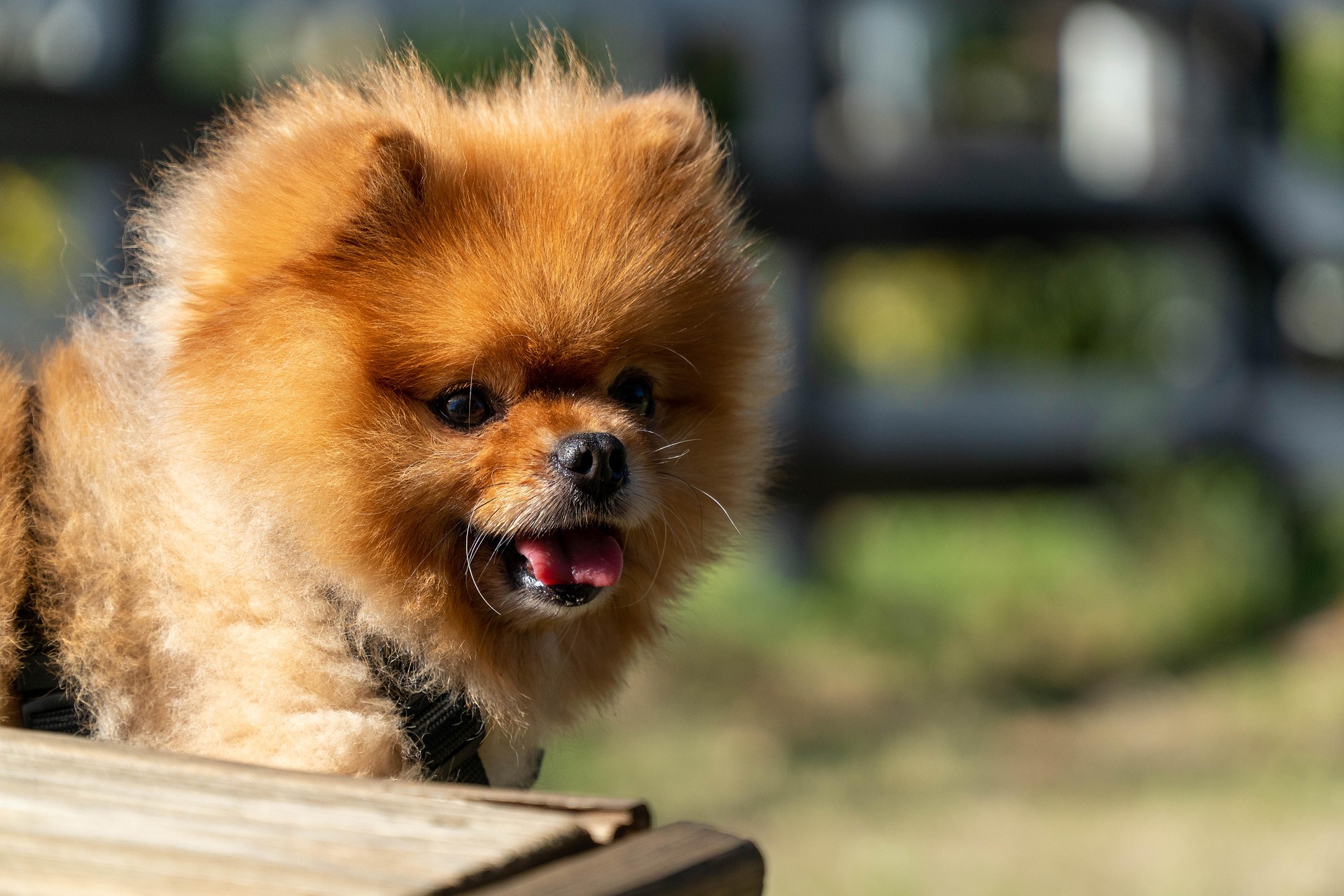
Pomeranians don’t just feel bonded — they show it regularly. Here are common ways their loyalty appears in everyday behavior:
Following You Everywhere
Pomeranians often shadow their owner’s movements, wanting to be involved in every moment of the day. PomsCare
Greeting With Excitement
When you come home, many Poms greet their owners with happy body language — tail wagging, excited barks, or joyful spins. Pomeranian Headquarters
Wanting to Be Close
From lying next to you on the couch to curling up beside your feet at night, Pomeranians seek closeness. Pomeranian Headquarters
Alerting You to Sounds
Their alert nature means they’re quick to tell you something’s happening in or around your home — another way they stay connected and engaged. Dogz Online
Showing Jealous or Protective Behavior
Some Poms may show behaviors like slight jealousy or guarding tendencies when attention shifts, because their loyalty is intense. Reddit
Each of these behaviors reflects the deep attachment and devotion characteristic of the breed.
7. Does Loyalty Mean Emotional Dependence?
One side effect of strong loyalty can be emotional dependence. Many Pomeranians don’t enjoy being left alone and may show signs of distress when separated from their people for too long. This separation anxiety isn’t unique to Poms, but their intense attachment can make it more noticeable. Pomeranian Headquarters
Signs of separation anxiety can include:
-
Whining or crying when you leave
-
Restlessness or pacing
-
Acting out destructively when alone
This tendency highlights how deeply they bond — but it also means Pomeranian owners need to plan for social interaction, enrichment, and training that help their dog feel secure, even when alone for short periods.
8. Loyalty and Training: Building a Strong Foundation Together
Pomeranians are both intelligent and responsive, which makes them wonderful training companions. Their loyalty can amplify training results, since they want to impress and please their owners. Houndsy
Effective Training Tips
✔ Use positive reinforcement (praise, treats, affection)
✔ Keep sessions short and engaging
✔ Socialise early to build confidence
✔ Pair training with play and bonding moments
A Pomeranian that loves and respects its owner will usually respond enthusiastically to training — which strengthens the loyalty even more.
9. The Emotional Bond: Stories From Real Owners
Many Pomeranian owners describe their bond with their dogs in deeply emotional terms. Common themes include:
-
Poms that sleep next to their owner every night
-
Dogs that follow their favorite person from room to room
-
Poms that show distress when their owner leaves but joy when they return
Reddit and other online communities are full of heartfelt posts recounting how these dogs attach deeply to their families — sometimes with comedic devotion, other times with heart‑melting loyalty. Reddit
This real‑world feedback underscores what temperament studies suggest: loyalty in Pomeranians isn’t just a breed stereotype — it’s a lived experience for many owners.
10. Why Loyalty Makes Pomeranians Great Family Companions
Loyalty is part of what makes Pomeranians such excellent companion dogs for the right owners. Their devotion enhances daily life in several ways:
1. Constant Companionship
Poms want to be with you — on walks, during errands, or while watching TV — giving a reliable sense of closeness. Pomeranian Headquarters
2. Emotional Support
Their affectionate nature and desire for closeness offer emotional comfort and a sense of security. Pomeranian Fans
3. Engaging Personalities
Their loyalty comes with high energy, vocal communication, and animated behavior that can make everyday interactions lively and joyful. SNIFFSPOT
4. Longevity of Bond
Many Pomeranians live 12–16 years or more, meaning their loyalty can span long periods of life with a family. Pomeranian Fans
These traits make them ideal companions for individuals and families who have the time and dedication to reciprocate their love.
11. Challenges of Strong Loyalty (and How to Manage Them)
While loyalty is wonderful, it can come with challenges if not managed well:
Separation Anxiety
As noted earlier, their strong bond can lead to anxiety when alone. Consider crate training, puzzle toys, or gradually increasing alone time to help them cope. Pomeranian Headquarters
Jealousy or Attention Seeking
Some Poms may seek attention intensely — even nudging between you and another pet. Positive reinforcement, consistent boundaries, and shared attention help manage this. Reddit
Excessive Barking
Their alertness and loyalty can lead to frequent barking, which needs patient training to reduce. Teaching a “quiet” command can help curb unnecessary noise. Houndsy
Addressing these behaviors proactively ensures loyalty stays healthy and balanced.
12. Friendship Beyond the Owner — Loyalty to the Whole Family
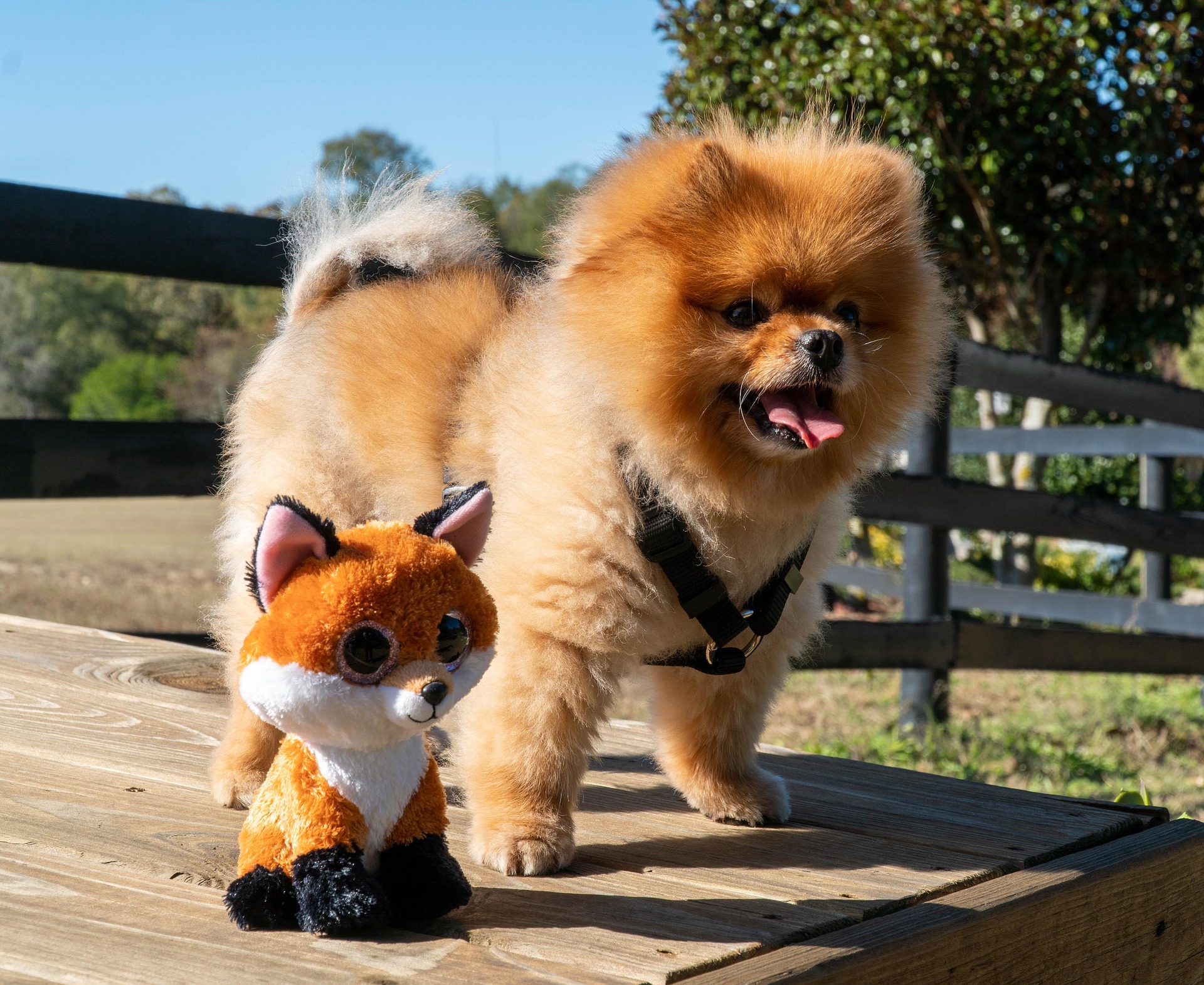
Although many Pomeranians form a special bond with one particular person, they often extend that loyalty to other family members — especially when socialized well from a young age. Pomeranian Fans
This loyalty can show up as:
-
Greeting every family member at the door
-
Seeking out cuddles from multiple people
-
Playing with all children or adults equally
Their social nature combines affection with loyalty to create flexible and enduring relationships.
13. Final Thoughts: Tiny Dogs With Giant Hearts
Pomeranians prove that loyalty isn’t measured in size. These small, spirited dogs offer deep emotional connections, lively companionship, and unwavering devotion to their people. Their affectionate nature, alert personalities, and ability to form intense bonds make them some of the most loyal tiny dogs you can bring into your home.
Understanding and nurturing that loyalty helps you create a lasting, heartwarming relationship with a Pomeranian that goes far beyond typical pet ownership — these dogs become family. SNIFFSPOT+1
Sources & Further Reading
🔗 Pomeranian Temperament and Traits — Sniffspot (friendly, intelligent, loyal) SNIFFSPOT
🔗 Reasons Why Pomeranians Are Perfect Lap Dogs — Pomeranian Fans (affection and loyalty) Pomeranian Fans
🔗 Pomeranian Personality Traits — Pomeranian.Org (affection, loyalty, attachment) Pomeranian Headquarters
🔗 Understanding Pomeranian Temperament — Houndsy (loyal, affectionate, social) Houndsy
🔗 Are Pomeranians Protective of Their Owners? — Pomeranian.Org (protective instincts and attachment) Pomeranian Headquarters
🔗 Pomeranian Breed Guide — DogzOnline (loyalty and family bond) Dogz Online
🔗 Pomeranian Companionship and Loyalty — PomsCare (following behavior and attachment) PomsCare
Pomeranians may be small in size, but they are big in personality and loyalty. Known for their affectionate nature, intelligence, and playful energy, these tiny dogs form deep bonds with their families. Understanding what makes Pomeranians loyal, how to foster that loyalty, and how to meet their physical and emotional needs is essential for every owner.
This FAQ guide explores loyalty traits, social behavior, training, health, bonding, and care tips to help owners cultivate a strong, loving relationship with their Pom.
FAQ: Why Pomeranians Are the Most Loyal Tiny Dogs
1. What makes Pomeranians so loyal to their owners?
Several traits contribute to their famous loyalty:
-
Affectionate personality: They naturally seek closeness and attention from family members.
-
Intelligence: Their ability to learn and remember routines strengthens bonds.
-
Attachment style: Poms form strong attachments and often follow owners around the home.
-
Protective instincts: Despite their size, they are alert and watchful, often acting as tiny guardians.
-
Social and playful nature: Loyalty is reinforced through interaction, play, and training.
These traits make Pomeranians highly attentive and devoted companions, often showing loyalty beyond what is typical for their size.
2. Do Pomeranians show loyalty differently than larger breeds?
Yes, while larger breeds may demonstrate loyalty through physical protection, Pomeranians show it in unique ways:
-
Constant companionship: They enjoy following you room to room.
-
Vocal alerting: They may bark to warn of strangers or unusual activity.
-
Affectionate gestures: Cuddling, pawing, and nudging indicate devotion.
-
Attention-seeking: They may insist on being near their favorite person during activities.
Though small, their emotional loyalty is intense, often matching or exceeding larger dogs.
3. How do Pomeranians bond with their families?
Poms bond through:
-
Physical affection: Snuggling on laps or resting next to owners
-
Playtime: Fetch, tug-of-war, and interactive games strengthen attachment
-
Training sessions: Positive reinforcement builds trust and respect
-
Routine participation: Sharing meal times, walks, and daily activities
-
Social engagement: Being included in family events increases loyalty
Strong bonding ensures your Pom is happy, secure, and devoted.
4. Are Pomeranians loyal to one person or the entire family?
-
Some Poms may form a primary attachment to one person, often the one who feeds, trains, or spends the most time with them.
-
Many Pomeranians are equally loyal to multiple family members, especially when socialized from a young age.
-
Their loyalty extends to consistent caregivers, including siblings, grandparents, or partners.
Understanding your Pom’s preferences helps foster harmonious household relationships.
5. How can I encourage loyalty in my Pomeranian?
-
Spend quality time daily: Walks, play, and cuddle sessions strengthen bonds.
-
Training and mental engagement: Reward-based learning reinforces trust.
-
Consistency and routine: Dogs feel secure when routines are predictable.
-
Positive reinforcement: Praise, treats, and affection deepen loyalty.
-
Socialization: Exposure to family members, pets, and visitors increases trust.
With patience and attention, Pomeranians naturally develop strong devotion.
6. How do Pomeranians show loyalty through behavior?
-
Following you around the home
-
Alert barking or vocalizing when someone approaches
-
Protective postures or guarding toys and spaces
-
Excitement and greeting rituals when you return home
-
Comforting behaviors, such as lying near you when you are upset
These behaviors demonstrate emotional attachment and devotion.
7. Are Pomeranians prone to separation anxiety due to their loyalty?
Yes, Poms can develop separation anxiety if overly dependent on one person:
-
Symptoms: Excessive barking, whining, destructive chewing, pacing, or accidents indoors
-
Prevention strategies:
-
Gradually teach independence
-
Provide safe spaces or crates
-
Rotate interactions among family members
-
Use toys and puzzle feeders to occupy time when alone
-
Managing separation anxiety ensures healthy loyalty without stress.
8. How does socialization affect loyalty in Pomeranians?
-
Early socialization teaches Poms to trust and respect people.
-
Introducing your Pom to multiple family members, friends, and safe environments strengthens attachment.
-
Lack of socialization can cause fearfulness or excessive clinginess to a single person.
Well-socialized Poms are loyal, confident, and adaptable.
9. Can Pomeranians be loyal to other pets?
-
Pomeranians often form strong bonds with other household pets, including dogs, cats, and even birds.
-
Loyalty may manifest as protective behavior, shared play, or grooming companionship.
-
Early positive introductions are key to fostering trust and loyalty among pets.
Multi-pet households can be harmonious with structured routines and supervision.
10. How important is training for building loyalty?
Training enhances loyalty by:
-
Establishing trust and clear communication
-
Reinforcing desired behaviors through positive reinforcement
-
Encouraging mental stimulation, which strengthens attachment
-
Creating a routine, which fosters security and confidence
Well-trained Pomeranians are obedient, attentive, and emotionally connected to their owners.
11. How do I handle a Pomeranian’s stubbornness while maintaining loyalty?
-
Poms are intelligent but can be independent or stubborn.
-
Use reward-based methods rather than punishment.
-
Break training into short, frequent sessions.
-
Keep a playful, positive attitude—loyalty grows from trust, not fear.
-
Consistency is key; mixed signals weaken trust and loyalty.
Approach stubbornness with patience to reinforce attachment and cooperation.
12. Do Pomeranians protect their owners as part of loyalty?
-
Despite their small size, Poms are alert and watchful.
-
They may bark or alert owners to strangers or unusual activity.
-
Loyalty manifests in emotional vigilance, even if they cannot physically defend.
-
Combining socialization with positive reinforcement ensures protective behavior remains appropriate.
Their loyalty includes emotional guardianship rather than physical defense.
13. How do I foster lifelong loyalty in a Pomeranian?
-
Start early: Socialization, training, and bonding from puppyhood
-
Daily attention: Play, walks, and cuddles reinforce attachment
-
Health care: Routine vet visits, proper diet, and grooming show love and build trust
-
Respect boundaries: Avoid forcing interaction when your Pom seeks alone time
-
Consistency: Maintain routines for meals, play, and rest
Lifelong loyalty develops when your Pom feels safe, loved, and valued.
14. Are Pomeranians loyal even to strangers?
-
Poms are naturally protective of their family.
-
Loyalty often means wariness around strangers, sometimes perceived as aloofness.
-
Proper socialization helps them balance friendliness with attachment, making them polite and confident.
-
Rewarding calm behavior around guests strengthens positive interaction.
Balanced socialization fosters trust without undermining loyalty to family.
15. How does feeding influence loyalty in Pomeranians?
-
Poms often associate the person who feeds them with care and security.
-
Establish a feeding routine to strengthen bonds.
-
Avoid using food as punishment; instead, use it to reward positive behavior.
-
Meals can become a bonding ritual, enhancing emotional attachment.
Feeding is a simple yet powerful tool to cultivate loyalty.
16. How do Pomeranians show loyalty through body language?
-
Following you around the house
-
Wagging tail upon approach
-
Resting head or paws on your lap
-
Leaning against you during rest
-
Excited spinning or bouncing upon greeting
Understanding these signals helps owners recognize and reciprocate loyalty.
17. Can loyalty turn into over-protectiveness in Pomeranians?
-
Some Poms may become over-protective if not socialized or trained properly.
-
Signs: Excessive barking, growling at strangers, or guarding toys
-
Prevention: Consistent boundaries, socialization, and positive reinforcement
-
Reward calm, friendly behavior around visitors
Proper training ensures healthy loyalty without aggression.
18. How do Pomeranians react to a new baby or child in the household?
-
Poms often remain loyal but may require gradual adjustment.
-
Introduce the baby slowly and reward calm behavior.
-
Maintain routines for feeding, walks, and attention to prevent jealousy.
-
Loyal Poms often become protective and affectionate toward the child.
Early guidance fosters bonding and harmonious family dynamics.
19. How can I tell if my Pomeranian is truly loyal?
Signs of loyalty include:
-
Prefers being near you consistently
-
Responds to your emotions or presence
-
Follows routines and commands willingly
-
Shows excitement upon return or greeting
-
Comforts you when you are upset or stressed
Loyalty is reflected in consistent affection, attachment, and attentiveness.
20. How does playtime strengthen loyalty?
-
Interactive play builds trust, confidence, and joy
-
Rewarding good behavior during play reinforces positive associations
-
Play allows owners to understand preferences and personality traits
-
Encourages mental stimulation and energy release, which reduces stress
Playtime is one of the most effective ways to deepen attachment.
21. Are Pomeranians loyal to elderly owners or single people?
Yes, they thrive in smaller households:
-
Often form strong, devoted bonds with one primary caregiver
-
Provide companionship and emotional support
-
Follow routines closely and respond to cues quickly
-
Can be particularly loyal and protective in quiet or one-on-one environments
This makes them ideal for seniors, singles, or small families.
22. How do Pomeranians maintain loyalty as they age?
-
Older Poms may slow down physically but remain emotionally connected
-
Continue daily interaction, gentle play, and mental stimulation
-
Maintain feeding and grooming routines to reinforce attachment
-
Monitor for health changes to ensure comfort and trust
Age does not diminish loyalty; consistent care strengthens the bond over time.
23. How does training impact a Pomeranian’s loyalty long-term?
-
Training establishes trust, communication, and respect
-
Reinforces routines and obedience, increasing reliability
-
Encourages independence without weakening attachment
-
Helps manage behavioral issues like excessive barking or nipping
Well-trained Poms are devoted, attentive, and manageable companions.
24. Can Pomeranians form emotional bonds with multiple people in a household?
-
Yes, with consistent exposure and fair attention
-
Rotating interactions helps avoid favoritism or jealousy
-
Reward calm behavior and sharing during play and cuddles
-
Loyalty spreads across family members while still being intensely affectionate
Balanced interaction ensures happy, confident, and loyal Pomeranians.
25. Summary — Why Pomeranians Are the Most Loyal Tiny Dogs
To nurture a Pomeranian’s loyalty:
-
Spend daily quality time: Play, walks, and cuddles
-
Socialize early and often: Family members, pets, and guests
-
Use positive reinforcement: Praise, treats, and affection
-
Maintain routines: Meals, exercise, play, and rest
-
Train consistently: Obedience, tricks, and behavioral guidance
-
Respect boundaries: Provide safe spaces and alone time
-
Monitor health and comfort: Feeding, grooming, and vet care
-
Include them in family life: Bonding strengthens emotional attachment
By following these steps, your Pom becomes a fiercely loyal, affectionate, and joyful companion, proving that size does not determine the depth of loyalty.
✅ Conclusion
Pomeranians are tiny dogs with enormous hearts, capable of forming deep emotional bonds with their owners. Their loyalty manifests in constant companionship, affectionate behavior, and watchful attentiveness, making them a beloved addition to any family.
With proper socialization, training, health care, and daily engagement, Pomeranians thrive as devoted companions, proving that loyalty is measured by love and devotion, not size.