Dachshunds — affectionately known as “wiener dogs,” “sausage dogs,” or “doxies” — hold a special place in the hearts of dog lovers around the world. Despite their short legs and compact bodies, these charismatic dogs are famous for their big, bold personalities, determined attitudes, and affectionate nature. They are the kind of dog that quickly becomes part of the family and leaves a lasting emotional impression — sometimes as a small dog with the biggest character you’ve ever met.
In this deep dive, we’ll explore why Dachshunds possess such outsized personalities, focusing on history, temperament, behavior traits, intelligence, loyalty, courage, and their unique place in popular culture. We’ll also look at what owning one is really like — from training quirks to social behavior and lifestyle needs.
Let’s begin by understanding where this breed came from.
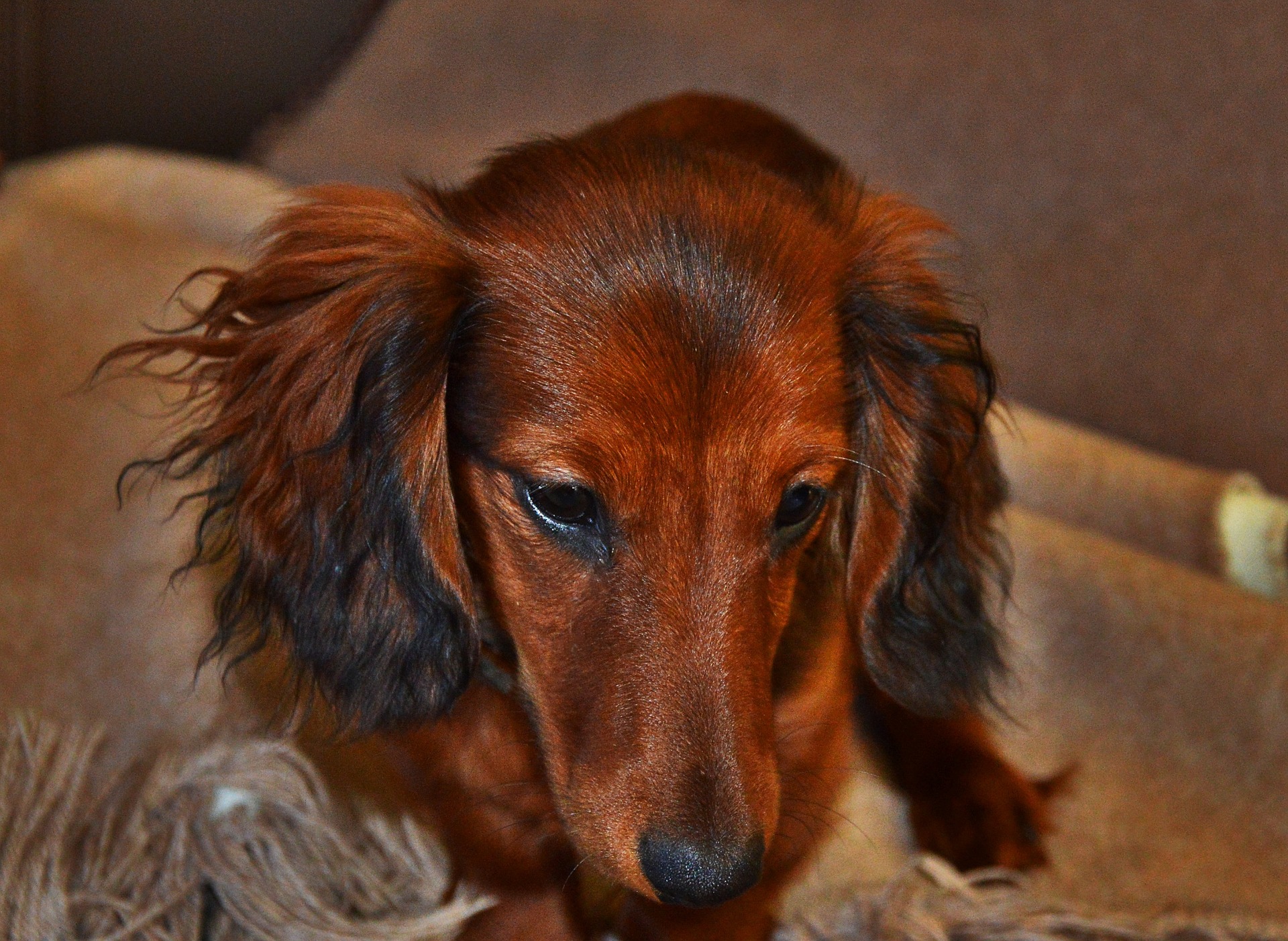
1. The Origins of Dachshunds — Built for Bravery
To understand the Dachshund’s personality, you must first understand its history.
The breed originated in Germany, developed to hunt badgers and other burrowing animals. In fact, the name “Dachshund” literally means “badger dog” in German — “Dachs” for badger and “Hund” for dog — revealing the breed’s original purpose. Wikipedia
Badgers are fierce creatures that live underground, and hunting them required a dog that could:
-
Fit into tight tunnels
-
Follow prey underground
-
Stand its ground against an aggressive animal
-
Work independently without direct supervision
The Dachshund’s long body and short legs were perfect for entering burrows, while their fearless, tenacious temperament helped them confront prey. This combination of traits was not accidental — it was engineered through selective breeding to produce a dog that could persevere where others couldn’t. Houndsy
Even though most modern Dachshunds are cherished family pets rather than working hounds, they retain that courage and determination in their everyday behavior — often appearing fearless despite their small stature. iHeartDogs.com
2. Small Size, Big Attitude
Bold, Brave, and Fearless
One of the most fascinating aspects of the Dachshund’s personality is the way they behave as if they are much larger than they actually are. This trait — often jokingly referred to as “small dog syndrome” — reflects the breed’s hunting heritage. Even in modern life, Dachshunds:
-
Stand up to larger dogs
-
Bark without hesitation
-
Act boldly in new situations
This boldness is no accident; it is a product of centuries of hunting selection. A Dachshund with a timid personality would have failed at its original job of hunting badgers, so courage became a key trait. dachshundloversshop.com
Independent and Stubborn Thinkers
Being bold isn’t the only big personality trait in a small body — Dachshunds are also independent and sometimes stubborn.
Training a Dachshund can be a wonderfully humorous — and frustrating — experience. These dogs are clever and curious, but they often decide for themselves when they’ll follow commands. They were bred to work underground, often out of sight and earshot of humans, so they naturally learned to think independently. This has translated into a playful form of stubbornness in their modern temperament. zentara.blog
This doesn’t mean they can’t learn — Dachshunds are intelligent — but effective training often requires patience, consistency, and positive reinforcement rather than forceful methods. gooddog.com
3. Personality Traits That Set Dachshunds Apart
Let’s take a closer look at the specific personality traits that make Dachshunds so memorable — and why their reputation as “small dogs with big personalities” is well earned.
A. Courageous and Fearless
Despite weighing as little as 10 pounds (miniatures) up to 32 pounds (standards), Dachshunds often display behavior that defies their size.
They’ll:
-
Bark at strangers
-
Challenge larger dogs
-
Show unexpected bravery in new situations
This courage comes directly from their hunting past — resilience and fearlessness were necessary for badger hunting, and these traits remain deeply embedded in their modern character. Wikipedia
B. Loyal and Devoted Companions
While their bravery and independence are notable, Dachshunds are also deeply loyal and attached to their human families. Many owners report that their Dachshunds will:
-
Follow them around the house
-
Curl up at their feet
-
Seek out human attention and affection
This combination of loyalty with boldness creates a devoted companion that wants to be involved in daily life — whether it’s lounging on the couch or accompanying you on errands. Dachshund Facts
C. Curious and Adventurous
Dachshunds are naturally curious. They were bred to follow scents and investigate burrows, and that instinct still shows up in everyday life. These dogs often:
-
Sniff everything in their environment
-
Investigate corners and crevices
-
Chase after interesting smells on walks
This inquisitiveness makes them excellent companions for owners who enjoy exploring outdoors or engaging their dogs in games that stimulate both mind and body. Dachshund Facts
D. Playful and Mischievous
Dachshunds are fun-loving dogs that enjoy interactive play, chase games, and roughhousing with their favorite humans.
Whether it’s a sudden zoom around the living room or a determined pursuit of a favorite toy, their spirited energy — often paired with a sense of humor — brings a playful attitude to daily life. Playtime also helps satisfy their hunting instincts in a fun and positive context. animalmedia.org
E. Stubborn, Yet Smart
Their intelligence is undeniable, but it often comes with stubborn independence. Dachshunds can be clever in figuring out how to get what they want — from opening doors to negotiating extra treats — but they can also choose when to follow a command.
Many owners know the experience of a Dachshund ignoring instructions not because they don’t understand — but because they simply choose not to comply right then. That’s part of their charm — and one reason training requires creativity and patience. zentara.blog
4. How Dachshunds Express Their Personality
Dachshunds don’t just have big personalities — they show them in many expressive, unmistakable ways.
A. Vocal and Alert
For such small dogs, Dachshunds often have a surprisingly loud, deep bark. This trait again reflects their hunting background — in the wild, their bark helped hunters know where their dog was underground. zentara.blog
Today, that vocal skill can make them excellent watchdogs — they will alert you to unusual activity and let you know immediately if something seems “off.”
B. Playful Body Language
Whether it’s wagging their tail with abandon or bouncing on their short legs when excited, Dachshunds often show their feelings through animated body language. Their expressive eyes, quick movements, and eager engagement make them a joy to watch.
These visible expressions help reinforce the perception that Dachshunds are alive with character — always ready to engage with you, your family, or just about anything interesting.
C. Quirky Habits That Reflect Personality
Many Dachshund owners report quirky, amusing behaviors that become signature parts of their pet’s personality. These can include:
-
Burrowing into blankets, clothing, or small spaces
-
Dramatic reactions to new objects or sounds
-
“Talking” back with varied barks and noises
-
Creating funny eye contact or head tilts
These little habits give each Dachshund a one‑of‑a‑kind character profile and deepen the emotional connection between dog and owner. Dachshund Facts
5. The Challenges (and Joys) of a Big Personality
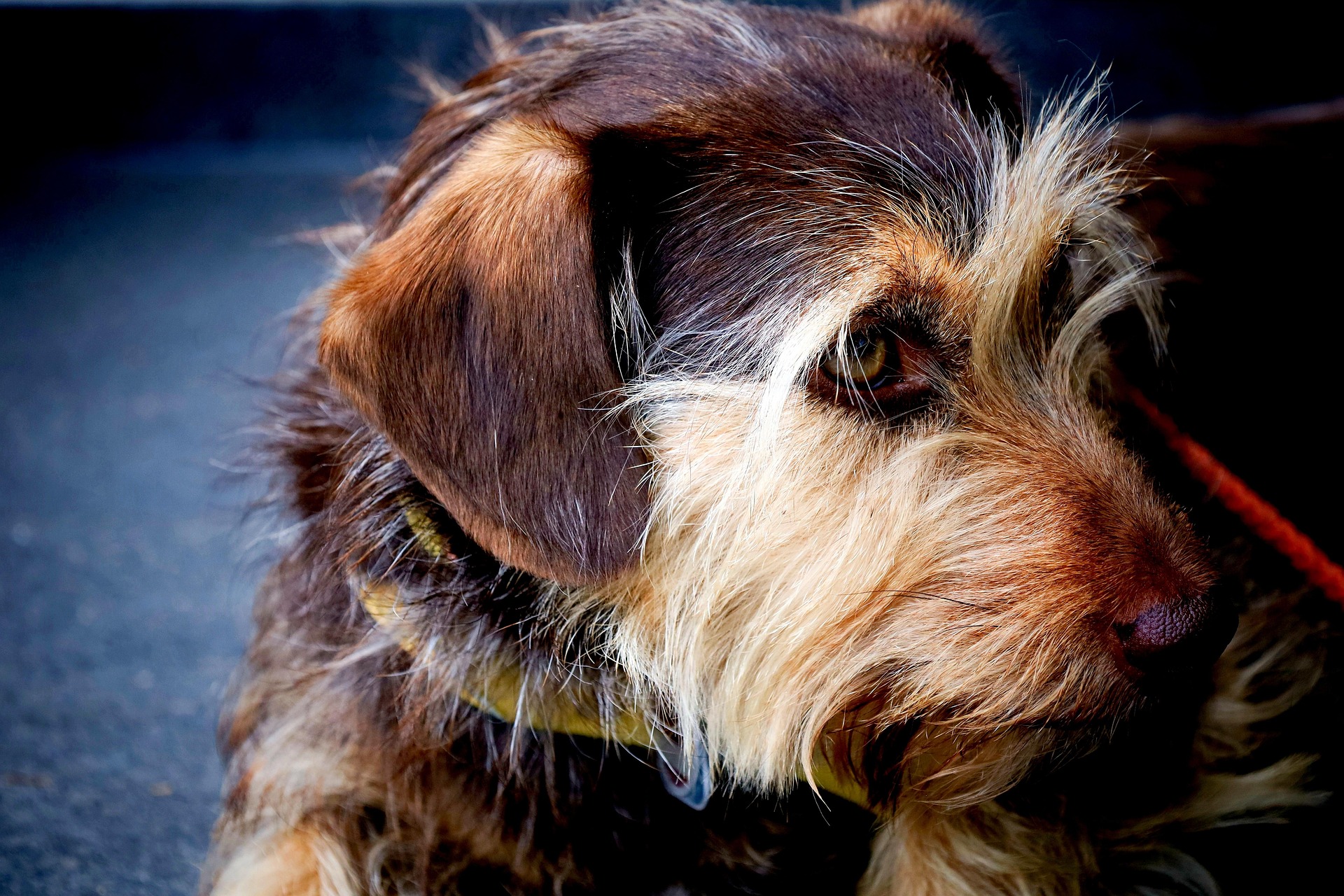
While a big personality is one of the breed’s greatest strengths, it can also present challenges for owners — especially those unfamiliar with the breed’s instincts.
A. Training Requires Patience
Because Dachshunds are intelligent and independent, they don’t always respond well to repetitive or monotonous training. Training works best when it:
-
Is consistent
-
Uses positive reinforcement
-
Engages their curiosity
-
Is fun and mentally stimulating
Straightforward, reward‑based techniques tend to be more effective than forceful or harsh methods. gooddog.com
B. They Can Be Defensive or Protective
Their boldness can occasionally translate into aggressive or territorial behavior, especially around strangers or other dogs. Early socialization is key to helping Dachshunds learn appropriate behavior around new people and animals. Wikipedia
C. Exercise and Mental Engagement Matter
Despite their small size, Dachshunds aren’t “couch potatoes.” They enjoy:
-
Walks
-
Playtime
-
Interactive toys
-
Scent games
These activities help burn energy and satisfy their hunting instincts, making them happier, healthier companions. My Puppy
6. Dachshunds in Modern Culture and Popularity
Dachshunds are more than beloved pets — they’re icons in popular culture:
-
They’ve appeared in movies and cartoons (like Slinky Dog in Toy Story). dachshundloversshop.com
-
They remain consistently popular with dog owners, ranking high on registration lists in recent years. Business Insider
-
Their unique body shape and big personalities have made them popular subjects in fashion, social media, and art. Glamour
This cultural presence reflects not just their physical charm, but how people emotionally connect with the breed’s distinct traits.
7. What Owners Love Most About Dachshunds
When dachshund owners describe their dogs, certain themes come up again and again:
✔ Personality bigger than their size
✔ Loyal companionship and affection
✔ Playful, entertaining behavior
✔ Fearless attitude in everyday life
✔ Savvy intelligence and curiosity
That blend of character traits makes every day with a Dachshund different — sometimes challenging, but almost always joyful.
Conclusion: A Dog With a Big Heart and Bigger Character
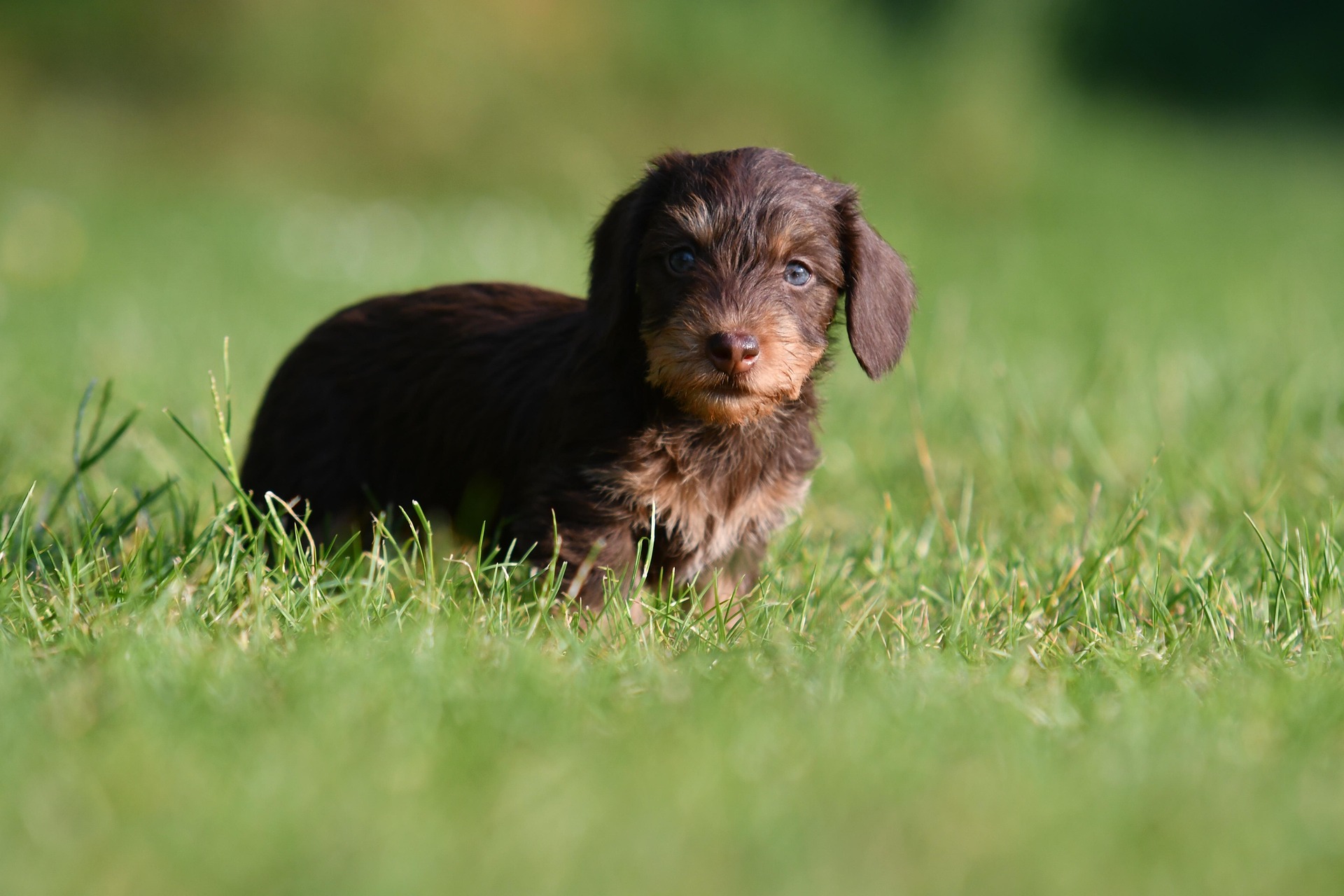
Dachshunds prove that personality isn’t about size. These small, long‑bodied dogs carry within them centuries of courage, determination, loyalty, and curiosity. Whether they’re bravely barking at the mail carrier or snuggling with you on the couch, their spirited temperament ensures they’ll never be anything less than unforgettable.
From their historic roles as fearless badger hunters to their modern status as beloved family companions and cultural icons, Dachshunds truly are small dogs with the biggest personalities. Understanding their temperament helps you appreciate what makes them special — and how to be the best companion for one of these unique canine characters.
Sources & Further Reading
📌 Dachshund Breed Information & Characteristics — BreedScout on traits and personality. BreedScout
📌 Dachshund Dog Breed Profile — Good Dog on temperament and character. gooddog.com
📌 Miniature Dachshund Personality Traits — Animal Media on doxie behavior. animalmedia.org
📌 Why Dachshunds Are Special — DachshundFacts on bravery and quirks. Dachshund Facts
📌 Exploring Dachshund Personality Traits — Houndsy on core traits and history. Houndsy
📌 Dachshund Dog Breed & History — Wikipedia on origin and temperament. Wikipedia
📌 Temperament & Personality Overview — MyPuppy on lively, courageous demeanour. My Puppy