Dachshunds — affectionately known as wiener dogs, sausage dogs, or doxies — are beloved for their bold personalities, loyalty, and charming quirks. However, training them can sometimes feel like training a tiny furry dictator. Their independent nature, bred into them as hunting dogs, means they can be stubborn, easily distracted, and strong-willed. But with the right mindset and methods, you can train even the most stubborn Dachshund to listen, behave, and thrive. Dachshund Breed Council+1
In this comprehensive 3000-word guide, we’ll cover:
-
Why Dachshunds seem stubborn
-
The foundation of effective training
-
Behavior-specific tips (from barking to leash pulling)
-
Advanced methods like clicker training
-
Mistakes to avoid
-
Training at every life stage
-
Troubleshooting challenging behaviors
Let’s get started!
1. Understanding the Stubborn Dachshund Mindset
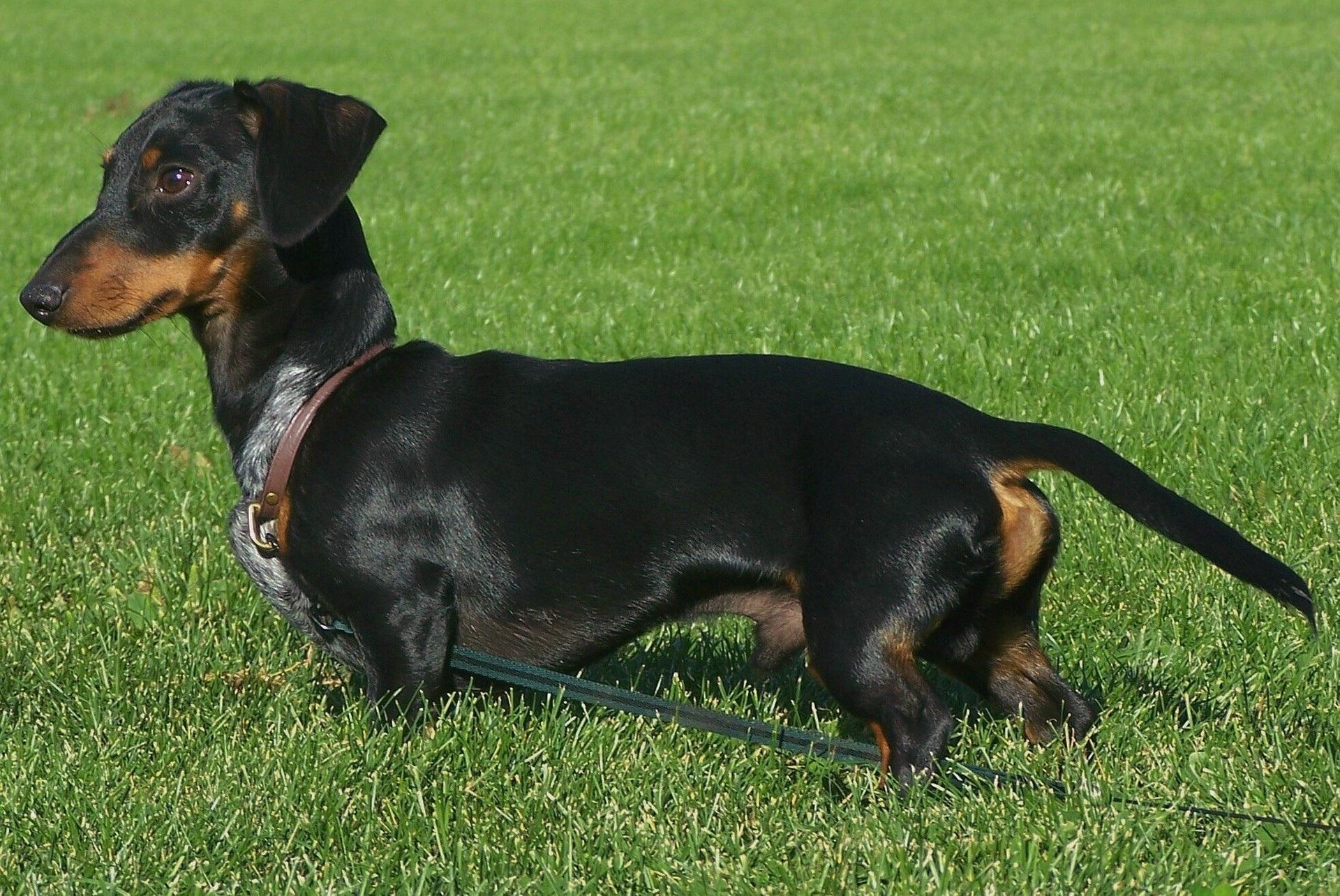
The first step in training any dog is understanding why they behave the way they do. Dachshunds were originally bred in Germany to hunt badgers and burrowing animals — a job that required them to think independently, follow scents, and make decisions without constant direction. This hunting heritage has shaped their temperament into what many owners describe as “stubborn.” Dachshund Breed Council
A. Stubbornness Is Intelligence, Not Defiance
Many owners mistake a Dachshund’s selective listening as “bad behavior.” In reality, dachshunds are clever and curious creatures with a strong will and high intelligence that emerged from their historical hunting role. They don’t always obey commands immediately because they’re used to making choices on their own. Dogster
This doesn’t mean they are untrainable — far from it — but it does mean that traditional, repetitive, or punishment-based training often fails with this breed.
2. The Foundation: Positive Reinforcement Training
The most effective way to train a stubborn but lovable Dachshund is positive reinforcement — rewarding desired behavior immediately and consistently so the dog connects the behavior with the positive outcome. Dachshund Breed Council
Why Positive Reinforcement Works
✔ It builds trust and strengthens your bond
✔ It motivates the Dachshund to repeat good behavior
✔ Harsh punishment can lead to fear, anxiety, or avoidance — and even more stubbornness
Examples of positive reinforcement include:
-
Tasty treats
-
Verbal praise (“Good!” “Yes!”)
-
Petting and affection
-
Playtime or favorite toys
Multiple studies and trainer recommendations emphasize that dogs respond far better to encouragement than punishment — and this is especially true for independent breeds like Dachshunds. My Puppy
3. How to Structure Your Training Sessions
Because Dachshunds have short attention spans, long sessions can quickly lead to boredom and frustration.
Best Practices
✔ Keep sessions short and frequent: 5–10 minutes, 2–4 times per day Dachshund Breed Council
✔ Focus on one command at a time Let\’s Learn Slang
✔ Train in a low-distraction environment first Dachshund Breed Council
✔ Slowly introduce distractions as your dog improves Talent Dogs
Sample Training Routine
| Time | Activity |
|---|---|
| Morning | 5 min: “Sit” + treats |
| Midday | 5–10 min: “Stay” + praise |
| Afternoon | 5 min: “Come” while walking |
| Evening | 5 min: play + reward good behavior |
This structured but light approach keeps your Dachshund engaged without overwhelming them.
4. Starting with the Basics: Commands Dachshunds Must Learn
Here’s a list of core commands every Dachshund should learn — and how to teach them effectively:
A. Sit
-
Hold a treat above their nose
-
Slowly move it over their head
-
As their rear end lowers, say “Sit”
-
Reward immediately when they comply
Dachshunds love food, so using high-value snacks (small, soft, tasty treats) gets faster results. Let\’s Learn Slang
B. Stay
-
Ask your dog to sit
-
Hold your hand up like a stop signal
-
Say “Stay” and take one step back
-
Return and reward if they hold position
Begin very close and gradually increase the distance as your dog improves.
C. Come
This command can save a life — especially outdoors.
-
Use a long leash initially
-
Squat or kneel (this improves your dog’s attention)
-
Say “Come” with an upbeat voice
-
Reward when they approach you
Tip: Incorporating recall games makes this command fun and builds reliability over time.
5. Training Tools That Make a Difference
While positive reinforcement is key, some tools can make training more effective — especially with an independent breed like a Dachshund.
A. Clicker Training
Clicker training uses a small device that makes an instant “click” sound to mark correct behavior. It helps Dachshunds clearly understand what they’re being rewarded for — which can be especially helpful when teaching complex behaviors. Let\’s Learn Slang
How to use a clicker:
-
Click when your dog performs the correct action
-
Immediately follow with a treat
-
Repeat — dogs quickly link the click with the reward
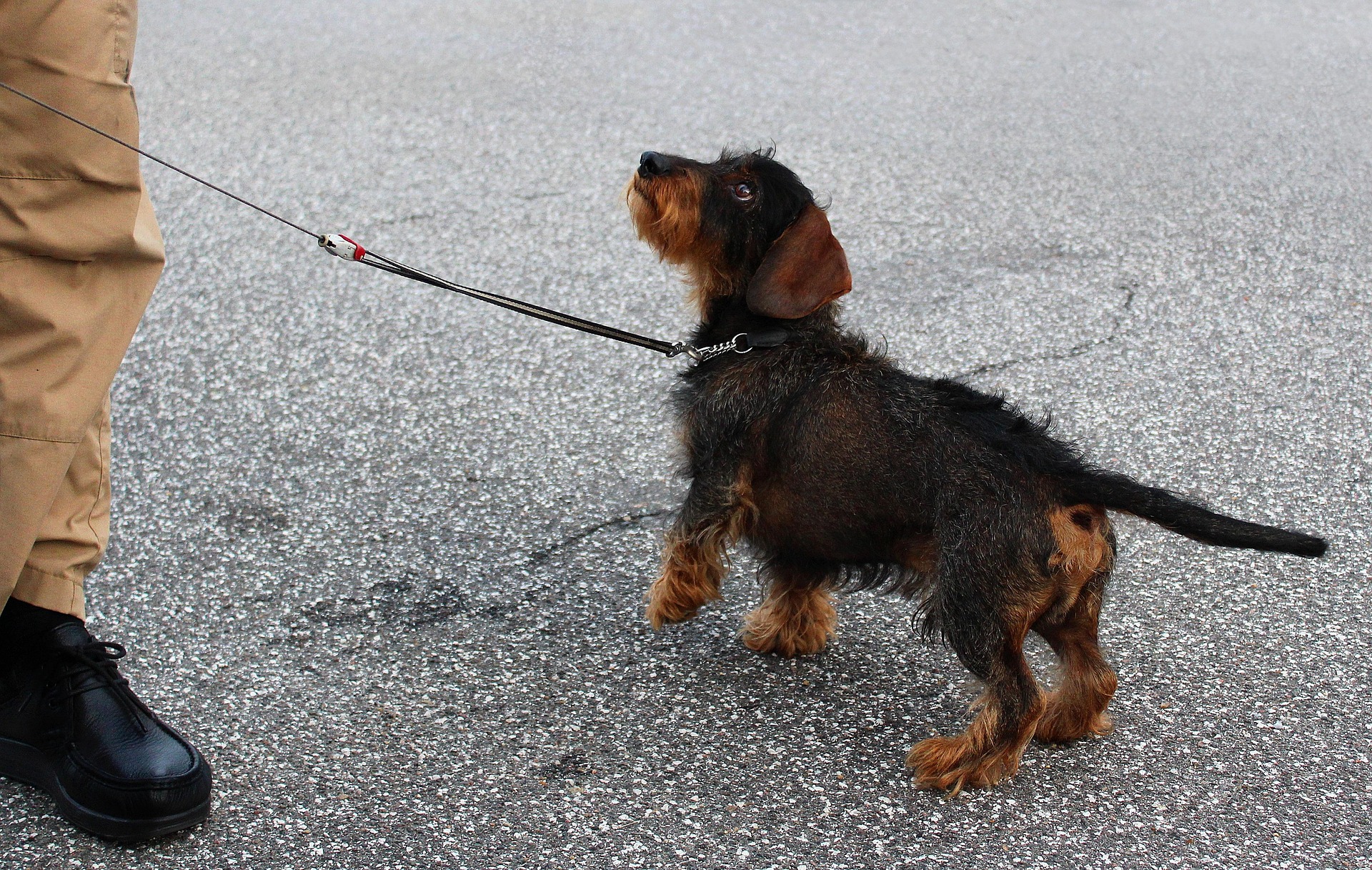
B. Harness Tip for Leash Training
Dachshunds are prone to back problems due to their long spine, so walk training should avoid pulling and strain. Using a front-clip harness encourages better behavior and protects their back while teaching proper leash manners. Talent Dogs
6. Socialization: A Training Extension
Socialization is crucial for reducing fear, anxiety, and stubborn resistance.
How to Socialize Your Dachshund
✔ Introduce them to different people and animals early in life Let\’s Learn Slang
✔ Expose them to varied environments (parks, streets, friends’ homes) Let\’s Learn Slang
✔ Reward calm and friendly behavior
Proper socialization prevents reactive behavior and builds confidence — making training smoother and everyday life more enjoyable.
7. Handling Common Stubborn Behaviors
Dachshunds can develop several typical quirks during training. Here’s how to address them effectively:
A. Excessive Barking
Barking is natural for Dachshunds — they were bred as alert hunters. But if it becomes a nuisance:
-
Teach the “Quiet” command
-
Reward silence after a bark
-
Avoid rewarding barking with attention (which can reinforce it)
Redirection and patience help reduce unnecessary noise over time. dogingtonpost.com
B. Digging
Digging is instinctive because of their hunting history. Instead of stopping the behavior entirely:
-
Designate a digging area if possible
-
Redirect them there when they begin digging
-
Use positive reinforcement when they dig in the right spot
This redirects energy in a positive way and minimizes damage to your yard. Let\’s Learn Slang
C. Pulling on Walks
A dachshund’s strong scent drive can make them pull. The front-clip harness strategy helps, along with:
-
Stopping when they pull
-
Rewarding them when the leash is loose
-
Changing directions to keep attention on you
Consistency and reward make walks more pleasant for both of you. Talent Dogs
8. Mistakes to Avoid with Stubborn Dachshunds
Training Dachshunds includes knowing what not to do. Here are common mistakes:
❌ Harsh Punishment
Punishments like yelling or forceful corrections can create fear or resistance — and worsen stubbornness. Positive methods build cooperation instead. Let\’s Learn Slang
❌ Inconsistency
If commands or rewards vary between family members, your Dachshund may become confused and less responsive. Stick to consistent cues, rewards, and routines. Kobi Pets
❌ Repetition Without Reward
Training is not about repeating commands endlessly — it’s about reinforcing understanding. Always reward correct behavior to build positive habits. Let\’s Learn Slang
9. Advanced Training Methods
Once your Dachshund has mastered basic obedience, you can move on to more advanced techniques:
A. Training With Puzzle Toys
Puzzle toys keep their minds sharp and make them think — satisfying both mental and physical needs.
B. Trick Training
Teach fun tricks like spin, paw, roll over. These strengthen focus and provide entertainment.
C. Agility Games (Carefully)
While not traditional agility, low-impact obstacle games help build confidence and a willingness to learn.
10. Training at Different Life Stages
Training a Dachshund varies with age:
Puppies
Start training early (as soon as basic commands like sit and come can be introduced). Short, fun sessions, lots of treats, and socialization are key. Dachshund Breed Council
Adults
Adults may need more patience and routine, especially if they weren’t trained earlier. Reinforcement, praise, and structure help build obedience with age. dogingtonpost.com
Seniors
Older dogs may take longer to learn new routines but respond well to gentle, consistent training with rewards suited to their age.
11. The Role of Exercise and Mental Stimulation
Training is not just commands — it’s about physical and mental engagement.
✔ Daily walks to burn energy
✔ Playtime and toys that challenge the mind
✔ Training integrated into routine activities
A well-exercised and mentally stimulated Dachshund is a more focused and trainable one. dogingtonpost.com
12. Real Life Training Success Stories
Many Dachshund owners share stories of initially stubborn dogs who turned around with patience, consistency, and reward-based training. Reddit users, for example, report that even though recall can be difficult, repetition and high-value treats eventually led to reliable responses — and a much happier dog-human relationship. Reddit
Conclusion: A Lovable Companion Worth the Effort
Training a stubborn Dachshund can be challenging — but the key is working with their instincts, not against them. With patience, consistency, positive reinforcement, and short, engaging sessions, you can raise a well-mannered, confident, and happy companion who still keeps their delightful personality intact.
Whether you’re teaching your first “sit” or refining advanced skills, these tips will help you and your Dachshund enjoy a strong, joyful partnership — one full of affection, mutual respect, and lots of fun. Dachshund Breed Council
Further Reading & Resources
📌 Training Tips for Dachshunds: Overcoming Stubbornness — Dachshund Breed Council overview Tips for Training Your Dachshund
📌 11 Tips for Training a Stubborn Dachshund — Lets Learn Slang practical guide 11 Training Tips for Stubborn Dachshunds
📌 Tackling Stubbornness and Selective Listening — Talent Dogs detailed strategies Dachshund Training Tips & Care Guide