From Arctic‑working Spitz to cherished lapdog on royal laps and beloved family pets in living rooms around the world, Pomeranians have one of the most fascinating histories among dog breeds. Tiny in stature but big in personality and cultural impact, their journey spans continents, centuries, and social classes — from sled dogs of northern climes to aristocratic companions to the modern household favorite.
In this detailed exploration, we’ll trace the history of Pomeranians, uncovering how they evolved, how influential figures shaped their development, and how they came to be one of the most popular companion dogs across the globe.
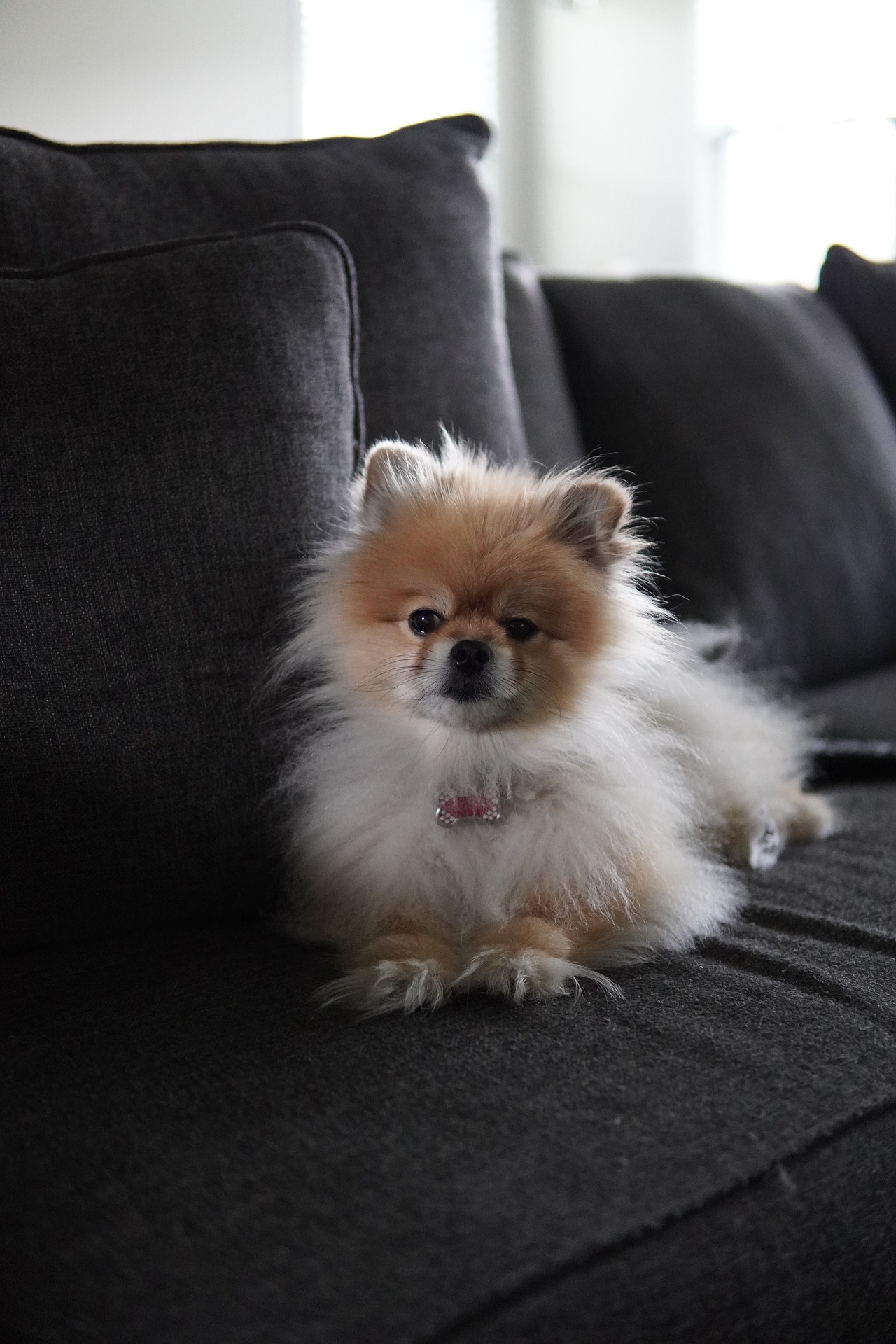
1. Ancient Origins: Big Spitz for Cold Climates
The Pomeranian didn’t start out small or pampered — its ancestry says otherwise.
Early historical evidence suggests that Spitz‑type dogs are among the oldest domesticated dog forms, with torf dogs (bog‑dog remains) found in European peat bogs dating to prehistoric times. These canines were robust, furry, and adapted to life in cold northern regions. Their pointed ears (“spitz” means “pointed” in German) and thick double coats were typical of dogs bred to survive harsh climates. Pomeranian UA
The ancestors of today’s Pomeranian were larger, hardy working dogs, used for pulling, guarding, and general outdoor tasks. They likely resembled modern German Spitz breeds and are genetically related to dogs like the American Eskimo Dog, Samoyed, Alaskan Malamute, Siberian Husky, and Norwegian Elkhound — all northern, heavy‑coated breeds adapted for cold conditions. Wikipedia
Where the Name Comes From
The breed’s name comes from Pomerania, a historic region along the southern Baltic Sea (in present‑day northern Germany and Poland) where some of the earliest breeding efforts associated with the breed took place. Wikipedia
Initially, these dogs were much larger than modern Pomeranians — often weighing 20–30 pounds (9–14 kg) or more — and performed practical functions rather than simply being companions. Wikipedia
2. Early Development: From Working Dogs to Companion Canines
While robust working dogs persisted in Europe, a key development occurred in the 18th century when smaller Spitz‑type dogs began getting attention from dog lovers and breeders who saw potential in miniature forms.
One of the first written references to a small Pomeranian dog appears in 1764 in the travel journal of James Boswell, where he describes a Pomeranian dog named Pomer that was beloved by his French owner. Wikipedia
This period marks a shift in how these dogs were viewed: from practical sled and guard roles to admired domestic companions whose size and temperament appealed to certain European social circles.
3. Royal Influence: How Monarchs Shaped the Pomeranian
The most dramatic changes in the history of the Pomeranian are tied to royal patronage, which elevated the breed’s status and changed its physical form and cultural significance.
Queen Charlotte — First Royal Pom Lover
In 1767, Queen Charlotte, wife of King George III of England, brought several Pomeranian (Spitz‑type) dogs with her from the continent when she married into the British royal family. These were not yet the tiny toys we know today, but they had many recognizable traits. Wikipedia
Paintings from that era by artists like Sir Thomas Gainsborough depict those dogs as somewhat larger but with the heavy coat and curled tail that reflect modern Pomeranian features. Wikipedia
Queen Victoria — The Breed’s Biggest Champion
The most significant turning point in the breed’s history came during the Victorian era under Queen Victoria, granddaughter of Queen Charlotte. Victoria adored her Pomeranians and was known to keep and breed them extensively. Her particular affection was directed toward smaller Poms — one beloved dog reportedly weighed only around 12 pounds (5.4 kg), much smaller than earlier Spitz ancestors. Husse Estonia+1
Victoria’s influence was enormous. Because of her status, the dogs she kept and showed became the ideal standard for the breed. Breeders began selecting for smaller size and refined features — which rapidly reduced the average size of Pomeranians by as much as 50% within her lifetime. Husse Estonia
This deliberate selection for smaller dogs effectively transformed the breed from larger working Spitz to the toy companion dogs that are iconic today. Husse Estonia
Other Royal Owners
In addition to British royalty, influential figures such as Joséphine de Beauharnais (wife of Napoleon I) and King George IV of England were known to keep and favor Pomeranian ‑type dogs, further boosting the breed’s status. Husse Estonia
Royal endorsement turned Pomeranians into fashionable companions throughout European nobility, and soon the breed’s popularity made the shift to more common households as well.
4. The Pomeranian in the 19th and Early 20th Century
From Aristocratic Pets to Popular Companions
After the Victorian era, Pomeranians continued to spread beyond royal circles and into the homes of everyday dog lovers. Their diminutive size, vibrant personality, and striking looks made them particularly suited to urban living — including apartments and smaller homes.
By the late 1800s and early 1900s, the breed was gaining traction in dog shows and exhibitions. The first Pomeranian club in the United States was founded in 1898, and the breed received formal recognition by the American Kennel Club (AKC) in 1900. Royal Canin
These developments helped cement the breed as a standardized toy breed on an international scale, leading to broader recognition and consistent breeding practices.
Pomeranian Presence on the Titanic
In a curious historical footnote, two Pomeranians were among the only three dogs to survive the sinking of the RMS Titanic in 1912, underscoring how widespread and treasured these dogs had become by that time. Husse Estonia
5. The Shift to Modern Family Pets
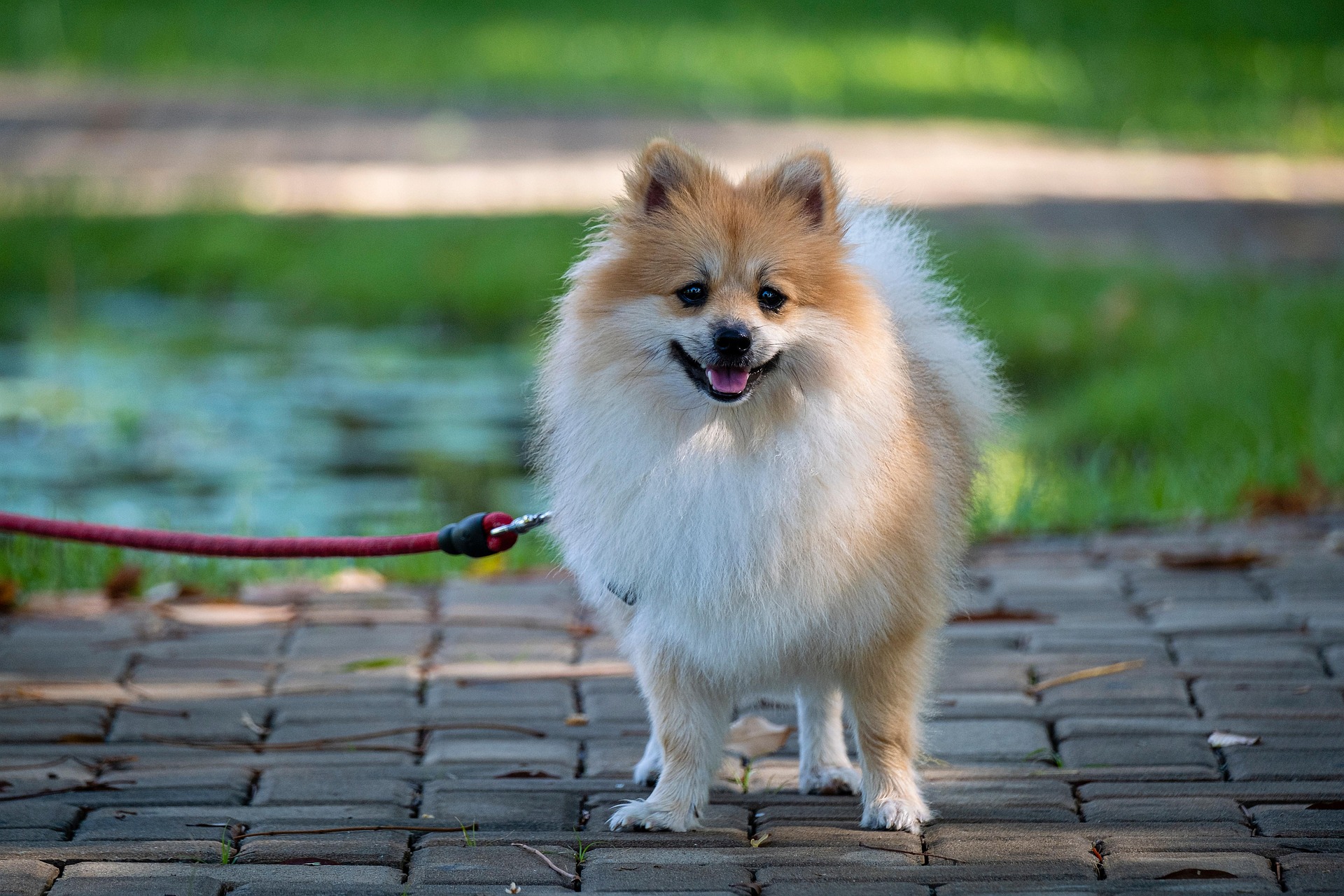
Through the 20th century and into the 21st, Pomeranians continued to evolve not just in terms of physical characteristics but in cultural role. Far from being solely the province of aristocrats or exhibitors, they became beloved family pets around the world.
Small Size + Big Personality
Part of this popularity stems from their size and energetic temperament: they are small enough for apartments and urban living but bold enough to be attention‑grabbing companions with lively personalities. Modern Pomeranians stand about 6–7 inches tall and weigh just 3–7 pounds (1.4–3.2 kg), a far cry from their larger Spitz ancestors. Husse Estonia
Their double coat, fox‑like face, and expressive eyes make them highly recognizable and visually appealing as pets, while their bold, curious nature makes them engaging companions. Royal Canin
Popularity Worldwide
In terms of registrations and popularity, Pomeranians have consistently ranked among the top breeds in many countries over recent decades — a testament to their transition from aristocratic status symbols to widespread family favorites. petsi.net
6. Breed Standards and Legacy
The transformation of the breed was not just social but institutional. By the early 1900s, breed standards — documenting ideal sizes, colors, and conformation — were published by major kennel clubs like the AKC and FCI. Royal Canin
These standards helped formalize what a Pomeranian “should” look like:
-
Small stature
-
Double coat with a distinctive ruff
-
Fox‑like expression
-
Curly, plume‑like tail carried over the back
-
Energetic, alert demeanor Royal Canin
The diversity of coat colors and patterns we see today — from orange and cream to black, sable, and parti‑colors — is also largely a result of selective breeding practices developed through these formal standards. Husse Estonia
7. Cultural Impact: Beyond the Kennel
Art and Literature
Pomeranians have appeared in numerous works of art and culture, from paintings in royal portraiture to references in literature. Their presence in visual culture helped cement their image as cherished companions. Husse Estonia
Modern Media and Celebrities
In the contemporary era, Pomeranians continue to be popular with celebrities and media figures, boosting their visibility and appeal to audiences around the world.
8. Why Pomeranians Captivate Us Today
The history of Pomeranians — rooted in hard‑working Spitz ancestors, elevated by royal favor, and transformed by dedicated breeding — explains why they carry such dual appeal: hardy and historically meaningful, yet compact, affectionate, and perfect for modern domestic life.
Today’s Pomeranians are valued for:
✔ Strong personality in a small package
✔ Trainability and intelligence
✔ Compatibility with families, singles, and apartment living
✔ Historical allure and timeless charm
Their adaptability and charisma have helped them remain popular across generations and continents — a far cry from their origins in the icy expanses of Northern Europe.
Conclusion: From Palace Halls to Living Rooms
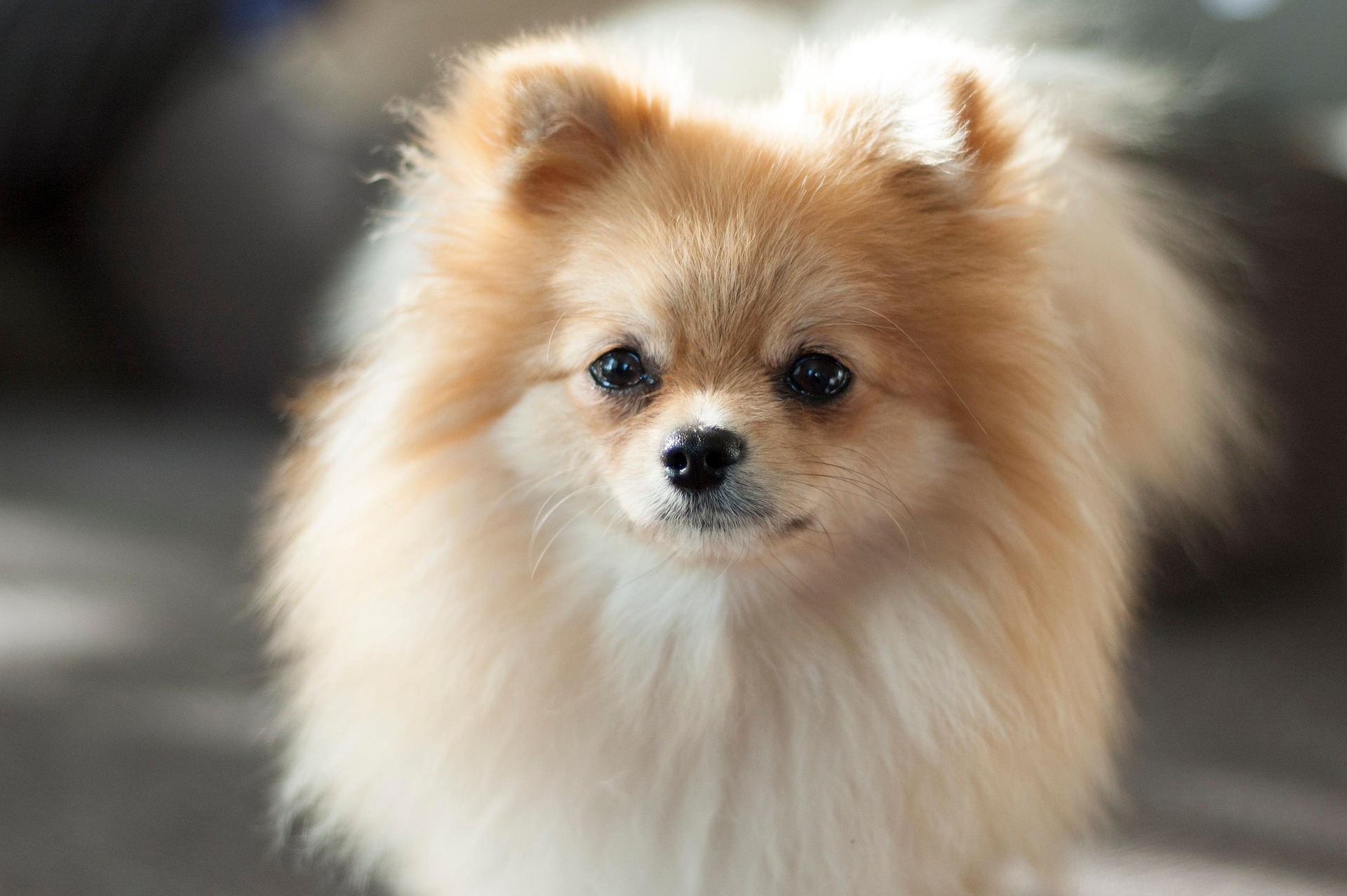
The story of the Pomeranian is one of transformation — from large, practical Spitz working dogs in cold northern climates to the intimate companions of European royalty, and finally into the hearts and homes of families worldwide. Royal influencers like Queen Charlotte and Queen Victoria played pivotal roles in shaping the breed’s size, appearance, and popularity, but its enduring charm ensured that the Pomeranian would become more than a royal accessory — it became a beloved family pet with a global legacy. Husse Estonia+1
Sources & Further Reading
Here are the informational references used in this article:
🔗 Pomeranian dog breed history & development — Wikipedia (Origins, royal influence) Wikipedia
🔗 Pomeranian history, origins, and evolution — Husse.ee informative breed overview Husse Estonia
🔗 Historical development and recognition — pomeranian‑ua.org detailed background Pomeranian UA
🔗 Breed standard and modern status — Royal Canin breed profile Royal Canin
🔗 Breed popularity & global presence — petsi.net breed profile petsi.net
Pomeranians are more than just fluffy little companions—they have a fascinating history that stretches back centuries. From their origins in Northern Europe to their rise as royalty’s favorites and finally becoming beloved family pets worldwide, understanding the history of Pomeranians gives owners a deeper appreciation for their bold personalities, intelligence, and charm.
This FAQ guide explores the breed’s evolution, notable historical facts, cultural significance, and how the breed has changed over time.
FAQ: The History of Pomeranians: From Royal Companions to Family Pets
1. Where did Pomeranians originally come from?
Pomeranians originate from the Pomerania region of Northern Europe, which today spans parts of Poland and Germany along the Baltic Sea.
They are part of the Spitz family of dogs, a group of breeds characterized by:
-
Thick double coats
-
Pointed ears
-
Curled tails
-
Alert, energetic personalities
Initially, Pomeranians were larger working dogs, weighing 20–30 pounds or more, and were used for:
-
Herding livestock
-
Guarding farms
-
Pulling sleds
-
Serving as general-purpose farm dogs
Their size and working ability are a far cry from the tiny lapdogs we know today.
2. How did Pomeranians become associated with royalty?
The breed became highly popular among European nobility during the 18th and 19th centuries. Key milestones include:
-
Queen Victoria of England: She fell in love with Pomeranians during her travels to Italy and imported several small Poms to Britain.
-
She actively bred smaller Poms, which led to the tiny companion-sized dogs we recognize today.
-
Royal courts across Europe favored Poms for their intelligence, loyalty, and manageable size.
Because of their association with royalty, Pomeranians were considered status symbols, often depicted in paintings and portraits with aristocrats.
3. Were Pomeranians always as small as they are today?
No. The original Pomeranians were much larger, weighing between 20–30 pounds or even more.
-
Queen Victoria is credited with selective breeding for size, which reduced them to toy size over generations.
-
By the late 1800s, Poms weighing under 10 pounds became fashionable among nobles and city dwellers.
Despite the size reduction, many of the temperament traits of larger Spitz dogs—courage, alertness, boldness—remained intact.
4. How did Pomeranians get their fluffy coats?
The double coat of Pomeranians comes from their Northern European heritage:
-
Dense undercoat for warmth
-
Long outer coat for protection against wind, snow, and rain
Historically, this coat was functional, allowing them to survive harsh winters while performing tasks like herding and guarding.
Even today, the thick coat remains one of the breed’s most defining features. However, it requires regular grooming to maintain health and appearance.
5. Did Pomeranians have different roles in history compared to today?
Yes. Historically, Pomeranians were working dogs, not lapdogs:
-
Herding small livestock
-
Acting as watchdogs
-
Pulling small carts
-
Guarding property and families
Their small size today reflects selective breeding for companionship, rather than work. Modern Poms are primarily family pets and show dogs, though their alertness still gives them watchdog tendencies.
6. How did Pomeranians spread across Europe and the world?
The breed’s spread can be traced through trade, travel, and royal influence:
-
Popularized in Britain via Queen Victoria
-
Adopted by aristocratic families across Europe
-
Exported to the United States in the late 1800s
-
Featured in dog shows, further popularizing their small size and beauty
Today, Pomeranians are among the most popular toy breeds worldwide, especially in Europe, North America, and Asia.
7. Were there any famous historical Pomeranians?
Yes! Several Pomeranians became historically significant due to their royal or cultural associations:
-
Marco, Queen Victoria’s Pom: Helped popularize the breed in England
-
Pom in the White House: President Theodore Roosevelt owned a Pomeranian named “Jack”
-
Poms have appeared in classic European art and portraits, often shown at the feet of aristocrats, symbolizing elegance and status
These historical examples helped cement the breed’s image as both cute and sophisticated.
8. When did Pomeranians start becoming small companion dogs?
The transformation began in the late 1800s:
-
Queen Victoria actively bred Poms for smaller size after seeing them in Italy.
-
Smaller Poms became highly desirable in the Victorian era because:
-
They were portable
-
Easy to carry in carriages
-
Ideal lap companions
-
By the turn of the 20th century, Pomeranians were firmly established as toy breed companions, rather than working dogs.
9. Did the breed’s temperament change with selective breeding?
Yes, to some extent:
-
Larger Poms were working dogs, bold but disciplined.
-
Smaller, toy-sized Poms retained intelligence and courage but became:
-
More social
-
More playful
-
Less physically strong
-
More dependent on human companionship
-
The feisty, bold personality of today’s Poms is a blend of ancestral working instincts and modern companion traits.
10. How did dog shows influence Pomeranian development?
Dog shows had a significant impact:
-
Breed standards emphasized size, coat, and color over working ability
-
Poms were bred for visual appeal, including:
-
Thick, fluffy coats
-
Rounded “fox faces”
-
Tiny body size
-
-
Popular dog shows in England and Europe increased global interest in Pomeranians
This focus on aesthetics helped shape the iconic Pomeranian we see today.
11. Why are Pomeranians sometimes called “Pom-Poms”?
The nickname “Pom-Pom” likely comes from:
-
Their small, round appearance
-
Fluffy, pom-pom-like coats
-
Popularization in the 19th and early 20th centuries by breeders and dog enthusiasts
It reflects the playful and adorable nature of the breed.
12. How did color variations develop in Pomeranians?
Originally, Pomeranians were predominantly white, black, or brown.
With selective breeding for aesthetics, more colors appeared:
-
Orange (most popular today)
-
Cream, sable, chocolate
-
Blue, silver, and merle
-
Parti-color (two or more colors)
Color variation became a hallmark of show Pomeranians, making them visually appealing while retaining their feisty personality.
13. How have Pomeranians’ roles changed from the 1800s to today?
-
1800s: Herding, guarding, general farm duties
-
Late 1800s–1900s: Royal companions, lapdogs, show dogs
-
Today: Family pets, therapy dogs, social media stars, show dogs
Their historical versatility explains why modern Poms are:
-
Playful yet alert
-
Loyal yet independent
-
Bold despite small size
14. How has breeding affected Pomeranians physically?
Selective breeding for small size and show traits caused:
-
Reduced body size (3–7 pounds typical today)
-
Fluffy, dense coats
-
Fox-like faces
-
Compact, proportionate bodies
-
Some vulnerability to luxating patellas, tracheal collapse, and dental issues
Responsible breeders maintain health and temperament while preserving breed history.
15. Why did Pomeranians become popular worldwide?
Several factors contributed:
-
Royal patronage (Queen Victoria and other European nobility)
-
Dog shows highlighting appearance and personality
-
Social media and pop culture in modern times
-
Small size and portability—ideal for urban living
-
Bold, intelligent personalities that appeal to families
The combination of royalty appeal and adorable appearance made them a global favorite.
16. Are Pomeranians still considered “status dogs”?
Historically, yes—they were a symbol of wealth and sophistication.
Today, while less about social status:
-
Their historical association with royalty still adds prestige among enthusiasts
-
High-quality show Poms or rare colors can command significant prices
-
Their intelligence, charm, and appearance make them standout companions
17. Did Pomeranians influence other small breeds?
Yes. The popularity of Pomeranians influenced toy breed development:
-
Encouraged smaller companion dogs
-
Influenced breeding of other Spitz-type toys
-
Inspired breed standards emphasizing coat, size, and temperament
Their combination of alertness and portability set a precedent for other tiny companions.
18. How did historical events affect Pomeranians?
-
World wars: Many European Poms were lost or displaced
-
Globalization: Breeders exported Poms to the US and Asia
-
Dog show culture: Helped re-establish the breed after population setbacks
Despite historical upheavals, the breed survived and thrived globally.
19. How does history explain Pomeranians’ bold personality?
Despite their small size, Poms are bold because:
-
Their ancestors were guard and herding dogs
-
They had to alert humans to predators and protect property
-
Selective breeding preserved intelligence and courage even as size decreased
This history explains the combination of feisty energy and adorable appearance.
20. What should modern owners know about Pomeranian history?
Understanding their history helps owners:
-
Appreciate their intelligence and feisty temperament
-
Recognize their need for mental and physical stimulation
-
Value socialization due to their alert instincts
-
Respect their small size but bold spirit
-
Understand grooming needs based on their thick coat heritage
Knowing history ensures owners can meet both the physical and emotional needs of their Pomeranian.
21. Are modern Pomeranians healthier than historical ones?
Selective breeding for size and show traits has benefits and drawbacks:
Benefits:
-
Consistent temperament
-
Predictable size
-
High appeal in companion settings
Drawbacks:
-
Some genetic vulnerabilities (trachea, joints, teeth)
-
Smaller body may be fragile
-
Requires careful breeding to maintain health
Responsible breeding balances historical traits, health, and temperament.
22. How can I honor my Pomeranian’s history as an owner?
-
Learn about their Spitz ancestry
-
Respect their intelligence and independence
-
Provide mental stimulation and play
-
Groom their thick coat to reflect historical double coat
-
Socialize and train for confidence
-
Understand they are small but historically courageous
Honoring their past improves well-being and bond.
23. Did Pomeranians appear in culture or media historically?
Yes. They have been featured in:
-
Paintings and portraits with royalty
-
Literature referencing lapdogs
-
Modern social media and pop culture
-
Famous owners’ pets (Queen Victoria, European nobles, US presidents)
Their iconic fluffy appearance and feisty personality make them enduring stars.
24. Are there still large Pomeranians like the historical ones?
Occasionally, breeders maintain larger Pom lines, sometimes called working or continental Poms:
-
Typically 15–20 pounds
-
Retain more working-dog traits
-
Less common than toy-sized Poms
Most Pomeranians today are toy-sized, but some breeders preserve historical characteristics.
25. Summary — Why is understanding Pomeranian history important for owners?
Knowing their history helps owners:
-
Appreciate bold, intelligent, playful behavior
-
Meet their grooming and exercise needs
-
Understand why Poms bark, bond, or act stubbornly
-
Choose training methods appropriate for their intelligence
-
Celebrate their royal, artistic, and working-dog lineage
A well-informed owner can raise a happy, confident, and healthy Pomeranian, honoring the breed’s centuries-long journey from royal companion to cherished family pet.
✅ Conclusion
Pomeranians have evolved from noble, medium-sized working dogs in Northern Europe to tiny, feisty companions adored worldwide. Their history explains their:
-
Bold and alert personality
-
Playful and intelligent behavior
-
Loyalty and attachment to family
-
Luxurious double coat and appearance
Understanding their past allows modern owners to provide the care, stimulation, and respect these little dynamos deserve, ensuring they thrive as both pets and family members.