The English Bull Terrier is a breed that surprises many with its unique appearance and spirited personality. With its distinctive egg‑shaped head and muscular frame, this dog is unlike any other. But beyond the looks lies a fascinating journey — a transformation from gritty origins in Victorian blood sports to beloved family pet and show ring star. In this AdSense‑friendly article, we’ll explore the full arc of this journey, backed with credible links to authoritative sources so you can learn why and how these dogs evolved culturally, functionally, and socially.

Introduction: More Than Just a Funny Face
Today, English Bull Terriers are known for their goofy expressions, clown‑like personalities, and deep bonds with their families. But this wasn’t always the case. The breed’s roots go back to an era when Britain’s working classes and elite alike indulged in sometimes brutal blood sports — and dogs were bred for courage, agility, and sheer gameness more than companionship. American Kennel Club+1
Understanding this history helps explain not just the breed’s physical traits, but also its energetic temperament, intelligence, and depth of character.
1. The Origins: From Bulldogs to “Bull and Terrier”
1.1. Historical Context: Bull‑ and Bear‑Baiting
In early 19th‑century England, blood sports were common entertainment. Activities like bull baiting — where dogs were set on tethered bulls — were once legal and popular. These spectacles demanded dogs that could exhibit courage and resiliency. ZooSvit.info (Зоосвіт) – сайт про тварин
When bull baiting and similar blood sports were outlawed in the 1830s, dog fighters didn’t give up easily — they adapted. One of the substitutes for bull baiting became dog‑on‑dog fights, often organized secretly and enthusiastically by the working class. American Kennel Club
1.2. Bull‑and‑Terrier Crosses
Out of this environment came a variety known simply as Bull and Terriers — dogs created by crossing Old English Bulldogs (now extinct) with various terriers. The goal was straightforward: combine the strength and determination of the bulldog with the speed and tenacity of the terrier. American Kennel Club
These Bull‑and‑Terriers weren’t yet a formal breed — but they laid the foundation. Their breeding was driven by function rather than form, and each breeder experimented with different combinations to produce dogs that excelled in the pits or ratting contests. American Kennel Club
2. James Hinks and the Birth of the Modern Bull Terrier
No single person had more influence on the development of the modern English Bull Terrier than James Hinks.
2.1. Who Was James Hinks?
James Hinks (1829–1878) was an Irish‑born breeder living in Birmingham, England. While early Bull‑and‑Terriers varied widely in appearance and temperament, Hinks set out to refine a new type that would appeal beyond the fighting ring and into the growing world of dog fancy — the world of dog shows and pet companions. Wikipedia+1
Hinks didn’t invent the concept of a bull‑and‑terrier dog — that had been happening for decades. Instead, he was among the first to stabilize the type into what we recognize today as the English Bull Terrier. He selectively bred dogs to smooth out rougher traits, balance physical proportions, and develop consistent characteristics, including the breed’s trademark egg‑shaped head. American Kennel Club
2.2. Refining the Breed
Hinks’ breeding program involved crosses between:
-
Bulldogs — for strength and grit
-
English White Terriers (now extinct) — for agility
-
Dalmatians — possibly for refinement and aesthetics
-
Greyhounds or pointers — possibly to improve agility and lengthen limbs
These crosses reduced some of the bulldog’s bulk while keeping tenacity, creating a more balanced dog both physically and temperamentally. American Kennel Club+1
2.3. The First Bull Terriers in Shows
In 1862, Hinks exhibited his refined dogs at a dog show in Birmingham. These dogs, noted for their white coats and elegant profiles, drew attention and soon became known as Bull Terriers. American Kennel Club
Interestingly, these early dogs were often white and referred to as the “White Cavalier.” This name reflected both their look and how they emphasized refinement over raw fighting ability. American Kennel Club
3. The Transformation: Fighting Dog to Show Companion
3.1. Blood Sports Become Unfashionable
By the mid‑19th century, public sentiment was beginning to shift. Cruelty to animals laws were introduced, and sports like bull baiting were increasingly frowned upon and eventually made illegal. This forced bloodsport proponents underground, and dog fighting itself, though persistent, became less publicly acceptable. American Kennel Club
3.2. The Rise of Dog Shows and Pet Ownership
As the Victorian era progressed, dog shows began to gain popularity. These events weren’t just for elites; they became a social phenomenon that introduced the idea of breed standards and canine beauty. Breeders like Hinks quickly realized that a well‑breeded dog could be a desirable companion and a show ring star — rather than solely a fighting dog. American Kennel Club
Breed enthusiasts started favoring dogs with:
-
Predictable temperament
-
Distinctive appearance
-
Controlled size and form
-
Exhibit potential in shows
Bull Terriers fit well into this niche once excess aggression was bred out and consistency in type was established. American Kennel Club
3.3. Formation of Breed Clubs
In 1887, the first Bull Terrier Club was established in England. This formalized the breed’s existence in the canine community and set the stage for future recognition by kennel clubs. yak.koshachek.com
Around this time, the breed’s profile — including its unique head shape, loyal temperament, and muscular build — became standardized, providing a clear definition for breeders and judges alike. Wikipedia
4. The Shift from All‑White to Colored Varieties
4.1. Early White Bull Terriers
Initially, English Bull Terriers were bred exclusively in white. The bright, uniform coat was highly prized among breed fanciers and became a hallmark of early Bull Terriers. American Kennel Club
However, there were drawbacks. All‑white dogs sometimes had genetic health issues like deafness, which became a concern among breeders. Wikipedia
4.2. Introduction of Color
In the early 20th century, breeders began to reintroduce color into the gene pool by crossing Bull Terriers with other breeds such as the Staffordshire Bull Terrier to improve coat variety and reduce health issues tied to all‑white dogs. This resulted in colored Bull Terriers, which were recognized as a variety by kennel clubs around 1936. Wikipedia
Colored Bull Terriers ultimately broadened the appeal of the breed for owners, especially those more interested in family companionship than show ring exclusivity.
5. Kennel Club Recognition and Global Spread

5.1. Official Breed Standards
The Bull Terrier Club (UK) played a key role in establishing and preserving breed standards, allowing for consistent breeding practices across the UK and eventually other countries. American Kennel Club
The first modern breed standards didn’t just codify appearance; they also helped formalize temperament expectations, emphasizing loyalty, courage, and sociability over fighting instincts.
5.2. Recognition by Kennel Clubs
Once standardized, Bull Terriers were recognized by major kennel clubs such as:
-
The Kennel Club (UK) — early recognition in the late 19th century
-
American Kennel Club (AKC) — followed with breed recognition as dog shows and breed interest spread internationally
This recognition helped transition the breed firmly into the world of companion and show dogs. American Kennel Club
6. Social Transformation: From Ring Dog to Family Companion
6.1. Temperament and Home Life
Over generations of selective breeding away from fighting prowess and toward friendliness and sociability, English Bull Terriers became known for:
-
Affectionate loyalty to family
-
Playful, clown‑like personality
-
Strong bond with children and adults alike
While still energetic and sometimes stubborn, Bull Terriers today are predominantly companion animals — not fighting dogs. nylabone.com
6.2. Cultural Appearances
Bull Terriers also became cultural icons. Notable appearances in advertising and media — like Spuds MacKenzie in Bud Light campaigns and Bullseye for Target stores — helped cement the breed’s public image as a lovable and entertaining pet rather than a fighting canine symbol. Encyclopedia Britannica
This media exposure contributed to the breed’s popularity and helped dispel some misconceptions about its temperament.
7. Modern Role of English Bull Terriers
Today, English Bull Terriers are valued as:
-
Family companions
-
Show dogs
-
Participants in canine sports
-
Therapy or emotional support animals in some cases
Their unique combination of goofy charm, loyalty, and resilience makes them beloved members of many households. nylabone.com
They are no longer bred for fighting sports of any kind. Instead, their breeding focuses on health, temperament, and companionship qualities.
8. Common Misconceptions and Clarifications
8.1. Are Bull Terriers Still Fighting Dogs?
No. The breed’s modern standards and breeding practices focus on companionship and show qualities, not aggression or fighting ability. While early ancestors were used in fight‑related activities, today’s Bull Terriers are typically friendly, loyal, and social with proper training and socialization. nylabone.com
8.2. The Name “Bull Terrier”
The name comes from the original cross of bull (from bulldog) and terrier breeds. Today’s Bull Terriers may share distant ancestry with other “bull‑type” dogs, but they are recognized as a distinct breed with their own standards and traits. Wikipedia
9. Why the Breed Endures
The English Bull Terrier endures because it synthesized compelling attributes:
1. A fascinating history — most breeds evolve, but few began amid public controversy and ended up celebrated in homes worldwide.
2. A unique look — the egg‑shaped head and muscular build set it apart.
3. A spirited personality — playful, affectionate, and loyal.
4. Cultural impact — from dog shows to marketing mascots.
Each of these has contributed to the breed’s lasting popularity and broad appeal.
Conclusion
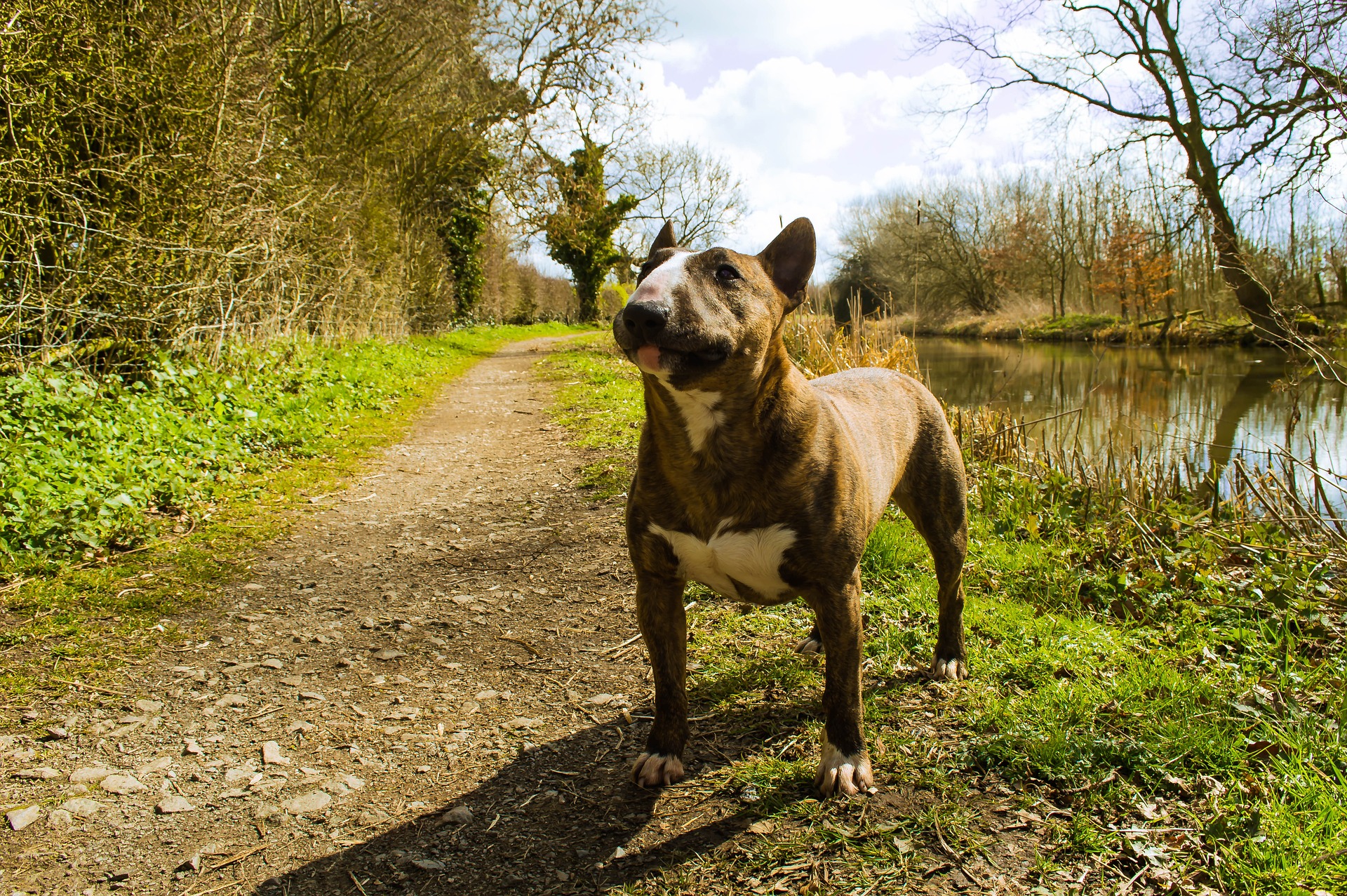
The history of the English Bull Terrier is a story of transformation — from gritty roots in blood sports and working‑class entertainment to refinement under selective breeding, and finally to its place today as a beloved family pet and show dog. This remarkable journey reflects not only changes in human cultural norms, but also shifting values in how we relate to dogs.
What began as a functional cross for strength and courage emerged as a breed prized for its distinctive appearance, loyal temperament, and playful character. The legacy of breeders like James Hinks — who envisioned a refined, balanced dog rather than a pit fighter — lives on in every English Bull Terrier today. American Kennel Club
Sources & Further Reading
-
AKC – Bull Terrier History: How bull‑and‑terrier crosses became the modern breed. Bull Terrier History: Where the Breed Originated, AKC
-
Britannica – Bull Terrier Overview: Origin and early development. Britannica Kids
-
Wikipedia – Bull Terrier: Breed history, characteristics, and development. Wikipedia
-
Nylabone – Dog Breed Profile: Breed origin and transition to companion animal. nylabone.com
-
PetCare – Historical origins (Ukrainian): Early breeding history and fighting‑dog roots. PetCare
-
Breed heritage – CanineHeritage Weebly: More on James Hinks and early breeding context. Canine Heritage