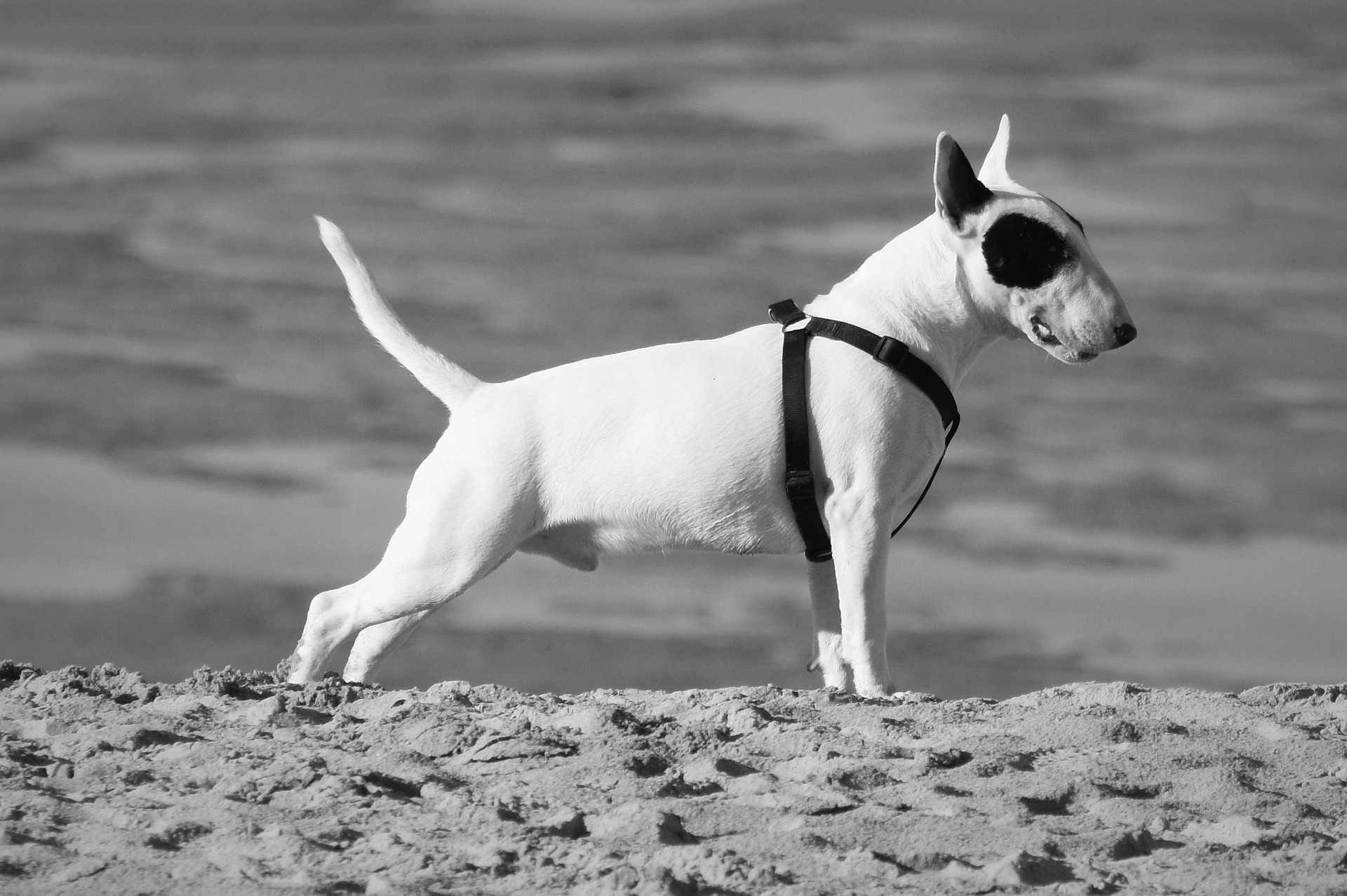
The English Bull Terrier is one of dogdom’s most distinctive breeds — instantly recognizable by its “egg‑shaped head,” muscular build, and unwavering personality. However, this beloved companion’s journey from blood‑sport arena contender to cherished family member reflects broader changes in society, human‑animal relationships, and dog breeding practices. Understanding this evolution helps dog owners, enthusiasts, and historians appreciate not just where the breed comes from, but why Bull Terriers behave the way they do today. American Kennel Club
In this article, we’ll explore:
-
Origins of the Bull Terrier lineage
-
Blood sports, bull‑baiting and fighting
-
The role of James Hinks and Victorian dog culture
-
Transformation into a companion breed
-
Recognition by kennel clubs
-
Diversification into modern types
-
Breed traits influenced by history
-
The Bull Terrier’s cultural impact
-
Responsible Bull Terrier ownership today
-
Final thoughts on evolution and legacy
1. The Roots: Bull and Terrier Crosses in 19th‑Century England
The story of the English Bull Terrier begins in early 19th‑century England, with the rise of blood sports such as bull‑baiting, bear‑baiting, and later dog‑fighting. These were brutal spectacles in which animals — often a tethered bull, bear, or another dog — were pitted against aggressive, powerful dogs in front of crowds. Wikipedia
To meet the demands of these arenas, breeders combined the Old English Bulldog — a muscular breed specially developed for bull baiting — with various terriers. Terriers contributed agility, tenacity, and gameness, while bulldogs added strength and gripping power. These early crosses came to be known as the “bull and terrier” dogs — rough, athletic, and designed for performance, not companionship. American Kennel Club
Many paint this precursory breeding as cruel by modern standards, but for breeders and spectators of the era, it was simply sport and entertainment. Bull and terrier types would square off against bulls in bullbaiting pits or face off against each other in underground dog fights once the former was outlawed. Wikipedia
At the time, these dogs were valued not for friendly temperaments but for bravery, endurance, and resilience in combat — qualities that modern Bull Terriers still physically exhibit, albeit in less violent contexts.
2. Outlawing Blood Sports and the Shift to Dog Fighting
In 1835, the British Parliament passed the Cruelty to Animals Act, effectively banning bull‑baiting and similar blood sports. Wikipedia
This forced enthusiasts who wanted to preserve the fighting qualities of these dogs to shift from public bullbaiting to underground dog‑fighting rings. These fights were smaller in scale but demanded dogs that were smarter, quicker, and more tenacious than their bull‑baiting ancestors. American Kennel Club
To adapt to this new form of combat, breeders continued to develop smaller, more agile crosses between bulldogs and terriers. These dogs were athletic, fearless, and often valued for their grit rather than their companionship or aesthetic. They were known in their time simply as bull and terriers — a descriptive name more than a formal breed standard. American Kennel Club
These fighting dogs are the genetic roots of several modern breeds, including the English Bull Terrier, Staffordshire Bull Terrier, and various pit bull types. American Kennel Club
3. James Hinks and the Birth of the Modern Bull Terrier
Around the 1860s in Birmingham, England, a pivotal transformation began. An Irish dog breeder named James Hinks set out to refine and formalize a new version of the bull and terrier that emphasized appearance and temperament, not aggression. Wikipedia+1
Hinks envisioned a breed that would attract the Victorian public’s growing interest in dog shows and refined pets, rather than underground fighting. To achieve this, he began breeding bull and terriers with other breeds thought to promote the traits he desired — possibly including the English White Terrier, Dalmatian, and even Greyhound — to produce longer legs, an elegant outline, and a distinctive head shape. Devil Dog Pet Co
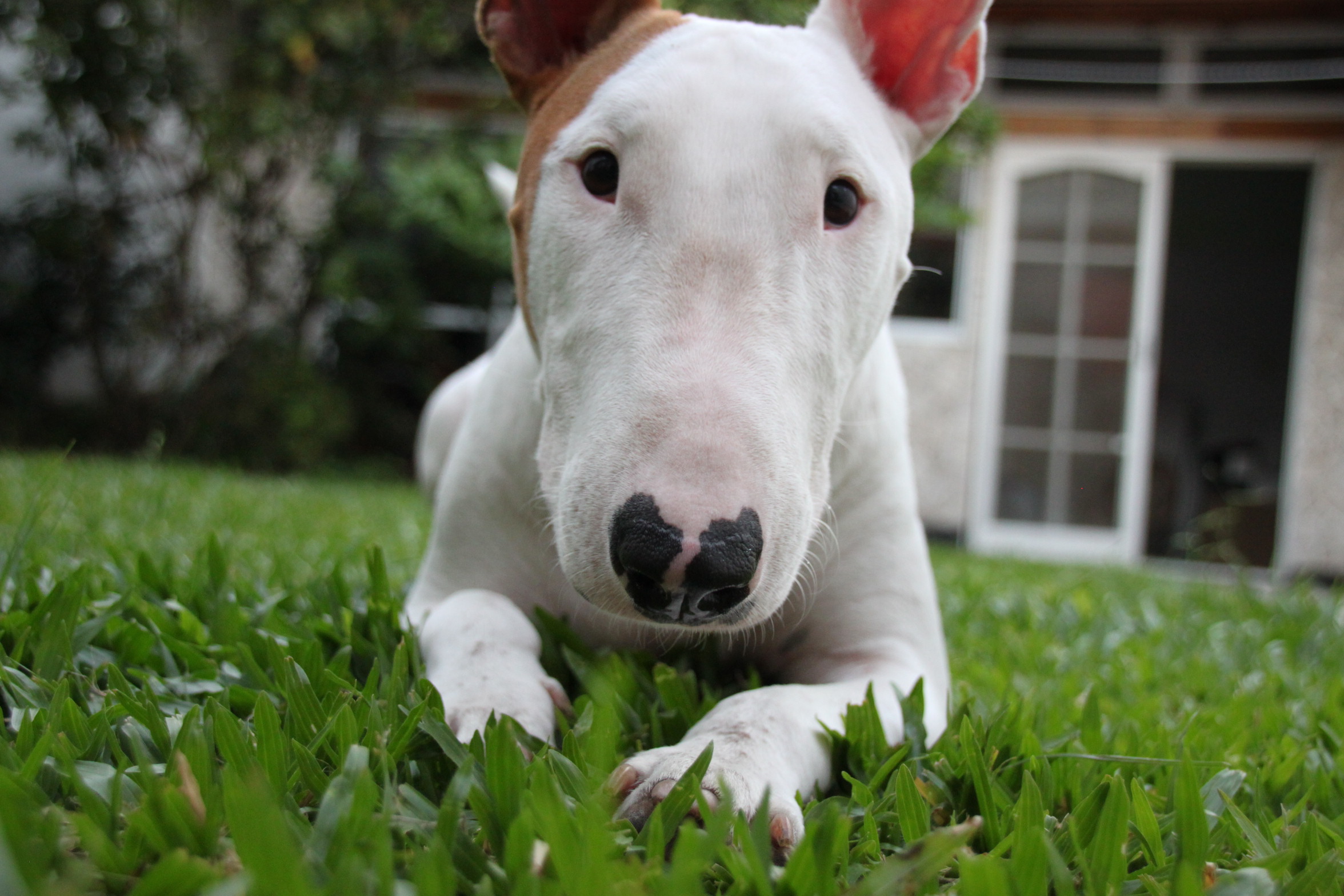
The result was the English Bull Terrier with a cleaner outline, longer neck, and the unique, curved “egg‑shaped” head that defines the breed today. Devil Dog Pet Co
Hinks called his creation the “White Cavalier”, and it debuted in dog shows in the early 1860s, quickly gaining popularity among Victorian dog fanciers who appreciated its combination of courage and refined looks. American Kennel Club
4. Transformation Into a Companion Dog
Whereas earlier bull and terrier types had been utilitarian — bred for performance in blood sports — Hinks and his contemporaries began breeding Bull Terriers for temperament and human interaction. American Kennel Club
The breed’s early Victorian fans valued traits such as:
-
Affection toward people
-
Trainability
-
Fairly steady temperaments
-
Distinctive “gentleman’s companion” aura
This period marked a turning point: a transition from dogs valued for their fighting ability to dogs valued for their personality and companionship.
The middle to late 19th century also saw the rise of dog shows and formal breed standards, which provided the organizational structure to define what a Bull Terrier should look like and how it should act. Bull Terriers became part of a growing movement toward modern dog breeding as a hobby and sport rather than purely practical or entertainment purposes. American Kennel Club
5. Kennel Club Recognition and Standardization
Formal recognition by canine organizations was another milestone in the breed’s evolution. The Bull Terrier Club was formed in 1885, establishing the first breed standards and helping shape the Bull Terrier’s identity as a distinct breed rather than a crossbred utility dog. Devil Dog Pet Co
Breed clubs and kennel associations standardized aspects such as:
-
Overall size and proportions
-
Head shape and profile
-
Coat coloration (initially white only)
-
Structure and movement
This standardization contributed to the Bull Terrier’s acceptance in mainstream dog culture and reinforced its identity as a companion and show dog. Devil Dog Pet Co
6. The 20th Century and Diversification of the Breed
By the early 20th century, the English Bull Terrier had gained a solid foothold as a companion and show breed. Kennel clubs in both England and the United States began recognizing the breed and accepting competition entries. Nahf
Over time, breeders introduced colored varieties — including brindle, fawn, and black — expanding beyond the original all‑white dogs. These colored bull terriers were recognized as a separate variety in the 1930s, which further increased the breed’s popularity among dog lovers who preferred variety in appearance. Nahf
As the breed’s purpose shifted away from fighting, physical and behavioral traits also changed:
✔ More expressive temperaments
✔ Playfulness with families
✔ Greater reliability around people
✔ Reduced aggression in general social settings
Despite this shift, Bull Terriers still retain the energy, strength, courage, and tenacity that mark their heritage — though they’re expressed in play and sport rather than violence. Nahf
7. Breeding, Traits, and Temperament Influenced by History
Today’s English Bull Terriers reflect a legacy shaped by both function and refinement:
Physical Traits
-
Muscular, athletic build
-
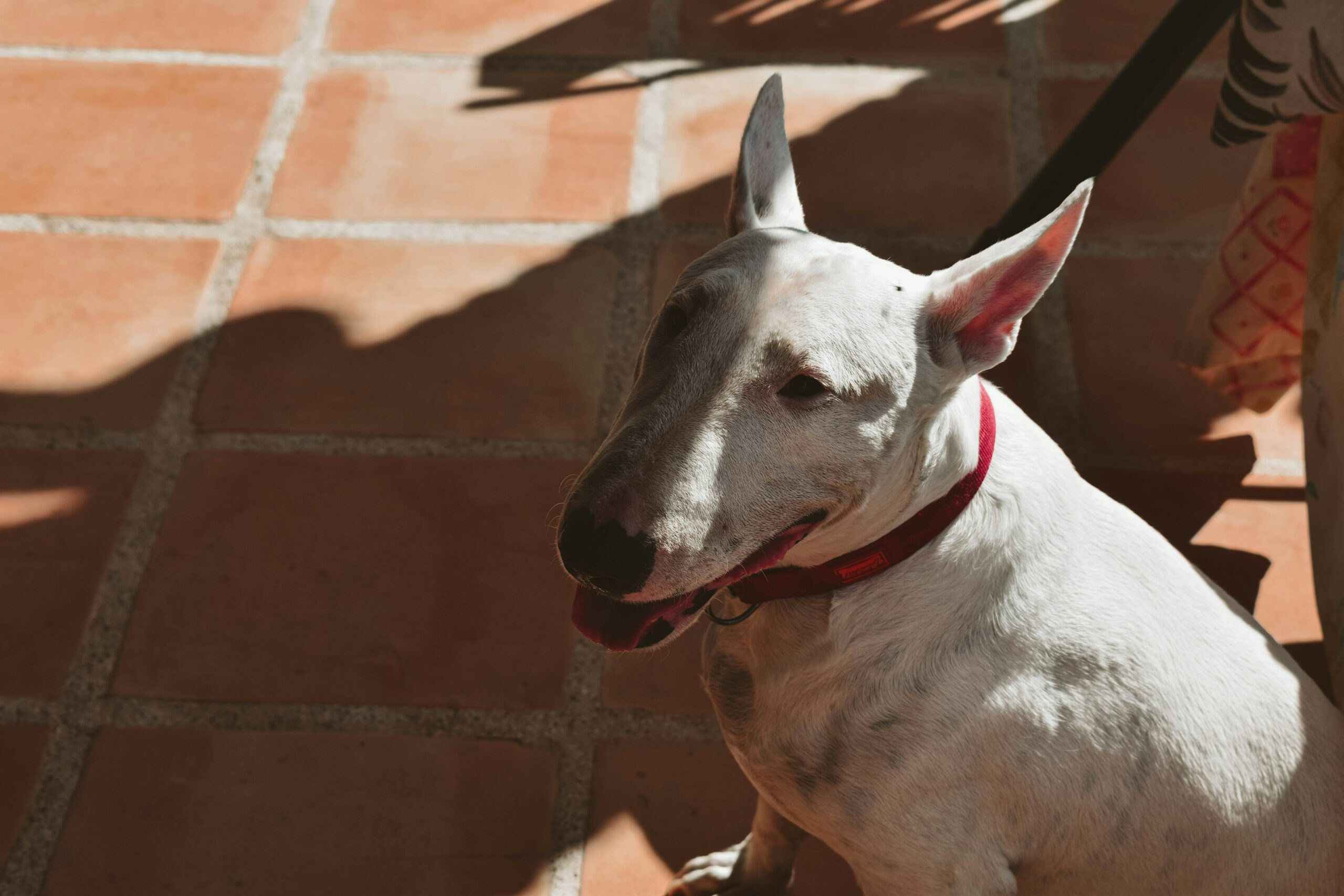
Unique curved head, triangular eyes
-
Short, smooth coat in a range of solid colors or combinations Ubbr.co.uk
Temperament Traits
-
Affectionate with family
-
Intelligent and lively
-
Sometimes stubborn or independent
-
Curious and playful
These characteristics reflect both the breed’s genetic history of resilience and tenacity and the effects of generations of selective breeding for companionship. Ubbr.co.uk
8. Modern Roles: From Pets to Performance Partners
The contemporary Bull Terrier is valued in many roles that reflect the lighter, friendlier side of the breed’s temperament:
Companion Animals
Bull Terriers thrive on human interaction. They form strong bonds with family members, delight in play, and enjoy interactive training.
Dog Sports
Their agility and intelligence make them excellent candidates for:
-
Agility trials
-
Obedience competitions
-
Rally
-
Canine freestyle
Therapy and Community Work
Though they still have a reputation rooted partly in history, Bull Terriers often excel in social, training‑based roles once stereotypes are set aside — a testament to how far the breed has come. Nahf
9. Responsible Bull Terrier Ownership Today
While Bull Terriers have come far from their blood‑sport roots, responsible ownership remains key to fostering healthy behavior:
Exercise
They are active dogs needing regular physical and mental stimulation.
Training
Consistent socialization and obedience training help mitigate stubborn tendencies.
Health Care
Reputable breeders screen for known health issues like skin conditions or hereditary disorders.
Socialization
Early interaction with people, pets, and environments builds confidence and reduces problematic behavior.
Understanding the breed’s history helps owners respect its strengths and manage challenges effectively.
10. The Legacy: What It All Means
The evolution of the English Bull Terrier — from an offspring of fighting crosses to a beloved household pet — mirrors changes in how humans perceive and treat dogs. We moved from seeing dogs as tools for sport and labor to valuing them as companions with emotional depth and personality. American Kennel Club
This transformation wasn’t instant. It was driven by breeders like James Hinks, the growth of dog show culture in Victorian England, and society’s gradual rejection of blood sports. Through careful selection and changing goals, the Bull Terrier evolved into a breed known mostly for loyalty, playfulness, and a larger‑than‑life persona.
Today’s Bull Terrier embodies history, resilience, and adaptability — a living symbol of how intentional breeding and cultural shifts can redefine what a dog breed becomes.
Learn More From These Sources
📌 Bull Terrier History: Breed Origin & Transformation — American Kennel Club history overview American Kennel Club
📌 Bull Terrier Evolution: From Fighting Dogs to Loyal Companions — NAHF article on breed development Nahf
📌 Bull Terrier Original Breed History & Owner Reality — Devil Dog Pet Co blog on James Hinks’ development of the breed Devil Dog Pet Co
📌 Bull Terrier Physical Traits & Temperament — Ubbr breed history information Ubbr.co.uk
📌 Historical Context of Bull‑Terrier Blood Sports — Wikipedia on bull‑baiting Wikipedia