Pomeranians are adorable, fluffy companions known for their lively personalities, loyalty, and spirited energy. Families often wonder whether these tiny dogs make good companions for children. The answer isn’t a simple yes or no — it depends on preparation, education, supervision, and understanding both the dog’s and children’s needs. With the right guidance, Pomeranians and kids can form wonderful, lasting bonds based on mutual respect and trust.
In this complete guide, you’ll learn how Pomeranians and children can safely interact, what challenges to anticipate, how to foster positive behavior, and practical tips to build a loving, unified family environment.
1. Are Pomeranians Good With Children? Understanding the Breed First
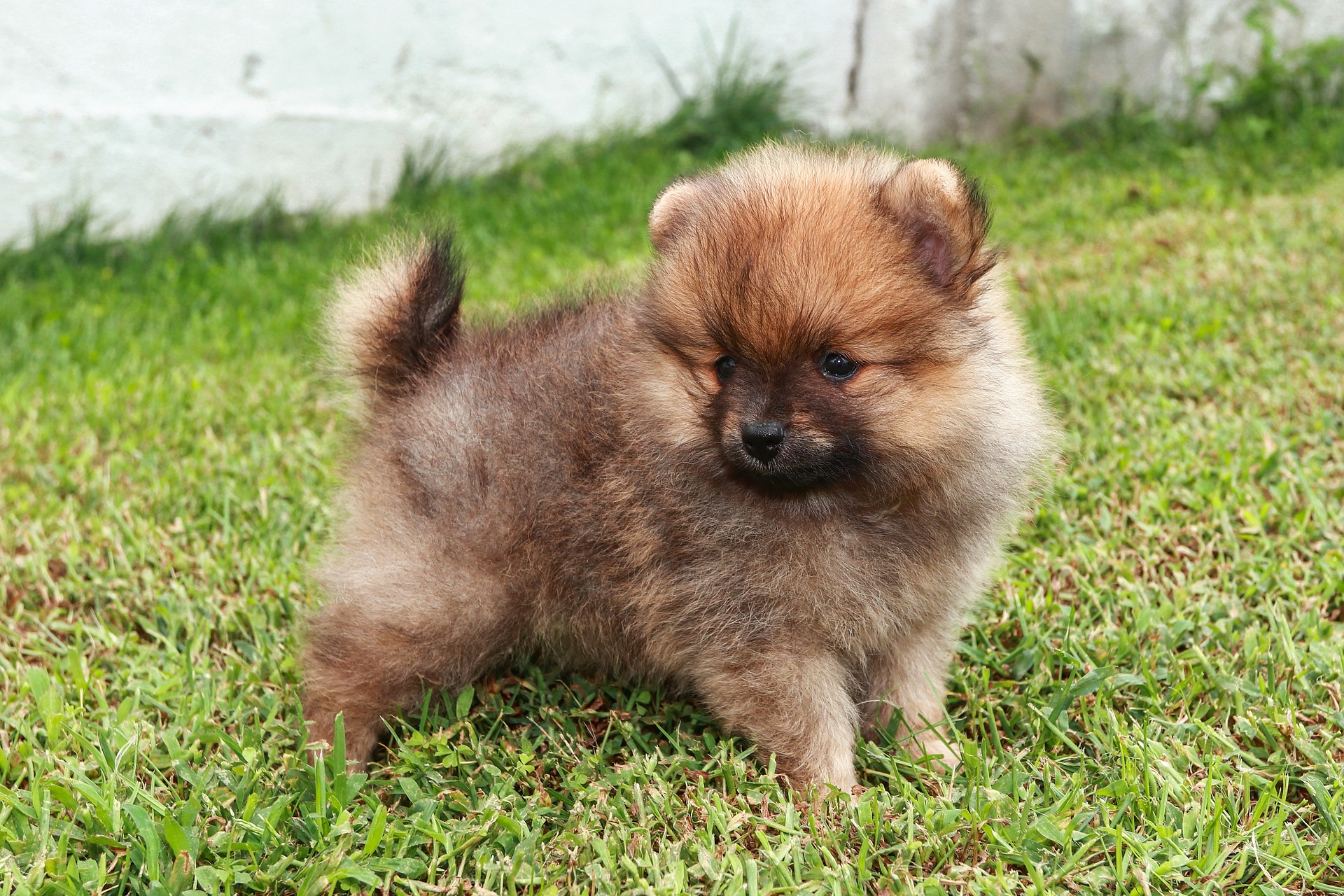
Pomeranians have lively, affectionate personalities and can enjoy the company of children — particularly older kids who understand gentle, respectful interaction. These dogs are known for forming strong attachments to their human family members, including children, and can be playful and engaging companions. Animal Answers+1
However, because of their small size and delicate structure, Pomeranians may not always tolerate the unpredictable behavior of young children who don’t yet understand how to handle a small dog appropriately. Pomeranian Headquarters+1
Key Breed Traits to Understand
✔ Small and fragile: Their tiny bones and stature make them vulnerable to accidental injuries from rough play. Pomeranian Headquarters
✔ Playful and energetic: Pomeranians love interactive play, which can be excellent for older kids. Pomeranian Fans
✔ Alert and intelligent: They form emotional bonds and are aware of their family’s presence. DogAcademy.org
✔ Sensitive and bold: Their confident nature can sometimes lead to snappy reactions if they feel threatened. Pomeranian Headquarters
2. The Importance of Supervision: Never Leave Them Alone Together
One of the most essential rules in any household that includes both children and a Pomeranian is supervision. Regardless of how well the dog and child seem to get along, parents and caregivers should always monitor interactions — especially with younger children. Pomeranian Headquarters
Why Supervision Matters
-
Young children often don’t understand how to handle a small dog gently.
-
A sudden loud noise or quick movement from a child can startle or stress the dog.
-
A Pomeranian might defend itself if frightened or hurt, even if accidentally.
For example, Pomeranian.org cautions that toddlers may unintentionally hurt a Pom during play, leading to defensive behavior such as snapping. Pomeranian Headquarters
👉 Pro tip: Anyone under 10 years old should be instructed to sit on the floor when handling or holding a Pomeranian to minimize the risk of accidental drops. Pomeranian Headquarters
3. Teaching Children How to Interact Properly With Their Pom
One of the most powerful tools for building a safe bond between Pomeranians and kids is education. Children should learn how to behave around a dog, including how to read a dog’s body language.
What Children Should Be Taught
✔ Gentle Touch Only: No pulling ears, tails, or fur.
✔ Proper Picking Up: Always supported by an adult; Pomeranians should not be lifted by kids alone.
✔ Reading Dog Signals: Understanding when a dog is uncomfortable (e.g., retreating, tense body).
✔ Respect Boundaries: If a Pomeranian walks away, children should let them rest.
Teaching kids to approach dogs slowly with a calm voice and let the dog sniff their hand first helps reduce fear or defensive reactions. Pomeranians Australia
Making pet care part of family chores, like feeding or brushing with guidance, gives kids responsibility and promotes empathy. Pomeranians Australia
4. Socialization and Training: Preparing Your Pom for Family Life
Socialization is crucial for ANY dog, but especially for breeds like Pomeranians that can be sensitive to sudden movements and unpredictable behavior from children. DogAcademy.org
A well‑socialized Pomeranian — introduced early to different people, sounds, and mild interruptions — is more likely to react calmly when interacting with children later in life. Pomeranian Boo House
Key Socialization Tips
✔ Start interactions early, with older kids first.
✔ Introduce the dog to playful noises and gentle handling gradually.
✔ Use treats and praise to reward calm, positive interactions.
✔ Teach the dog to come on cue and give gentle obedience commands.
Training the Pomeranian to be comfortable with young family members enhances confidence and reduces fear‑based reactions. Pomeranian Boo House
5. Recognizing Your Pomeranian’s Limits Around Children
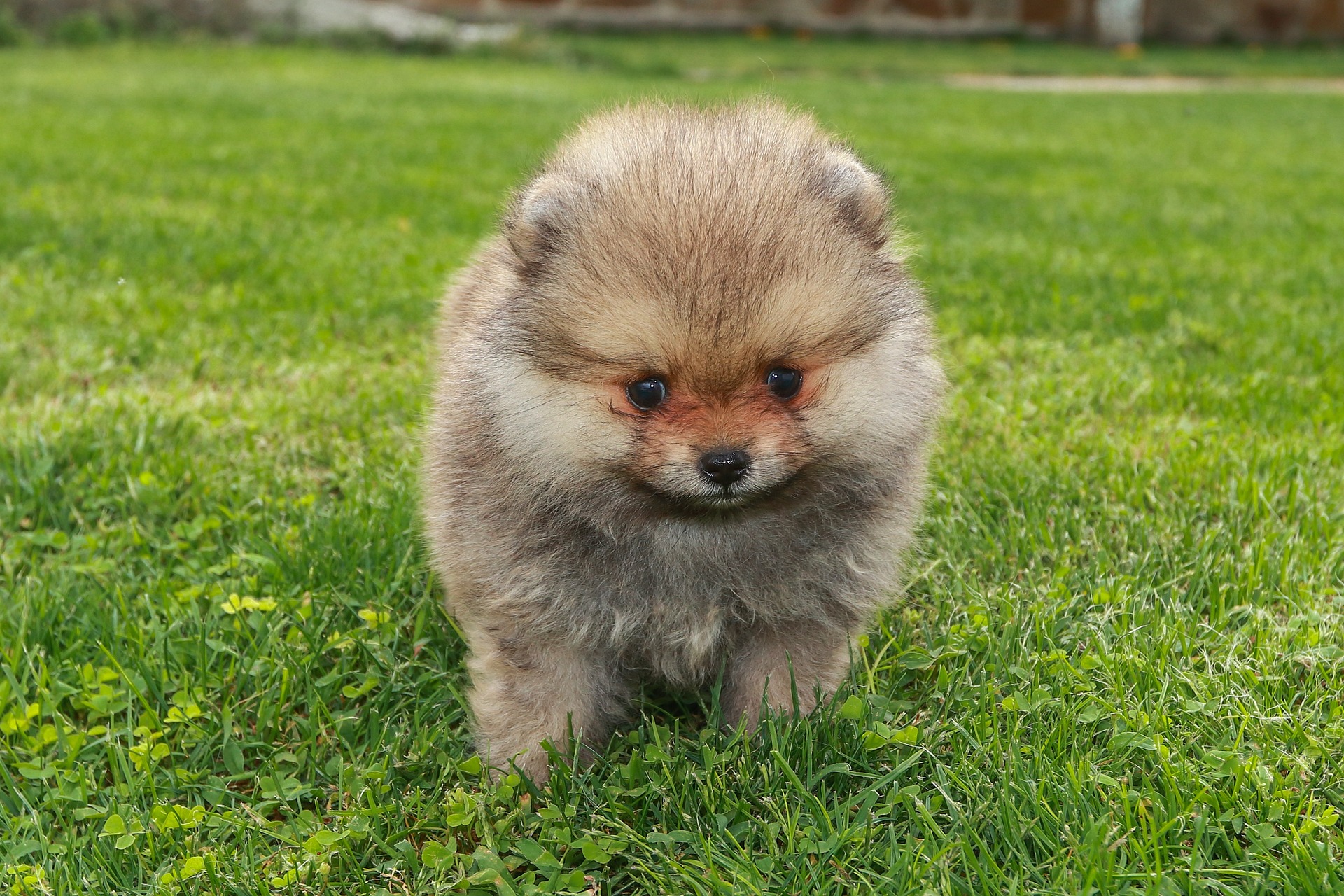
Even with the best training and supervision, it’s important to know when a Pomeranian has had enough. These dogs can experience stress or discomfort in overstimulating environments, such as noisy play sessions or rough handling. Pomeranian Headquarters
Signs the Dog Needs a Break
🔹 Tucked tail
🔹 Hiding or retreating
🔹 Growling or snappy behavior
🔹 Avoiding eye contact
If you notice any of these behaviors, it’s time to redirect both the dog and children into an independent, calm activity like a chew toy, treat puzzle, or quiet time in a safe space.
6. Age‑Appropriate Interactions: What Works Best
Kids Under Age 5
Not recommended to interact with a tiny Pomeranian unsupervised. Their unpredictable movements and loud noises can be very stressful for a small dog, and accidental injuries can happen quickly. Hepper Pet Resources
Children Ages 6–10
Can begin gentle interactions under careful guidance. Teach them appropriate way to pet and play without roughhousing. Pomeranians Australia
Older Children and Teens
Families with children over age 10 can usually integrate Pomeranians into kid play more naturally, especially with proper training and supervision. Older kids can be taught commands and help care for the dog. Pomeranian Headquarters
7. Building Bonding Activities Between Kids and Their Pom
To nurture a strong, loving relationship between a Pomeranian and children, it helps to create positive shared experiences.
Fun and Safe Activities
✔ Fetch and Light Play: Use soft toys — not rough wrestling.
✔ Puzzle Games Together: Hide treats or use snuffle mats to train cooperation.
✔ Daily Short Walks: Older children can help lead the dog with adult supervision. Pomeranian Headquarters
✔ Reading Aloud to the Dog: Surprisingly helpful for both anxiety and bonding (and keeps the child calm and focused).
✔ Grooming Help: With guidance, children can assist brushing to build responsibility. Pomeranians Australia
These joint activities help kids understand the dog’s behavior, build mutual trust, and establish predictable routines.
8. Safety Precautions to Prevent Accidents
Even with socialization and training, being proactive about safety makes households happier and healthier.
Key Safety Rules
✔ Never leave a Pomeranian and children alone unsupervised. Pomeranian Headquarters
✔ Teach kids no chasing, which can cause fear or flight reactions. Pomeranians Australia
✔ Create dog‑free zones so the pom can rest peacefully. Pomeranians Australia
✔ Support the dog correctly when lifting to prevent injury. Pomeranian Headquarters
✔ Redirect overly enthusiastic play toward calm, structured games. Pomeranian Headquarters
These simple habits significantly reduce the risk of accidental injury to both children and the dog.
9. Understanding and Respecting Pomeranian Communication
Teaching children to read the dog’s cues is one of the most valuable parts of building a safe, respectful bond. Dogs communicate continuously through body language more than words.
Calm, Comfortable Body
✔ Wagging tail with relaxed posture
✔ Soft gaze
✔ Approaching on their own
Signs of Discomfort or Stress
🔹 Ears pinned back
🔹 Growling or lip‑lifting
🔹 Turning away
🔹 Tail tucked or stiff body
If kids know what the dog is saying with its body, they can respond appropriately — such as backing off when the dog needs space. Pomeranians Australia
10. Teaching Responsibility Through Pet Care
Having a Pomeranian and children share daily tasks fosters a sense of responsibility in kids and reinforces caring behavior.
Age‑Appropriate Responsibilities
✔ Young kids: helping with brushing, filling water dishes. Pomeranians Australia
✔ Older kids: helping with feeding, training games, walks. Pomeranians Australia
Sharing these tasks also strengthens the child’s emotional connection with the dog — making the Pom feel loved and respected.
11. Emotional Benefits for Children
Growing up with a dog like a Pomeranian can provide emotional and social benefits:
❤️ Developing empathy and compassion
❤️ Learning responsibility through care tasks
❤️ Building confidence through training and interaction
❤️ Strengthening mindset through routine and care commitment Dogster
For many children, a dog becomes more than a pet — they become a constant companion and emotional support figure.
12. Case Studies: Real Families With Poms and Children
While research shows mixed views on Pomeranians and kids, many families share positive real‑life stories of harmony and affection:
-
One owner reports gradual desensitization of a Pomeranian’s reaction to children by slow, controlled exposure and rewards for calm behavior. Reddit
-
Others detail Pomeranians bonding intensely with older kids and participating actively in play and cuddle time. Reddit
These anecdotes echo what experts recommend: slow introduction, positive reinforcement, and lots of supervision.
13. When a Pomeranian and Child Just Don’t Mix (and What to Do)
Sometimes, despite best efforts, a Pomeranian may not adapt well to certain children — especially very young ones or kids who struggle with gentle interaction. In these cases:
✔ Provide separate spaces
✔ Use baby gates or playpens
✔ Increase training sessions for calm behavior
✔ Seek professional training help if stress or aggression persists
This doesn’t mean the relationship has failed — it means the family is adapting to the dog’s emotional and physical needs.
Conclusion: A Loving, Respectful Bond Is Possible
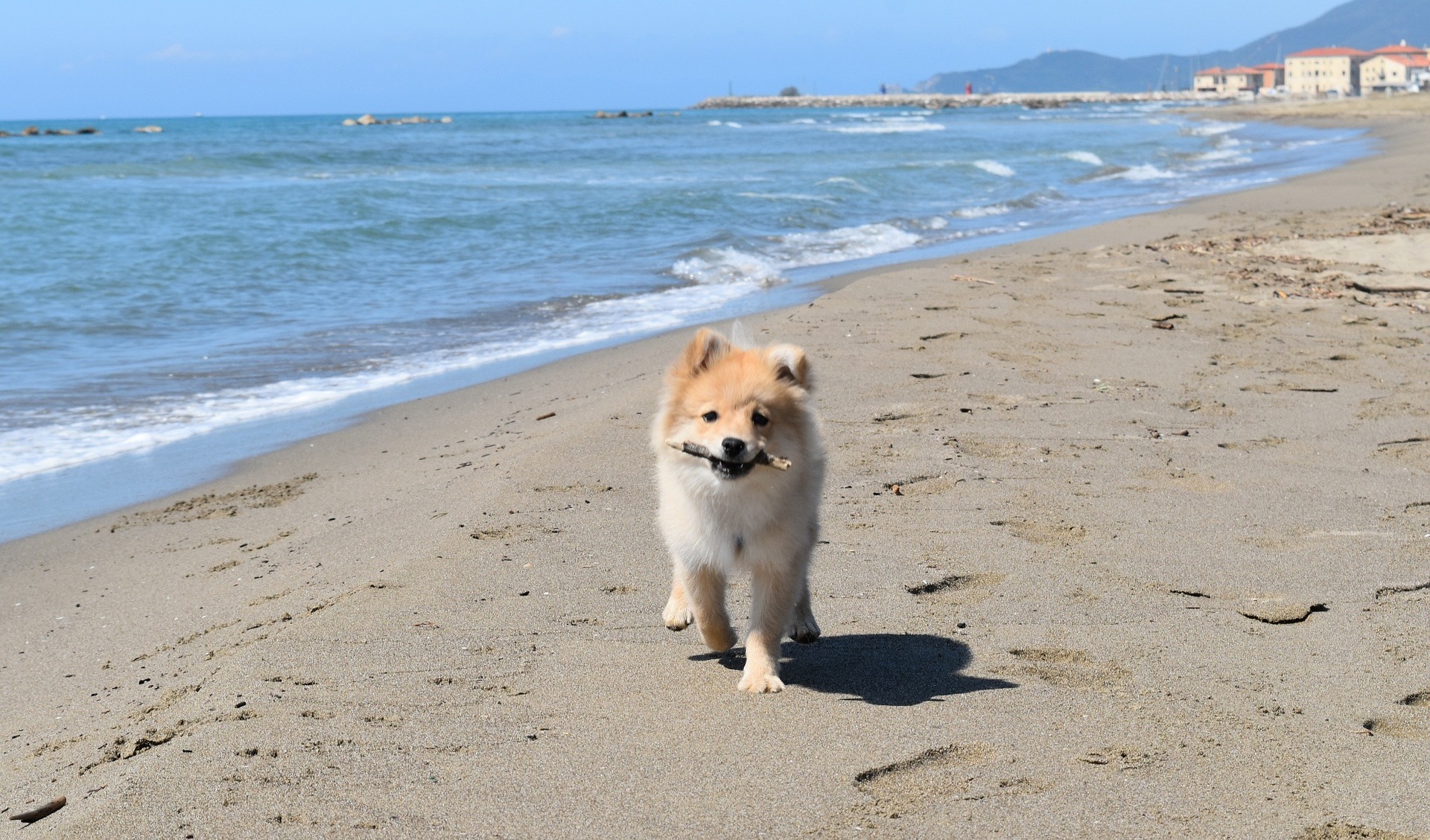
Pomeranians can be wonderful companions for children when the relationship is built thoughtfully. Their affectionate nature, playfulness, and loyalty make them delightful family members — but their small size and sensitivity demand respect, patience, and guidance from both kids and adults.
By supervising interactions, teaching children proper behavior around dogs, and reinforcing positive experiences for everyone, you can help your Pomeranian and children enjoy a safe, respectful, and rewarding bond that enriches your entire family.
Sources & Further Reading
🔗 Pomeranians and Children — Pomeranian.org (compatibility and supervision tips) Pomeranian Headquarters
🔗 Are Pomeranians Good Dogs? — Pomeranian.org Blog (including kids considerations) Pomeranian Headquarters
🔗 Are Pomeranians Good With Kids? — Hepper Pet Resources (details on suitability) Hepper Pet Resources
🔗 Pomeranian Breed Info & Family Compatibility — Animal Answers Animal Answers
🔗 Tips for Safe Coexistence with Kids — Pomeranians Australia Pomeranians Australia
🔗 Pomeranian Temperament & Traits — Dog Academy DogAcademy.org
Pomeranians are tiny, fluffy, and full of personality, which makes them adorable companions for families. However, their small size, delicate build, and energetic nature require special care when interacting with children. Understanding how to foster a safe, loving bond is key to ensuring the well-being of both your Pomeranian and your kids.
This FAQ section covers everything from temperament and socialization to safety, training, and household rules.
FAQ: Pomeranians and Children: Building a Safe, Loving Bond
1. Are Pomeranians good with children?
Yes, Pomeranians can get along very well with children, but there are important considerations:
-
They are affectionate, intelligent, and playful, which makes them fun companions.
-
Their small size makes them fragile, so rough handling can cause injury.
-
They respond well to gentle, consistent training and guidance.
-
Early socialization with children ensures they are confident and comfortable in family environments.
With proper supervision and education, Pomeranians can form lifelong bonds with kids.
2. What age of children is appropriate for a Pomeranian?
-
Toddlers (under 3 years): Requires constant supervision. Small Poms can be accidentally injured by dropping, stepping, or rough handling.
-
Preschool (3–5 years): Can interact with Poms under adult guidance. Focus on teaching gentle touch.
-
School-age children (6+ years): Often understand boundaries better and can participate in feeding, grooming, and play.
-
Teenagers: Can help with training, exercise, and responsibility for care.
Choosing a Pomeranian for families with very young children is possible, but supervision and education are critical.
3. How can I teach my children to handle a Pomeranian safely?
Key strategies:
-
Show children how to lift and hold the Pom safely. Support the chest and hind legs.
-
Encourage gentle petting and stroking, avoiding rough grabbing.
-
Teach children to read dog body language—tail position, ears, and vocalizations indicate comfort or stress.
-
Use playtime as a training opportunity to teach patience, sharing, and respect.
-
Supervise all interactions until the Pom and children are fully comfortable.
Proper education prevents accidents and builds mutual trust and respect.
4. What signs indicate a Pomeranian is uncomfortable with a child?
Poms may show stress if overwhelmed:
-
Growling, whining, or barking excessively
-
Hiding, trying to escape, or avoiding interaction
-
Flattened ears or tucked tail
-
Snapping or mild nipping
Action steps:
-
Give the dog a safe space to retreat
-
Reassess child supervision and teach gentler handling
-
Avoid forcing interactions
-
Provide positive reinforcement when the Pom interacts calmly
Recognizing stress signs ensures a safe environment for both dog and child.
5. How do I supervise play between a Pomeranian and a child?
-
Always stay within arm’s reach of both dog and child
-
Limit play sessions to short intervals to avoid overstimulation
-
Use age-appropriate toys
-
Avoid roughhousing, jumping, or tugging games that could injure the Pom
-
Encourage calm and structured interaction
Supervision keeps energy levels balanced and prevents accidents.
6. Are Pomeranians suitable for families with multiple children?
Yes, but consider the following:
-
Multiple children may overwhelm a small Pom if attention is inconsistent
-
Teach rotating responsibility so the dog is not over-handled
-
Maintain structured routines for feeding, play, and rest
-
Ensure each child understands gentle handling rules
With supervision and education, Pomeranians can thrive in a multi-child household.
7. How can I prevent accidental injuries to my Pomeranian?
-
Avoid rough play or lifting the dog by the scruff or limbs
-
Keep the Pom off high furniture unless supervised
-
Teach children not to chase the dog
-
Provide safe zones (crate or bed) where the dog can retreat
-
Ensure toys are size-appropriate and soft
Preventive measures minimize stress and physical injury to this delicate breed.
8. How do Pomeranians express affection to children?
Poms show love in various ways:
-
Snuggling on laps or next to the child
-
Following the child around the room
-
Playful nudges or paw taps
-
Excited barking or tail wagging during playtime
-
Bringing toys to initiate interaction
Understanding these behaviors helps children recognize and reciprocate affection safely.
9. How do I teach children to respect a Pomeranian’s boundaries?
-
Create clear rules: No pulling ears, tails, or fur
-
Teach children to leave the dog alone while eating or sleeping
-
Encourage the use of commands like “come” or “sit” to interact positively
-
Reward calm, respectful interaction with praise or treats
Respecting boundaries reduces stress, aggression, and anxiety in Pomeranians.
10. Should Pomeranians be allowed to sleep in children’s rooms?
-
Pros: Promotes bonding and comfort
-
Cons: May disturb sleep or encourage dependency
-
Recommended approach: Safe, separate sleeping area like a crate or dog bed in the room
-
Gradually allow supervised access to the bed if appropriate
Balance ensures the Pom feels safe without developing separation anxiety.
11. How can Pomeranians handle rough or loud children?
-
Provide training for tolerance, using positive reinforcement
-
Socialize the Pom with different voices, movements, and energy levels early
-
Supervise interactions to prevent stress
-
Offer escape options like crates or gated areas
Well-socialized Pomeranians can tolerate high-energy environments without fear or aggression.
12. How do I involve children in Pomeranian care?
-
Feeding: Allow children to help measure and provide meals under supervision
-
Grooming: Brushing, nail checking, or gentle combing teaches responsibility
-
Training: Older children can participate in basic obedience and trick training
-
Playtime: Structured games build bonds and maintain energy levels
Involvement teaches children responsibility, empathy, and respect for animals.
13. How do I prevent behavior issues in Pomeranians living with children?
-
Maintain consistent training routines
-
Avoid reinforcing nipping or barking during play
-
Provide mental and physical stimulation daily
-
Use positive reinforcement for calm, respectful behavior
-
Correct undesired behaviors immediately but gently
Consistency prevents hyperactivity, fear, or aggression.
14. Are there risks of allergies with children and Pomeranians?
-
Poms have a double coat, which sheds moderately
-
Children sensitive to pet dander may experience mild allergic reactions
-
Preventive measures:
-
Frequent brushing and vacuuming
-
Bathing every few weeks
-
Air purifiers to reduce dander
-
Monitoring for skin or respiratory reactions
-
Allergy management ensures a safe, comfortable household.
15. How do Pomeranians react to babies and infants?
-
Poms may be curious or protective around infants
-
Supervision is essential, as infants may grab fur or limbs accidentally
-
Gradually introduce the Pom to baby sounds, smells, and movements
-
Reward calm, gentle behavior near the infant
-
Avoid leaving the Pom unsupervised with a baby
Proper introduction fosters trust and safety for both parties.
16. Can Pomeranians develop separation anxiety from children?
Yes, if:
-
They are spoiled with constant attention
-
Children are the only family members interacting with the dog
Prevention:
-
Encourage the dog to spend time with all family members
-
Use crate training or safe spaces for alone time
-
Gradually increase alone periods to build independence
Healthy boundaries prevent stress and destructive behaviors.
17. How do I handle nipping or biting behavior in a Pomeranian?
-
Often a result of teething, play, or stress
-
Teach children to stop play immediately if nipping occurs
-
Offer chew toys or appropriate alternatives
-
Reward calm, gentle behavior
-
Avoid punishment that may instill fear or aggression
With patience, Pomeranians learn gentle interaction skills.
18. How do I encourage positive interaction between children and Pomeranians?
-
Play structured games like fetch or hide-and-seek
-
Teach basic commands children can use to engage the Pom
-
Offer treat-based training for positive reinforcement
-
Encourage calm petting and snuggle time
-
Rotate activities to match the Pom’s energy levels
Positive interaction fosters trust, respect, and affection.
19. How important is routine for Pomeranians around children?
-
Poms thrive on predictability
-
Daily routines for meals, exercise, play, and sleep reduce stress
-
Helps children learn responsibility and structure
-
Prevents anxiety and overexcitement in both dog and child
A consistent routine promotes safety, calm, and happiness.
20. Can Pomeranians adapt to family vacations or trips with children?
Yes, with preparation:
-
Gradually acclimate them to car rides and luggage movement
-
Provide portable toys, bedding, and water
-
Maintain feeding and exercise schedules as much as possible
-
Supervise all interactions in new environments
Proper preparation keeps your Pom confident, safe, and stress-free.
21. How do I manage Pomeranian energy in homes with active children?
-
Schedule play and exercise sessions before and after children’s activities
-
Use mental stimulation to tire the Pom safely indoors
-
Avoid overstimulation or roughhousing
-
Offer rest periods in a safe space to prevent exhaustion
Balanced energy management prevents behavioral problems and accidents.
22. Should Pomeranians be allowed to interact with young children unsupervised?
No. Supervision is essential because:
-
Poms are small and fragile
-
Young children may accidentally injure the dog
-
Dogs may become stressed if handled improperly
Supervised interaction ensures safety for both child and pet.
23. How do I encourage a lifelong bond between my Pomeranian and children?
-
Encourage daily gentle interaction, play, and care
-
Teach children to recognize body language
-
Maintain consistent routines
-
Reward positive interactions
-
Involve children in training, grooming, and feeding
Strong, respectful bonds create trust, affection, and mutual happiness.
24. How do I manage fear or anxiety in Pomeranians around children?
-
Introduce children slowly and calmly
-
Avoid forcing interactions
-
Provide safe retreats like crates or beds
-
Use treats and praise for calm behavior
-
Gradually increase exposure while monitoring stress signals
Managing fear ensures the Pom remains confident and happy.
25. Summary — Building a Safe, Loving Bond Between Pomeranians and Children
To ensure a safe, loving bond:
-
Supervise all interactions, especially with young children
-
Educate children on gentle handling
-
Teach respect for boundaries and safe spaces
-
Provide structured exercise, play, and mental stimulation
-
Maintain routines for meals, rest, and grooming
-
Socialize the Pom gradually to different children and environments
-
Monitor for stress signals or behavioral issues
-
Involve children in care to build responsibility and affection
By following these guidelines, families can create lifelong, joyful relationships between Pomeranians and children.
✅ Conclusion
Pomeranians are small but big-hearted companions for children when proper care and supervision are in place. Understanding their physical fragility, energy levels, and emotional needs ensures interactions are safe, positive, and enriching for both kids and dogs.
With education, boundaries, and gentle handling, Pomeranians can thrive in family settings, forming bonds that are affectionate, playful, and enduring. This careful approach guarantees that both the dog and children grow up happy, confident, and full of mutual love.