Pomeranians are one of the world’s most popular toy dog breeds — beloved for their fluffy coats, lively personalities, and bold spirits packed into tiny bodies. But raising and caring for a Pomeranian puppy vs. an adult is not the same experience. Each life stage brings different care needs, behaviors, health concerns, training priorities, and emotional requirements.
Whether you’re planning to bring home your first Pomeranian pup, balancing care for an adult Pom, or considering adding a second dog to your home, this article breaks down everything you should know about puppies vs adults — so you can make informed decisions and enjoy a happy, healthy life together.
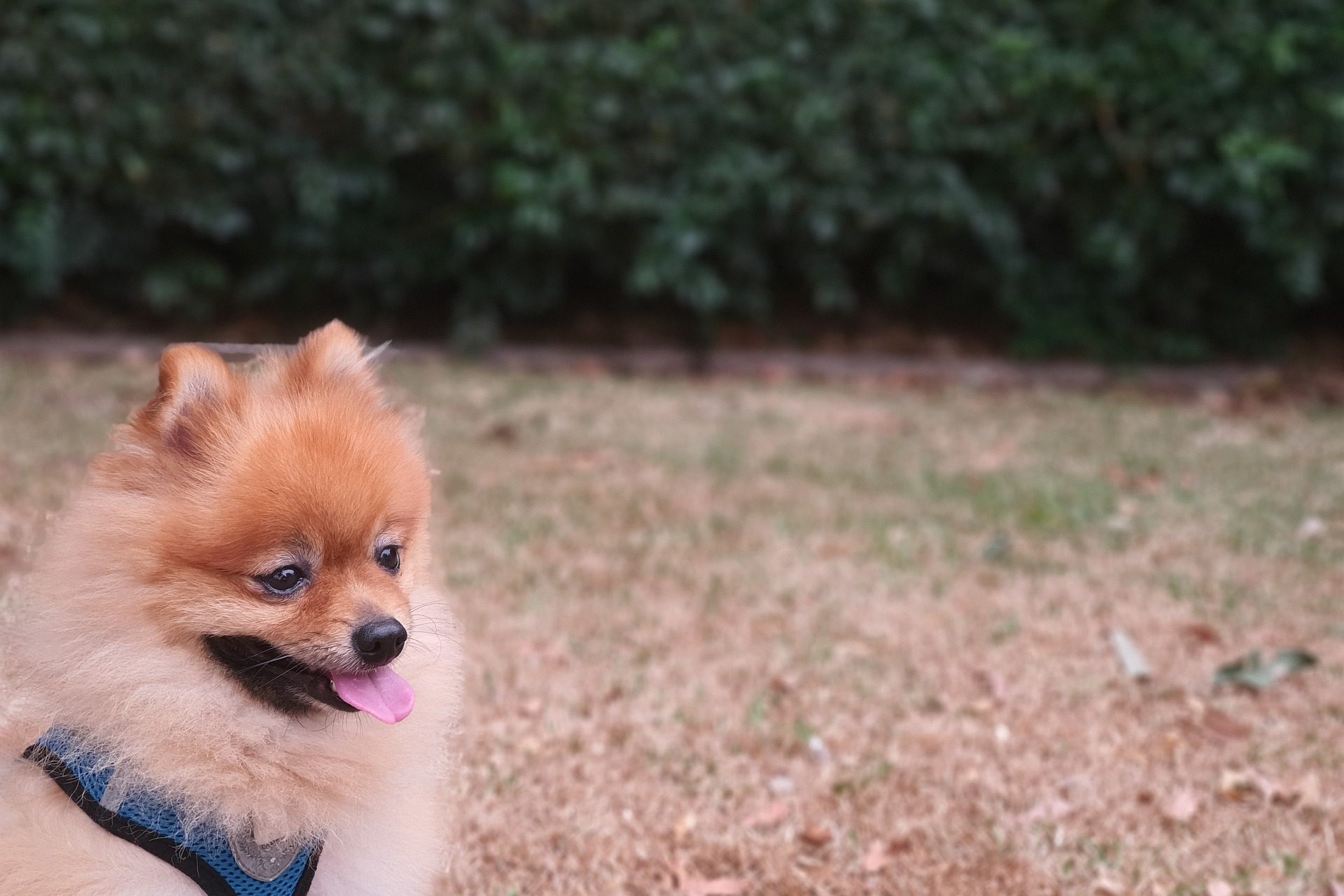
1. Developmental Stages: Puppy vs Adult Pomeranian
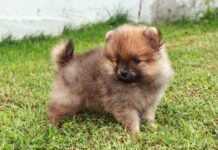
Pomeranian Puppy (Birth–12 Months)
Pomeranian puppies grow exceptionally fast in their first year — both physically and mentally. Their early weeks are critical for building:
-
Confidence and socialization
-
Basic house training
-
Play habits and energy outlets
-
Learning boundaries and early obedience
Puppies often sleep a lot, but when awake, they have bursts of intense energy that need structured play, training, and supervision to prevent mischief and accidents around the home. Very young pups are especially likely to suffer hypoglycemia (low blood sugar) without regular meals. Puppies under 6 months should eat small, frequent meals to avoid fatigue and weakness. petpom.com+1
Adult Pomeranian (1–7 Years)
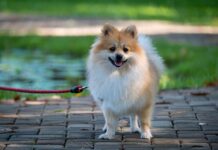
Once they reach adulthood — generally around 10–12 months — Poms settle into a predictable rhythm:
-
More stable energy levels
-
Mature coat and musculature
-
Mature personality and temperament
-
Different training focus (from puppy basics to advanced cues)
Adult Pomeranians still need engagement and structure, but they’re often less chaotic than puppies and can focus better during walks, training, and daily interactions. Canine Bible
Senior Pomeranians (8+ years) may slow down further, needing gentler exercise and more health monitoring, but this life stage isn’t the main focus here — we’ll compare puppy vs adult specifics throughout.
2. Training Needs: Starting Early Matters
Puppies Learn Fast — With Patience
Pomeranian puppies are intelligent and curious, but they also tend to be independent and sometimes stubborn. Early training sets the tone for lifelong good behavior. Puppies respond best to positive reinforcement — small treats, praise, and play — rather than harsh corrections. Training should be short, consistent, and fun to keep a pup’s attention. Canine Bible
Early goals include:
-
Sit, stay, come
-
Crate and potty training
-
Gentle leash skills
-
Socialization with people and other dogs
Starting socialization before 16 weeks helps prevent fearfulness or excessive barking later. Snuffalo
Adults Benefit from Continued Training
Adult Pomeranians may already know the basics, but ongoing training helps prevent bad habits. Because adults often learn faster than puppies (once focused), they can excel at:
-
Trick training
-
Obedience refinement
-
Calm behavior around guests
-
Advanced leash manners
Unlike puppies, adult Poms usually have longer focus spans and better potty habits, but stubbornness can still emerge without consistent reinforcement. Canine Bible
3. Exercise and Play Differences
Puppy Exercise: Frequent, Gentle, Short Sessions
Pomeranian puppies shouldn’t be over‑exercised. Their small bones and developing joints need careful handling. Short play sessions several times a day are ideal — including gentle indoor fetch and short supervised exploration. Snuffalo
Too much long walking or intense play can stress joints and energy levels. Puppies still need mental stimulation as much as physical play. Simple games, new toys, or training sessions double as healthy enrichment.
Adult Exercise: Consistent, Moderate Activity
Adult Poms still require regular activity to keep bodies and minds healthy. A typical adult routine might include:
-
Two brisk 20–30 minute walks per day
-
Indoor play sessions
-
Puzzle toys or trick work to engage the brain
Their exercise is more structured than a pup’s random bursts, but still moderate — they don’t need hours of running. animalwised.com
4. Feeding and Nutrition: Growth vs Maintenance
Puppy Nutrition: Frequent, Balanced Meals
Pomeranian pups grow quickly and require specific feeding patterns:
-
Puppies up to 4 months may eat 4 meals daily
-
From 4–12 months, they typically have 3 meals per day
-
Always provide fresh water
Quality puppy food tailored for toy breeds supports bone, brain, and immune development. Because hypoglycemia is a risk, free‑feeding (small portions available all day) can help maintain energy, though structured meals help with house training too. petpom.com+1
Adult Nutrition: Two Meals a Day
Once they mature, adult Pomeranians usually transition to two meals per day, often with slightly different nutritional ratios — slightly fewer calories and growth‑focused nutrients than those needed by pups. PetWave
Make changes gradually to prevent digestive upset — mixing increasing amounts of adult food over several days is best.
5. Grooming: How Age Affects Coat Care
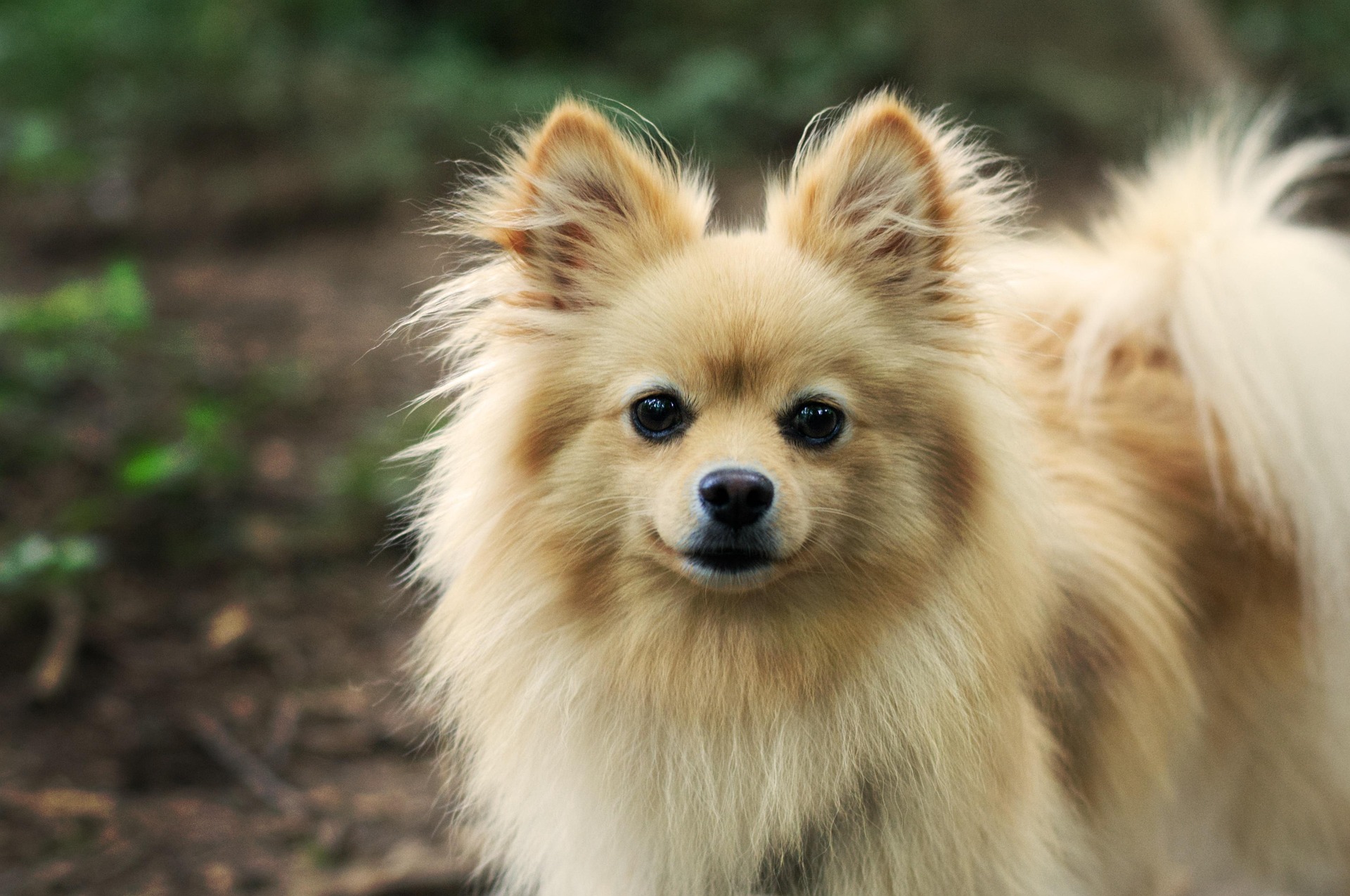
Pomeranians are famous for their thick double coat — and how you care for it depends on age.
Puppy Coat
The coat of a young Pomeranian starts soft and fluffy but doesn’t have the density and texture of the adult fur. It changes a lot between 4 and 8 months as their adult coat fills in. PetWave
Daily gentle brushing helps get puppies comfortable with grooming, decreases shedding, and prevents tangles from forming later.
Adult Coat
Adult Poms have a full double coat that requires:
-
Regular brushing several times a week
-
Extra attention during shedding seasons
-
Occasional professional grooming
Mats form easily in dense fur, so habitual brushing helps keep the coat healthy and remove loose undercoat hair. PetMD
6. Behavior and Temperament: How They Grow Up
Puppy Personality
Pomeranian puppies are often full of energy, curiosity, and boldness. They explore, test boundaries, and learn through play — but this can include mild mouthing, nipping, or testing routines.
Because they’re still learning limits, they can easily become:
-
Barky
-
Energetic
-
Mischievous
This doesn’t mean bad behavior — it’s a developmental stage that responds well to consistent boundaries and socialization. Pomeranian Headquarters
Adult Personality
Adult Poms tend to be more confident and settled in their temper. They may still be:
-
Vocal and alert — often acting like small watchdogs
-
Affectionate and social with family
-
Independent or a little stubborn
When adult dogs have had good early training and socialization, many behaviors like anxiety and unfocused attention decrease over time. Dutch
7. Health Risks and Age‑Related Concerns
Both puppies and adult Pomeranians have some breed‑specific health risks, but the manifestations differ with age.
Puppy Concerns
Pomeranian pups are particularly vulnerable to:
-
Hypoglycemia — due to fast metabolisms in tiny bodies
-
Injury from rough play or unsupervised jumping
-
Parvovirus and infectious diseases before full vaccination
Regular veterinary vet checkups and vaccinations are essential to prevent these issues. Fidosavvy
Adult Health Management
Adult Poms may face other health issues, including:
-
Dental problems — common in small breeds
-
Luxating patella (knee issues)
-
Tracheal collapse (sensitive airways)
-
Dry skin or tearing around eyes
Routine vet visits, dental care, and monitoring for early signs of discomfort help manage these risks over time. Nahf
8. Social Needs: Puppies Learn the World, Adults Understand It
Puppy Socialization
The first 8–16 weeks of a Pomeranian’s life are critical for socialization. Introducing them gradually to:
-
Household sounds,
-
People of different ages,
-
Other pets, and
-
Outdoor environments
helps prevent fear, anxiety, or over‑reactive behaviors later. Snuffalo
Often owners advise brushing teeth, grooming routines, and handling paws early to avoid resistance as an adult. Reddit
Adult Social Habits
Adult Poms who were well‑socialized as puppies tend to be confident, friendly, and adaptable. Those who missed some early socialization may need ongoing positive exposure to new people and situations, but it’s never too late — consistency helps even adult dogs adjust. Canine Bible
9. Behavioral Differences: Puppy Antics vs Mature Cues
Puppy Behavior
Pomeranian puppies are often:
-
Bitey during teething
-
Easily excited
-
Inconsistent with potty
-
Quick to explore and test rules
These behaviors reduce with age when guided with patience and structured routines.
Adult Behavior
Adult Pomeranians show more:
-
Controlled play
-
Consistent house habits
-
Predictable temperament
-
Better response to commands
However, stubbornness may persist in both life stages without ongoing training. Canine Bible
10. Lifestyle Considerations: Your Time and Commitment
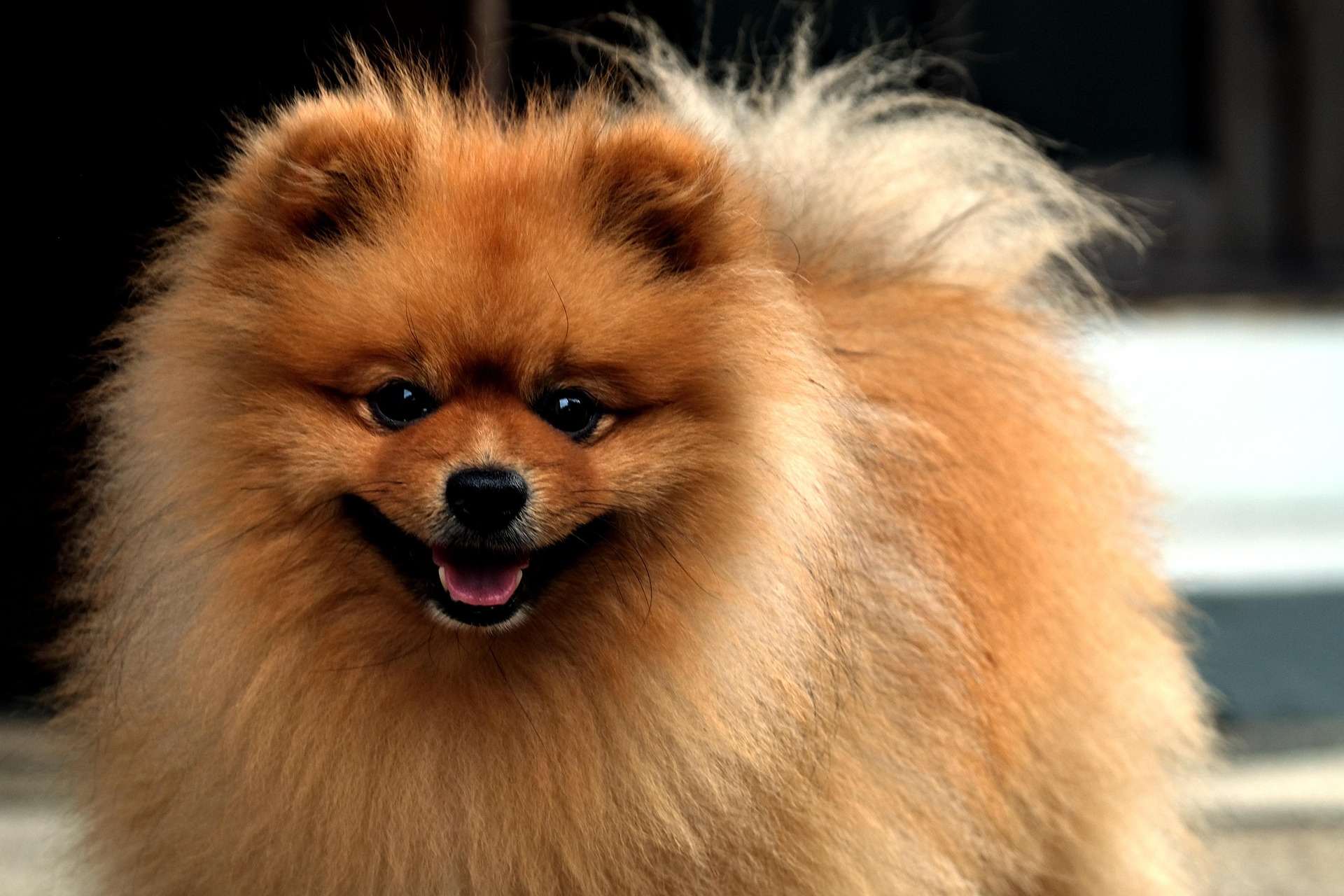
Understanding time commitment is essential:
Puppy Stage Demands
Puppies require more time and attention than adult dogs:
-
Frequent potty breaks
-
Play and training throughout the day
-
Supervision to prevent injury or mischief
-
Early socialization
This can feel like caring for a toddler, especially in the first six months. Pomeranian Headquarters
Adult Independence
Adult Pomeranians often need less constant monitoring, though they still enjoy play, company, and stimulation. Compared to puppies, they’re usually more predictable in routines and easier to manage during training sessions and walks. Canine Bible
Conclusion: Puppies vs Adults — Which Fits Your Life?
Deciding between a Pomeranian puppy and an adult comes down to lifestyle, time, and what you’re ready for:
✔ Puppies require more grooming supervision, frequent training, structured activity, and attention, but reward you with the joy of watching them grow and learn.
✔ Adults offer predictability, calmer routines, and often house manners already in place, making them easier for some owners — though continued engagement remains vital.
Both life stages bring love, affection, and loyalty — but the needs, attention, and care differ significantly. With the right commitment to training, socialization, health care, and daily routines, your Pomeranian will thrive at any age.
Sources & Further Reading
Here are trusted sources used in this guide:
🔗 Pomeranian behavior, training, and care — PetMD (Pet health and general breed traits) PetMD
🔗 Exercise & age differences in Pomeranians — Canine Bible (activity stages) Canine Bible
🔗 Attention and needs of Pomeranians — Pomeranian Headquarters (daily routines) Pomeranian Headquarters
🔗 Puppy feeding and early care details — PetPom (puppy basics) petpom.com
🔗 Puppy feeding schedules and diet — Pomeranian.org (breeder care advice) Pomeranian Headquarters
🔗 Adult dog care and grooming — NAHF.org (health and maintenance) Nahf
🔗 Exercise and activity guidance by age — Snuffalo (training and socialization tips) Snuffalo
🔗 Nutrition and coat changes as they age — PetWave (diet and grooming) PetWave
Pomeranians are one of the most popular toy breeds in the world, adored for their fox-like faces, fluffy coats, and bold personalities. But owning a Pomeranian puppy and owning an adult Pomeranian are two very different experiences. Their needs, behaviors, health concerns, training challenges, grooming obligations, and even personalities can shift dramatically as they grow.
This comprehensive FAQ explores everything owners should understand about the differences between Pomeranian puppies and adults. Whether you’re preparing to bring home your first Pom or looking to better understand your fluffball’s growth stages, this guide covers it all.
FAQ: Pomeranian Puppies vs Adults — What Every Owner Should Know
1. How different are Pomeranian puppies from adult Pomeranians in personality?
Pomeranian puppies and adult Pomeranians differ significantly in temperament, energy, and emotional development.
Pomeranian Puppies:
-
Extremely energetic
-
Curious and mischievous
-
Easily distracted
-
Highly social
-
Needy and clingy
-
Excitable about almost everything
Puppies are basically little fur-powered toddlers. They’re discovering the world, learning social cues, and figuring out boundaries.
Adult Pomeranians:
-
More predictable and stable
-
Still playful, but calmer
-
More independent
-
Stronger bonds with family
-
More emotionally mature
-
More cautious around strangers
As adults, Poms retain their playful, bold nature, but the chaos quiets down. They become more selective with energy use and much more attuned to routines.
If you want a lively, comedic companion with puppy energy, the puppy stage delivers. If you want a settled, consistent friend, adulthood offers that.
2. Why are Pomeranian puppies so energetic compared to adults?
Puppies have:
-
Higher metabolic rates
-
Underdeveloped impulse control
-
Curiosity-driven behavior
-
Pent-up excitement
-
Minimal life experience
-
No understanding of limits yet
They also experience “energy bursts,” which include:
-
Zoomies
-
Play biting
-
Constant exploration
-
Hyperactive behavior
Adult Poms still have plenty of energy, but they know when to rest, how to regulate themselves, and what activities calm them. Their endurance also changes—adults get tired faster than puppies but recover more predictably.
3. What’s the biggest training difference between Pomeranian puppies and adults?
For puppies:
Training is about foundation building.
You must teach:
-
Bite inhibition
-
Potty routines
-
Crate training
-
Basic commands
-
Socialization
-
Handling and grooming tolerance
-
House rules
Because puppies lack focus, training sessions must be:
-
Short
-
Positive
-
Frequent
-
Reward-based
For adults:
Training is about polishing behavior and maintaining structure.
Adults already know:
-
Who their family is
-
Where their boundaries are
-
What their home environment means
-
How to respond to familiar cues
Adults sometimes require retraining, especially if they were not properly trained as puppies, but they are easier to teach because they have longer attention spans.
4. Why is potty training a Pomeranian puppy harder than with many other breeds?
Pomeranians are one of the harder toy breeds to potty train due to:
-
Small bladders
-
Fast metabolism
-
Limited holding capacity
-
Easily distracted personalities
-
Weather sensitivity (they hate the cold or rain)
-
Excitability that interrupts routines
You must provide:
-
Strict schedules
-
Frequent potty breaks (every 30–60 minutes for young pups)
-
Consistent praise
-
Designated potty spots
Adult Poms typically have fewer accidents because they can hold their bladder longer and understand patterns better.
5. Do Pomeranian puppies go through the “puppy uglies”? What does this mean?
Yes—almost every Pomeranian experiences the “puppy uglies” between 4 and 12 months old.
During this phase:
-
The fluffy puppy coat falls out
-
The adult double coat begins growing in
-
Fur may look patchy or uneven
-
The muzzle appears longer
-
Colors may shift
-
The overall appearance becomes less fluffy
This is normal and not a health issue.
By 12–18 months, the adult coat grows in, restoring the Pom’s signature fluff. Adult Poms do not go through this major transition again (though shedding cycles continue throughout their life).
6. What’s the grooming difference between Pomeranian puppies and adults?
This is one of the largest contrasts between the two life stages.
Puppies:
-
Have soft single coats
-
Need light brushing 2–3 times per week
-
Need gentle brushes; their skin is sensitive
-
Should be introduced slowly to grooming tools
-
Require early grooming socialization
Adults:
-
Have full double coats
-
Need regular brushing 4–7 times per week
-
Need deshedding tools (with caution)
-
Require routine trims (feet, sanitary areas)
-
Need more baths due to thicker coats
Adult grooming is more labor-intensive, but puppies require careful introduction to avoid fear or resistance later.
7. Are adult Poms calmer and easier to manage than puppies?
Yes. Most Pomeranian owners agree that the puppy stage is far more chaotic.
Adult Poms are:
-
More predictable
-
More emotionally stable
-
Less destructive
-
Less bitey
-
Less hyper
-
More attached to household routines
-
More independent
Puppies require continuous supervision because they’re always exploring or trying something questionable. Adults can usually be trusted around the house longer and can entertain themselves responsibly.
8. Why do some Pomeranian puppies seem scared, while adult Poms seem confident?
Puppies are still developing their personalities and fear responses. Their brains are learning:
-
What’s dangerous
-
What’s safe
-
How to interpret stimuli
-
How to regulate emotions
They may seem:
-
Startled
-
Nervous
-
Easily overwhelmed
-
Shy
Adult Poms, especially those properly socialized, develop confidence and stability. They learn to trust environments and people.
However, poorly socialized puppies may grow into fearful adults—early experiences matter greatly.
9. What’s the exercise difference between Pomeranian puppies and adults?
Puppies:
-
Have bursts of intense energy
-
Need frequent play sessions
-
Should avoid long walks (risk to joints)
-
Require mental stimulation (short bursts)
-
Need exploration time
Their bones and joints are still developing, so overexercising can harm them.
Adults:
-
Benefit from daily structured walks
-
Can handle longer exercise sessions
-
Need moderate but consistent physical activity
-
Require ongoing mental stimulation
A typical adult Pom does best with:
-
20–30 minutes of walking per day
-
One or two play sessions
-
Puzzle toys
This helps keep them healthy without overworking their small joints.
10. How do feeding needs differ between Pomeranian puppies and adults?
Puppies require:
-
Higher protein content
-
More frequent meals (3–4 times per day)
-
Carefully monitored weight
-
Small kibble designed for toy breeds
-
Hypoglycemia prevention strategies (very important!)
Puppies are at risk of low blood sugar, especially when they skip meals.
Adults require:
-
Balanced maintenance diets
-
2 meals per day
-
Weight control to prevent obesity
-
Consistent feeding schedules
-
Monitoring for food allergies (common in Poms)
The puppy feeding stage is more complex. Adults require long-term diet consistency with fewer risks.
11. Is teething worse in Pomeranian puppies than other breeds?
Yes—and it affects behavior significantly.
During teething, puppies may:
-
Bite more
-
Chew on furniture
-
Whine
-
Be fussy
-
Lose appetite
-
Experience mild pain
Teething lasts from 3 to 7 months. Because Pomeranians have small jaws, teething discomfort can be more intense and noticeable.
Adult Poms no longer chew excessively unless bored or stressed.
12. How does the bonding experience differ between puppies and adult Poms?
Puppies bond through:
-
Constant interaction
-
Reassurance
-
Play
-
Nurturing
-
Dependence
Puppies see you as their source of safety and security.
Adults bond through:
-
Routine
-
Time
-
Trust
-
Emotional communication
-
Shared habits
Adult Pom bonds tend to be deeper, more understanding, and incredibly loyal. Adult Poms often become “velcro dogs,” sticking close to their favorite person.
13. How do behavioral challenges differ between Pomeranian puppies and adults?
Puppy challenges:
-
Nipping
-
Chewing
-
Potty accidents
-
Barking for attention
-
Fear periods
-
Hyperactivity
-
Difficult grooming
-
Impulse-driven actions
Adult challenges:
-
Barking at strangers
-
Separation anxiety (common in the breed)
-
Resource guarding (if not addressed early)
-
Stubbornness
-
Selective hearing
-
Territorial behavior
-
Occasional reactivity
Adult behavior problems often stem from insufficient training during the puppy stage.
14. What health concerns differ between Pomeranian puppies and adults?
Common puppy health concerns:
-
Hypoglycemia
-
Parasites
-
Puppy diarrhea
-
Teething issues
-
Knee development problems
-
Poor immune function
-
Vaccine reactions (mild)
Common adult health concerns:
-
Collapsed trachea
-
Dental disease
-
Luxating patellas
-
Coat thinning
-
Obesity
-
Heart issues
-
Allergies
-
Thyroid problems
Early care strongly influences long-term health. Puppies who receive proper nutrition and joint protection tend to grow into healthier adults.
15. Are adult Pomeranians easier to live with than puppies for first-time owners?
Yes—many inexperienced dog owners find adult Poms easier.
Adult Poms offer:
-
Fewer accidents
-
Established personalities
-
Fewer extreme energy bursts
-
Better impulse control
-
Lower training demands
-
More emotional predictability
Puppies are adorable but much more demanding.
For busy owners, adopting a 1–2-year-old Pomeranian can be the perfect balance: young enough to play, old enough to behave.
16. How long does it take for a Pomeranian puppy to fully mature?
Pomeranians mature slowly for their size.
Physical maturity:
-
9 to 12 months
Coat maturity:
-
12 to 18 months
Mental/emotional maturity:
-
18 months to 2 years
Many owners notice their Pom calming down significantly after age two.
17. Why do some Pomeranian puppies grow into calmer adults while others stay hyper forever?
Temperament is influenced by:
-
Genetics
-
Early socialization
-
Training consistency
-
Energy outlets
-
Personality type
-
Level of stimulation in the environment
Some Poms are inherently calmer; others retain high-energy spitz behavior well into adulthood.
A tired Pom is a well-behaved Pom—adults still need play, walks, and mental stimulation to avoid hyperactivity.
18. Should you choose a puppy or an adult Pomeranian as a new owner?
It depends on your lifestyle:
Choose a Pomeranian puppy if:
-
You want the full raising experience
-
You have time for training
-
You enjoy high energy
-
You don’t mind potty training
-
You want to shape your dog’s behavior from the start
Choose an adult Pomeranian if:
-
You want a calmer dog
-
You prefer known personalities
-
You work full-time
-
You don’t want intense training
-
You’d rather avoid teething, accidents, and hyper stages
Both can make incredible companions—just different ones.
Final Thoughts
Understanding the differences between Pomeranian puppies and adults is essential for successful ownership. Puppies are demanding, energetic, and full of chaos, while adults are loyal, predictable, and emotionally mature. Both stages come with unique joys and challenges.