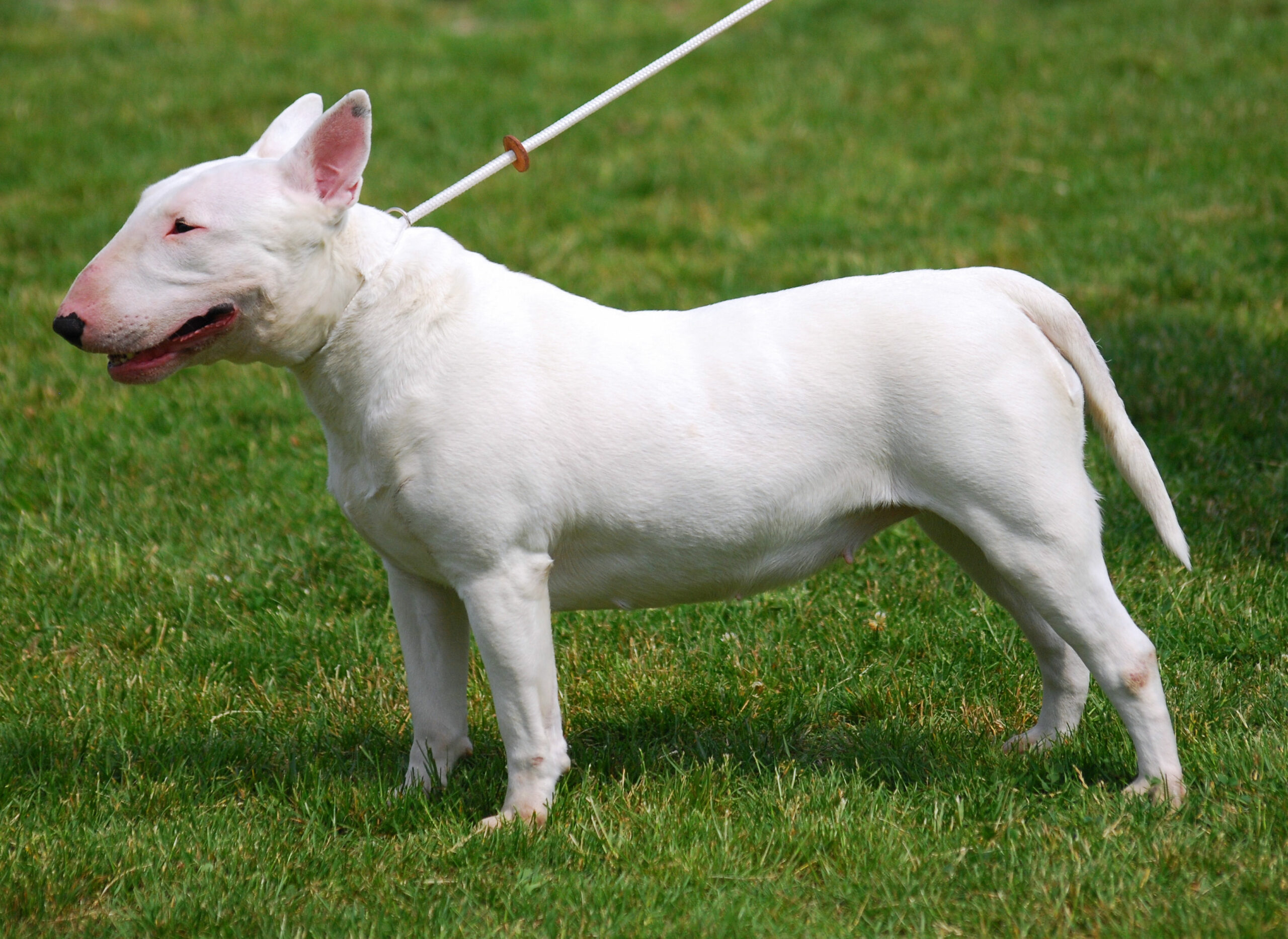
English Bull Terriers are among the most recognizable and charismatic dog breeds in the world. With their distinctive egg‑shaped heads, muscular build, and unforgettable personalities, they don’t just turn heads — they win hearts. For lovers of the breed and curious dog owners alike, understanding the English Bull Terrier personality means appreciating a unique blend of loyalty, affection, humor, and spirited energy.
In this in‑depth guide, we’ll explore:
-
The temperament traits that define this breed
-
How Bull Terriers behave with families, children, and other pets
-
Common misunderstandings about their personality
-
Training and socialization tips that align with their nature
-
How to nurture a happy, well‑adjusted Bull Terrier
We’ve also included reliable information sources so you can explore further.
1. First Impressions: What Makes a Bull Terrier Personality Stand Out
English Bull Terriers have a reputation unlike almost any other dog — colorful, playful, and often described as the “clowns of the canine world.” Their personality is a fusion of intelligence, curiosity, humor, and deep affection that makes them both entertaining and deeply loyal companions.
According to breed profiles and expert sources, Bull Terriers are:
-
Active and energetic
-
Affectionate toward family members
-
Intelligent and curious
-
Strong‑willed yet eager to please
-
Expressive and sometimes downright comical
These traits combine to form a personality that is as engaging as it is distinctive. https://www.thesprucepets.com/dog-breed-profile-bull-terrier-1117947
2. Loyal to the Core: Affection and Bonding
One of the defining characteristics of the Bull Terrier personality is loyalty. These dogs tend to form strong, unwavering bonds with their human families.
2.1 Pack‑Centered Nature
Bull Terriers are known to:
-
Follow their favorite people from room to room
-
Seek physical closeness, like cuddling on a couch or napping nearby
-
Show excitement when family members return home
They don’t just tolerate being part of family life — they thrive on it.
2.2 Emotional Sensitivity
Despite popular belief that they are “tough” or aloof, Bull Terriers are emotionally perceptive. Many owners report that their dogs seem to:
-
Notice when someone is sad
-
Offer physical comfort or playful distraction
-
Respond enthusiastically to positive attention
This emotional responsiveness reinforces why Bull Terriers are described as deeply devoted companions. https://www.akc.org/expert-advice/lifestyle/bull-terrier-fun-facts/
Quick Fact: While they are loyal, Bull Terriers generally do not like being left alone for long. Extended periods of isolation can lead to separation anxiety or unwanted behaviors such as chewing or barking.
3. Loving With the Family — But Thoughtful Supervision Is Still Key
Bull Terriers have a reputation for being great with families — including children — but some nuances are worth noting.
3.1 Patience and Playfulness
Bull Terriers enjoy interactive play and are often gentle with kids, especially when raised together. They enjoy rough‑and‑tumble games, fetch, and family activities — all of which help them bond and expend energy. https://www.pets4homes.co.uk/pet-advice/10-things-you-need-to-know-about-the-english-bull-terrier-before-you-buy-one.html
3.2 Supervision Is Important
As with all breeds, adult supervision is essential when Bull Terriers interact with young children. Their strength and exuberance can inadvertently overwhelm smaller kids during energetic play sessions. Balancing energy with gentle guidance ensures a positive relationship.
3.3 Respect for Boundaries
Bull Terriers benefit greatly from early lessons about boundaries — respecting personal space, understanding play limits, and learning appropriate ways to engage with all family members.
4. Hilarious, Mischievous, and Full of Personality
One of the most irresistible features of the Bull Terrier personality is their sense of humor — yes, dogs can be funny!
4.1 The “Clown of the Dog World”
Bull Terriers are often described as canine comedians because of:
-
Playful antics (zoomies, dramatic play bows, quirky running styles)
-
Silly facial expressions and comedic reactions
-
Unpredictable bursts of playful energy
Their antics often draw laughter from family members and guests alike — making them memorable companions. https://www.houndsy.com/blogs/modern-tails/understanding-bull-terrier-personality-traits-a-comprehensive-guide
4.2 Curious Mischief Makers
Bull Terriers often get into situations that seem more creative exploration than misbehavior:
-
Stealing socks or small toys
-
Inspecting open closets or laundry baskets
-
Inventing new ways to attract attention
Give a Bull Terrier a room of old boxes or a pile of laundry, and you might just see a comedy routine unfold!
5. Intelligent Yet Independent — The Training Dynamic
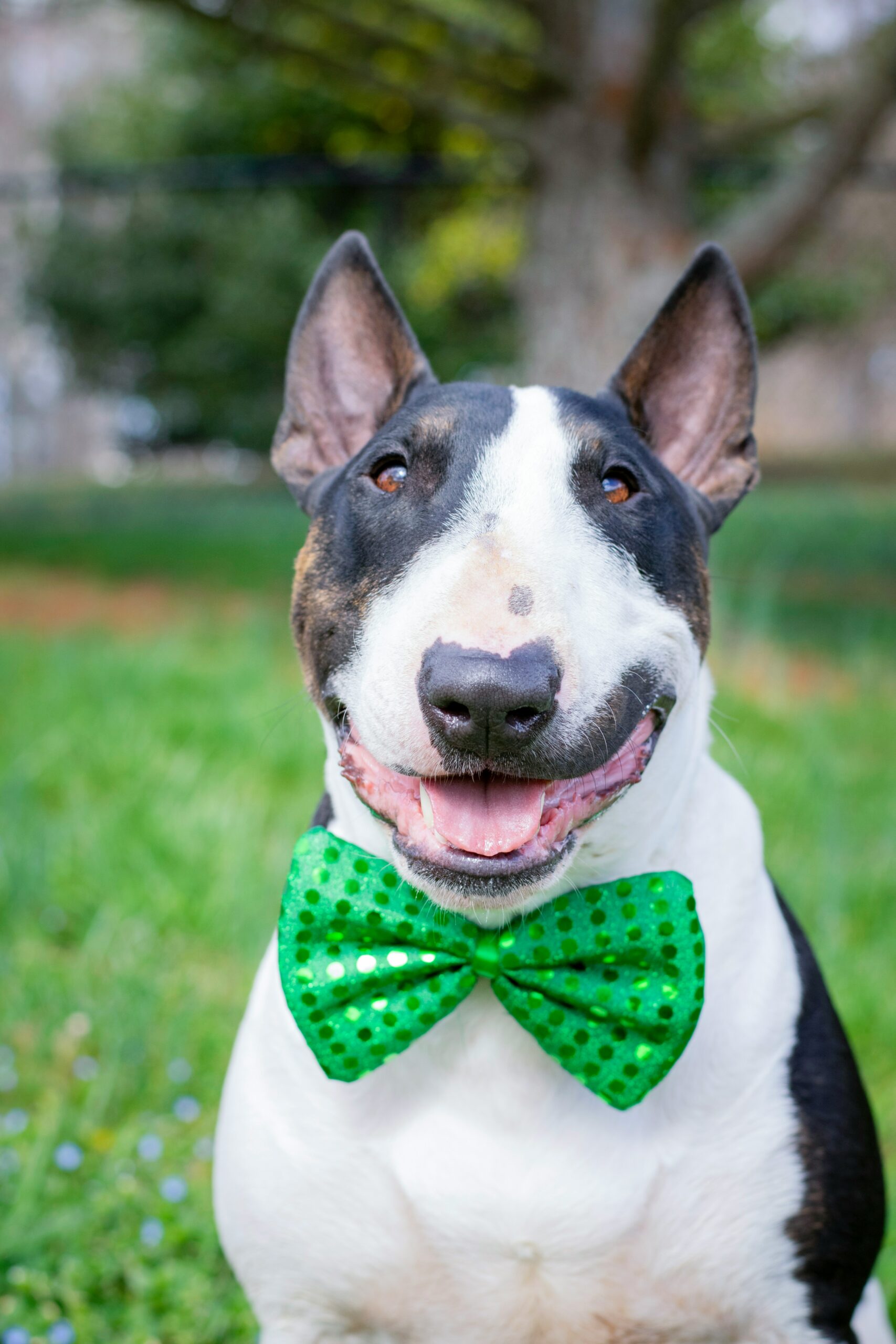
Bull Terriers exhibit strong intelligence, but combine that with a touch of independence — and sometimes stubbornness. This makes their training not just a task, but an engaging challenge.
5.1 Quick Learners, Sometimes On Their Terms
Bull Terriers are smart and capable of learning commands. However, they may:
-
Choose when to listen
-
Display a “creative” interpretation of commands
-
Show lengths of focus that vary from session to session
This isn’t stubbornness in a negative sense; it’s often a reflection of their independent mindset.
5.2 Training With Positive Reinforcement
Because Bull Terriers don’t respond well to heavy‑handed methods, positive reinforcement is widely recommended. This includes:
-
Treat‑based rewards
-
Verbal praise and attention
-
Playtime rewards
Using a kind, engaging training style helps keep their attention while building trust. https://www.aspca.org/pet-care/dog-care/dog-training
5.3 Start Early With Socialization
Exposing Bull Terriers to friends, strangers, children, and different environments during puppyhood helps them grow into confident and well‑adjusted adults.
6. The Energetic Side of Bull Terrier Personality
Bull Terriers are not couch potatoes. Their energy is part of what makes them so vibrant — and it’s also a factor in effective care and training.
6.1 Exercise Needs
Bull Terriers require:
-
Daily walks
-
Interactive play
-
Opportunities for off‑leash running in secure areas
Without sufficient activity, they may become bored, frustrated, or exhibit undesirable behaviors such as:
-
Excessive barking
-
Chewing furniture
-
Digging in yards
These behaviors are often activity deficits rather than character flaws, underscoring the importance of regular exercise. https://www.pdsa.org.uk/pet-help-and-advice/looking-after-your-pet/puppies-dogs/medium-dogs/english-bull-terrier
6.2 Mental Stimulation Matters Too
Engaging games, basic training sessions, and interactive toys help satisfy a Bull Terrier’s smart mind and high energy — reducing boredom and encouraging calm focus later in the day.
7. Social Butterflies — With a Guarded Edge Around Other Dogs
Bull Terriers can be social dogs, but their interactions with other dogs require careful consideration.
7.1 Early and Ongoing Socialization
Introducing Bull Terriers to various dogs from puppyhood builds comfort and reduces tendencies toward:
-
Over‑excitement
-
Territorial barking
-
Social tension
Supervised playdates and positive encounters at dog parks foster healthy social skills.
7.2 Same‑Sex Intensity
Some Bull Terriers may show more intensity or competitiveness with dogs of the same sex. This is a common observation, though not universal to every individual. Controlled interactions help soften these tendencies. https://www.petmd.com/dog/care/english-bull-terrier-care
8. Misunderstandings and Myths About the Breed’s Temperament
Bull Terriers suffer from a number of misconceptions — some based on outdated stereotypes rather than contemporary breed understanding.
8.1 Myth: Bull Terriers Are Aggressive
Fact: Contrary to old stereotypes, Bull Terriers are not inherently aggressive. Most temperament issues arise from lack of socialization, improper training methods, or unmet physical and mental needs, not from the breed’s nature. https://www.akc.org/expert-advice/lifestyle/bull-terrier-fun-facts/
8.2 Myth: They Don’t Get Along With Kids
Fact: Bull Terriers can be excellent family dogs when raised responsibly, supervised around children, and given positive early experiences with young family members. https://www.pets4homes.co.uk/pet-advice/10-things-you-need-to-know-about-the-english-bull-terrier-before-you-buy-one.html
8.3 Myth: They’re Untrainable
Fact: Bull Terriers are trainable, but like many intelligent breeds, they respond best to positive, consistent training approaches that respect their personality. https://www.aspca.org/pet-care/dog-care/dog-training-positive-reinforcement
9. How Bull Terriers Express Emotion — In Body and Behavior
Bull Terriers are expressive dogs — and much of their personality comes through in physical communication.
9.1 Tail Wagging and Body Posture
Wide wagging often signals excitement, while low tail positions can indicate calmness or focus. Reading body language is key to understanding mood and willingness to interact.
9.2 Vocal Expression
Bull Terriers aren’t typically excessive barkers, but they do use vocalization as part of communication — especially in play or attention‑seeking situations.
9.3 Eye Contact
Their distinctive triangular eyes convey attention and curiosity, often intensifying during bonding time with owners.
9.4 ‘Comedy’ Expressions
Their animated faces — especially when tilted sideways or squinting — contribute to the comedic reputation the breed often earns. https://www.houndsy.com/blogs/modern-tails/understanding-bull-terrier-personality-traits-a-comprehensive-guide
10. Integrating Bull Terriers Into Daily Family Life
Bull Terriers thrive within structured environments that combine:
-
Regular routines
-
Active play
-
Inclusive family interaction
-
Consistent training
10.1 Predictable Schedules
Feeding, walking, and training sessions at similar times each day help Bull Terriers feel secure and cooperative.
10.2 Inclusive Activities
Activities like family walks, group training sessions, and interactive games foster strong emotional bonds and help satisfy the breed’s social instincts.
10.3 Respecting Individual Preferences
While most Bull Terriers are friendly and playful, individual dogs may differ — some may enjoy lap time more than rough housing, others may crave solo focus. Respecting these preferences encourages confidence and comfort.
11. Senior Bull Terriers — Personality Through the Years

Bull Terriers often retain much of their core personality into their senior years — though with some shifts.
11.1 Energetic But Calmer
Older Bull Terriers may become less sprightly physically but remain mentally engaged and affectionate.
11.2 Continued Affection
Their loyalty often deepens with age, making senior Bull Terriers some of the most devoted companions imaginable.
11.3 Gentle Activity
Adapted physical activities like shorter walks, gentle puzzle toys, and calm training keep senior minds sharp and bodies comfortable.
12. Personal Stories — Bull Terrier Owners Speak
Across online communities, Bull Terrier owners describe similar themes in their dogs’ personalities:
Story 1 — The Clownish Companion
“My Bull Terrier runs in circles when I come home and then suddenly flops down in a goofy pose for belly rubs.” — Reddit dog owner
Story 2 — The Loyal Protector
“My girl always stands guard if someone unfamiliar comes to the door — not aggressive, just watchful.” — Pets4Homes profile
Story 3 — The Silent Comedian
“He has this dramatic sigh when it’s bedtime — like he’s been plotting all day for this moment.” — Owner blog
These personal observations underscore the breed’s quirky charm and consistent affection.
13. Personality Checklist: Understanding the Traits of English Bull Terriers
| Trait | Description |
|---|---|
| Loyal | Forms strong emotional bonds with family |
| Playful | Loves energetic and interactive games |
| Affectionate | Thrives on human attention and touch |
| Intelligent | Learns commands and tricks quickly |
| Independent | Makes decisions — sometimes on their terms |
| Social | Generally good with family members and pets when properly introduced |
| Expressive | Communicates through body language and antics |
This checklist captures the essence of what many owners experience daily.
14. Training Tips Aligned With the Bull Terrier Personality
Training that respects personality yields better results:
14.1 Use Rewards They Value
Whether treats, play, or affection, find what motivates your Bull Terrier.
14.2 Keep Sessions Short and Fun
Bull Terriers enjoy engaging, varied training — drag out short bursts rather than long, repetitive sessions.
14.3 Incorporate Games
Turn obedience into play — for example, “freeze tag” with a sit command or treasure hunts for toys.
14.4 Celebrate Progress
Bull Terriers respond well when successes are celebrated and reinforced.
15. Conclusion: More Than Just a Dog — A Personality in Motion
The English Bull Terrier personality is a tapestry of traits that make this breed unforgettable:
✔ Loyal beyond measure
✔ Affectionate and family‑oriented
✔ Hilarious in daily antics
✔ Intelligent with a dash of independence
✔ Energetic yet deeply loving
Understanding this personality helps you not just live with a Bull Terrier — it helps you thrive together. When you appreciate their humor, accommodate their energy, and guide their intelligence with love and consistent training, you experience life with a truly special companion.
If you’re considering adding a Bull Terrier to your home, or already live with one, remember: they aren’t just dogs — they’re personalities you get to discover and enjoy every day.
Sources & Further Reading
Here are the trusted, authoritative sites referenced (and good next steps for deeper exploration):
-
AKC — Bull Terrier Breed Overview & Fun Facts: https://www.akc.org/expert-advice/lifestyle/bull-terrier-fun-facts/
-
The Spruce Pets — Bull Terrier Personality & Care Guide: https://www.thesprucepets.com/dog-breed-profile-bull-terrier-1117947
-
Houndsy — Understanding Bull Terrier Personality Traits: https://www.houndsy.com/blogs/modern-tails/understanding-bull-terrier-personality-traits-a-comprehensive-guide
-
Pets4Homes — Breed Advice & Owner Experiences: https://www.pets4homes.co.uk/pet-advice/10-things-you-need-to-know-about-the-english-bull-terrier-before-you-buy-one.html
-
PetMD — Bull Terrier Care & Temperament: https://www.petmd.com/dog/care/english-bull-terrier-care
-
ASPCA — Positive Reinforcement Training: https://www.aspca.org/pet-care/dog-care/dog-training-positive-reinforcement
-
PDSA — Breed Profile & Exercise Needs: https://www.pdsa.org.uk/pet-help-and-advice/looking-after-your-pet/puppies-dogs/medium-dogs/english-bull-terrier