If you’ve ever spent more than five minutes with a Dachshund, you know these little dogs are anything but ordinary. They can be stubborn, funny, smart, feisty, dramatic and deeply affectionate — often all at the same time. Their long bodies, keen noses and confident attitudes come with a unique set of behaviors that can make owners laugh one minute and scratch their heads the next.
Understanding why your Dachshund behaves the way they do isn’t just entertaining — it helps you strengthen your bond, predict behaviours before they become problems, and enrich your life together. In this detailed guide, we’ll explore the key traits behind the quirks, decode what they mean, and explain how context — from heritage to health — influences behavior.
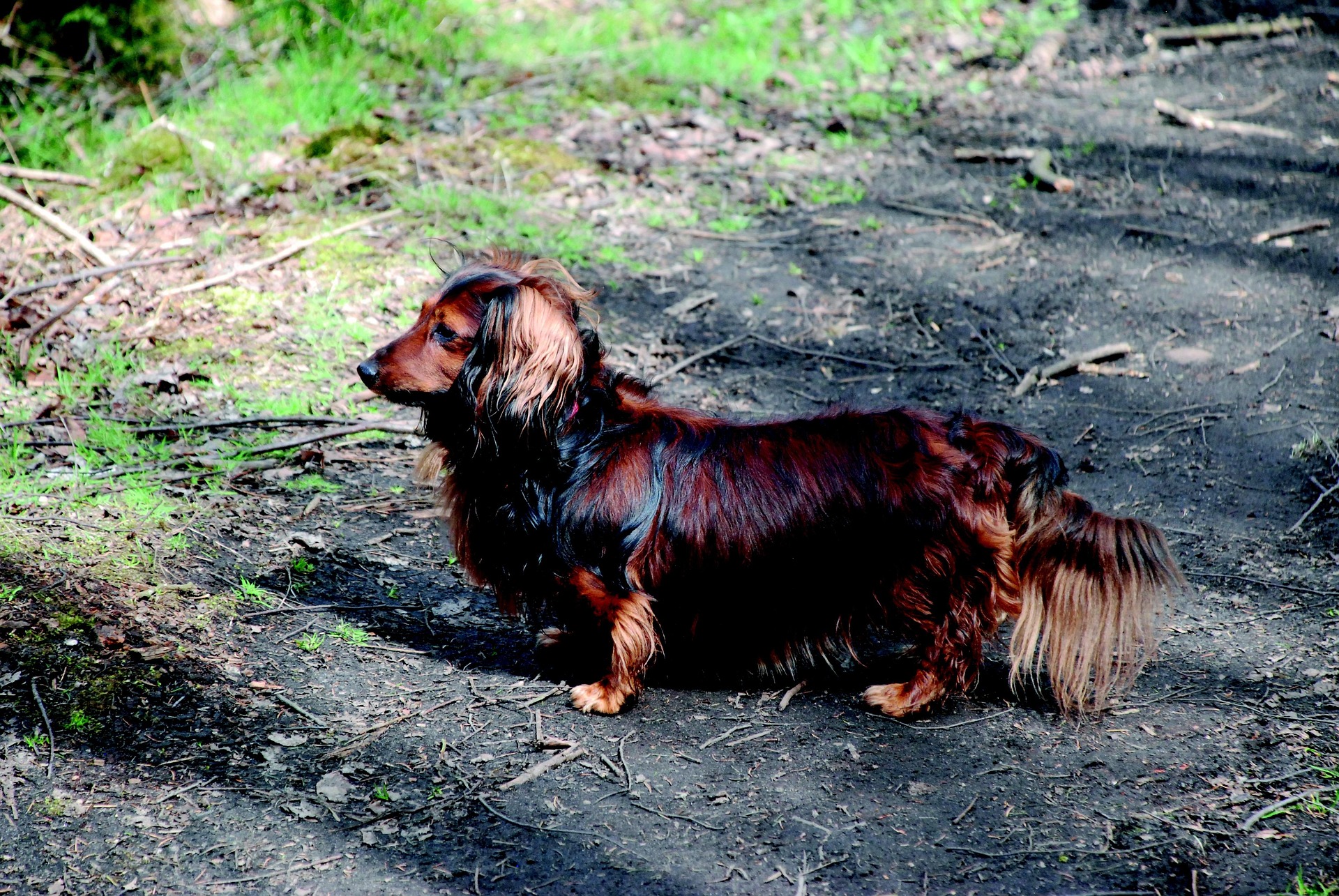
1. The Roots of Dachshund Behavior: Why Their Quirks Exist
To truly understand your Dachshund’s personality, it helps to start with where they came from — and why they were bred in the first place.
From Badger Dog to Family Companion
The word “Dachshund” literally means badger dog in German — Dachs (badger) + Hund (dog). These dogs were originally bred in Germany to hunt badgers and other burrowing animals, meaning they needed to be:
✔ Fearless
✔ Independent
✔ Able to go underground
✔ Determined and clever
All those traits are still vivid in the modern breed’s personality — even if most Dachshunds now spend more time on the couch than in a burrow. dapperdoxies.com
Because their ancestors needed to think for themselves — following scents, puzzling out escape routes, confronting tough animals — modern Dachshunds still exhibit many behaviors that make sense when you place them in that historical context. Their tendency to bark, dig, explore and challenge authority all reflect this legacy.
2. Exploring the Most Common Dachshund Quirks
Below are some of the most recognizable behaviours owners observe — and what they really mean.
A. Burrowing and Tunneling Instincts
One behavior that endears Dachshunds to so many people — and baffles others — is their tendency to burrow. Whether it’s under blankets, into piles of laundry, or even in the backyard, Dachshunds often act like they’re searching for a den. This is far from random — it reflects their ancestral hunting drive. iHeartDogs.com
This instinct can also show up when they:
-
Scratch at bedding before lying down
-
“Dig” at soft surfaces
-
Attempt to tunnel under fences or garden edges
Understanding it:
You’re not spoiling a weird habit — you’re watching an ancient hunting instinct in action.
Practical tip:
Provide a cozy den bed, a safe digging area, or a pile of blankets so they can indulge the instinct without causing damage.
B. Confidence and Stubbornness — A Legacy of Independence
Dachshunds are notorious for being stubborn. Unlike many breeds that aim to please their owners, Dachshunds often think independently and make decisions on their own — a trait inherited from their past work as hunting dogs. 积玉工作室+1
This can show up as:
-
Refusing to obey commands
-
Ignoring you until it suits them
-
Walking their own path on walks
-
“Selective hearing” when they’re distracted by something interesting Veterinary Care at Your Fingertips
Why this happens:
Your dog’s mind was shaped for choice and initiative, not blind obedience. They aren’t trying to be difficult — they’re acting on instinctive confidence and exploration strategies.
How to handle it:
Use positive reinforcement, consistency, and rewards your dog actually cares about. Short training sessions that incorporate treats or play can help channel that independent streak into reliable behavior.
C. Vocal Nature and Barking
Many Dachshunds are surprisingly vocal for their size. Their bark is loud, deep and frequent — and they use it for many reasons: alerting you to perceived threats, trying to communicate, expressing excitement, or even just seeking attention. staff.mtu.edu.ng
Why they bark:
-
Alerting instincts
-
Territorial behavior
-
Attention‑seeking
-
Boredom
-
Anxiety
Some owners find this barking adorable, while others see it as a challenge to manage. But it’s a fundamentally natural expression for the breed.
Practical training tip:
Teach quiet and speak commands early in life so you can control when they vocalize without suppressing their natural communicative instincts.
D. Hunting Drive: Scents, Digging, and Chasing
As scent hounds, Dachshunds love to follow interesting smells. This goes way beyond a simple interest — their whole bodies get involved as they sniff, track and pursue. iHeartDogs.com
This hunter mentality can cause:
✔ Sudden pulling on walks to chase scents
✔ Ignoring commands once a trail is interesting
✔ Digging in lawns
✔ Sudden bursts of energy trying to find something unseen
Understanding this:
Your Dachshund isn’t misbehaving — they’re following their nose! Their sense of smell is a key way they interpret the world.
Helpful strategy:
Offer structured scent games or safe tracking exercises that let them channel that instinct productively.
3. Personality Traits That Influence Behavior
Beyond the quirks themselves, several temperament traits are central to how Dachshunds behave day‑to‑day.
A. Loyal and Affectionate
Despite their reputation for independence, many Dachshunds form very strong bonds with their human families. They love attention, affection, and often seek out physical closeness — like curling up on laps or snuggling into your blankets. Dog Wisdom Hub
This can sometimes lead to clingy behavior or separation anxiety if they’re left alone too long.
How to support them:
Build routines that include play, petting, and quality time so your Dachshund feels secure.
B. Energetic and Playful
Don’t let their small size fool you — many Dachshunds are lively and playful, with surprising stamina. They enjoy games, chasing toys, and interactive activities that challenge both body and mind. Dog Wisdom Hub
Active engagement keeps them happy and reduces:
-
Boredom
-
Destructive habits
-
Frustration
Aim for daily play sessions and short walks to satisfy their physical and mental needs.
C. Protective and Watchful
Many Dachshunds take their role as family guardians seriously. They may:
✔ Alert you to visitors
✔ Respond to unusual sounds
✔ Guard their favorite spaces
This protective instinct again hails from their hunting background — they were bred to watch, track, and alert.
How to manage protective behavior:
Socialization is key (more on that below), and using controlled greeting exercises helps them learn calm responses to new people or animals.
4. How Quirky Behavior Shows Up in Everyday Life
Let’s look at some specific situations and what your Dachshund’s behavior may actually mean.
A. They Refuse to Walk or Pull the Opposite Way
Some Dachshunds will plant themselves and refuse to walk if something doesn’t interest them — this isn’t defiance so much as saying, “I have a better idea.” Veterinary Care at Your Fingertips
Why it happens:
Their independent mind may be more focused on scents, sounds, or sights in the environment than on your command at that moment.
What to do:
Stop, reset focus with a reward, and build up from short, fun walk sessions with treats or toys.
B. They Chase Small Animals Constantly
This is typical prey drive — Dachshunds were hunters first, companions second. Their instinct pushes them to give chase when they detect smaller animals or interesting scents. Sweet Daisy Dachshund
Best practice:
Use a sturdy leash and consider scent games to allow this behavior in a controlled, safe way.
C. They Hoard Toys and Treats
Many owners notice their Dachshunds gather toys, treats, or even items of clothing and stash them in cozy spots. This isn’t random — it reflects resource protection instincts that made sense when food and safety were uncertain. iHeartDogs.com
What it means:
Your dog is creating a “safe cache” — a remnant of survival instincts.
Encourage this habit in positive ways (like a designated toy box) so it doesn’t become messy or problematic.
D. Their Bark Can Seem Overblown
Dachshunds often bark more than anticipated — and not always for real threats. Their loud, persistent barking is tied to alerting instincts from hunting days. staff.mtu.edu.ng
Perspective shift:
They aren’t trying to be annoying — they’re communicating actively.
To manage this:
-
Teach quiet command with rewards
-
Reward calm behavior
-
Socialize to reduce unnecessary alarm barking
5. How Dachshund Temperament Affects Training

Understanding why they behave the way they do makes training more effective.
A. Stubborn Does Not Mean Untrainable
Their independent streak means traditional obedience drills may feel like a power struggle. But with positive reinforcement and short, engaging sessions, even stubborn Dachshunds can thrive. Dogster
Tips for successful training:
✔ Use high‑value treats
✔ Keep sessions short and fun
✔ Reward desired behavior immediately
✔ Avoid repetitive drills that bore them
B. Use Their Intelligence to Your Advantage
Dachshunds are smart and curious — so use mentally stimulating exercises, like scent work, problem toys, and trick training. Houndsy
This turns their intelligence into cooperation rather than avoidance or mischief.
C. Avoid Punishment or Harsh Methods
Because they’re independent thinkers with emotional depth, negative training methods can backfire — leading to anxiety, avoidance or heightened stubbornness. Positive reinforcement builds a trust‑based relationship.
6. Socialization and Emotional Comfort
A well‑socialized Dachshund is usually less barky, less territorial, and more confident around other people and animals. dachshund-health-uk
Start Early
Introduce new environments, sounds, people, and situations early — this teaches them the world is safe and rewards calm behavior.
Be Gentle but Consistent
Over time, socialization shapes their emotional intelligence and reduces fear‑based responses.
7. Health and Its Influence on Behavior
Sometimes quirky behavior isn’t personality — it’s discomfort. Dachshunds are prone to back and joint issues, which can cause subtle behavior changes like:
⬤ Reluctance to jump
⬤ Irritability
⬤ Avoiding stairs
If your dog suddenly changes behavior, it’s worth checking with a vet to rule out physical discomfort impacting their temperament. Wiley Catalog Images
8. Practical Daily Care for a Happy Dachshund
Here’s a sample routine that aligns with their temperament:
✔ Daily play sessions: short, energetic play times
✔ Scent and brain games: taps into natural instincts
✔ Positive training sessions: build collaboration
✔ Quality social time: supports emotional security
✔ Gentle walks: satisfy curiosity and scent tracking
Conclusion: The Charm of the Dachshund Personality

Dachshunds are among the most distinctive and engaging dog breeds, with quirky behaviors rooted in history, temperament, and instinct. Their unique blend of independence, loyalty, curiosity and expressive action makes them unforgettable companions.
By understanding the why behind their actions, you gain perspective on your dog’s behavior and deepen the bond you share. With patience, empathy, and structured engagement, your Dachshund’s quirks become not frustrations — but endearing qualities that make them truly one‑of‑a‑kind.
Sources & Further Reading
📌 The Most Unusual Habits of Dachshunds — iHeartDogs explores common quirks. iHeartDogs.com
📌 Why Dachshunds Are So Loved — DachshundFacts on temperament and traits. Dachshund Facts
📌 Understanding Dachshund Behavior — JiYu Dachshund Digest insight into personality. 积玉工作室
📌 Dachshund Temperament & Behaviour — Dachshund Health UK overview. dachshund-health-uk
📌 Core Dachshund Personality Traits — Houndsy explains key traits. Houndsy
📌 Dachshund Temperament & Personality — IHeartDogs breakdown of character. iHeartDogs.com
📌 Why Dachshunds Are Stubborn — Dogster on temperament challenges. Dogster
📌 Breed Information and Behaviour — PetMoo on temperament differences. petmoo.com