Dachshunds are one of the most beloved dog breeds in the world — with their long body, short legs, and spirited personalities, they bring joy to many homes. But that distinctive body shape comes with a significant risk of back problems, especially a condition called Intervertebral Disc Disease (IVDD). Learning how to prevent and manage back issues is one of the most important responsibilities of a Dachshund owner.
In this complete guide, you’ll discover:
-
Why Dachshunds are prone to spinal issues
-
Early warning signs of back problems
-
Practical prevention tips you can use every day
-
Ways to adapt your home and habits safely
-
Vet‑recommended techniques that can make a lasting difference
-
Mistakes to avoid and how your lifestyle choices matter
This article is packed with trusted informational links, so you can expand your knowledge from reliable sources.
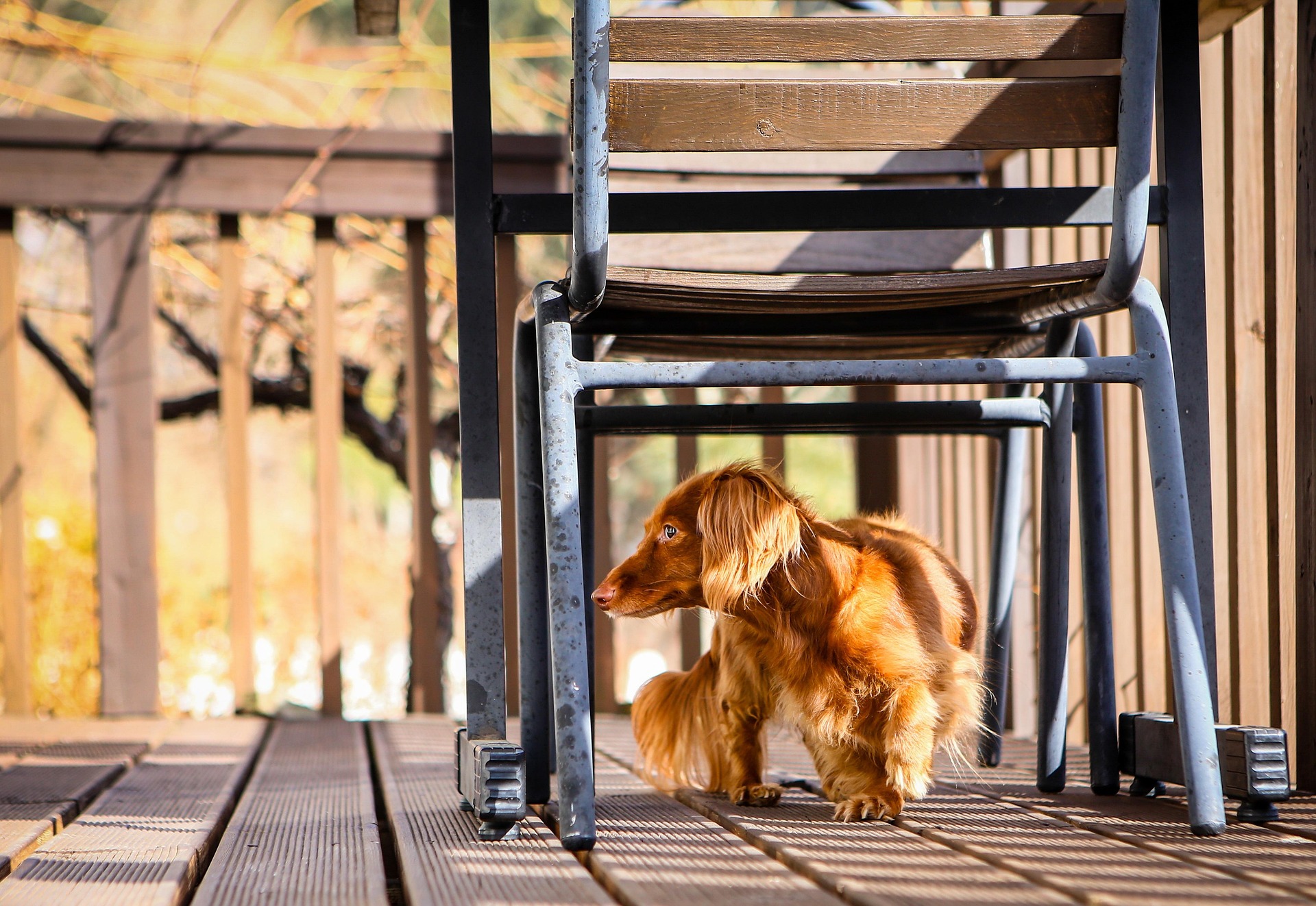
Why Dachshunds Are Prone to Back Problems
Dachshunds were originally bred in Germany to hunt badgers underground. Their long bodies and short legs helped them dig and navigate tunnels, but it also put them at risk for spinal issues because:
-
The vertebral column (spine) is longer than in most breeds
-
The intervertebral discs (the cushions between vertebrae) are under more stress
-
Even light impact or repetitive strain can cause damage over time
This predisposition is why Dachshunds are commonly affected by Intervertebral Disc Disease (IVDD) — a condition in which the cushioning between spinal bones degenerates, potentially compressing the spinal cord and causing pain, weakness, or paralysis. It’s estimated that 15–24% of Dachshunds will experience IVDD at some point in their lives. Everything Dachshund
Understanding IVDD (Intervertebral Disc Disease)
IVDD isn’t just one problem — it’s a condition that can range from mild disc bulging to disc herniation and spinal cord compression.
How IVDD Happens
In Dachshunds, repeated stress on the spine or sudden force can cause:
-
Discs to push outward (protrude)
-
Discs to rupture (herniate)
-
Nerve roots to become pinched or damaged
-
Severe pain, numbness, or loss of limb use
When degenerative changes accumulate (often slowly), a seemingly minor activity — like jumping off furniture — can trigger a major issue. Everything Dachshund
Early Warning Signs of Back Problems
Watch for:
-
Reluctance to jump, climb stairs, or be lifted
-
Sudden yelps, stiffness, or arched posture
-
Limping, hind‑end wobbling, or dragging paws
-
Loss of bladder or bowel control (urgent medical situation)
-
Change in gait or muscle weakness
If you notice any of these signs, stop normal activity immediately and contact a vet — early intervention can make a huge difference. Everything Dachshund
Key Prevention Strategies Every Dachshund Owner Should Know
1. Maintain a Healthy Weight (Top Priority)
Keeping your Dachshund lean is the single most powerful way to reduce stress on the spine.
Excess body fat increases the mechanical load on the back. Even a small amount of extra weight can significantly elevate risk, because the spine has to support more force with every step. Everything Dachshund
Tips for Weight Control
-
Measure portions using a scale rather than guessing
-
Avoid free‑feeding and limit treats to less than 10% of daily calories
-
Select high‑quality, balanced food appropriate for small, low‑impact breeds
-
Use portion control calculators or ask your vet for guidance
A dog should show a visible waist and ribs should be easily felt with light pressure. If you cannot feel ribs without pushing hard, your dog is likely too heavy. Everything Dachshund
2. Avoid High‑Impact Activities and Jumping
One of the biggest risk factors for IVDD is repetitive spinal impact, especially from:
-
Jumping on/off furniture
-
Running at full speed
-
Climbing stairs or steep surfaces
Even seemingly harmless games like tug‑of‑war or chasing balls can strain the spine. Dachshund Shop
Alternatives to High‑Impact Activities
-
Gentle walks on flat terrain
-
Sniffing games and brain puzzles
-
Swimming (low‑impact, builds core strength)
-
Controlled play that avoids twisting movements
Daily exercise is important, but safety matters more than intensity. Short, frequent walks are better than one intense session. Hepper Pet Resources
3. Use Ramps and Pet Steps to Eliminate Dangerous Jumps
Instead of letting your Dachshund jump onto chairs, sofas, beds, or cars, install:
-
Ramps with a shallow incline
-
Low‑rise pet stairs
-
Non‑slip surfaces at every entry point
These tools help your dog reach favorite spots without the sudden spinal strain jumping causes. Ask A Vet
Tips for Success
-
Use treats or favorite toys to train ramp use
-
Place mats at both ends to prevent slipping
-
Make ramps a normal part of the environment early in life
This approach is often easier than trying to train a Dachshund not to jump. Hepper Pet Resources
4. Restrict Stair Access
Many homes have staircases — but these are a major risk zone for long‑backed dogs.
Even one fall on stairs can injure the spinal discs.
How to Make Your Home Safer
-
Install baby gates at stair entrances
-
Carry your Dachshund when stairs are unavoidable
-
Create daily routines that avoid multi‑story transitions
While some owners have mixed opinions about stairs, the consensus is that limited stair use — especially for young, old, or previously injured dogs — is safer. Doxie Fan Club
5. Choose Supportive Harnesses — Not Collars
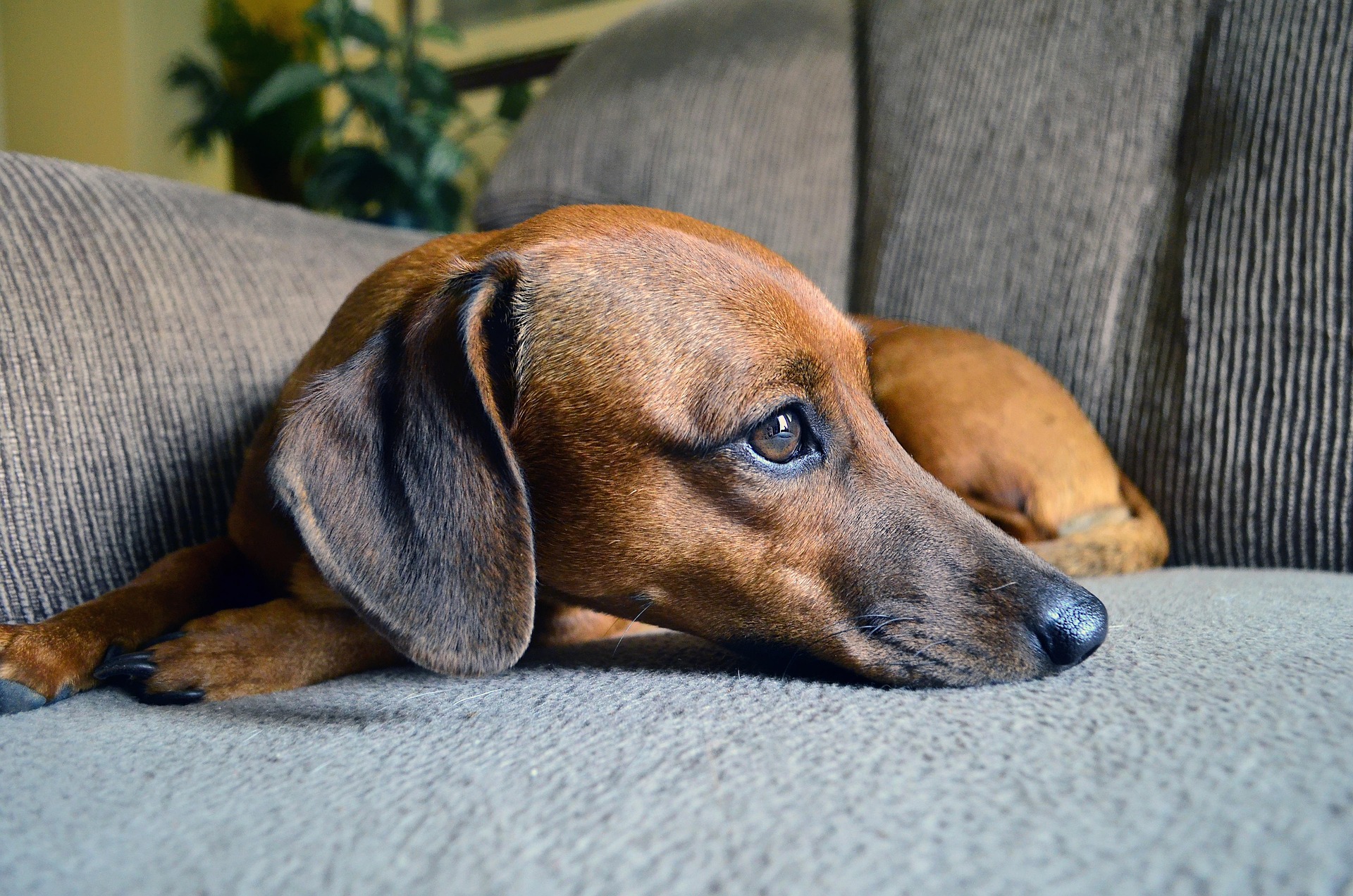
Standard collars put pressure on the neck and can pull on the spine when your dog pulls on walks.
A properly fitted harness:
-
Distributes pressure across the chest and shoulders
-
Reduces stress on the neck and back
-
Helps protect the spine, particularly during sudden stops or pulls
Look for padded, adjustable harnesses to ensure both comfort and safety. Pawster
6. Training and Physical Support for Everyday Life
In addition to equipment:
-
Train calm behavior on ramps and steps
-
Reinforce potty walks on leash without pulling
-
Use low‑impact training exercises like sit‑to‑stand, backing up, and figure‑8 walks to build core strength
Strengthening muscles that support the spine can help protect against injury without stressing the discs. Everything Dachshund
7. Provide a Safe, Supportive Home Environment
There are several practical home adaptations you can make:
Non‑Slip Flooring
Smooth floors (tiles, hardwood) can cause slipping that stresses the back. Place:
-
Rugs
-
Yoga mats
-
Non‑slip runners
This helps your Dachshund grip better during walks, play, and daily movements. Pets4Homes
Orthopedic Bedding
An orthopedic dog bed supports the spine during rest and helps prevent back strain from inadequate support. Good beds distribute weight evenly and reduce pressure points. NewsBytes
Safe Play Areas
Create low‑impact play zones with soft flooring, toys that don’t encourage jumping, and space for gentle movement.
8. Proper Lifting and Handling Techniques
How you pick up your Dachshund matters.
Incorrect Handling Can Cause Injury
Avoid lifting by the chest or loose belly — this can bend and strain your dog’s back.
Always:
-
Support both the chest and hindquarters
-
Keep the spine horizontal and aligned
-
Avoid any twisting motion while lifting
This is a daily practice that protects the long spine during inevitable handling like vet visits, grooming, or cuddles. Hepper Pet Resources
9. Regular Grooming and Nail Care Matter Too
It may not seem obvious, but long nails can change your dog’s gait and posture.
Overgrown nails alter how a Dachshund walks, potentially causing them to adjust their spine in unhealthy ways. Trim nails regularly — typically once a month — to maintain a natural and comfortable posture. I Love Dachshunds
10. Know When and How to Get Veterinary Help
Even with excellent prevention, back problems can still occur. The key is early detection and veterinary intervention.
Regular checkups help vets monitor:
-
Body condition and weight
-
Spinal flexibility
-
Muscle tone
-
Any signs of discomfort
If a mild issue is caught early, strict rest and conservative care (rest and pain management) may be enough. More serious or recurrent issues may require:
-
Imaging (X‑rays, MRI)
-
Physical therapy
-
Surgical intervention
A fast response to early signs dramatically improves outcomes. petietec.com
Common Mistakes to Avoid (and Why They Matter)
Here are habits that many well‑meaning owners fall into — but can actually increase your dog’s back risk:
❌ Letting your Dachshund jump off furniture frequently
❌ Using only a neck collar for walks
❌ Allowing unrestricted stair access
❌ Ignoring slight gait changes or reluctance to move
❌ Choosing soft beds that don’t support the spine
❌ Delaying care when signs of pain first appear
Changing these habits before any injury occurs is the heart of effective prevention. pethelpful.com
Special Considerations for Dachshund Puppies and Seniors
✅ Puppies:
Their bones and discs are still developing, so it’s especially important to:
-
Monitor activity levels
-
Train on ramps early
-
Avoid excessive jumping and rough play
This helps establish healthy habits that last a lifetime.
✅ Senior Dachshunds:
They may already have some disc degeneration. For them:
-
Avoid stairs almost entirely
-
Increase gentle movements, like walking or hydrotherapy
-
Provide extra padding and orthopedic support
Early habit changes benefit both young and older dogs.
Summary: Building a Back‑Friendly Lifestyle That Still Feels Fun
Preventing back problems in Dachshunds doesn’t mean bubble‑wrapping your dog or limiting joy. It means:
✔ Keeping your dog lean and fit
✔ Choosing low‑impact activities
✔ Creating safe home environments
✔ Using ramps and harnesses wisely
✔ Handling and lifting correctly
✔ Watching for early signs and acting fast
✔ Providing supportive beds and regular checkups
Small daily habits add up to a lifetime of comfort, mobility, and happiness for your long‑backed companion.
Sources & Further Reading
Here are trusted resources we used for this guide:
🔗 Preventing Back Problems (IVDD) — Everything Dachshund comprehensive guide Everything Dachshund
🔗 Preventing Back Problems Daily Checklist — Everything Dachshund explanation of lifestyle changes Everything Dachshund
🔗 5 Ways to Protect Your Dachshund’s Spine — Doxie.us prevention tips Dachshund Shop
🔗 8 Tips to Help Prevent Back Problems — Hepper Pet Resources Hepper Pet Resources
🔗 How to Minimize Back Problems in Dachshunds — Pets4Homes actionable advice Pets4Homes
🔗 Prevention & Veterinary Role — Pawster Dachshund prevention measures and medical guidance Pawster
🔗 Nail Care and IVDD Prevention — I Love Dachshunds nail‑care link I Love Dachshunds
🔗 Dachshund FAQs on Spinal Injury Prevention — Dachshund Club of America dachshundclubofamerica.org
Dachshunds are one of the world’s most lovable—and structurally unique—dog breeds. Their charming long body and short legs give them a distinctive “sausage dog” look, but this also makes them more prone to back problems, especially Intervertebral Disc Disease (IVDD). Because any Dachshund can develop spinal issues regardless of lifestyle, prevention is the number one responsibility of every Doxie parent.
This extensive FAQ guide is crafted to help owners understand the risks, habits, and daily practices needed to keep a Dachshund’s long back strong, safe, and pain-free.
Let’s dive in.
FAQ 1: Why are Dachshunds prone to back problems?
Dachshunds are genetically predisposed to Intervertebral Disc Disease (IVDD)—a condition where the discs between the vertebrae harden prematurely and can rupture. This occurs because Dachshunds possess chondrodystrophy, a genetic trait responsible for their short legs. Unfortunately, the same gene affects the structure of their spinal discs.
Key Reasons They’re Vulnerable:
-
Genetic predisposition (Type 1 IVDD):
Their spinal discs degenerate faster than in non-chondrodystrophic breeds, often as early as 2–4 years old. -
Long back vs. short legs ratio:
This gives their spine less support and makes them more susceptible to injury. -
High energy personality:
Many Dachshunds behave like big dogs unaware of their small frames, leading to risky jumps or sudden motions. -
Dense bone structure:
Their long, heavy bodies put extra stress on a compact spinal column.
Even the most careful owners cannot completely eliminate risk—but you can greatly reduce it.
FAQ 2: What are the early signs of back problems in Dachshunds?
Spotting early symptoms can save your dog from severe pain, paralysis, or surgery. Dachshunds rarely “pretend” to feel pain—if something seems wrong, trust your instincts.
Common Early Warning Signs of IVDD:
-
Reluctance to move, climb stairs, or jump
-
Sudden change in posture
-
Hunched back or stiff neck
-
Yelping when picked up or touched
-
Trembling or shaking
-
Weakness in back legs
-
Wobbling or unsteady walking
-
Difficulty lying down or getting up
-
Loss of appetite
-
Hiding, irritability, or unusual clinginess
Emergency Red Flags:
-
Dragging rear legs
-
Loss of bladder or bowel control
-
Complete paralysis
If you see ANY red flag symptoms:
📌 Seek emergency vet care immediately.
Timely treatment often determines whether a dog will recover with medication or require surgery.
FAQ 3: What lifestyle changes help prevent back injuries in Dachshunds?
Preventing back problems is about creating daily habits that protect your dog’s spine.
1. Limit jumping
Jumping is the biggest risk for Dachshunds.
Avoid:
-
Jumping off couches
-
Jumping off beds
-
Leaping out of cars
-
“Popcorn jumps” during excitement
Solution:
Use ramps everywhere—sofas, beds, stairs, and even small platforms.
2. Maintain a healthy weight
Obesity drastically increases spinal pressure.
A Dachshund who is overweight is at much higher risk of disc rupture.
3. Build core muscles through safe exercise
Daily gentle exercise keeps their core strong.
4. Avoid rough play
Disc injuries often occur during:
-
Rough wrestling
-
Twisting motions
-
Hard landings during fetch
5. Use harnesses, not collars
A collar strains the neck and spine.
6. Support the back when lifting
Use the “football hold”:
-
One hand under the chest
-
One hand supporting the rear
7. Provide orthopedic bedding
A supportive bed reduces spinal pressure during rest.
8. Stick to predictable routines
Sudden intense activity with no warm-up increases injury risk.
FAQ 4: What are the best exercises for strengthening a Dachshund’s back?
Not all movement is safe for a long-backed dog. Some exercises strengthen the spine, while others stress it.
Safe Exercises (Highly Recommended):
1. Regular, brisk walks
Walking builds:
-
Core strength
-
Coordination
-
Muscle tone
-
Healthy weight
Multiple short walks are better than one long session.
2. Gentle uphill walking
Strengthens core and hind legs without impact.
3. Controlled fetch (soft toys, low tosses)
Never encourage leaping or sharp turns.
4. Swimming (one of the best exercises)
Swimming is low-impact and great for:
-
Spine
-
Legs
-
Core
-
Cardiovascular health
Use a fitted dog life jacket.
5. Balance exercises
Use:
-
Soft balance discs
-
Cushions
-
Low wobble boards
(Always supervised, with slow movements)
6. Sniff walks
Mental enrichment reduces hyperactive behaviors that lead to accidents.
Exercises to AVOID:
-
Jumping
-
High-impact fetch
-
“Zoomies” on slippery floors
-
Tug-of-war
-
Running up/down stairs
-
Rough dog park play
-
Agility obstacles with sharp turns or jumps
Your Dachshund can be active—but activity must be smart and controlled.
FAQ 5: Do ramps really help prevent back issues?
Yes—ramps are one of the best preventative tools for Dachshunds.
Jumping puts massive pressure on spinal discs, especially when landing. A ramp minimizes this impact.
Use ramps for:
-
Bed access
-
Couch access
-
Car entry
-
Low porches
-
Stairs
-
Grooming tables
Ramps Should Be:
-
Sturdy and non-slip
-
At a gentle incline
-
Wide enough for confident walking
-
Long enough to reduce steepness
Train your Dachshund using treats so they consistently choose the ramp.
Consistency is key—if your Dachshund still jumps “sometimes,” the benefit decreases.
FAQ 6: What type of harness is best for a long-backed Dachshund?
A proper harness protects the neck and spine.
The ideal harness:
-
Distributes pressure across the chest
-
Has a wide, padded chest plate
-
Avoids pressure on the neck
-
Fits snugly behind the shoulders
-
Has adjustable straps
-
Prevents twisting
Avoid thin or Y-shaped harnesses that place pressure on the trachea.
Why collars are risky:
Pulling on the collar can cause:
-
Neck strain
-
Herniated discs
-
Reduced airway function
-
Increased pressure on vertebrae
A well-fitted harness makes walking safer and reduces long-term spinal stress.
FAQ 7: How can I safely pick up and carry my Dachshund?
Improper lifting is a major cause of back injuries.
Correct Method: The Two-Handed Support
-
Slide one hand under your Dachshund’s chest
-
Slide your other hand under their rear end
-
Lift while keeping the spine horizontal
-
Hold close to your body
Avoid:
-
Picking up by the armpits
-
Holding under the chest with back dangling
-
Letting the dog twist in your arms
Dachshunds appreciate being held securely—it makes them feel safe and protects their spine.
FAQ 8: What kind of bedding is best for Dachshunds to support spinal health?
Your dog spends 12 to 16 hours a day sleeping. Their bed choice matters.
Ideal Beds for Dachshunds:
-
Orthopedic foam beds
-
Memory foam beds
-
Supportive donut beds with raised edges
-
Bolster beds for neck support
-
Firm surfaces with gentle cushioning
Avoid:
-
Overly soft, sinking beds
-
Hard floors
-
Beds without supportive bases
-
Hammock-style beds that curve the spine
A good bed distributes weight evenly and prevents pressure on the spine.
FAQ 9: How does weight affect a Dachshund’s spine?
Weight is one of the biggest—and most overlooked—factors in back health.
Extra weight = extra stress on discs
A Dachshund only needs to gain a few pounds for the risk to skyrocket.
Dangers of obesity in Dachshunds:
-
Increased pressure on discs
-
Higher chance of disc rupture
-
Reduced mobility
-
Joint strain
-
Arthritis
-
Increased surgical risk
-
Longer recovery times
Ideal weight guidelines:
-
Miniature: 10–12 lbs (4.5–5.5 kg)
-
Standard: 16–32 lbs (7–14.5 kg)
Healthy ribs should be easy to feel but not visible.
FAQ 10: What diet supports a healthy back?
While no diet prevents IVDD outright, nutrition plays a role in maintaining strong muscles, healthy discs, and ideal weight.
Essential Nutrients for Spinal Health:
-
High-quality protein
-
Omega-3 fatty acids (anti-inflammatory)
-
Glucosamine and chondroitin
-
Vitamin E
-
Calcium and phosphorus (balanced)
-
Collagen supplements
Food Recommendations:
-
Lean meat–based kibble
-
Fresh, balanced raw or cooked diets
-
Joint-support blends for small breeds
-
Fish oil supplements
Avoid:
-
Excess carbs
-
Sugary treats
-
Table scraps
-
High-fat foods
Discuss supplements with your vet before adding them to your dog’s diet.
FAQ 11: Do stairs cause back problems?
Stairs can be risky—but the severity depends on the Dachshund and the environment.
Stairs Are Risky When:
-
They’re steep
-
The dog runs fast
-
Surfaces are slippery
-
The Dachshund is small or elderly
-
The dog has history of back issues
If stairs are unavoidable:
-
Install baby gates
-
Always use ramps
-
Carry the dog up/down when possible
-
Use non-slip stair treads
-
Encourage slow, controlled movement
Many Dachshunds live safely in multi-story homes, but precautions are essential.
FAQ 12: Is IVDD preventable?
This is a commonly misunderstood question.
Short Answer:
❌ No, IVDD cannot be fully prevented.
Better Answer:
✅ But its severity and likelihood of injury can be greatly reduced.
Even dogs with perfect diets, ramps, and exercise routines can develop IVDD due to genetic factors. Prevention is about minimizing strain on already vulnerable discs.
You can prevent:
-
Jump-related injuries
-
Weight-related spinal stress
-
Twisting or impact accidents
-
Worsening of mild disc degeneration
You cannot prevent:
-
Genetic disc degeneration
-
Aging-related disc hardening
-
Rare missteps or accidents
Your goal is to reduce risk—not eliminate it.
FAQ 13: What should I do if my Dachshund suddenly shows signs of back pain?
Immediate action can save your dog from paralysis.
Step-by-Step Emergency Guide:
1. Stop all movement immediately
Don’t let your dog walk, jump, or climb.
2. Gently pick up and crate your Dachshund
Keep the spine straight.
3. Contact your veterinarian or emergency clinic
Explain symptoms clearly:
-
Wobbling?
-
Pain reaction?
-
Dragging legs?
-
Trouble urinating?
4. Consider emergency anti-inflammatory treatment
(Time matters.)
5. Follow strict crate rest (often 4–8 weeks)
Let the disc heal.
6. Avoid at-home treatments like heat or massage
These may worsen disc ruptures.
FAQ 14: Can Dachshunds with past back issues live normal lives?
Absolutely—many Dachshunds recover and live long, happy lives.
With proper management:
-
Controlled exercise
-
Weight maintenance
-
Ramps and harnesses
-
Supportive bedding
-
Regular pain checks
-
Avoiding high-impact activity
Dogs who have had surgery can still:
-
Go on walks
-
Play
-
Swim
-
Enjoy travel
-
Live pain-free
Back issues don’t define a Dachshund—they simply require extra awareness and care.
Conclusion
Preventing back problems in your long-backed Dachshund is about creating a lifestyle that promotes safety, strength, and spinal support. While genetics play a major role, your daily actions—ramps, proper lifting, controlled exercise, weight management, good bedding, and awareness of symptoms—make a huge difference.
Dachshunds may be long, low, and sometimes fragile, but with the right care, they can live full, joyful, active lives without constant fear of back injuries.