Bringing home a puppy is one of life’s great joys — especially an English Bull Terrier, a breed known for its playful personality, distinctive appearance, and deep loyalty to its family. But choosing the right puppy is more than just picking the cutest face in the litter. It requires thoughtful planning, research, and understanding of the breed’s needs, temperament, and potential health concerns.
This guide will walk you through everything you need to know to confidently select the perfect English Bull Terrier puppy for your family.
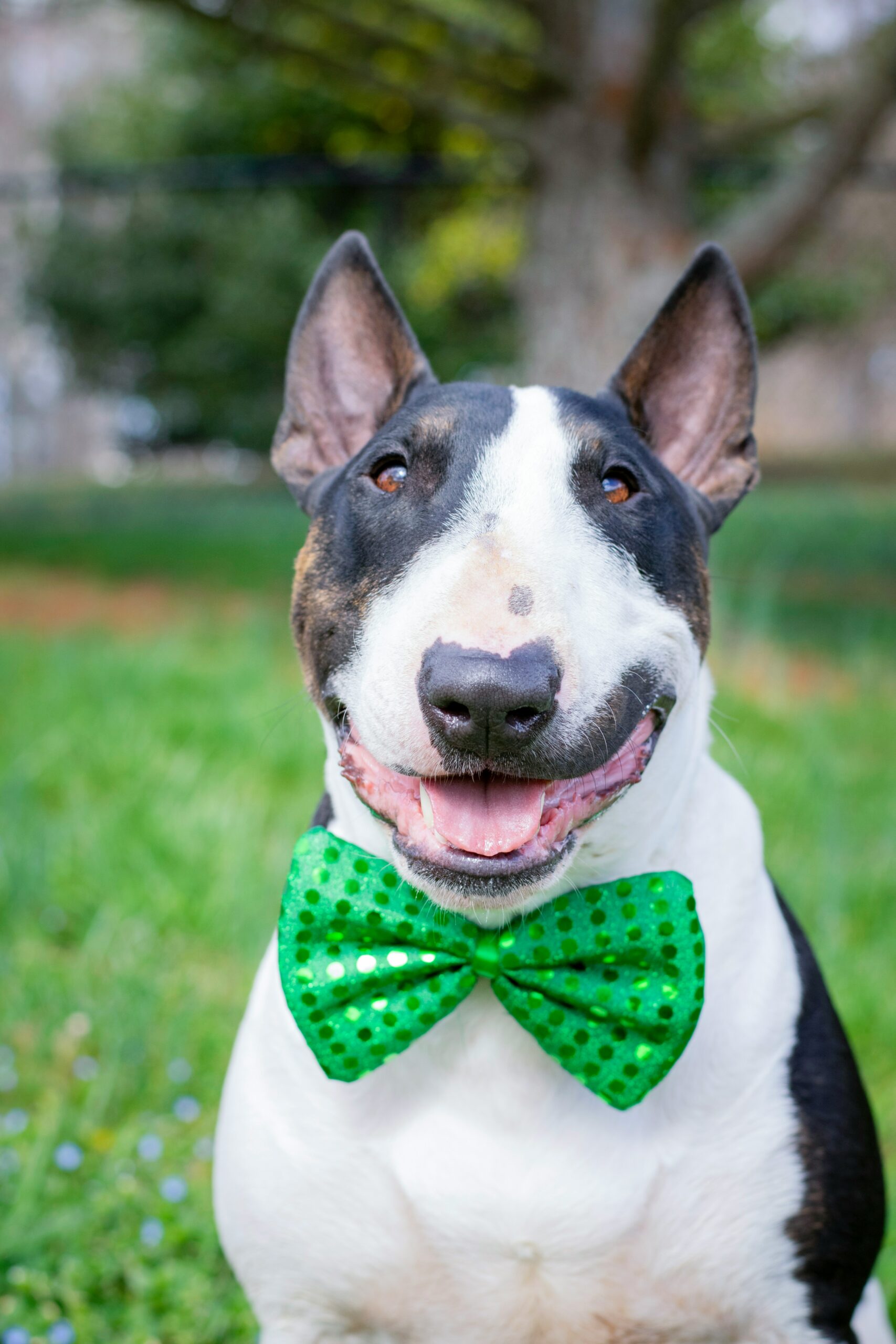
Table of Contents
-
Introduction: What Makes the English Bull Terrier Special
-
Breed Overview: Traits and Temperament
-
Understanding English Bull Terrier Health Considerations
-
Choosing Between Breeder, Rescue, and Shelter
-
Researching Reputable Breeders
-
Evaluating the Litter Before You Visit
-
What to Look for in a Healthy Puppy
-
Assessing Temperament: Which Puppy Is Right for You?
-
Questions to Ask the Breeder
-
Red Flags to Avoid
-
Preparing for Puppy’s Arrival
-
Bringing Your Puppy Home: First Steps
-
Conclusion
-
References and Sources
1. Introduction: What Makes the English Bull Terrier Special
English Bull Terriers are charismatic, energetic dogs with an unmistakable look — including the breed’s signature egg‑shaped head and small, triangular eyes. While their appearance is unique, their personality is what truly endears them to owners: they are often described as clowns of the dog world, bringing humor and loyalty to family life.
However, they’re not a breed for everyone. Understanding what you’re getting into before you bring a puppy home ensures a healthier, happier life for your new companion — and fewer surprises for you.
2. Breed Overview: Traits and Temperament
2.1 Physical Characteristics
English Bull Terriers are medium‑sized with a short, smooth coat that comes in various colors, including white and colored varieties. Their muscular build and athleticism require owners to provide regular physical activity.
2.2 Personality and Behavior
Bull Terriers are:
-
Playful and energetic
-
Affectionate with families
-
Intelligent and curious
-
Sometimes stubborn
They can also be strong‑willed and need consistent training — ideally through positive reinforcement.
2.3 Compatibility With Families
Bull Terriers typically:
-
Form strong bonds with their family
-
Enjoy interactive play
-
Thrive on attention and engagement
With children, they can be wonderful companions when properly socialized and supervised.
3. Understanding English Bull Terrier Health Considerations
Choosing the perfect puppy isn’t just about looks and personality — health screening matters too. English Bull Terriers are predisposed to certain conditions, and reputable breeders will screen for these before offering puppies.
3.1 Common Health Issues
Some health concerns seen in Bull Terriers include:
-
Deafness (especially in white Bull Terriers)
-
Skin allergies and sensitivities
-
Joint issues like patellar luxation
-
Heart conditions
-
Kidney disease and specific genetic disorders
3.2 Importance of Health Testing
Before selecting a puppy, ensure parents have been tested for:
-
Hearing (BAER test)
-
Hip and joint health
-
Heart evaluations
-
Any breed‑specific DNA tests recommended by veterinarians
Health testing doesn’t guarantee a perfect dog — but it significantly reduces the risk of serious hereditary issues and shows breeder responsibility.
4. Choosing Between Breeder, Rescue, and Shelter
4.1 Buying from a Reputable Breeder
Pros:
-
Choose from healthy, well‑raised puppies
-
Receive health clearances
-
Get early socialization and breeder support
Cons:
-
Typically more expensive
-
Responsible breeding is time‑intensive and limited
4.2 Adopting a Bull Terrier from Rescue or Shelter
Pros:
-
You give a home to a dog in need
-
Often lower cost than puppies
Cons:
-
Unknown history in some cases
-
Temperament may not be established
Many Bull Terriers end up in rescue through no fault of their own and make wonderful pets with proper evaluation and training.
5. Researching Reputable Breeders

5.1 What Makes a Good Breeder?
A reputable breeder:
-
Provides health clearances for parents
-
Offers socialized puppies raised in a home environment
-
Answers questions openly and transparently
-
Allows you to meet parents
-
Provides written contracts including health guarantees
5.2 Breed Club and Registry Memberships
Check if the breeder is associated with recognized clubs such as:
-
American Kennel Club (AKC) or equivalent national kennel clubs
-
Bull Terrier Club (UK or local national club)
Registry membership doesn’t guarantee perfect breeding practices, but it increases the likelihood of ethical behavior.
5.3 Online Reviews, Testimonials, and References
Ask the breeder for references from recent puppy buyers and read reviews carefully. Look for patterns — not just glowing praise, but how issues (if any) were handled.
6. Evaluating the Litter Before You Visit
Before you ever visit a litter in person:
6.1 Look at Photos and Videos
Ask for:
-
Photos of the puppies interacting together
-
Close‑up images
-
Videos of the puppies moving and playing
These visuals can offer early clues about activity level and alertness.
6.2 Get Basic Health Info
Request:
-
Health certificates for parents
-
Vaccination and deworming schedules
-
Any known conditions in the lineage
A conscientious breeder will willingly share this information.
7. What to Look for in a Healthy Puppy
When you meet the litter, evaluate puppies based on these traits:
7.1 Physical Health Indicators
Healthy puppies should:
-
Be bright, alert, and responsive
-
Have clear eyes and clean ears
-
Possess a shiny coat
-
Move without pain or awkward gait
-
Breathe quietly and normally
-
Have a healthy appetite
Weakness, discharge from eyes or nose, severe coughing, or lethargy are red flags that warrant caution.
7.2 Socialization Behaviors
Even young puppies should show interest in the environment:
-
Explore surroundings
-
Interact with littermates
-
Respond to sound and touch with curiosity
These signs point to mental engagement and resilience.
7.3 Body Condition
You should be able to feel — but not see — the puppy’s ribs. Overly thin or overly pudgy puppies may need evaluation by a veterinarian.
8. Assessing Temperament: Which Puppy Is Right for You?
Bull Terrier puppies can vary in personality even within the same litter. Consider these traits and how they align with your lifestyle:
8.1 Confident and Curious
Ideal for families or activity‑oriented homes. These puppies:
-
Approach new people
-
Investigate toys and objects
-
Show comfortable engagement with surroundings
8.2 Calm and Gentle
Suitable for quieter homes or owners with less experience. These puppies:
-
Respond calmly to touch
-
May watch play before joining in
-
Still enjoy interaction but in measured ways
8.3 Bold and Energetic
For active families or experienced handlers. These puppies:
-
Initiate play
-
Show lots of movement and excitement
-
Dive into new experiences eagerly
No temperament is inherently “better”; it’s about fit. A highly bold puppy may overwhelm a small child but thrive in a sporty home.
9. Questions to Ask the Breeder
Here’s a list of helpful questions to ask breeders that go beyond basic information:
Health and Genetics
-
What health tests has each parent undergone?
-
Are there any known hereditary issues in this bloodline?
Socialization Practices
-
How have puppies been socialized?
-
Are they exposed to different sounds and people?
Living Environment
-
Where are puppies raised (home vs kennel)?
-
How do puppies interact with family members and other animals?
Parent Temperaments
-
Can we meet the parents?
-
How would you describe their personalities?
Support After Purchase
-
Do you offer a health guarantee or return policy?
-
Will you provide training tips or breeder support?
A responsible breeder welcomes questions and will answer them fully.
10. Red Flags to Avoid
Not all breeders operate ethically. Avoid these warning signs:
-
Unwillingness to show health records
-
No opportunity to meet parents
-
Puppies kept in poor conditions
-
No early socialization or isolation
-
Pressure to buy without inspection
-
Price way below market value (could indicate puppy mills)
Trust your instincts — if anything feels off, walk away.
11. Preparing for Puppy’s Arrival
Once you’ve selected your puppy — or confirmed it’s the right decision — it’s time to prepare your home!
11.1 Essential Supplies
-
Crate for sleep and confinement
-
Puppy‑safe chew toys
-
High‑quality puppy food
-
Grooming tools
-
Collar and leash
-
Potty training supplies
11.2 Puppy‑Proofing Your Home
Bull Terrier puppies are curious and strong. Secure:
-
Electrical cords
-
Small objects
-
Toxic plants
-
Accessible trash cans
A secure environment sets the stage for safe exploration.
12. Bringing Your Puppy Home: First Steps
12.1 Vet Visit
Take your puppy to the veterinarian within 48 hours for:
-
Full health check
-
Vaccination plan
-
Deworming schedule
Establishing a vet relationship early ensures a strong health foundation.
12.2 Socialization and Training
Start with:
-
Short training sessions using positive reinforcement
-
Gentle exposure to new people and places
-
Crate training for comfort and safety
Bull Terriers are intelligent and respond best to consistent, reward‑based methods.
12.3 Nutrition and Exercise
Feeding a balanced, breed‑appropriate diet and meeting activity needs helps with:
-
Growth and muscle development
-
Learning and behavior
-
Digestion and immunity
13. Conclusion
Choosing the perfect English Bull Terrier puppy should be approached with intention, patience, and thoughtful evaluation. By understanding the breed’s unique traits, prioritising health and temperament, researching breeders carefully, and preparing your home, you set yourself — and your puppy — up for a successful, fulfilling life together.
From the moment you bring your puppy home, your bond begins. With the right start, your Bull Terrier will grow into a loyal, loving companion who fills your days with energy, affection, and unforgettable personality.
References and Sources
Here are some of the most helpful and credible sources you can visit to learn more about English Bull Terriers, puppy selection, breed traits, and responsible ownership:
-
Wikipedia – Bull Terrier Overview: Breed history and characteristics.
-
American Kennel Club – Bull Terrier Info: Breed standards, temperament, and care.
-
PetMD – Bull Terrier Health: Common health concerns and care guidance.
-
MyPetZilla – Breed Profile: Traits and health issues specific to Bull Terriers.
-
The Humane Society – Choosing a Puppy or Dog: Tips on avoiding puppy mills and evaluating breeders.
-
AKC – Training Tips for Puppies: Best practices on early development and training methods.