English Bull Terriers are vibrant, playful, and energetic dogs with an unmistakable personality. While their spirited nature makes them great companions, it also means they require intentional energy management to remain well‑behaved and happy. Without regular physical and mental stimulation, Bull Terriers can become bored, destructive, or challenging to handle. PDSA+1
This comprehensive guide walks you through everything you need to know about understanding, channeling, and managing your Bull Terrier’s energy — including exercise routines, mental challenges, training tips, lifestyle strategies, and real‑world examples.
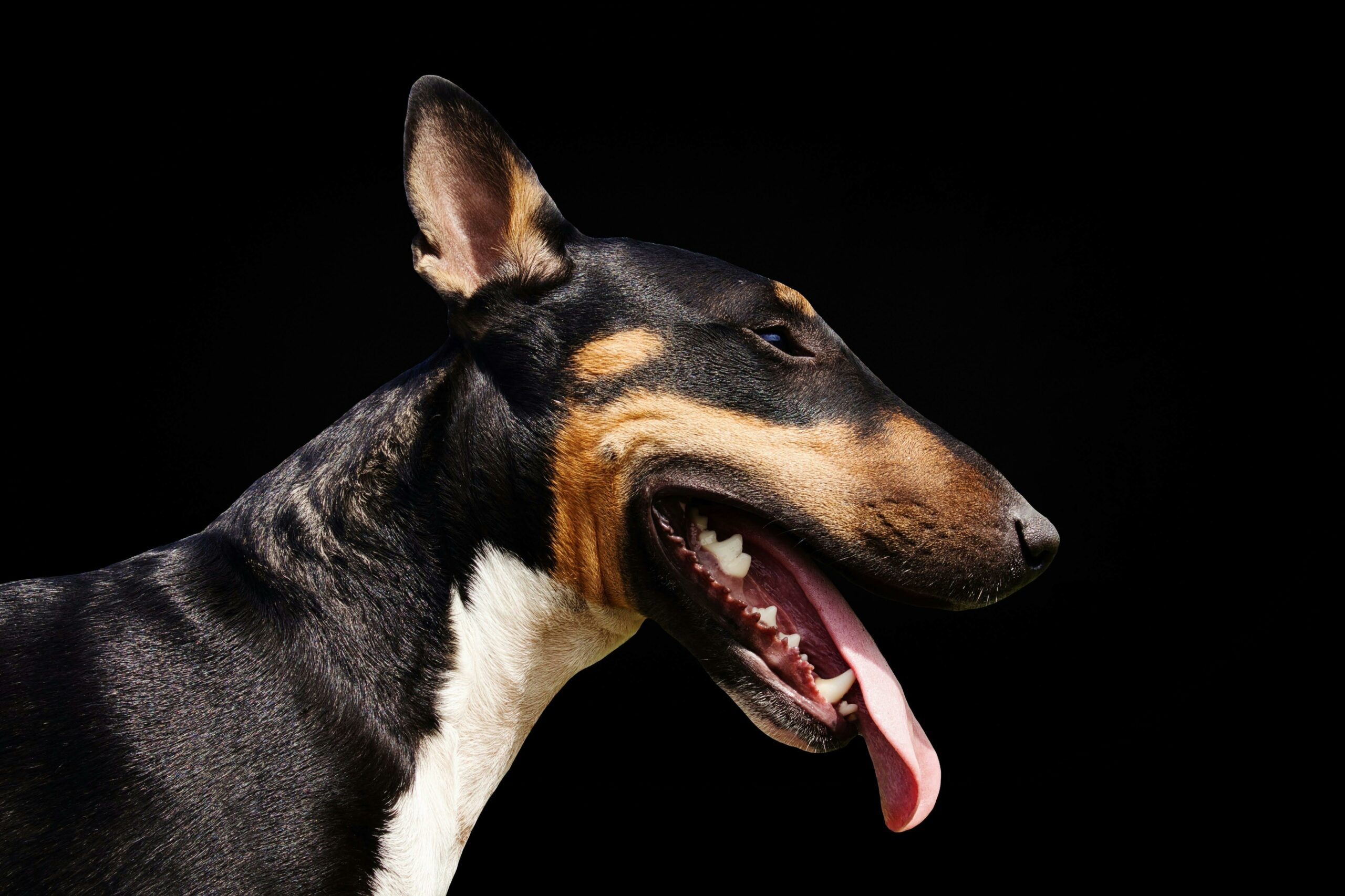
1. Why English Bull Terriers Have So Much Energy
English Bull Terriers were originally bred for various working activities — including roles requiring strength, courage, and stamina. While they are no longer used for those historical tasks, the instincts and drive bred into the breed remain. They are physically tough dogs with high stamina and a desire to stay engaged — physically and mentally. mypetzilla.co.uk
According to breed profiles, Bull Terriers need significant daily exercise and play to stay balanced and happy. A lack of activity often leads to behavior issues like chewing, digging, barking, or hyperactivity. PDSA
2. Understanding Physical vs Mental Energy
Bull Terriers require two types of activity:
2.1 Physical Energy
This includes running, walking, swimming, fetch, agility, and other forms of exercise that expend calories and maintain cardiovascular health.
2.2 Mental Energy
Intelligent breeds like Bull Terriers also need mental stimulation, such as training, puzzle games, scent work, or problem‑solving challenges. Mental engagement is crucial for managing energy levels and preventing boredom‑driven behavior. Agria Pet Insurance
Both types of activity work together: a dog that’s physically tired but mentally under stimulated may still exhibit restless behaviors — and vice versa.
3. Daily Exercise Requirements for Bull Terriers
Bull Terriers have higher energy levels than many average breeds, and experts recommend structured exercise:
3.1 Minimum Daily Exercise
Bull Terriers need at least one hour of exercise every day, spread across multiple sessions — not all at once. This can include walks, playtime, jogs, or other physically engaging activities. PDSA
3.2 Recommended Activity Mix
A typical daily routine might include:
-
Morning walk: 20–30 minutes brisk walk or jog
-
Midday play: Interactive games or fetch
-
Evening walk/play: Another 20–40 minutes plus mental stimulation
When exercise is too low, Bull Terriers are prone to restlessness, barking, chewing, and other signs of pent‑up energy. mypetzilla.co.uk
4. Daily Walks and Varied Outdoor Activities
4.1 Walks and Runs
Taking your Bull Terrier on regular walks or runs helps burn excess energy while reinforcing good leash manners and socialization. Even moderate daily walks prevent behavioral issues linked to boredom. Pets4Homes
4.2 Variety Matters
Dogs enjoy variety just as much as humans. Mixing up routes and locations (parks, trails, neighborhood loops) keeps exercise engaging and stimulating.
Tip: Walk during the cooler parts of the day (early morning or evening) to avoid overheating — Bull Terriers can suffer heat stress because of their muscular weight and energy output. mypetzilla.co.uk
5. Off‑Leash Play and Secure Yard Time
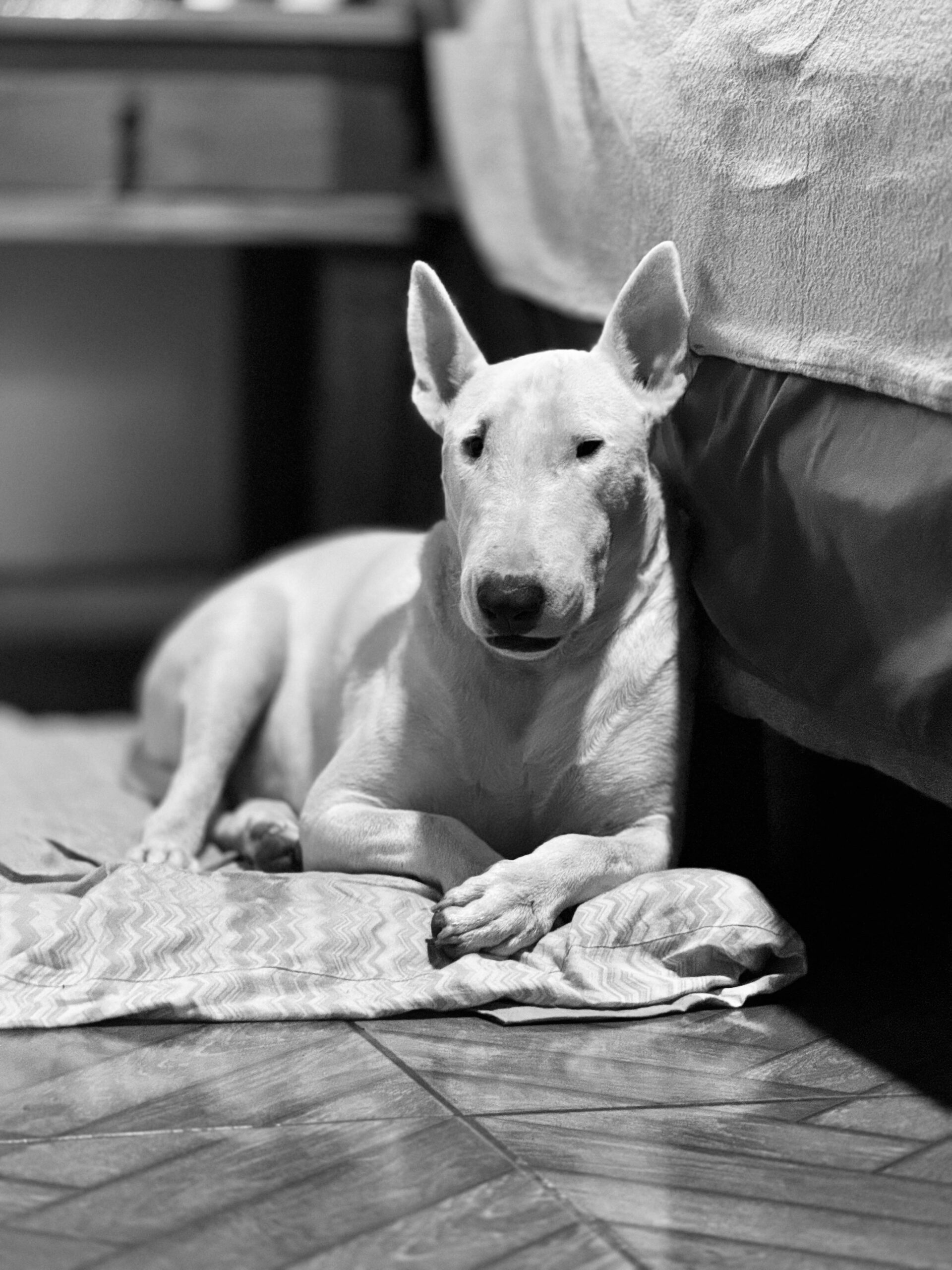
Outdoor play in a secure, fenced area lets Bull Terriers run freely and use natural instincts like chasing balls or exploring new scents. This activity can be especially helpful on days when walks alone aren’t enough.
Safety Notes:
-
Always supervise outdoor play.
-
Ensure fencing is secure, as energetic dogs can sometimes test boundaries.
-
Provide fresh water outside. mypetzilla.co.uk
6. Structured Training Sessions — A Double Win
Training is both exercise and mental engagement. Bull Terriers respond well to positive reinforcement, and brief but purposeful sessions reduce boredom and provide structure. mypetzilla.co.uk
6.1 Training Formats
-
Obedience commands: sit, stay, come
-
Advanced tricks: roll, figure‑eight, go to place
-
Impulse control: leave it, wait
Even a short five‑ to ten‑minute training session can tire a dog mentally just as much as a physical workout.
7. Interactive and Puzzle Toys for Mental Stimulation
Mental activity is just as important as physical exertion. Puzzle toys that dispense treats, hide‑and‑seek games with toys, or DIY challenges reduce boredom and contribute to calm behavior.
Examples of Mental Enrichment:
-
Puzzle feeders
-
Hide the treat games
-
Scent work challenges
-
Obstacle courses at home
These activities solve the common issue where Bull Terriers redirect excess energy into unwanted behavior like chewing doors or digging in the yard. Janet Pets
8. Dog Sports and Advanced Activities
For owners who want to go further, organized dog sports can provide both mental and physical satisfaction:
-
Agility trials
-
Flyball
-
Canine scent work
-
Obedience competitions
Such involvement not only expends energy, it reinforces discipline and builds confidence in your dog.
9. Socialization and Interaction With Other Dogs
Bull Terriers enjoy companionship — both human and canine — and social play helps expend energy in natural and fun ways. Regular playdates or visits to dog parks can help, but they must be supervised carefully to maintain safety and positive interaction.
Proper early socialization helps reduce frustration and impulsive behavior as the dog matures. PDSA
10. Reducing Energy–Driven Destructive Behavior
When energy isn’t properly managed, even the best‑meaning Bull Terrier can turn to problem behaviors like:
-
Chewing furniture
-
Digging holes
-
Barking excessively
-
Restlessness
These behaviors often indicate boredom or insufficient exercise, not “bad behavior.” Increasing structured activity, training, and playtime usually leads to calmer dogs. DoggyZine.com
Tip: Provide durable chew toys or interactive treat dispensers to redirect chewing behavior.
11. Managing Energy Indoors
Life isn’t always outdoors. Here are ways to help manage energy inside the home:
11.1 Indoor Play Sessions
Games like tug‑of‑war or fetch down a hallway help burn energy when outside isn’t possible.
11.2 Obedience Breaks
During TV time or breaks, integrate short command sequences — this reinforces training and tires their brain.
11.3 Designated Chill Zones
Help your Bull Terrier learn calm by giving them a comfortable mat or crate where rewarded restful behavior is encouraged.
12. Exercise Precautions and Health Considerations
Bull Terriers are robust, but there are important health considerations:
12.1 Avoid Overexertion
Especially for puppies and young dogs, avoid excessive running or repeated long sessions that may strain developing joints. k9obedience.co.uk
12.2 Heat Sensitivity
Bull Terriers can get hot quickly due to their muscular bodies and high activity, so exercise in hot weather requires caution and hydration breaks. mypetzilla.co.uk
12.3 Age‑Adjusted Exercise
Older dogs still need mental stimulation but may require shorter bursts of activity adapted to their stamina.
13. Recognizing When Energy Is More Than Behavioral
Persistent hyperactivity, inability to settle, or anxiety‑related signs may require professional input. Consult a veterinarian or certified dog trainer if:
-
Your Bull Terrier doesn’t calm down despite exercise and play.
-
There are signs of anxiety or obsessive behaviors.
-
Training isn’t helping and behaviors are escalating.
Sometimes guidance from a specialist helps tailor a routine based on your dog’s specific energy patterns.
14. A Balanced Energy Management Plan
Here’s a sample balanced schedule for managing a Bull Terrier’s energy:
| Time of Day | Activity Type | Duration |
|---|---|---|
| Morning | Walk + Obedience Training | 30–40 min |
| Midday | Puzzle Toy & Play | 20–30 min |
| Afternoon | Free Play or Run | 30–60 min |
| Evening | Calm Training & Social Time | 15–25 min |
Keep a flexible routine tailored to your dog’s age, health, and energy level.
15. Conclusion: A Happy Dog Is an Engaged Dog
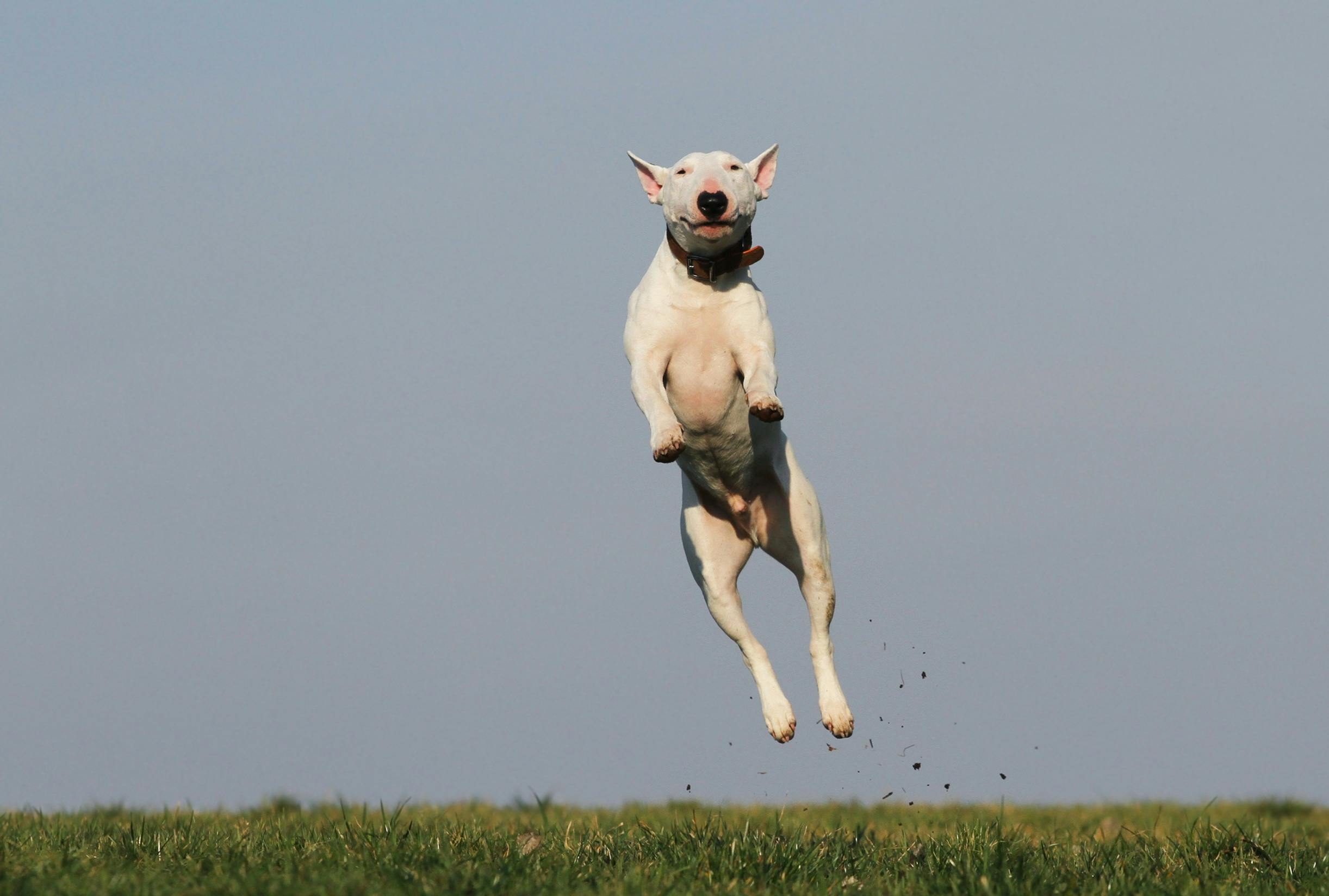
English Bull Terriers are full of life and enthusiasm, and managing that energy effectively is key to a harmonious home. Through structured exercise, engaging play, mental stimulation, and consistent training, you can help your Bull Terrier thrive physically, mentally, and emotionally.
Remember — a well‑exercised Bull Terrier is a calm, content companion rather than a bored or frustrated one. With investment in daily activity and enrichment, the energetic personality that makes this breed so much fun will become one of its greatest strengths.
Sources & Further Reading
Here are the sources cited above for further information:
-
PDSA – English Bull Terrier breed exercise & energy needs. English Bull Terrier Exercise & Care – PDSA
-
MyPetZilla UK – Bull Terrier exercise, training & temperament. English Bull Terrier Breed Profile – MyPetZilla UK
-
English Standard Bull Terrier breed facts. English Standard Bull Terrier Description – FurryCritter
-
Agria Pet – importance of play, stimulation, and company. Managing High Energy in Bull Terriers – Agria Pet
-
K9Obedience – exercise and health considerations. English Bull Terrier Profile – K9Obedience
-
Pets4Homes – exercise routines and behaviours. English Bull Terrier Behaviour & Exercise Guide – Pets4Homes
-
JanetPets – mental and physical stimulation tips. Bull Terrier Activity Requirements – JanetPets