Pomeranians are tiny bundles of fluff with big personalities and plenty of energy to match. While their small size may make them seem delicate or low‑maintenance, Pomeranians actually require thoughtful care in multiple areas — including exercise, nutrition, grooming, socialization, and mental stimulation — to stay happy, healthy, and full of life. Proper care also helps prevent common health issues and strengthens your bond with your Pom.
In this complete guide, we’ll cover everything you need to know to give your Pomeranian the best possible life — physically, mentally, and emotionally.
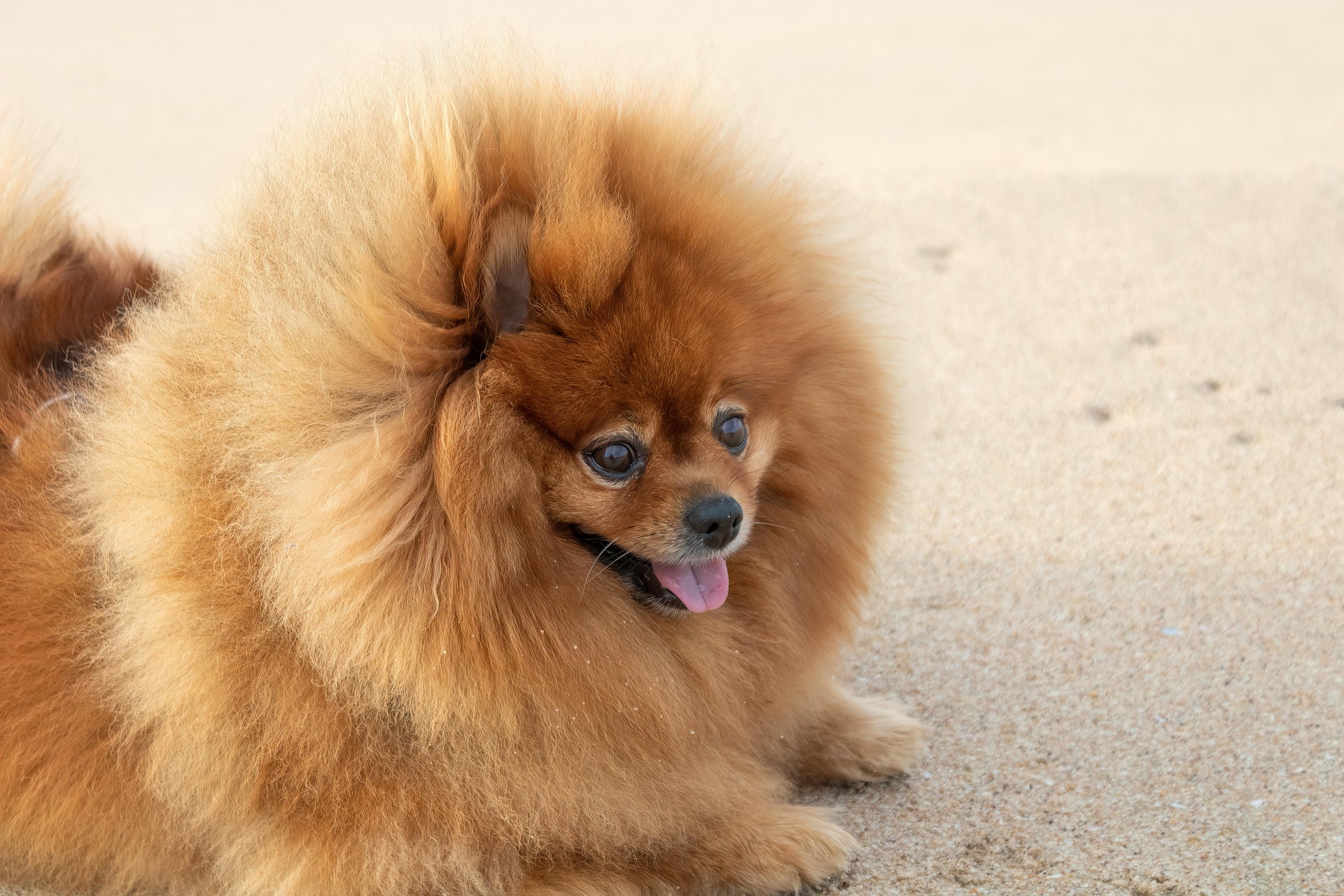
1. Understanding the Pomeranian Temperament and Needs
Pomeranians are lively, intelligent, affectionate, and alert — far from lazy lapdogs. Despite their compact size, they have moderate to high energy levels and need both physical exercise and mental stimulation to stay balanced and content. (turn0search1; turn0search15)
Because they’re curious and alert, they often enjoy exploring their environment, playing games, and solving puzzles. Inadequate activity can lead to behavioral issues such as destructive chewing, excessive barking, or anxiety. (turn0search1)
2. Daily Exercise: Move More, Stress Less
Even though Pomeranians are small, they do not “turn on auto‑energy” without guidance — they depend on you to meet their exercise needs. Most experts recommend at least 30–60 minutes of physical activity per day. This can be broken into sessions that match their short bursts of energy and small legs. (turn0search1; turn0search13)
Types of Exercise That Work Well
✔ Short walks around the neighbourhood — two walks of 15–20 minutes each
✔ Indoor play sessions — fetch, tug‑of‑war with appropriately sized toys
✔ Playtime with family members or other dogs (if socialized)
✔ Safe outdoor play in a secure yard or garden
Even minimal space is enough for your Pom to get adequate activity with the right games and routines. Interactive play not only burns energy but also helps prevent boredom and related issues. (turn0search4)
Weather and Safety Tips
-
Avoid strenuous exercise in extreme heat, as Pomeranians can overheat due to their dense double coat.
-
In cold conditions, short fur and small size mean they can get chilly quickly — consider a doggy sweater or coat for outdoor days.
3. Mental Stimulation: A Sharp Mind Equals a Happy Dog
Physical exercise alone isn’t enough — Pomeranians also need mental engagement to thrive. Without mental stimulation, they can become bored and develop unwanted habits like barking, digging, or over‑grooming. (turn0search1; turn0search4)
Great Ways to Stimulate Your Pom’s Mind
✔ Puzzle toys and treat dispensers — encourage problem solving
✔ Training sessions with new tricks — keep their minds challenged
✔ Scent games — hide treats around the house for your Pom to find
✔ Interactive toys — rotating toys keep the novelty alive
✔ Short obedience drills — reinforce commands and build confidence
Puzzle toys and training help prevent boredom behaviors and cognitive decline as Pomeranians age. (turn0search6)
4. Nutrition and Feeding: Fuel Their Happiness
A balanced diet is a cornerstone of keeping your Pom physically healthy and energetic. Because of their tiny size and fast metabolism, portion control and nutrient balance are crucial. Overfeeding can quickly lead to obesity, which contributes to joint strain, cardiac issues, and respiratory problems. (turn0search5; turn0search18)
Diet Basics for Happy Pomeranians
-
High‑quality small‑breed kibble designed for Pomeranians
-
Lean animal protein as a primary ingredient
-
Omega‑3 and omega‑6 fatty acids for healthy skin and a shiny coat
-
Complex carbohydrates for steady energy
-
Avoid fillers, artificial additives, and excessive fats
Meal Schedules
✔ Puppies (up to ~6 months): 3–4 small meals per day
✔ Adults (6 months+): 2 small meals a day
✔ Treats: Make up no more than 10% of daily caloric intake
This helps maintain blood sugar stability and prevents obesity. (turn0search17; turn0search18)
Hydration Matters
Always provide fresh water. Pomeranians can dehydrate quickly — especially after exercise.
5. Grooming: Don’t Underestimate the Double Coat
Pomeranians have a beautiful double coat — an outer layer of long fur and a thick undercoat — which makes them look plush and regal. That same coat, however, requires regular care to stay healthy and comfortable. (turn0search0; turn0search2)
Essential Grooming Routine
✔ Brushing: 3–4 times per week (daily during heavy shedding seasons)
✔ Bathing: Every 3–4 weeks (avoid overbathing)
✔ Professional Grooming: Every 8–12 weeks for trims and touch‑ups
✔ Nail Trimming: Every 3–4 weeks
✔ Ear Cleaning: Weekly or biweekly to prevent infection
✔ Teeth Cleaning: Ideally 3–4 times weekly to prevent dental issues
Brushing helps prevent mats and tangles, improves blood circulation, and reduces loose fur in your home. (turn0search2; turn0search11)
Coat‑Care Tips
-
Use a slicker brush and metal comb to reach the undercoat
-
Pay extra attention during seasonal sheds (spring and fall)
-
Avoid shaving the coat — it can disrupt natural insulation and regrowth
6. Socialization & Relationship Building
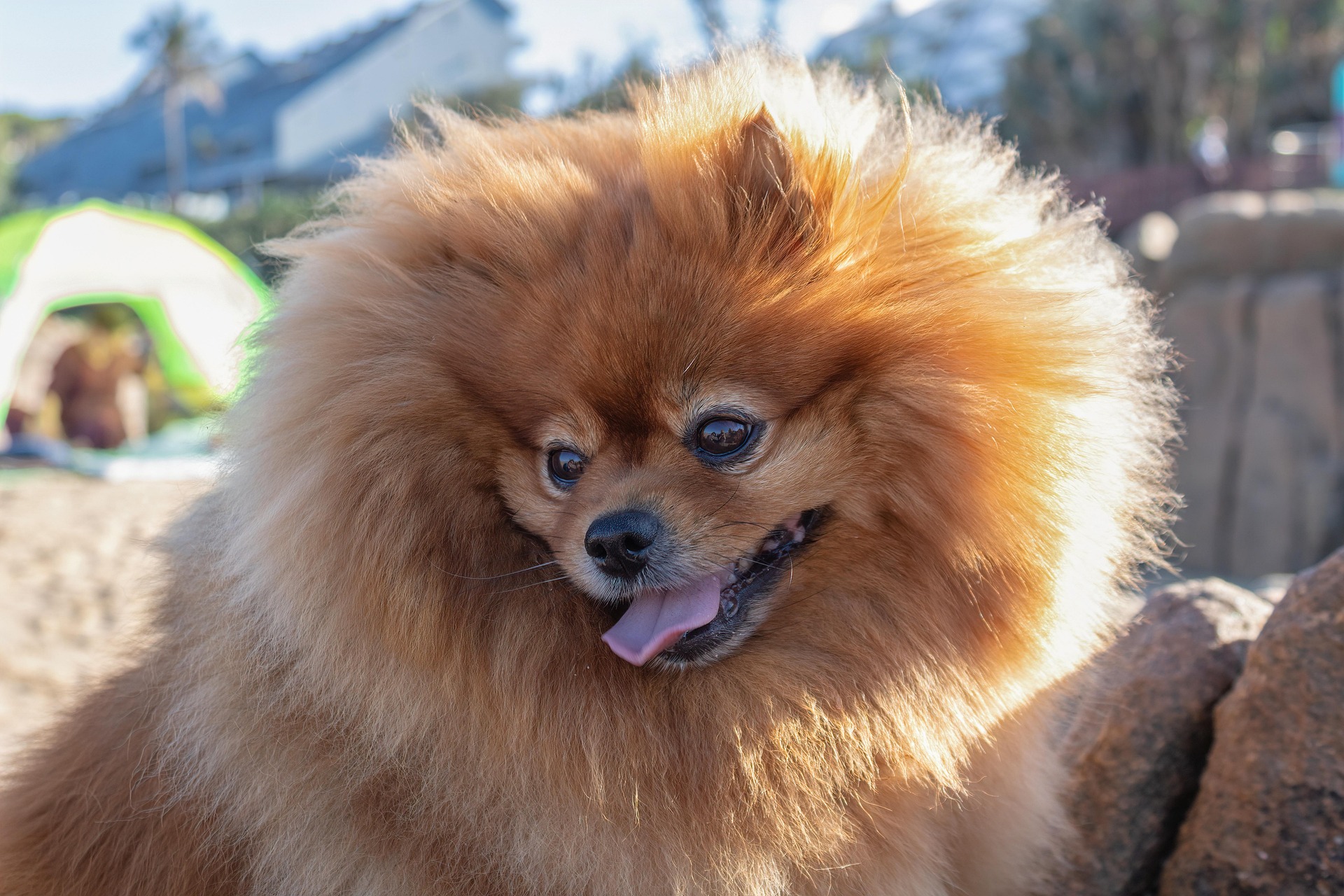
Pomeranians thrive on bonding with their humans and being part of the family. They are companion dogs at heart, and loneliness or lack of interaction can lead to stress or anxiety. (turn0search3)
Ways to Build a Strong Bond
✔ Daily play and cuddle time
✔ Socializing with people, dogs, and environments early
✔ Positive training together
✔ Consistent routines for meals, walks, and bedtime
Because they were bred as companion dogs, Pomeranians can become attached quickly and dislike being left alone for long periods. They enjoy companionship and will show it — sometimes persistently! (turn0search3)
7. Training and Behavior: Confidence Through Structure
Training is essential for a happy, well‑adjusted Pomeranian. They are intelligent and responsive, but can also be a bit stubborn if not given clear guidance and positive structure. (turn0search1; turn0search15)
Training Tips That Work
✔ Positive reinforcement — treats, praise, and play
✔ Short, consistent sessions — Pomeranians have short attention spans
✔ Early socialization — helps reduce anxiety and fear
✔ Teach a “quiet” command — many Poms are vocal
Training enriches their minds, prevents behavior issues, and strengthens your connection.
8. Health Monitoring: Catch Issues Early
Although generally healthy, Pomeranians are predisposed to certain health concerns (such as tracheal collapse, luxating patellas, dental disease, and obesity), influenced by their small builds and energetic nature. Regular vet check‑ups help catch concerns early before they become serious. (turn0search15; turn0search2)
Routine Veterinary Care
✔ Annual or biannual physical exams
✔ Dental check‑ups
✔ Vaccinations and parasite prevention
✔ Weight monitoring
Routine check‑ups are crucial for early detection of emerging health problems, ensuring your Pom lives a long, vibrant life.
9. Special Considerations for Puppies and Seniors
Puppy Stage
Pomeranian puppies are energetic, curious, and often need close supervision and frequent potty breaks. Early training and socialization help prevent behavioural challenges later in life. (turn0search15)
Tips for Puppies
-
Puppy proof your home
-
Short, fun training sessions
-
Gentle socialization with people and pets
Senior Pomeranians
Older Poms may slow down and benefit from gentle walks, joint supplements, softer bedding, and regular vet visits. Adjust exercise as needed to avoid strain while keeping them engaged.
10. Fun Activities That Keep Your Pom Thriving
Pomeranians are playful and curious, so providing activities geared toward their personality helps maintain happiness:
✔ Fetch and chase games
✔ Puzzle toys and treat mazes
✔ Hide‑and‑seek games
✔ Obstacle courses designed for small dogs
✔ Training new tricks for mental challenge
These activities help burn energy and prevent boredom — both key to emotional and cognitive health. (turn0search1; turn0search6)
11. Safety First: Prevent Injuries and Accidents
Because of their small size, Pomeranians can be vulnerable to injuries like falls from furniture or rough play with larger dogs. Take precautions:
✔ Use harnesses instead of collars to protect the trachea
✔ Prevent jumping from heights
✔ Supervise them around larger pets
✔ Install baby gates to restrict access to dangerous areas
Safety reduces stress for both you and your Pom — and helps prevent expensive vet visits.
Conclusion: A Happy, Healthy, Energetic Life for Your Pomeranian
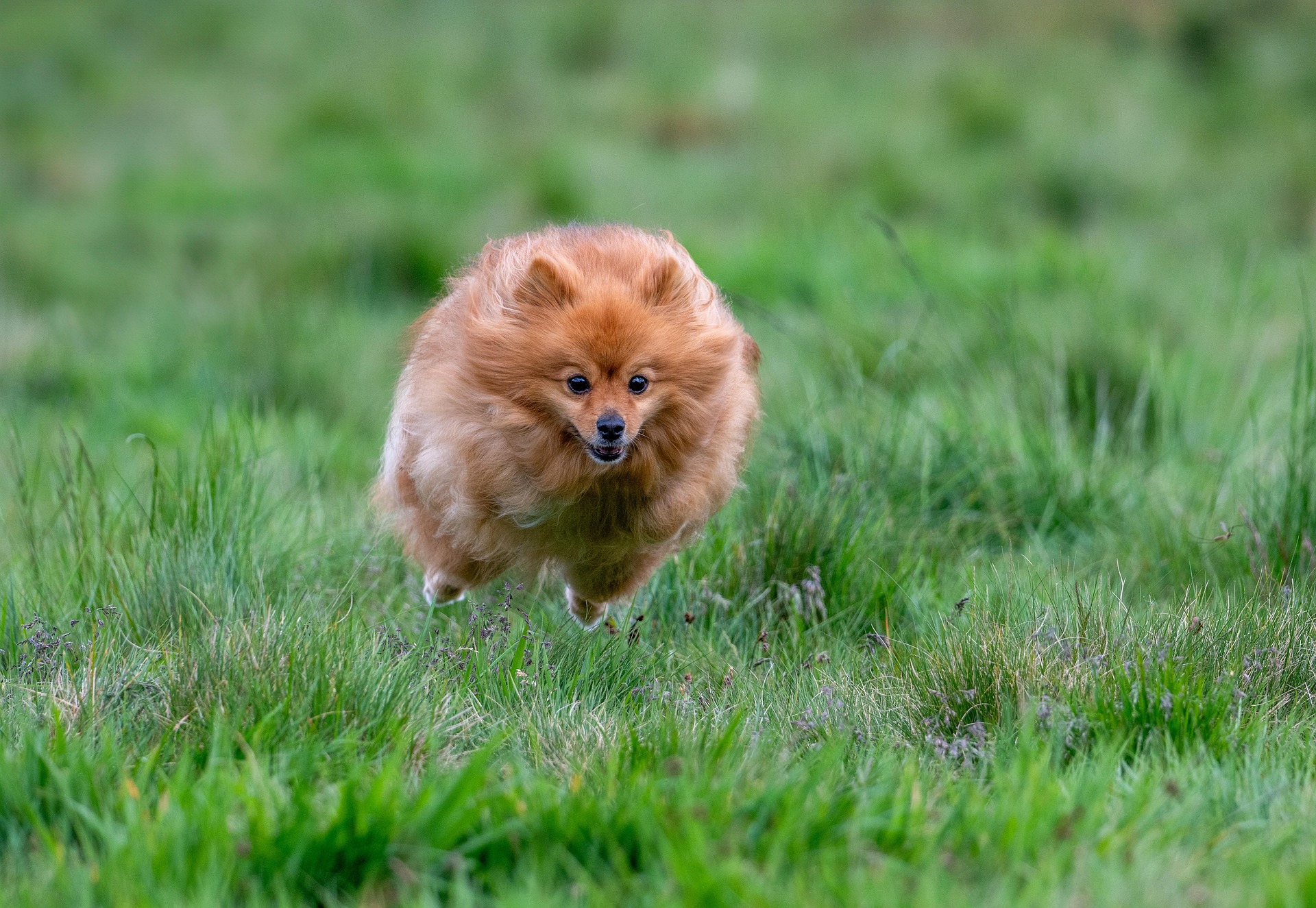
Keeping your Pomeranian happy, healthy, and energetic is about balance:
❤️ Physical activity keeps their bodies fit
🧠 Mental challenges keep their minds sharp
🍽️ Proper nutrition fuels their energy
✂️ Regular grooming keeps them comfortable
🧑🤝🧑 Socialization and training fosters well‑rounded behavior
Attention to these areas will help your Pom thrive and enjoy a full, joyful life as part of your family. With consistency, love, and proactive care, your Pomeranian can remain a vibrant companion for years to come. 🐾
Sources & Further Reading
Here are the reliable references used throughout this guide:
🔗 Pomeranian dog breed profile, exercise & grooming tips — Grumpy Old Max (turn0search0)
🔗 Understanding Pomeranian temperament & training — Houndsy (turn0search1)
🔗 Pomeranian breed info & activity needs — Pawsome Authority (turn0search2)
🔗 How much attention they need and daily care — Pomeranian.org (turn0search3)
🔗 Grooming & care recommendations — BreedScout (turn0search4)
🔗 Vet‑approved care & nutrition tips — SplootVets (turn0search5)
🔗 7 secrets for raising a happy Pomeranian — PomeranianFans (turn0search6)
🔗 Pomeranian grooming & play recommendations — PetInfoweb (turn0search11)
🔗 Breed characteristics & activity breakdown — Canine Bible (turn0search15)
Pomeranians are tiny dogs with big personalities. They are playful, intelligent, and full of energy, but their small size and unique physiology mean they require careful care to stay happy and healthy. Understanding how to maintain their physical, mental, and emotional well-being is essential for every Pom owner.
This FAQ guide addresses exercise, nutrition, grooming, mental stimulation, health monitoring, and lifestyle management, helping your Pomeranian thrive.
FAQ: How to Keep Your Pomeranian Happy, Healthy, and Energetic
1. How much exercise does a Pomeranian need?
Pomeranians are energetic, but their tiny size means exercise should be moderate and structured.
Recommended routine:
-
Daily walks: 20–30 minutes, split into two sessions
-
Indoor play: Short games like fetch, tug-of-war, or hide-and-seek
-
Mental stimulation: Puzzle toys, training sessions, or trick games
Tips:
-
Avoid over-exercising puppies or elderly Poms.
-
High-impact activities like jumping off furniture can injure their delicate joints.
-
Exercise should combine both physical activity and mental engagement to prevent boredom.
2. What types of activities keep a Pomeranian mentally stimulated?
Mental stimulation is as important as physical activity. Without it, Poms may develop behavioral problems, like excessive barking or nipping.
Ideas for mental enrichment:
-
Puzzle feeders or treat-dispensing toys
-
Teaching new tricks (spin, high-five, rollover)
-
Hide-and-seek with treats or toys
-
Short obedience training sessions
-
Interactive games with family members
A stimulated mind leads to a happier, more energetic dog, and it also strengthens the bond between owner and pet.
3. How should I structure a Pomeranian’s diet for health and energy?
Nutrition is crucial for maintaining energy levels, coat health, and overall well-being.
Diet tips:
-
High-quality kibble or balanced wet food suitable for small breeds
-
Frequent, small meals (2–3 times per day) to prevent hypoglycemia in puppies
-
Healthy treats in moderation for training
-
Avoid human foods high in fat, sugar, or salt
-
Fresh water available at all times
Supplements (only if recommended by a vet):
-
Omega-3 fatty acids for coat and skin health
-
Glucosamine or joint supplements for older Poms
-
Probiotics for digestion
A proper diet supports sustained energy, good dental health, and immune system function.
4. How can I prevent my Pomeranian from becoming overweight?
Obesity is a common concern in Pomeranians and can lead to:
-
Joint strain
-
Tracheal collapse
-
Heart issues
-
Diabetes
Prevention strategies:
-
Measure food portions accurately
-
Limit treats and avoid table scraps
-
Provide daily exercise and mental stimulation
-
Monitor weight and body condition regularly
-
Consult your vet for ideal calorie intake
Maintaining a healthy weight ensures your Pom remains energetic and playful.
5. How do I keep my Pomeranian’s coat healthy?
Poms have a luxurious double coat, requiring regular grooming to prevent mats and maintain shine.
Grooming tips:
-
Brush 3–5 times per week to remove tangles and loose hair
-
Bathe every 3–4 weeks with dog-safe shampoo
-
Trim nails every 3–4 weeks
-
Clean ears regularly to prevent infections
-
Professional grooming occasionally for trimming and coat maintenance
A healthy coat reflects overall health and contributes to your Pomeranian’s comfort.
6. How important is socialization for Pomeranians?
Socialization is essential to prevent fearfulness, aggression, and overprotectiveness.
Socialization tips:
-
Introduce your Pom to new people, pets, and environments gradually
-
Reward calm behavior with treats and praise
-
Take them to dog-friendly parks or controlled playdates
-
Expose them to various sounds and stimuli
A well-socialized Pomeranian is confident, happy, and less prone to anxiety.
7. What are common health concerns I should watch for?
While Pomeranians are generally healthy, they have breed-specific risks:
-
Dental issues – small mouths can lead to overcrowding and plaque
-
Luxating patella – knee instability
-
Tracheal collapse – airway weakness causing coughing
-
Hypoglycemia – low blood sugar, especially in puppies
-
Heart disease – mitral valve issues or arrhythmias
-
Eye problems – cataracts or dry eye
-
Obesity – small body, high-calorie intake
Prevention and management:
-
Routine vet check-ups
-
Healthy diet and weight control
-
Regular dental and grooming care
-
Observation for early warning signs like coughing, limping, or lethargy
Early detection and proactive care ensure a long, happy life.
8. How do I keep my Pomeranian emotionally happy?
Pomeranians thrive on human interaction and attention.
Tips for emotional well-being:
-
Spend quality time daily through play, walks, and cuddles
-
Avoid leaving them alone for extended periods; separation anxiety is common
-
Provide mental enrichment to prevent boredom
-
Create a safe, cozy space for rest
-
Use positive reinforcement to build confidence
A happy Pomeranian is energetic, affectionate, and less likely to develop behavioral issues.
9. How much sleep do Pomeranians need?
Despite their energy, Poms require plenty of rest to recharge.
-
Puppies: 16–18 hours per day
-
Adults: 12–14 hours per day
-
Seniors: 14–16 hours per day
Ensure a quiet, comfortable sleeping area. Overstimulation without adequate rest can lead to irritability or hyperactivity.
10. How do I prevent boredom in a Pomeranian?
Boredom leads to destructive behaviors like chewing, barking, or digging.
Prevention strategies:
-
Rotate toys regularly
-
Provide puzzle feeders and interactive games
-
Schedule short training sessions daily
-
Allow supervised exploration in safe spaces
-
Offer social interaction with family or other pets
A mentally engaged Pom remains energetic and well-behaved.
11. Should I train my Pomeranian daily?
Yes, training is both mental and physical stimulation.
Training tips:
-
Short sessions (5–10 minutes) multiple times per day
-
Use positive reinforcement: treats, praise, affection
-
Teach obedience commands (sit, stay, come, leave it)
-
Encourage tricks or agility exercises for fun
-
Remain patient and consistent
Daily training strengthens your bond and channels energy constructively.
12. How do I manage a Pomeranian’s energy indoors?
Even in small spaces, Poms need activity:
-
Use indoor fetch or tug-of-war
-
Provide puzzle toys or treat dispensers
-
Encourage short training or trick sessions
-
Create obstacle courses for mental and physical exercise
Indoor energy management prevents boredom-related behaviors and keeps your Pom fit.
13. Are there specific toys suited for Pomeranians?
Yes, toys should be:
-
Lightweight and small enough to carry
-
Safe and durable for chewing
-
Puzzle-based or interactive for mental stimulation
-
Soft balls or plush toys for gentle play
-
Treat-dispensing toys to reward learning
Rotating toys keeps interest high and prevents destructive chewing.
14. How often should I take my Pomeranian to the vet?
Routine check-ups are critical:
-
Puppies: Every 3–4 weeks until 16 weeks
-
Adults: Annually for wellness exams, vaccinations, and blood tests
-
Seniors: Every 6 months for early detection of age-related conditions
During vet visits, check for:
-
Weight and body condition
-
Dental health
-
Joint and bone health
-
Eye and ear conditions
-
Heart and respiratory function
Preventive care ensures a long, healthy life.
15. How can I keep my Pomeranian’s heart healthy?
-
Maintain healthy weight
-
Provide regular moderate exercise
-
Avoid stress and overheating
-
Monitor for persistent coughing or exercise intolerance
-
Schedule routine vet check-ups, including heart auscultation
Early detection of heart issues allows timely treatment and better prognosis.
16. How do I prevent tracheal issues in my Pomeranian?
Tracheal collapse is common in small dogs.
Preventive measures:
-
Use a harness instead of a collar
-
Avoid excessive pulling on the leash
-
Keep weight under control
-
Minimize exposure to irritants like smoke or dust
-
Monitor for chronic coughing or honking sounds
Proper prevention ensures unrestricted breathing and comfortable activity.
17. How can I keep my Pomeranian’s coat healthy and fluffy?
-
Brush frequently (3–5 times per week)
-
Bathe every 3–4 weeks
-
Use high-quality dog shampoo
-
Feed a balanced diet with omega fatty acids
-
Keep an eye on skin for dryness or irritation
Healthy coats reflect internal health and proper care.
18. How do I ensure my Pomeranian stays mentally alert?
-
Teach new tricks regularly
-
Provide interactive toys and puzzles
-
Practice obedience daily
-
Rotate toys and games to maintain novelty
-
Engage in social activities or supervised playdates
A mentally stimulated Pomeranian is energetic, confident, and less prone to destructive behaviors.
19. How important is social interaction for energy and happiness?
Extremely important:
-
Pomeranians are social dogs who thrive on attention
-
Lack of interaction can cause boredom, anxiety, and hyperactivity
-
Supervised play with humans or other dogs provides physical and mental exercise
Social engagement is essential for overall well-being.
20. How can I create a daily routine for a happy, energetic Pomeranian?
A consistent routine supports energy, health, and happiness:
Sample routine:
-
Morning: Short walk + breakfast + grooming check
-
Mid-morning: Playtime or puzzle toys
-
Afternoon: Training session + light indoor play
-
Evening: Short walk + dinner
-
Night: Cuddle or quiet time
Consistency reduces stress, encourages positive behavior, and maintains energy balance.
21. Are Pomeranians prone to stress, and how can I prevent it?
Yes, due to their small size and strong attachment to owners.
Stress prevention tips:
-
Avoid leaving them alone for long periods
-
Provide a safe, quiet resting area
-
Maintain regular routines
-
Use toys and games to occupy time when alone
-
Calmly handle new experiences to prevent fear
A calm environment supports physical and mental health.
22. How do I manage aging in a Pomeranian?
Older Poms may experience:
-
Joint stiffness
-
Dental issues
-
Decreased energy
-
Heart or kidney problems
Care tips for seniors:
-
Adjust diet for lower calorie, high-nutrition meals
-
Provide gentle, low-impact exercise
-
Continue mental stimulation with toys and training
-
Routine vet check-ups every 6 months
Proper aging care ensures quality of life and vitality even in senior years.
23. Are there common mistakes owners make when keeping Pomeranians happy and healthy?
-
Overfeeding or giving excessive treats
-
Neglecting grooming and dental care
-
Underestimating mental stimulation needs
-
Ignoring socialization and training
-
Overexerting puppies or elderly Poms
Avoiding these mistakes ensures your Pom stays energetic, affectionate, and healthy.
24. How can I bond with my Pomeranian while keeping them healthy?
-
Play interactive games together
-
Teach new tricks and reward learning
-
Walk or exercise together daily
-
Include them in family activities
-
Provide cuddles and affection after training
Strong bonds reduce behavioral issues and stress and enhance happiness.
25. Summary — How to keep your Pomeranian happy, healthy, and energetic
To maintain a Pomeranian’s well-being:
-
Provide regular exercise and mental stimulation
-
Feed a balanced diet with appropriate portion control
-
Maintain grooming and dental hygiene
-
Schedule routine vet check-ups
-
Encourage socialization and training
-
Prevent stress, obesity, and injury
-
Offer attention, affection, and interactive play
By following these guidelines, your Pomeranian will remain playful, confident, and energetic throughout their life.
✅ Conclusion
Pomeranians may be small, but they require holistic care to thrive. Exercise, diet, grooming, socialization, mental stimulation, and preventive health care all contribute to their happiness, energy, and longevity. Understanding their needs ensures they remain the vibrant, bold, and affectionate companions they were always meant to be.
A well-cared-for Pomeranian is not only a delightful companion but also a healthy, energetic, and joyful family member.