The English Bull Terrier is one of the most charismatic, high‑energy breeds you can bring into your home. Their unforgettable egg‑shaped head and comically expressive personality give them a reputation as the class clowns of the canine world, but behind that humor lies a dog that can be powerful, intelligent, curious, and yes — mischievous if not properly managed and understood. BreedScout
This comprehensive guide will help you understand why Bull Terriers act the way they do, how to channel those instincts positively, and how to build a well‑behaved, confident, loyal companion — even if they’ve tested your patience more than once.
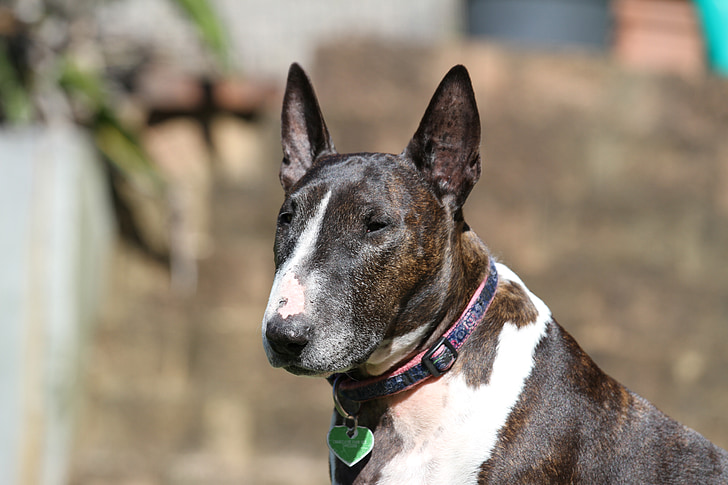
1. Understanding the Bull Terrier Personality
The first key to handling mischievous behavior is understanding what’s normal and what isn’t.
High Energy and Play Drive
English Bull Terriers are naturally energetic dogs that thrive on activity and engagement. Without adequate physical and mental exercise, they can become bored and start displaying unwanted behaviors like chewing, digging, jumping and relentless play. BreedScout
“Bull Terriers are highly energetic and require plenty of exercise and mental stimulation… often getting into trouble if not properly supervised.” — Bull Terrier Obedience Training: Tips and Techniques Animal Lovers
Independent Thinkers with a Sense of Humor
Unlike some breeds that may follow commands instinctively, Bull Terriers have a strong independent streak. They are known to think for themselves, assess situations and sometimes negotiate rather than obey. Working Bull Terriers Kennel
This intelligence makes them fun to be around — but also easy to accidentally reinforce the wrong behavior if you laugh or react when they act up.
Not Naturally Aggressive… But Stubborn
Although many people assume “tough dog = aggressive”, English Bull Terriers are not inherently aggressive. Their behavior issues often stem from boredom, lack of structure, inconsistent training or insufficient exercise, not from a desire to be badly behaved. DoggyZine.com
They thrive on interaction and quickly form strong bonds with their owners — but they require leadership and consistency to avoid pushing boundaries excessively.
2. Why Bull Terriers Get Mischievous
Mischievous behavior isn’t random — it usually has a cause or unmet need. Here are the main triggers:
A. Not Enough Exercise
Bull Terriers are athletic dogs that burn energy quickly. A short stroll around the block won’t usually meet their needs. They require both physical exertion and mental stimulation daily. BreedScout
Without sufficient activity, dogs can develop destructive habits — chewing furniture, digging holes, barking and even hyper fixation on inappropriate objects.
B. Boredom and Lack of Mental Stimulation
Physical exercise is only part of the equation. Bull Terriers are curious and intelligent — leaving them without mental challenges often leads to unwanted play or exploration behaviors. Let\’s Learn Slang
Puzzle toys, training games, scent challenges and obedience exercises give them something to think about when you’re not actively playing with them.
C. Inconsistent Training and Rules
One of the biggest mistakes owners make is inconsistency. If your Bull Terrier gets a treat sometimes when they jump or bark, then don’t get a treat other times — they can become confused. Bull Terrier World
Dogs thrive on rhythm and predictability. If rules change daily, mischievousness skyrockets as they test boundaries and learn you are unreliable.
D. Not Enough Socialisation
Bull Terriers benefit hugely from early and ongoing socialisation with people, other dogs and different environments. Without it, they may become over‑excited or uncertain, which can look like “mischievous” behaviour. Let\’s Learn Slang
3. Setting the Stage: Preparing Your Home & Routine
Before diving into training techniques, set up a foundation that minimises mischief before it starts.
A. Create a Predictable Routine
Dogs thrive on routine — feeding, walks, play, training and rest should happen around similar times daily. A structured environment makes your Bull Terrier feel secure and reduces anxiety‑related mischief. Let\’s Learn Slang
Sample daily structure:
-
Morning walk + playtime
-
Mid‑day puzzle toy
-
Afternoon training session
-
Evening walk
-
Calm evening and cuddle time
Pro tip: use a calendar or timer to stay consistent.
B. Bull‑Proof Your Home
Even the best‑trained Bull Terrier can get into trouble once they’re bored.
Remove or secure:
-
Shoes and clothing
-
Electrical cords
-
Accessible garbage
-
Kids’ toys or small objects
Provide appropriate alternatives like chew toys, long‑lasting treats or Kong puzzles — something your dog can safely interact with when unsupervised.
C. Use Proper Equipment
A quality harness and sturdy leash help with walks, particularly for dogs that like to pull or get overly excited by stimuli outside. A front‑clip harness is often recommended for training control.
Good short‑smelling (no‑pull) harnesses enable you to redirect attention instead of dragging or jerking. This promotes trust and reduces frustration on both sides.
4. Positive Reinforcement: The Most Effective Training Approach
One universal principle for training Bull Terriers is positive reinforcement — rewarding the behavior you want, rather than punishing the behavior you don’t. Pack Love
Why Positive Reinforcement Works
-
Rewards desired behaviour
-
Builds trust between dog and owner
-
Encourages repeat performance
-
Avoids fear or resistance
Avoid harsh punishment or power‑based techniques. Bull Terriers read your energy and do not respond well to harsh correction. Working Bull Terriers Kennel
Instead, use:
-
Treats
-
Praise
-
Play
-
Clicker training (optional)
The key is timing — deliver rewards immediately after a desirable action.
5. Training Basics for a Mischievous Bull Terrier
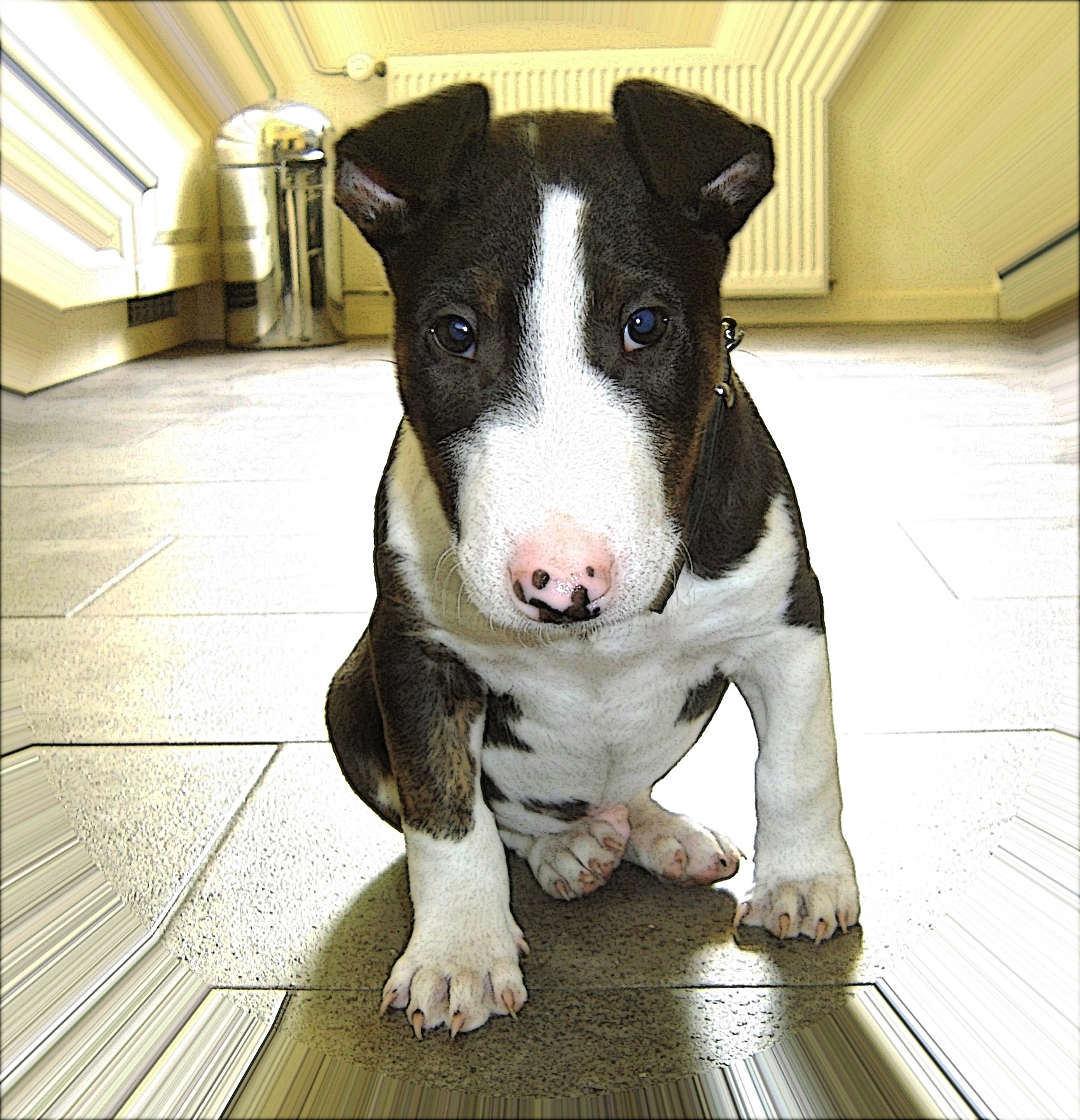
Training should be fun, consistent and short, especially for a breed with a short attention span. Hepper Pet Resources
Here are the foundational lessons to teach early and reinforce daily:
A. Name Recognition & Recall
Teaching your dog to respond to their name lays the groundwork for all other training.
Practice steps:
-
Say their name clearly.
-
When they look at you, reward immediately.
-
Build up to longer distances.
Reliable recall builds trust and safety — especially when they’re tempted by distractions.
B. Sit & Stay
“SIT” is the core control command. From not jumping on guests to waiting at doors, it’s essential. A-Z Animals
-
Start with a treat in your hand.
-
Say “sit” and raise the treat over their head.
-
As they sit, praise and reward.
“STAY” builds impulse control — crucial when your Bull Terrier wants to bolt out the door or grab something forbidden.
C. Leave It & Drop It
To prevent them from chewing inappropriate items or grabbing things on walks, teach:
Leave it: means “ignore it”.
Drop it: means “give it up”.
Always reward quickly so they associate letting go with positive outcomes.
D. Loose Leash Walking
Mischievous behavior often spikes on walks when dogs pull toward a distraction.
Teach them to walk calmly beside you. Use treats to reward them for moving with you instead of ahead of you.
E. Crate & Place
Crates aren’t punishment — they’re safe spaces. A “place” command means they go to a mat and relax. This builds self‑control and can reduce excitement bursts.
6. Exercise & Activity: Burn the Energy Positively
Energy = mental clarity. A well‑exercised Bull Terrier is noticeably calmer and easier to manage.
Daily Physical Exercise
Aim for at least 1 hour of vigorous exercise per day. justhappylivin.com
Good options include:
-
Long walks or jogs
-
Games of fetch
-
Tug‑of‑war
-
Structured run/play sessions
Consistency prevents boredom and reduces destructive mischief.
Mental Stimulation
Mental workouts are just as important as physical ones. Let\’s Learn Slang
Try:
-
Puzzle toys
-
Treat‑hiding games
-
Obedience drills
-
Scent tracking
Bull Terriers are intelligent — they enjoy activities where thinking earns rewards.
7. Socialisation: Building a Balanced Dog
Proper socialisation is key to preventing over‑excited greetings, fear reactions, or dominance displays. Let\’s Learn Slang
Start early:
-
Introduce your Bull Terrier to new environments
-
Meet different people
-
Interact with other dogs
Positive exposure reduces anxiety and builds confidence — making them better behaved in the real world.
8. Handling Specific Mischievous Behaviors
Let’s break down common seasonal or situational mischief and how to fix it:
A. Chewing and Destructive Play
Caused by excess energy or boredom.
Solutions:
-
Provide durable chew toys
-
Rotate toys so they remain interesting
-
Increase exercise
-
Offer puzzle games
Bull Terriers that chew furniture are usually telling you: I need more to do!
B. Jumping on Guests
Bull Terriers love people — and eager greetings can be overwhelming.
Fix:
-
Teach “four feet down = attention”
-
Practice with family members
-
Ignore jumping and reward calm behavior
Attention is the reward they want — so withhold it when they jump.
C. Pulling on the Leash
Common on walks when a dog sees something interesting.
Fix:
-
Stop walking until they relax
-
Reward when the leash is loose
-
Turn and walk away if they pull
Consistency is everything here.
D. Barking and Attention‑Seeking Behavior
Not all barking is bad — but uncontrolled barking can be reduced by:
-
Exercise
-
Mental challenges
-
“Quiet” command training
-
Ignoring attention‑seeking bark
9. Avoid These Training Mistakes
Here are things many owners unintentionally do that make mischief worse:
A. Inconsistent Rules
If jumping on you is sometimes rewarded with attention and other times punished — your dog learns nothing reliably. Bull Terrier World
B. Using Punishment Instead of Redirection
Punishment often increases stress and encourages stubborn dogs to shut down or push back. Working Bull Terriers Kennel
C. Not Meeting Exercise Needs
A tired dog is a well‑behaved dog. Lack of exercise often shows up as destructive behavior. BreedScout
10. Working With Professionals
For persistent issues, don’t hesitate to consult a certified dog trainer or behaviour specialist. They can tailor a plan to your dog’s personality and environment.
Professionals can help with:
-
Reactive behavior
-
Anxiety
-
Advanced obedience
-
Multi‑dog household integration
11. The Owner’s Mindset: Patience, Consistency & Fun
Training a Bull Terrier is a journey, not a sprint. Their mischievousness often masks a brilliant, loving companion — but that requires effort.
Think of training as bonding time rather than a chore. Reward both the effort and the outcome.
12. Safety, Health & Responsible Ownership
Finally, keep your Bull Terrier physically and emotionally healthy.
A. Regular Vet Care
Routine check‑ups, dental hygiene, parasite prevention and monitoring for breed‑specific conditions keeps behavior consistent and healthy.
B. Avoid Leaving Them Alone Too Long
Long periods of isolation can cause anxiety and unwanted behavior spikes. Interactive toys and safe confinement help.
Conclusion
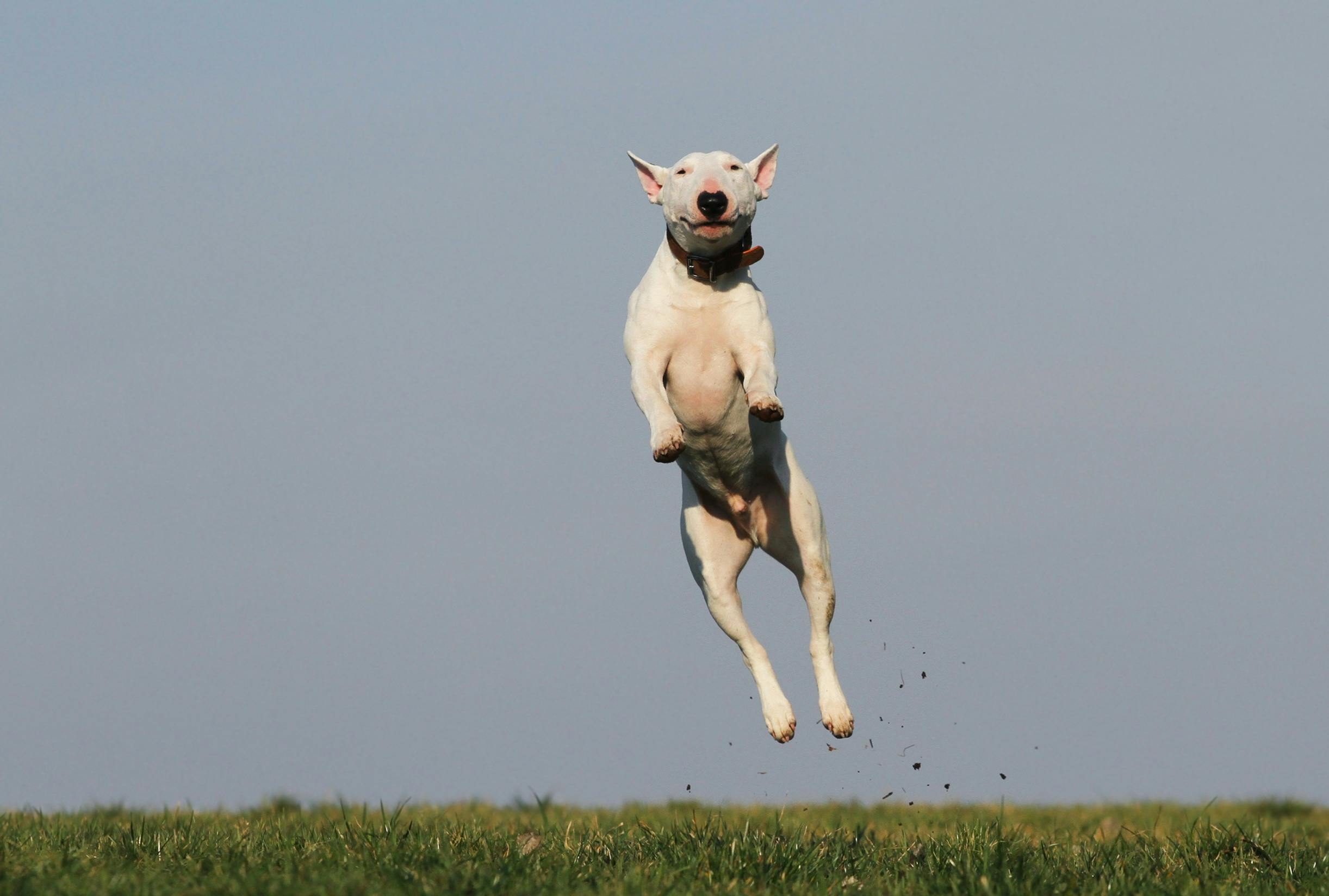
Handling a mischievous English Bull Terrier is challenging but rewarding. With the right mindset, tools, structure, training and exercise routine, your Bull Terrier will grow into a confident, obedient, joyful family member — and their playful antics will entertain rather than frustrate you.
If you give them clear structure, consistent leadership, plenty of exercise and mental challenges, you’ll find they love to please and engage when properly guided.
Learn More
Here are the sources used in this article so you can explore deeper:
📌 Bull Terrier World — training mistakes to avoid — https://bullterrier.world/en‑gb/blogs/all/bull‑terrier‑training‑mistakes‑to‑avoid Bull Terrier World
📌 How to Train a Bull Terrier: Hepper Pet Resources — https://articles.hepper.com/how‑to‑train‑a‑bull‑terrier/ Hepper Pet Resources
📌 Bull Terrier Obedience Training – Curacao Nature — https://curacao‑nature.com/bull‑terrier‑obedience‑training/ Animal Lovers
📌 Living with an English Bull Terrier – Just Happy Livin — https://justhappylivin.com/living‑with‑an‑english‑bull‑terrier‑pros‑and‑cons/ justhappylivin.com
📌 Bull Terrier training tips – Lets Learn Slang — https://letslearnslang.com/11‑tips‑for‑training‑your‑bull‑terrier/ Let\’s Learn Slang
📌 Bull Terrier training tips – PackLove — https://packlove.com/bull‑terrier‑training‑tips/ Pack Love
📌 Bull Terrier breed info – BreedScout — https://www.breedscout.com/breeds/bull‑terrier BreedScout