Choosing the perfect Dachshund puppy is one of the most exciting decisions any future dog owner can make. But it’s also a major responsibility — especially with a breed as distinctive and beloved as the Dachshund. These little dogs are full of personality, loyalty, and charm, but they also come with special needs due to their body type and temperament. A thoughtful selection process sets the foundation for a long, happy life together.
In this guide, we’ll walk through everything you should consider when choosing a Dachshund puppy — from breeder research to health screening, temperament assessment, and lifestyle fit. We also link to trusted information so you can explore the topic further.

1. Why Choosing Carefully Matters
Dachshunds are not just cute — they have specific physical and behavioural traits that influence their care. For example, the breed’s exceptionally long spine and short legs correlate with spinal health concerns such as intervertebral disc disease (IVDD), which affects about 20–25% of dogs in the breed.Wikipedia
Because of these and other breed-specific factors, choosing the right puppy — and doing so responsibly — can make all the difference for your dog’s long-term health and your enjoyment as an owner.
2. Start With Self-Evaluation: Is a Dachshund Right for You?
Before you begin looking at individual puppies, take a moment to assess your lifestyle and expectations.
A. Time and Attention
Dachshunds form strong attachments to families and don’t like being alone for long periods. They also benefit from early socialisation and consistent training, both of which require time and focus.
B. Activity Level
Dachshunds are energetic and curious. While they don’t need extreme exercise, they do enjoy play and short walks — and need mental stimulation to prevent boredom.
C. Space
They can adapt to both apartments and houses, but home safety (e.g., ramps instead of stairs) matters due to their long backs. Being prepared in advance ensures your home is puppy-proofed before your dachshund arrives.
Once you’re sure the breed suits your lifestyle, it’s time to start exploring where and how you’ll get your puppy.
3. Finding a Responsible Breeder
Choosing the right breeder is one of the most important steps. A good breeder provides healthy, well-socialised puppies and supports you throughout the process.
A. Why Reputable Breeders Matter
A responsible breeder:
-
Follows breed health testing practices
-
Raises puppies in a clean, loving environment
-
Socialises them with people and normal daily sounds
-
Provides health records, vaccination history, and pedigree information
An article on choosing puppies emphasises verified health clearances and temperament checks before purchase.newstoday.co.uk
B. Health Testing and Transparency
Ask the breeder about health testing for genetic conditions common in Dachshunds. Ideally, they should be able to provide:
-
Eye exams
-
Patella evaluations
-
Cardiac assessments
-
DNA screening for inherited diseases
The Orthopaedic Foundation for Animals (OFA) and Canine Health Information Center (CHIC) offer standards breeders should adhere to — and buyers are encouraged to ask for certificates. Reddit
C. Red Flags to Avoid
Be cautious if:
-
The breeder refuses to share health testing or parent history
-
Puppies are offered without documented vaccinations or microchips
-
The situation feels rushed or sales-oriented rather than focused on the dogs’ welfare
Choosing a well-bred puppy reduces future health risks and gives you peace of mind.
4. Meet the Parents (If Possible)
Meeting a puppy’s parents lets you see:
-
Adult size and coat type
-
Temperament (calm, friendly, confident)
-
General health and body condition
Good breeders allow this and encourage questions. Observing the parents’ behaviour offers clues about how the pups might develop.
5. Physical Health Checks for Puppies
When evaluating puppies, do more than look at cuteness — check specific physical features that indicate health and vitality.
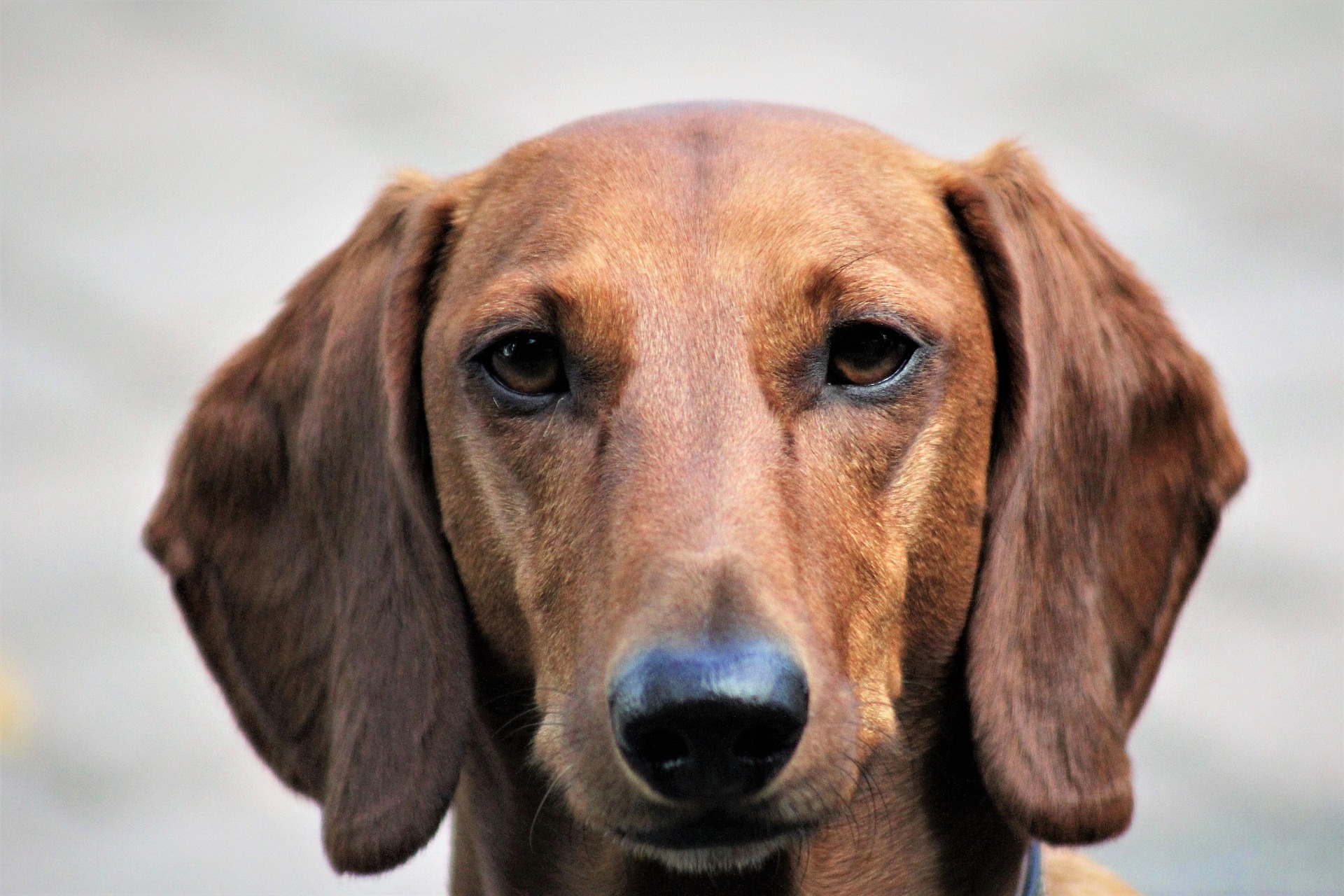
A. Clear Eyes and Nose
Puppies should have:
-
Bright, clear eyes with no discharge
-
A moist nose without crusts or bad odour
These are signs of general health.newstoday.co.uk
B. Ears
Clean ears with no smell or redness are important — Dachshunds are prone to ear issues due to their ear shape.newstoday.co.uk
C. Skin and Coat
Healthy puppies have smooth, shiny coats and soft skin — no bald spots or redness.newstoday.co.uk
D. Body and Movement
Check that puppies:
-
Walk and play comfortably
-
Don’t have a potbelly (which could signal worms)
-
Show lively, engaged behaviour
These cues help you spot health issues early and avoid pups that appear weak or lethargic.newstoday.co.uk
6. Assessing Temperament and Personality
Every puppy’s personality is unique, even within the same litter. You’ll want to observe temperament before making a final choice.
A. Confidence and Curiosity
Look for puppies that:
-
Approach you willingly
-
Show curiosity without fear
-
Are playful and interactive
A puppy overly shy or extremely fearful may develop behavioural challenges later, especially in social situations.newstoday.co.uk
B. Energy Levels
Dachshunds generally enjoy play and exploration, so watch how each puppy engages with toys and littermates. Puppies that are too lethargic or excessively hyperactive might not fit your lifestyle.
C. Interaction With People
Observe how the puppy responds to you:
-
Does it seek attention or hide?
-
Is it comfortable being held?
-
Does it show any signs of distress?
Balanced puppies are confident without being aggressive and enjoy both play and calm contact.newstoday.co.uk
7. Matching Puppy Size and Coat Type to Your Lifestyle
Dachshunds come in various sizes and coat types. Consider which fits your lifestyle best.
A. Size Categories
-
Standard Dachshunds — typically larger and may have slightly more stamina
-
Miniature Dachshunds — smaller and well-suited for urban environments
Think about your space, activity levels, and preferences when choosing between sizes.
B. Coat Types
-
Smooth-haired — low-maintenance grooming
-
Long-haired — requires more brushing
-
Wire-haired — may need hand-stripping or trimming
Your grooming commitment and tolerance for maintenance can guide this choice.lyka.com.au
8. Nutrition and Early Care for Dachshund Puppies
Once you’ve chosen your puppy, providing proper nutrition and early care is crucial. A balanced, age-appropriate diet supports growth, energy, and immune system development.
A. Breed-Specific Puppy Nutrition
Some foods are specially formulated for Dachshund puppies — addressing their bone, joint, and digestive needs. For example, breed-specific formulas like Royal Canin Dachshund Puppy support immune health, digestion, and skeletal growth during the rapid growth phase.zoolandia.com.ua
B. Feeding Schedule
Puppies typically eat three to four meals a day, gradually transitioning to two meals as they mature. Build a consistent feeding routine that matches their age and activity level.PetMD
9. Early Training and Socialisation
Bringing a puppy home is just the start — early training and socialisation help shape a confident, well-adjusted adult.
A. Basic Obedience
Start with simple commands like “sit,” “come,” and crate training. Dachshunds are intelligent but can be independent, so gentle, reward-based training works best.
B. Exposure to Environments
Introduce your puppy to:
-
Different sounds and places
-
New people and gentle pets from other households
-
Car rides and handling (ears, paws, teeth)
Early socialisation reduces fear and helps build confidence.
10. Budgeting and Supplies
Before bringing your puppy home, prepare financially and logistically:
Supplies Checklist
-
Quality food for puppy growth
-
Proper-fitting collar and leash
-
Crate and comfortable bedding
-
Grooming tools
-
Safe toys and chews
-
Initial vet visit and vaccinations
Puppy supplies are an investment in your dog’s comfort and health.
11. Common Mistakes to Avoid
To choose wisely, avoid these pitfalls:
❌ Choosing Based on Appearance Only
Don’t let cuteness blind you to health, temperament, and breeder reputation.
❌ Skipping Health Questions
Ask about parent health and genetic testing — this is especially important with Dachshunds.Reddit
❌ Getting Emotional Before Evaluation
Evaluate behaviour and health objectively rather than choosing the first puppy that seems “cute.”
12. Final Tips for Making the Right Choice
-
Visit puppies more than once if you’re unsure.
-
Interact with littermates to understand the range of personalities.
-
Ask breeders about early socialisation practices.newstoday.co.uk
-
Trust your instincts — you may feel a connection to a particular puppy, and that bond matters.
A thoughtful approach to choosing a Dachshund puppy helps ensure you find a healthy, happy companion who fits your life and personality.
13. Living With a Dachshund Long-Term
Remember, choosing a puppy is just the first step — lifelong care includes:
-
Regular vet visits
-
Weight and spinal health monitoring (due to IVDD risk)
-
Proper diet and exercise
-
Continued training and enrichment
Dachshunds are devoted companions who give plenty of love in return, especially when matched well to their family.
Sources You Can Explore
📌 Choosing the Right Dachshund Puppy — Key Characteristics to Look For — guidance on health and temperament checks. newstoday.co.uk
📌 Royal Canin Dachshund Puppy Nutrition — breed-specific puppy diet support. zoolandia.com.ua
📌 Dachshund Breed Health and Care — broad care and nutrition insights. PetMD
📌 Dachshund Grooming & Breed Tips — coat and exercise considerations. lyka.com.au
📌 Purina Puppy Buying Guide — advice on selecting puppies and breeders. purina.ua