Dachshunds — lovingly nicknamed wiener dogs, sausage dogs or doxies — are instantly recognisable for their long backs and short legs. Beyond their distinctive physique and spirited personality, dachshunds have also made a huge cultural impact over the decades. From art and film to internet meme fame, these little dogs have captured hearts, inspired creativity, and become symbols of loyalty, resilience, and playful charm.
This article explores dozens of famous dachshunds in history and pop culture, the real stories behind them, and why this beloved breed continues to stand out.
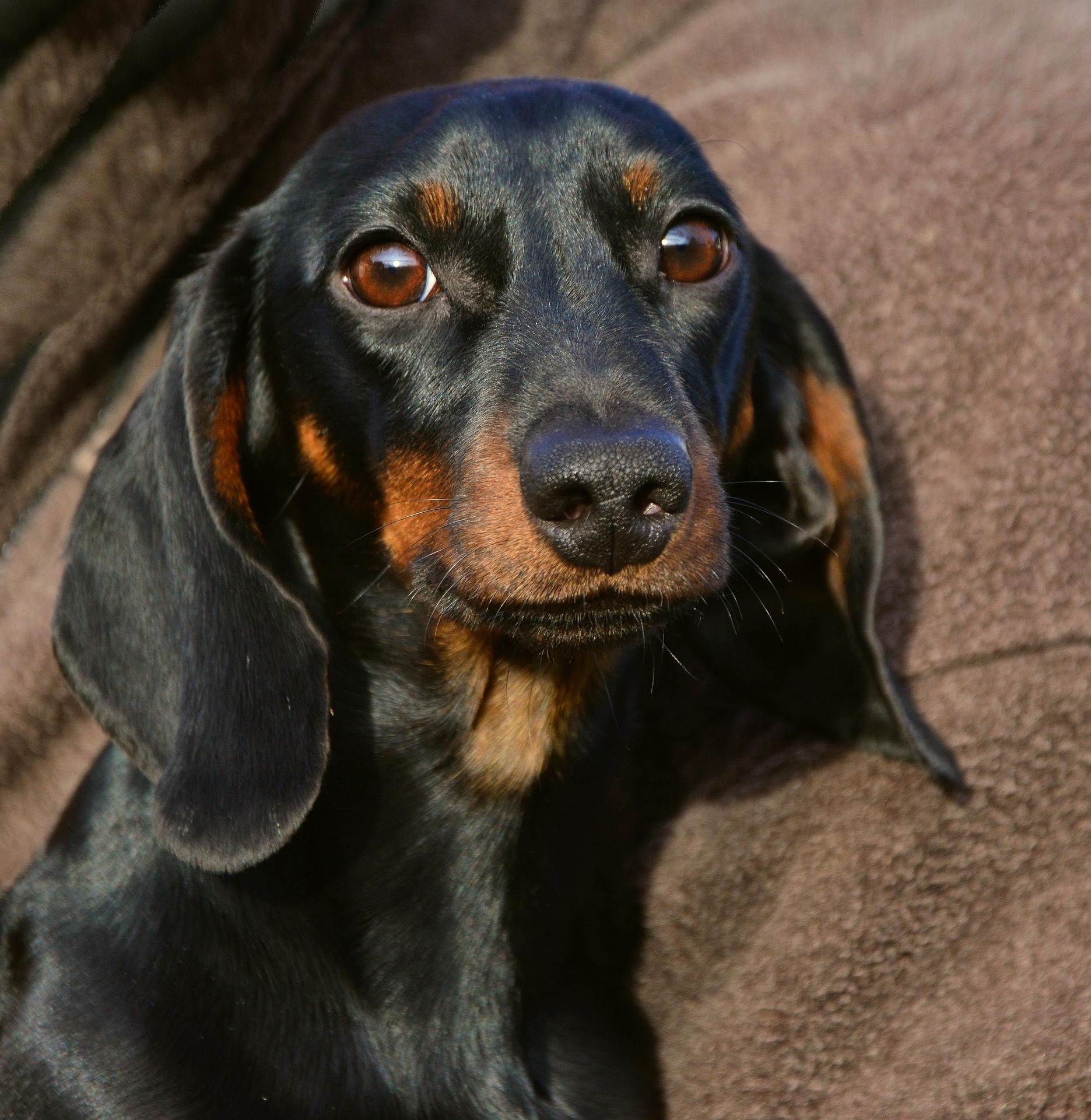
1. Dachshunds as Cultural Icons: A Brief Introduction
Dachshunds were originally bred in Germany over 300 years ago to hunt badgers and burrowing animals — a role that shaped not just their body but their bold, curious temperament. People.com
Over time, dachshunds transitioned from skilled working dogs to popular pets and cultural symbols, appearing in art, literature, advertising, and social media. Their unique appearance makes them unforgettable — a quality brands and storytellers have repeatedly tapped into. My Puppy
2. Famous Dachshunds in History
Waldi — The Original Olympic Mascot
One of the most iconic pop culture representations of a dachshund is Waldi, the official mascot of the 1972 Munich Summer Olympics. Waldi was not just a cute design — he was intentionally chosen to embody the Olympic ideals of endurance, tenacity, and agility, qualities often associated with both athletes and dachshunds alike. Waldi was featured on promotional items, posters, and merchandise and became one of the most recognisable Olympic mascots in history. dachshundloversshop.com
3. Famous Real‑Life Dachshund Companions
Archie — Pop Artist Andy Warhol’s Beloved Dachshund
Archie (also called Archie Bunker) was the dachshund companion of renowned pop artist Andy Warhol and interior designer Jed Johnson. Acquired in 1972, Archie was more than a family pet — he frequently appeared with Warhol at public events, dinners, and even in his artwork. Wikipedia
Warhol, known for blurring the lines between art and everyday life, often included Archie in photographs and pieces that explored celebrity, personality, and modern culture. Through him, dachshunds became part of the vibrant pop art scene of the 1970s.
Lump — Picasso’s Canine Muse
Another celebrated dachshund was Lump (1956–1973), who belonged to American photographer David Douglas Duncan and lived with Pablo Picasso for six years. Wikipedia
Lump wasn’t just a casual pet — he became directly involved in Picasso’s work. The artist included him in several artworks, and he even appears in some of Picasso’s reinterpretations of Las Meninas. These pieces, exhibited internationally, helped cement the cultural cross‑over between fine art and canine companionship. Wikipedia
Duncan’s book, Picasso & Lump: A Dachshund’s Odyssey, further immortalised Lump’s life with the artist.
Dachshunds in the Circles of Artists and Aristocrats
Dachshunds have a long tradition of being owned by influential cultural figures. Artists like David Hockney frequently featured their dachshunds — Stanley and Boodgie — in their art, showing the breed’s place within the creative class. My Puppy
Likewise, early Hollywood and aristocracy embraced dachshunds, helping boost the breed’s image as both a working dog and companion dog favored by the elite. Patti’s Dachshund Farm
4. Dachshunds in Film and Television
Dachshunds have made numerous memorable appearances in movies, often playing roles that highlight their charm, humour, or distinctive appearance.
Slinky Dog — Toy Story (1995‑present)
One of the most beloved dachshunds in pop culture is Slinky Dog from Pixar’s Toy Story franchise. Voiced originally by Jim Varney and later by Blake Clark, Slinky is a toy dachshund with a slinky body, endlessly loyal to his owner Andy and the other toys. Slinky’s friendly personality and emotional arcs throughout the series helped make him a fan favourite. My Puppy
The Ugly Dachshund (1966)
Disney’s family comedy The Ugly Dachshund centres around a Great Dane who thinks he’s a dachshund after being raised with them. The movie, though light in plot, showcases the comedic potential of dachshunds and helped introduce the breed to a wider audience in mid‑20th‑century cinema. Wikipedia
Other Film and TV Roles
Dachshunds have appeared in a variety of movies and TV shows, from classic Hollywood films to modern family comedies. In Lady and the Tramp (1955), a dachshund character appears in memorable scenes that contribute to the film’s romantic ambiance. My Puppy
On television, recurring dachshund characters have delighted audiences in vintage sitcoms like The Odd Couple, where the breed’s quirky charm added a layer of comic relief. henbari.in
5. Advertising and Marketing Icons

Dachshunds have also been significant in advertising due to their distinctive shape and personality.
Olympic Merchandise — Waldi’s Legacy
As mentioned, Waldi’s colorful design from the 1972 Olympics wasn’t just a symbol — it became a major marketing asset, with millions of pieces of merchandise sold worldwide by the 1980s. My Puppy
Fast Food Memes and Mascots
Certain dachshunds made a splash in commercial advertising too. For example, the “Yo Quiero Taco Bell” campaign featured Gidget, a charismatic (though fictional) talking dog who became instantly recognisable with audiences in the 1990s — often depicted as a chihuahua mix but reflecting how small, expressive breeds like dachshunds and their kin became symbols of fun, youth, and snack culture. Dachshund Facts
6. Internet Sensations and Modern ‘Dachfluencers’
In the age of social media, dachshunds have thrived as content stars.
Crusoe the Celebrity Dachshund
Before TikTok made dog influencers commonplace, Crusoe the Celebrity Dachshund set the standard. Crusoe gained fame through elaborate costumes, humorous video sketches, and a charming personality that helped attract a global audience on YouTube and Instagram. dachshundloversshop.com
Crusoe’s popularity extended beyond entertainment — his documented recovery from spinal surgery raised awareness about intervertebral disc disease (IVDD), a health concern common in dachshunds. dachshundloversshop.com
Whitney Chewston — Meme Fame
Not all modern dachshund fame comes from official channels. Whitney Chewston, a miniature dachshund from Arizona, became a viral internet meme — dubbed the “homophobic dog” meme — after a humorous captioned image spread widely online. Although the meme’s editing spurred controversy and debate about meme culture, it shows how easily a dachshund’s expressive face can become a viral symbol. Wikipedia
Social Media Stars and Influencers
Beyond Crusoe and Whitney, many dachshunds have amassed tens of thousands of followers on platforms like Instagram and TikTok. Their owners often share lifestyle content, fashion shoots, and humorous day‑in‑the‑life videos that highlight the breed’s unique personality and adaptability.
These dachshund “influencers,” sometimes called dachfluencers, have helped push the breed into the cultural spotlight, even contributing to increased breed popularity in urban areas. Business Insider
7. Dachshunds in Art and Literature
Dachshunds have inspired artists for generations, appearing in multiple styles and mediums.
Dachshunds in Fine Art
French painter Pierre Bonnard often included his dachshund Pouce in his paintings, capturing intimate moments that reflect the dog’s place in everyday life and aesthetics. DailyArt Magazine
Similarly, German painter Adolf Eberle is known for his expressive works featuring dachshunds, showcasing the breed’s alert, lively presence in domestic scenes. DailyArt Magazine
8. Dachshunds and Royalty / Celebrity Owners
Throughout history, prominent figures have chosen dachshunds as companions:
-
Queen Victoria reportedly kept dachshunds, contributing to the breed’s popularity in England. Deutsche Welle
-
Early Hollywood actresses such as Doris Day, Joan Crawford, and Elizabeth Taylor were known to own dachshunds. Patti’s Dachshund Farm
-
Writers, painters, and public figures often featured their dachshunds in their personal and creative lives. My Puppy
This pattern shows the breed’s enduring appeal across social circles and historical eras.
9. Dachshund Tributes and Cultural Events
Museums and Parades
-
The Regensburg Dackelmuseum in Germany houses over 4,500 dachshund‑themed items and reflects the breed’s deep cultural connection to its homeland. People.com
-
In 2024, Regensburg hosted the largest dachshund parade ever recorded, with at least 897 dachshunds marching through the city — recognised by the Guinness World Records. People.com
Such events celebrate community and dog culture, showing dachshunds as more than pets — they’re cultural ambassadors.
10. Why Dachshunds Have Lasting Cultural Appeal
There are several reasons dachshunds continue to hold a special place in history and pop culture:
-
Their distinctive shape and silhouette make them immediately recognisable. My Puppy
-
Their spirited personality — curious, brave, and playful — lends itself well to creative depictions. Dachshund Facts
-
Their adaptability across media — from serious art to internet memes — keeps them relevant. dachshundloversshop.com
-
Their emotional bond with humans inspires affection and storytelling across generations. Patti’s Dachshund Farm
Whether appearing in a Picasso painting or a viral social media post, dachshunds embody a range of human‑dog relationships — from loyal companions to cultural icons.
11. Conclusion — A Breed That Captures Imagination
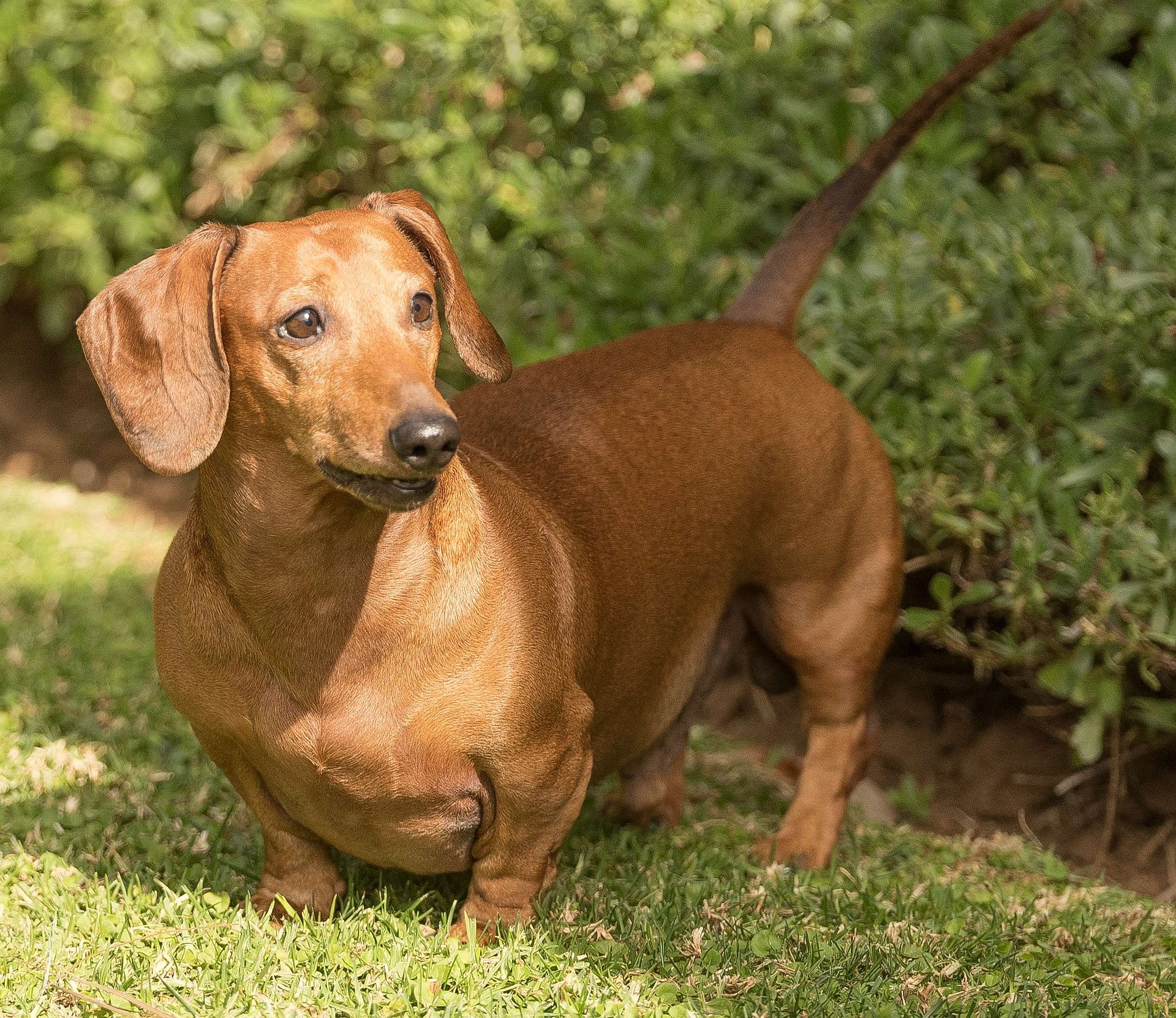
From historical companions of artists and royalty to beloved movie characters and internet sensations, dachshunds have made a remarkable impact on culture worldwide. Their charm, versatility, and distinctive appearance have made them beloved not just as pets, but as symbols in art, media, and society.
Whether you’re a long‑time dachshund enthusiast or discovering the breed’s cultural footprint for the first time, these stories illustrate how dachshunds have shaped and enriched human creativity and connection across centuries.
Sources You Can Explore
🔗 Dachshunds in Pop Culture — cultural history and media appearances. My Puppy
🔗 Archie (dog) — Andy Warhol’s dachshund companion. Wikipedia
🔗 Lump (dog) — Picasso’s dachshund muse. Wikipedia
🔗 Famous Dachshunds Around the World — cultural icons and mascots. dachshundloversshop.com
🔗 Whitney Chewston — internet meme dachshund. Wikipedia
🔗 Dachshund Museum & Parades — cultural celebrations. People.com
🔗 Dachshunds in Art — fine art depictions. DailyArt Magazine
FAQs
Dachshunds have waddled their way into the hearts of millions around the globe—not just as beloved pets, but as iconic figures in history, art, politics, movies, advertising, and internet culture. Their distinct silhouette, expressive faces, bold personalities, and undeniable charm have made them a favorite subject of storytellers and creatives for centuries. To help readers explore the fascinating world of famous Dachshunds, here is a thorough FAQ covering the history, myths, legends, and pop-culture moments that celebrate the breed.
1. Why Have Dachshunds Become So Popular in History and Pop Culture?
Dachshunds’ rise to global fame can be attributed to several factors:
-
Unique Appearance: Their long body and short legs make them instantly recognizable—even in silhouette.
-
Expressive Personality: They are brave, stubborn, affectionate, and entertaining, making them memorable characters.
-
Historical Presence: They’ve been companions of royalty, artists, musicians, and politicians.
-
Symbolic Power: Their shape has become a cultural symbol—often humorous, sometimes elegant, always iconic.
-
Media-Friendly: Dachshunds photograph well, act well, and offer a quirky contrast to more “standard” dog breeds.
Their blend of charm, wit, determination, and cartoon-worthy proportions makes them ideal for stories, films, advertisements, and celebrity lifestyles.
2. Which Historical Figures Owned Famous Dachshunds?
Many influential people throughout history owned and adored Dachshunds. Their companionship helped shape how the breed was perceived globally.
1. Queen Victoria
One of the most important breed influencers. Queen Victoria adored Dachshunds, which helped popularize them in England. Her Dachshunds, including “Dash” and “Boy,” contributed to their rise as fashionable pets among aristocrats.
2. Pablo Picasso
The legendary artist owned a Dachshund named “Lump,” who became famous in his own right. Lump appears in multiple photographs and even influenced Picasso’s artwork.
3. Kaiser Wilhelm II
The German emperor owned Dachshunds that became national symbols. One of them, “Erdmann,” was so famous that newspapers reported on his daily life.
4. Andy Warhol
The pop-art mastermind had two Dachshunds—“Amos” and “Archie.” Archie even accompanied him to interviews and became a fixture of New York’s art scene.
5. John F. Kennedy
While in Germany, JFK received a Dachshund puppy as a gift. Although he could not bring the dog back to the U.S., the story is widely recorded.
6. Elizabeth Taylor
The Hollywood icon owned small dogs throughout her life, including Dachshunds, which she often kept as beloved household companions.
7. Winston Churchill (myth vs fact)
It is often rumored that Churchill owned Dachshunds, but reliable sources suggest he did not. However, the myth became so widespread that it remains part of Dachshund folklore.
These figures elevated the breed’s visibility and made Dachshunds stylish companions for the elite, artists, and leaders.
3. Who Was Lump, and Why Is He One of the Most Famous Dachshunds Ever?
“Lump” (pronounced “Loomp”) is often considered the most famous Dachshund in art history.
Key facts about Lump:
-
Lump belonged to photographer David Douglas Duncan.
-
Lump met Picasso in 1957 and instantly bonded with him.
-
Picasso and Lump became inseparable—Lump lived with Picasso for six years.
-
Picasso included Lump in many works, most notably his interpretations of Velázquez’s “Las Meninas.”
-
Lump often stole food from Picasso’s larger dog, a Great Dane, showing classic Dachshund bravery.
Lump represents the artistic spirit of Dachshunds: curious, bold, and full of character.
4. Did Walt Disney Own a Dachshund?
Yes, Walt Disney owned a Dachshund named “Waldo.”
Disney loved animals deeply, and Waldo was often seen around the Disney studio. Some historians believe Waldo inspired certain animated dog characters and contributed to Disney’s overall appreciation of expressive animal behaviors.
5. Are Dachshunds Common in Movies and TV Shows?
Absolutely. Their distinct look and comedic timing make them popular filming companions. Some notable examples include:
1. The Ugly Dachshund (1966)
A Disney comedy where a Great Dane raised among Dachshunds believes he’s a Dachshund too. The movie boosted the breed’s popularity significantly.
2. Toy Story Series
Slinky Dog (“Slinky”) is one of the most beloved animated Dachshund characters. His stretchy Slinky middle makes him both funny and heroic.
3. Grand Budapest Hotel (2014)
Director Wes Anderson featured a Dachshund named “Son of Nepomuk,” adding quirky charm to the already whimsical movie.
4. Lady and the Tramp (1955)
Although not a main character, a Dachshund named “Dachie” appears among the dogs in the pound scene.
5. The Secret Life of Pets
Buddy, the laid-back, hammock-loving Dachshund, demonstrates the breed’s comedic potential.
6. Mad About You (TV Show)
A real-life Dachshund named Murray became a fan favorite character in the popular sitcom.
These roles helped shape public perception of Dachshunds as witty, resourceful, comedic, and lovable.
6. Why Are Dachshunds Featured So Often in Cartoons and Artwork?
Dachshunds naturally lend themselves to visual storytelling because:
-
Their silhouette is instantly recognizable
-
Their expressions are dramatic and comedic
-
Their proportions offer exaggerated comic potential
-
Artists enjoy their dynamic poses, floppy ears, and curious stare
-
They have a strong personality that shines through animation and art
Popular cartoon Dachshunds include:
-
Slinky Dog (Toy Story)
-
Mr. Weenie (Open Season)
-
The “Wiener Dog” from classic holiday cartoons
Their cartoon fame only reinforces their status as pop-culture icons.
7. Were Dachshunds Ever Used in Advertising Campaigns?
Yes—Dachshunds have starred in several memorable advertisements.
Oscar Mayer Wienermobile
Perhaps the most iconic Dachshund-associated symbol. Although the hotdog-shaped car doesn’t feature actual Dachshunds, the association between Dachshunds and “wieners” in pop culture strengthened the dog’s symbolic role in marketing.
Coca-Cola Commercials
Coca-Cola has featured Dachshunds in Christmas ads and feel-good commercials due to their expressive faces and lovable charm.
Insurance, auto, and tech commercials
Many brands use Dachshunds to convey:
-
Whimsy
-
Relatability
-
Loyalty
-
Family-friendliness
They’re photogenic and attention-grabbing, making them powerful marketing tools.
8. Are Dachshunds Associated with Any National or Cultural Symbols?
Yes. Dachshunds have symbolic significance in multiple cultures:
Germany
Dachshunds, known as “Dackel” or “Teckel,” are considered a cultural treasure in Germany. They are associated with:
-
Hunting tradition
-
National pride
-
Festivals and artwork
-
The Oktoberfest “Wiener Dog Races”
Political Symbolism
In World War I and II, Dachshunds were used in propaganda—both positively and negatively—due to their German roots. After the wars, their image was rehabilitated through art, entertainment, and celebrity ownership.
Modern International Symbolism
Dachshunds today symbolize:
-
Courage
-
Playfulness
-
Uniqueness
-
Determination
-
“The underdog” spirit
Their cultural footprint extends far beyond their original purpose.
9. Did Any Dachshunds Become Famous Through the Internet and Social Media?
Yes—several Dachshunds achieved viral fame:
Crusoe the Celebrity Dachshund
-
A global social media star
-
Known for costumes, skits, and adventurous videos
-
Authored books and won awards
-
Millions of followers worldwide
Doxie Din
-
Famous on Instagram
-
Known for adorable outfits and a high-fashion aesthetic
Loulou the Dachshund
-
Known for her gentle personality and baby interactions
-
Viral for videos showing her “helping” with family activities
Mariah Carey’s Dachshunds
-
Her pets, “Mutley” and “Jack,” frequently appear on social media alongside the superstar.
These internet-famous Dachshunds continue the breed’s tradition of charming audiences everywhere.
10. Why Did Dachshunds Become a Symbol of the 1972 Munich Olympics?
At the 1972 Olympics, the official mascot was “Waldi,” a colorful, cartoon-style Dachshund.
Why a Dachshund?
-
The breed originated in Germany, representing national tradition
-
Dachshunds symbolize endurance, determination, and energy
-
Their friendly appearance softened the tone of the Olympics
-
Waldi was designed to appear playful, approachable, and modern
Waldi became one of the most successful Olympic mascots in history.
11. Were Dachshunds Involved in Any Controversial Historical Events?
Yes—particularly around wartime periods.
World War I
Because Dachshunds were associated with Germany, anti-German sentiment spread. Some Dachshunds were mistreated, and their popularity declined.
World War II
The breed’s reputation suffered again temporarily, but this time:
-
Hollywood stars
-
European royalty
-
Artists
-
Public figures
…helped rehabilitate the breed’s image by showcasing them as loving companions rather than symbols of nationalism.
Today, Dachshunds are celebrated worldwide, free from past political associations.
12. Why Do Dachshunds Appear in So Many Holiday Decorations and Gifts?
Dachshunds have become a staple of:
-
Christmas décor
-
Greeting cards
-
Holiday sweaters
-
Gift items
-
Merchandise
Their charm makes them ideal for festive imagery:
-
Long bodies fit comic designs
-
Big eyes create emotional appeal
-
Their silhouette looks humorous in costumes
-
They evoke joy and nostalgia
Dachshund-themed merchandise has exploded in recent years, turning them into a cultural meme.
13. Are There Any Mythical or Legendary Dachshunds?
While not “mythical,” several legendary Dachshund stories circulate:
The Ghost Dachshund of Vienna
A tale about a Dachshund said to haunt an old palace, guarding hidden treasures.
The Loyal Dachshund of Munich
A story about a Dachshund who waited months at a train station for his deceased owner, similar to the legend of Hachiko.
The Dachshund of the Black Forest
Folklore describes a brave little dog who saved a village from dangerous wildlife—likely exaggerated but rooted in their brave hunting heritage.
These stories reflect the cultural affection people have had for Dachshunds for generations.
14. Which Dachshunds Are Known for Military Associations?
Though not military working dogs, Dachshunds have been owned by military leaders.
Kaiser Wilhelm II
His Dachshunds were discussed in newspapers and political satire.
Russian Tsars
Some Russian royalty owned Dachshunds that were included in royal portraits.
Soldiers in WW2
Some American and British soldiers adopted Dachshunds during their time in Europe, bringing them home after the war.
Their role was emotional rather than tactical, but they became powerful symbols of loyalty.
15. How Have Dachshunds Influenced Modern Pop Culture Memes and Internet Humor?
The internet loves Dachshunds because they are:
-
Small but fierce
-
Cute yet dramatic
-
A perfect blend of elegance and comedy
Common internet themes include:
-
“Long dog” memes
-
Wiener dog jokes
-
Dachshund Halloween costumes
-
Reliably funny TikTok audio memes
-
Zoomie videos
-
Distracted Dachshund compilations
Their expressive personalities make them meme gold.
16. Are There Any Children’s Books Featuring Dachshunds?
Yes—many children’s books have Dachshund protagonists, including:
“Pretzel” by Margret & H.A. Rey
Created by the authors of Curious George; Pretzel is a long, proud Dachshund who marries a Dachshund named Greta.
“Dachshund Through the Snow”
A festive book that plays on the famous Christmas song pun.
“A Dachshund’s Wish”
A heartwarming story about a Dachshund dreaming of being tall.
“Hot Dog”
A picture book about a grumpy Dachshund who needs a break from city life.
These books reinforce the Dachshund’s place in literary pop culture.
17. Why Are Dachshunds So Appealing to Artists and Writers?
Dachshunds inspire creativity because:
-
Their shape is visually striking
-
Their faces are expressive
-
Their personalities are dynamic
-
They exhibit both bravery and vulnerability
-
They invite humor, elegance, or sentimentality
Artists like Picasso, Warhol, and modern illustrators often use Dachshunds as muses.
18. Will Dachshunds Continue to Be Pop-Culture Icons in the Future?
Absolutely—Dachshunds have lasting cultural power.
They are consistent in:
✔ Popularity
✔ Social media presence
✔ Representation in art and advertising
✔ Appearances in entertainment
✔ Global recognition
Their visual and emotional appeal ensures they remain icons for generations to come.