English Bull Terriers — sometimes called “Bullies” — are unforgettable dogs. With their distinctive egg‑shaped heads, muscular bodies, and clown‑like personalities, they stand out from the canine crowd. But along with their unique looks and character come many myths and misunderstandings. Some stem from outdated views of the breed’s history, others from stereotypes or misinterpretations of Bull Terrier behavior.
In this comprehensive guide, we’ll unpack the most common myths about English Bull Terriers, present the facts supported by reputable sources, and clarify misunderstandings so you can better appreciate and care for these remarkable dogs.

1. Introduction: Why This Matters
English Bull Terriers are often misunderstood. People unfamiliar with the breed may rely on outdated stereotypes, fear‑based assumptions, or incomplete information online. The consequences of misinformation can range from unfair bias to improper care or missed opportunities for adoption.
This article aims to provide clear, evidence‑based information that is both educational and user‑friendly for a broad audience — from prospective owners to seasoned Bull Terrier lovers.
2. Myth #1: English Bull Terriers Are Naturally Aggressive
The Misconception
One of the most pervasive myths about Bull Terriers is that they are innately aggressive toward people or other animals.
The Fact
English Bull Terriers are not inherently aggressive. While they were originally bred from bulldog and terrier stock — historically linked to blood sports and working tasks — their temperament today has been shaped toward companionship rather than fighting.
According to breed profiles maintained by institutions such as the American Kennel Club (AKC), Bull Terriers are friendly, playful dogs that form strong bonds with their families. They are not naturally aggressive toward humans when properly raised and socialized. https://www.akc.org/dog-breeds/bull-terrier/
Aggression in any dog breed usually stems from a lack of socialization, fear, pain, or improper handling, not from the breed’s genetic makeup.
Expert Insight
The AKC notes that Bull Terriers can do well with families and children when raised and trained properly. They recommend early socialization and consistent positive reinforcement to promote confidence and good behavior. https://www.akc.org/expert-advice/lifestyle/bull-terrier-fun-facts/
3. Myth #2: All Bull Terriers Have Bad Temperaments
The Misconception
Some people believe that Bull Terriers are unpredictable or poorly tempered by nature.
The Fact
In reality, Bull Terriers are known for their loyal, affectionate, and often goofy personalities. Websites dedicated to the breed describe them as clownish, energetic, and thriving on human interaction. https://www.houndsy.com/blogs/modern-tails/understanding-bull-terrier-temperament-a-comprehensive-guide-for-dog-lovers
Their reputation for humorous antics has earned them a reputation as “family entertainers,” not just working dogs.
A well‑bred, well‑raised Bull Terrier can be a gentle, loyal family companion. Like all breeds, individual temperaments vary — but this variation is normal and influenced by upbringing, training, and socialization.
4. Myth #3: Bull Terriers Are Difficult to Train
The Misconception
Bull Terriers are sometimes labeled as “stubborn” or “untrainable.”
The Fact
Bull Terriers are intelligent dogs, but they can appear stubborn if training methods are inappropriate or inconsistent.
The key to training Bull Terriers is positive reinforcement, consistency, and short, engaging sessions. Harsh training methods can backfire, slowing progress or creating fear‑based responses. https://www.petguide.com/breeds/dog/bull-terrier/
Bull Terrier owners often report that these dogs are highly responsive when training is:
-
Fun
-
Predictable
-
Reward‑oriented
-
Clear in expectations
Obedience classes, puzzle toys, and interactive training techniques also help keep Bull Terriers mentally engaged and receptive.
5. Myth #4: English Bull Terriers Are Dangerous With Children

The Misconception
Because of their size and history, some people assume Bull Terriers are unsafe around kids.
The Fact
When properly socialized and supervised, English Bull Terriers can be excellent with children. Many breed organizations and owner groups highlight the affectionate, playful nature of Bull Terriers around kids. https://www.pets4homes.co.uk/pet-advice/10-things-you-need-to-know-about-the-english-bull-terrier-before-you-buy-one.html
However, supervision is crucial with any child‑dog interaction, regardless of breed. Even the most gentle dog can react unexpectedly if startled, mishandled, or overwhelmed.
Tips for Safe Interactions
-
Supervise all interactions between dogs and young children.
-
Teach children respectful handling and boundaries.
-
Provide safe spaces where the dog can retreat if overwhelmed.
6. Myth #5: English Bull Terriers Hate Other Dogs
The Misconception
Bull Terriers are sometimes thought to be hostile toward other dogs, especially of the same sex.
The Fact
Bull Terriers can live peacefully with other dogs, but like many terrier‑type breeds, some individuals may display dog‑to‑dog reactivity, especially toward unfamiliar animals.
The important factors are:
-
Early socialization
-
Structured introductions
-
Ongoing reinforcement of calm behavior around other dogs
According to breeder and breed care guides, a properly socialized Bull Terrier can coexist well with other pets, including dogs, when carefully introduced and consistently managed. https://www.jiyushe.com/bull-terrier/socializing-your-bull-terrier-with-other-dogs-strategies-for-positive-meetups.html
7. Myth #6: Bull Terriers Don’t Need Much Exercise
The Misconception
Some think Bull Terriers are low‑energy or don’t require much exercise because they are stocky and compact.
The Fact
Bull Terriers are energetic, playful, and athletic dogs that need regular physical activity and mental stimulation. Without proper exercise, they can become bored and exhibit destructive behaviors such as chewing, digging, or excessive vocalization.
Breed health guides and care profiles recommend:
-
Daily walks
-
Interactive play
-
Mental enrichment (puzzle toys, obedience games)
-
Opportunities to expend energy safely outdoors
A balanced exercise routine contributes to physical health and emotional well‑being. https://www.pdsa.org.uk/pet-help‑and‑advice/looking‑after‑your‑pet/puppies‑dogs/medium‑dogs/english‑bull‑terrier
8. Myth #7: Bull Terriers Are Not Trainable as Family Pets
The Misconception
Some believe that Bull Terriers are only suitable for experts or specific handlers, not average family homes.
The Fact
While Bull Terriers require commitment, any dedicated owner can successfully raise a well‑adjusted Bull Terrier. Like many intelligent breeds, they excel when training is:
-
Consistent
-
Positive
-
Short and engaging
Proper socialization, obedience training, and respect for the dog’s needs make Bull Terriers thrive in family environments.
Many families successfully integrate Bull Terriers with children, other pets, and busy lifestyles with the right structured routines and guidance. https://www.petguide.com/breeds/dog/bull-terrier/
9. Myth #8: English Bull Terriers Are High‑Maintenance Grooming Dogs
The Misconception
People sometimes think Bull Terriers require extensive grooming due to their muscular build and striking appearance.
The Fact
Bull Terriers have short, smooth coats that are relatively easy to maintain compared to many other breeds. Regular brushing, routine bathing, and nail trimming are generally sufficient to keep them looking and feeling great.
While they do shed, it is usually moderate and manageable with consistent care — no elaborate grooming tools or techniques are necessary. https://www.petmd.com/dog/care/evr_dg_grooming_needs_of_common_breeds
10. Myth #9: Bull Terriers Are “One‑Person” Dogs
The Misconception
Some believe that Bull Terriers bond only with one person and don’t form attachments to multiple family members.
The Fact
English Bull Terriers tend to be social, affectionate dogs that bond with everyone in the household — children, adults, and even visitors when properly introduced and socialized.
Their loyalty often makes them eager participants in family life, not aloof or distant companions. Of course, individual personality differences exist, but many Bull Terriers engage positively with multiple family members.
11. Myth #10: Bull Terriers Are a “Dangerous” Breed by Default
The Misconception
Bull Terriers are sometimes grouped with other “bull‑type” breeds unfairly and labeled as dangerous, aggressive, or unsuitable for families.
The Fact
There is no evidence that Bull Terriers are inherently more dangerous than other breeds. Behavior is shaped by:
-
Genetics
-
Early socialization
-
Training approaches
-
Owner responsibility
-
Environment
Breed‑specific legislation (BSL) and negative stereotypes often target dogs based on appearance rather than behavior. Responsible ownership, proper training, and early socialization are what truly determine a dog’s behavior — not the breed label.
Organizations such as the Kennel Club and American Kennel Club emphasize that individual temperament and raised environment are key predictors of behavior, not breed alone. https://www.akc.org/expert‑advice/lifestyle/breed‑specific‑legislation‑bsls/
12. Practical Tips for Bull Terrier Owners
12.1 Start Early With Socialization
Expose Bull Terrier puppies to different people, sounds, environments, and animals early and positively.
12.2 Use Positive Reinforcement Training
Bull Terriers respond best to encouraging, reward‑based training methods.
12.3 Maintain a Consistent Routine
Regular exercise, mealtimes, and training promote stable behavior.
12.4 Understand Individual Differences
Every dog is an individual — background, upbringing, and temperament all play important roles.
13. Common Bull Terrier Traits Supported by Evidence
| Trait | Fact | Source |
|---|---|---|
| Energy Level | Bull Terriers are energetic and need daily exercise | https://www.pdsa.org.uk |
| Temperament | Not naturally aggressive, affectionate with families | https://www.akc.org |
| Trainability | Intelligent but needs positive reinforcement | https://www.petguide.com |
| Social Behavior | Can integrate well with kids and other pets when socialized | https://www.pets4homes.co.uk |
14. Conclusion: Understanding Beats Stereotype
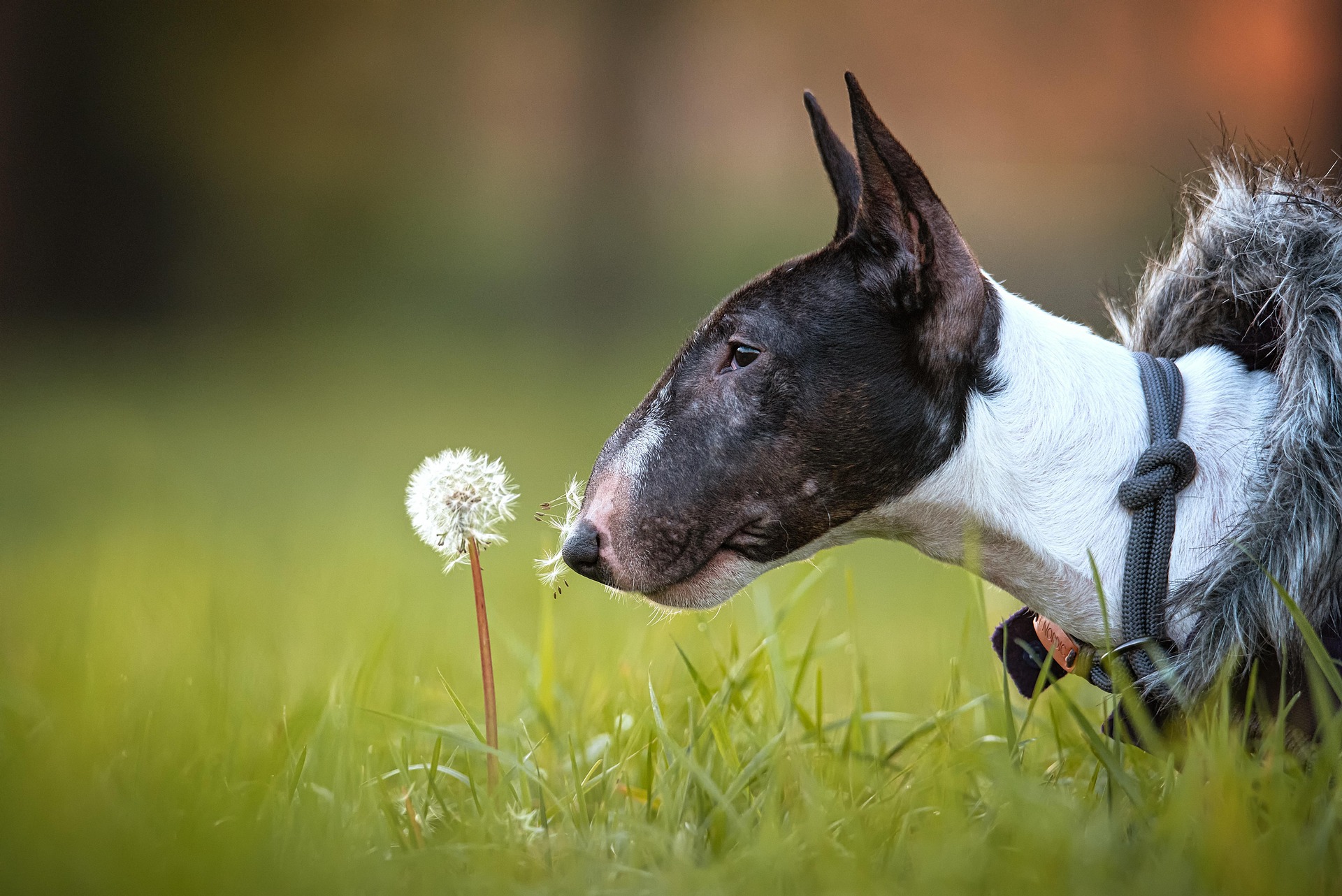
English Bull Terriers are often misunderstood due to outdated views, extreme stories, and superficial judgments. When you dig deeper — using credible sources, expert guidance, and real‑world experience — a clearer, more accurate picture emerges:
✔ Bull Terriers are energetic, loyal companions.
✔ They are not inherently aggressive or dangerous.
✔ Training and socialization matter more than breed labels.
✔ Their unique personality makes them distinct — not difficult by default.
By separating myth from fact, you can appreciate English Bull Terriers for what they truly are: engaging, affectionate dogs with distinct looks and memorable personalities.
Sources & Further Reading
Here are the authoritative links used throughout this article:
-
American Kennel Club — Bull Terrier breed profile and temperament: https://www.akc.org/dog-breeds/bull-terrier/
-
AKC — Bull Terrier fun facts and training guidance: https://www.akc.org/expert-advice/lifestyle/bull-terrier-fun-facts/
-
PDSA — English Bull Terrier care and traits: https://www.pdsa.org.uk/pet-help-and-advice/looking-after-your-pet/puppies-dogs/medium-dogs/english-bull-terrier
-
Pets4Homes — Breed advice and family suitability: https://www.pets4homes.co.uk/pet-advice/is-the-english-bull-terrier-a-good-choice-of-pet.html
-
PetGuide — Bull Terrier breed guide and behavior: https://www.petguide.com/breeds/dog/bull-terrier/
-
JiyuShe — Socializing Bull Terriers with other dogs: https://www.jiyushe.com/bull-terrier/socializing-your-bull-terrier-with-other-dogs-strategies-for-positive-meetups.html
-
AKC — Breed specific legislation educational article: https://www.akc.org/expert-advice/lifestyle/breed-specific-legislation-bsls/