Welcoming an English Bull Terrier into a family with children can be a joyful, loving experience — but it also requires knowledge, preparation, and careful supervision. English Bull Terriers are energetic, loyal, and affectionate dogs with a strong bond to their families, but their strength, high energy levels, and playful nature mean that interactions with kids should always be thoughtfully managed for safety. PDSA+1
In this comprehensive guide, we’ll cover:
-
What Makes English Bull Terriers Special
-
The Breed and Children: Compatibility Overview
-
Safety Risks and Supervision Essentials
-
Teaching Kids How to Interact With Dogs
-
Training Tips to Support Safe Play
-
Socialization Practices From Puppyhood
-
Creating a Safe Environment at Home
-
Playtime Activities for Kids and Bull Terriers
-
Signs of Stress or Unwanted Behavior
-
Handling Missteps and When to Seek Help
-
Conclusion: A Happy, Safe Family Life
Let’s begin.
1. What Makes English Bull Terriers Special
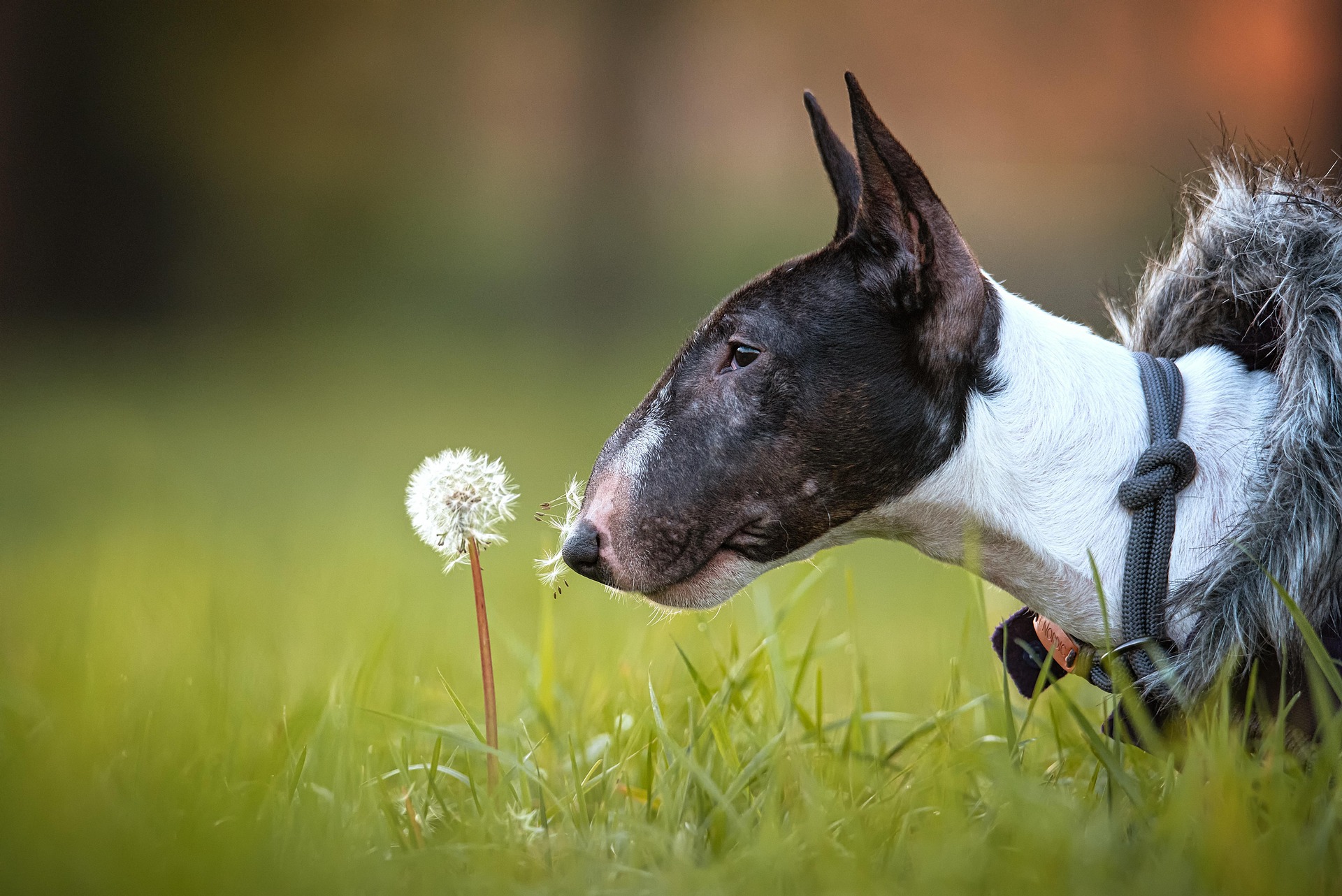
The English Bull Terrier is a medium‑sized, muscular dog known for its distinctive egg‑shaped head and strong body. They are lively, playful, and devoted to human companionship. mypetzilla.co.uk
-
Temperament: Affectionate and loyal
-
Energy Level: High — needs regular exercise
-
Behavioral Traits: Playful, sometimes stubborn
-
Suitability: Best for families with active lifestyles and committed owners
Although Bull Terriers can make excellent family pets when properly raised, they’re not inherently suited for every household. Understanding their traits is the first step in keeping both your children and your dog safe and happy. PetCareShed
2. The Breed and Children: Compatibility Overview
Bull Terriers Can Be Loving Family Dogs
Many sources note that Bull Terriers enjoy human company and often form strong bonds with their families — including children — especially when socialized from a young age. Pets4Homes+1
According to breed profiles:
-
Bull Terriers can be compatible with children, particularly when kids understand boundaries. Pets4Homes
-
They are friendly and affectionate with familiar people, including children in the household. UK Pets
However, not all kids are the same, and Bull Terriers are active dogs with considerable strength. Their enthusiasm can accidentally knock over a small child or become overly rough in play if not guided. PetDT
Boisterous Play With Children
English Bull Terriers have a playful, sometimes boisterous, nature that can be overwhelming for young toddlers or preschoolers who might not instinctively understand canine boundaries. PetsRadar
That’s why:
-
Older children tend to match the play style of Bull Terriers better.
-
Supervised interaction is non‑negotiable — even with calm, well‑trained dogs.
3. Safety Risks and Supervision Essentials
While Bull Terriers are often friendly, several safety considerations make active supervision and training essential:
Supervise Every Interaction
Bull Terriers and children should never be left alone together unsupervised. No matter how gentle a dog seems, accidents can happen. PetsRadar
High Energy and Strength
Bull Terriers can be powerful and excitable, especially in play. This may lead to:
-
Jumping up unexpectedly
-
Play‑nipping that feels rough for small children
-
Accidental knock‑downs due to physical play PetDT
Stress and Overstimulation
When overstimulated — especially during roughhousing — even friendly Bull Terriers can give warning signals or become reactive. Recognising these signs early safeguards both the dog and the child.
4. Teaching Kids How to Interact With Dogs
Kids should learn respectful behaviors around all dogs, including Bull Terriers:
Respect Personal Space
Teach children:
-
Not to approach or touch the dog while eating or resting
-
Not to pull ears, tails, or fur — even playfully
-
To avoid climbing on or hugging the dog roughly
Understanding body language and boundaries reduces risk of conflict.
Use Calm, Gentle Play
Encourage games like:
-
Fetch with toys
-
Hide‑and‑seek with treats
-
Training commands with praise
Avoid games that encourage roughhousing (e.g., wrestling with hands). These can blur boundaries of acceptable dog behavior.
5. Training Tips to Support Safe Play
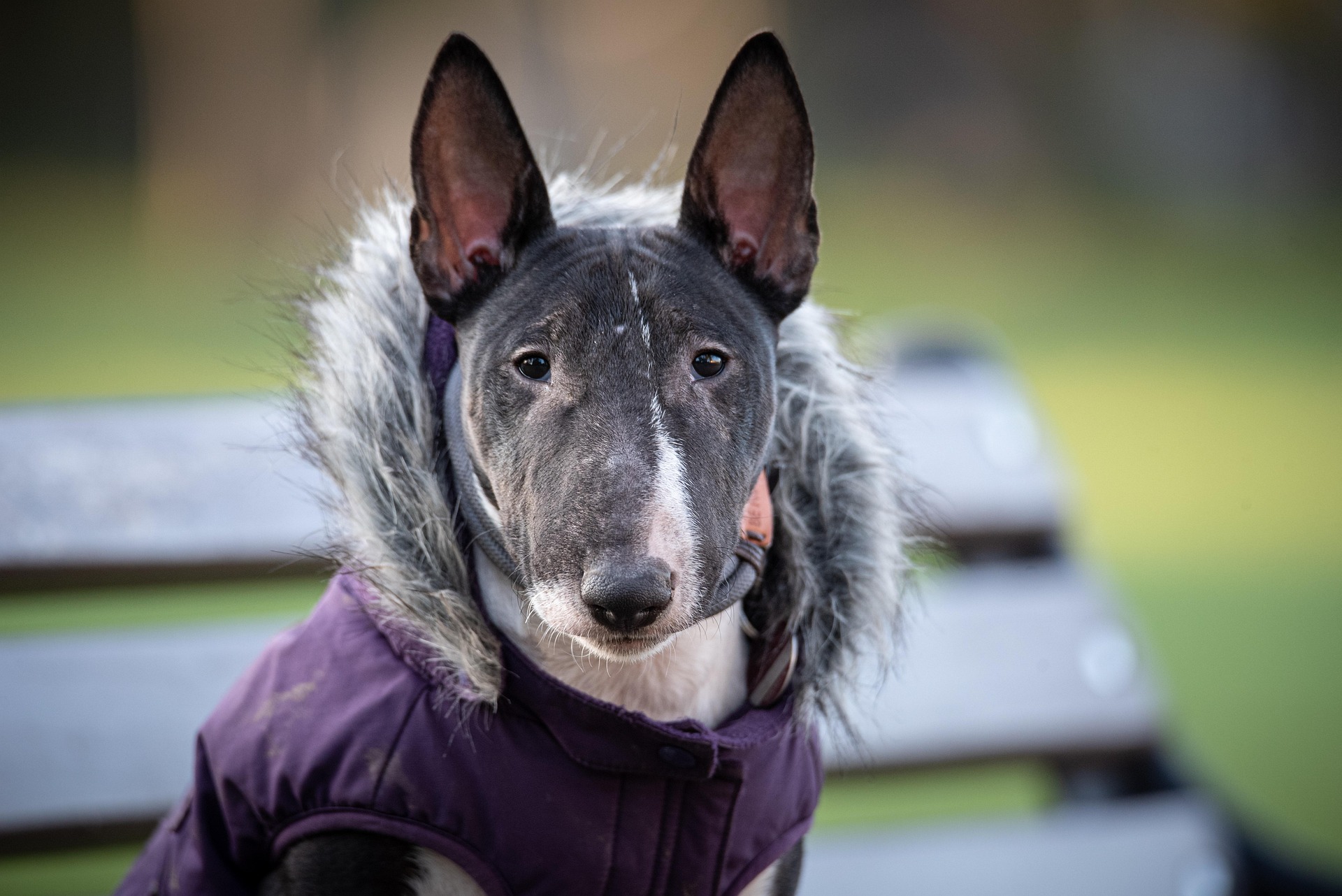
Training benefits both your Bull Terrier and your children. Early and consistent training builds trust, improves obedience, and ensures the dog understands expected behavior — especially around kids.
Start Training Early
Early obedience classes are ideal — especially before household routines and expectations are established.
Use Positive Reinforcement
Bull Terriers respond best to reward‑based training (treats, toys, praise), helping them associate good behavior with positive outcomes. mypetzilla.co.uk
Basic Commands Every Family Should Know
Make sure your dog reliably responds to:
-
“Sit”
-
“Stay”
-
“Leave it”
-
“Come”
-
“Down”
These commands help manage play and ensure safety when children are involved.
6. Socialization Practices From Puppyhood
Proper socialization — introducing a puppy to a variety of people, sights, and experiences — is critical in helping Bull Terriers become well‑rounded family dogs. Pets4Homes
Expose Puppies to Children Early
Careful, controlled introductions to children help the dog learn appropriate behaviors.
Gradual Exposure
Start with calm, supervised sessions between your puppy and child before moving on to more animated play.
Positive Associations
Use praise or treats for calm behavior around children to reinforce good conduct.
7. Creating a Safe Environment at Home
Physical and emotional environment shapes behavior.
Set Up “Safe Zones”
Provide your dog:
-
A comfortable bed or crate
-
A designated quiet space where it can retreat when overstimulated
-
Toys and chews to focus energy positively
Physical Barriers
Baby gates or playpens can help manage mixed play between young children and dogs until both learn mutual respect.
Routine and Structure
Bull Terriers appreciate consistency. Structured play sessions and routines help reduce excess energy and strengthen control.
8. Playtime Activities for Kids and Bull Terriers
Fun doesn’t need to be reckless. Here are safe, supervised activities:
Fetch and Frisbee
Great way to match energy and teach commands.
Puzzle Toys
Encourages the dog to think and reduces boredom.
Family Walks
Walking together fosters bonding and provides physical activity.
9. Signs of Stress or Unwanted Behavior
Even the most gentle Bull Terrier can occasionally show signs that suggest it needs a break:
Signs include:
-
Growling or snarling
-
Tucked tail
-
Attempts to avoid interaction
-
Raised lip or stiff body posture
Teaching children to recognize these signals helps prevent escalation into danger.
10. Handling Missteps and When to Seek Help
No dog is perfect, and missteps can occur. If you notice ongoing worrying behavior:
Seek a Certified Trainer or Behaviorist
A professional can help adjust training plans, especially for handling dog‑child interaction.
Vet Consultation
If a dog shows aggression or anxiety, a vet visit ensures there are no underlying health or fear‑based issues.
11. Conclusion: A Happy, Safe Family Life
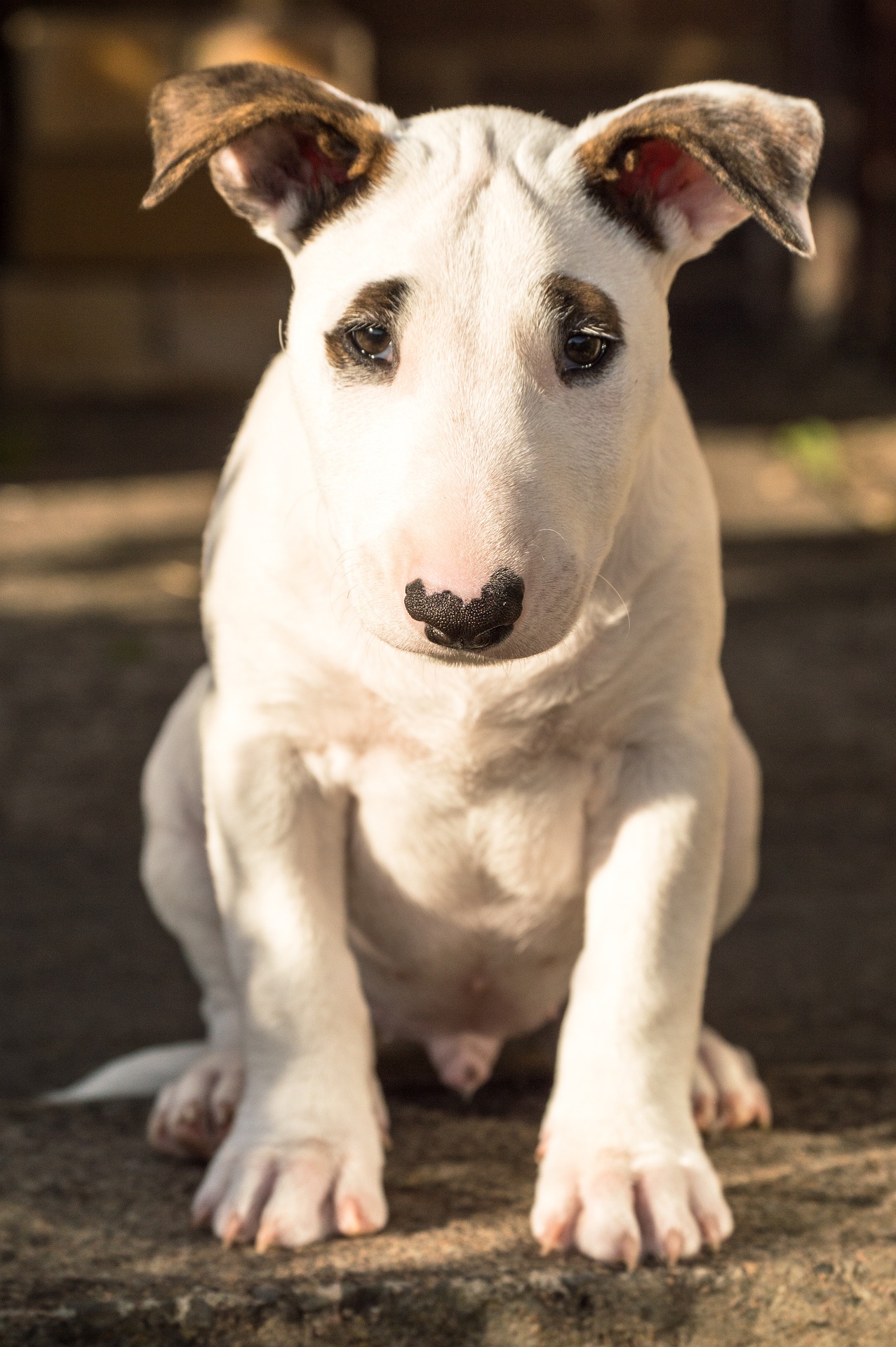
English Bull Terriers can be wonderful companions for families — especially when kids are old enough to play respectfully and adults take the lead in supervision and training. With:
✔ proper socialization
✔ consistent obedience training
✔ structured play
✔ safe home spaces
✔ clear guidance for children
you can nurture a relationship between your Bull Terrier and your kids that is both joyous and safe. PDSA+1
Remember: every family and every dog is unique — what works for one may need adaptation for another. Prioritize communication, respect for boundaries, and positive interactions to cultivate a relationship built on trust and shared fun.
Sources
-
English Bull Terrier breed characteristics & guidance on children: PDSA – English Bull Terrier Care & Temperament PDSA
-
Compatibility with children and supervision recommendations: Pets4Homes – English Bull Terrier Breed Info Pets4Homes
-
Notes on energy, strength, and supervision: PetsRadar – Bull Terrier Profile PetsRadar
-
Breed temperament & guidance with children: PetDT – Bull Terrier Info PetDT
-
Socialization and family behavior overview: UKPets – English Bull Terrier Family Life UK Pets