Bringing an English Bull Terrier into your life — whether as a tiny puppy or a mature dog — can be one of the most rewarding decisions you make. These charismatic dogs, with their distinctive egg‑shaped heads and muscular build, are fun, loyal, and full of personality. Wikipedia
But puppies and adults are very different animals, and understanding those differences can make all the difference in raising a happy, healthy dog — and in building a strong bond with them. In this guide, we’ll explore temperament, training, health care, exercise, socialisation, feeding, behaviour challenges, and cost for both puppies and adult English Bull Terriers.
1. Overview: What Is an English Bull Terrier?
Before comparing life stages, it’s important to understand the breed as a whole.
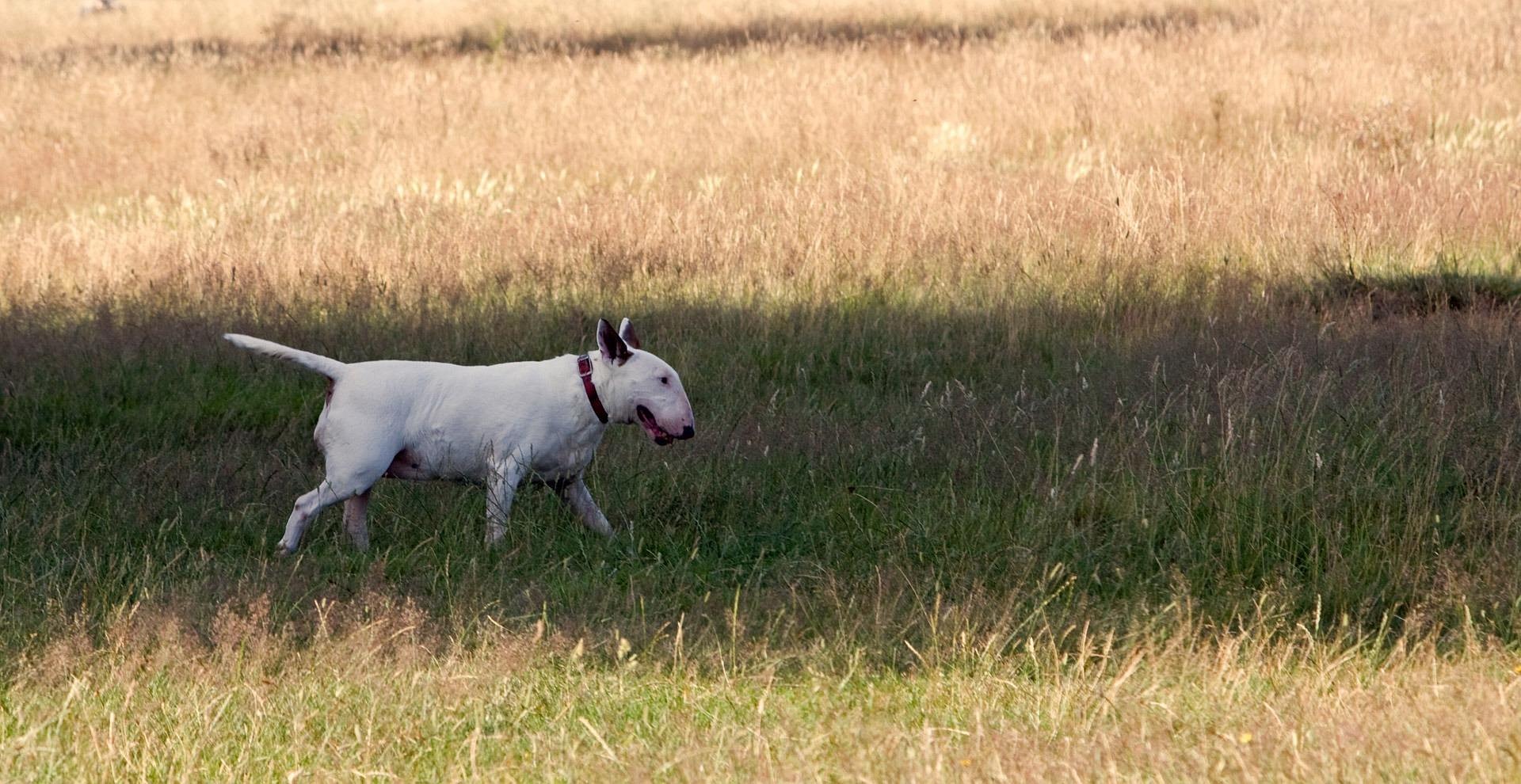
The English Bull Terrier, sometimes simply called a Bull Terrier, is a medium‑sized dog originally bred in England in the mid‑19th century. They are known for:
-
A distinctive egg‑shaped head
-
Small, triangular eyes
-
Strong, muscular bodies
-
Cheerful, playful personalities
Despite their rugged, historic bloodsport origins, modern Bull Terriers are affectionate companions when properly socialised and trained. Wikipedia
2. Personality and Temperament: Puppy vs Adult
2.1 Bull Terrier Puppies
Bull Terrier puppies are energetic bundles of enthusiasm. They’re curious, playful, and often mischievous — exploring the world around them with boundless energy.
Key Traits of Puppies:
-
High curiosity: Puppies use their mouths and bodies to explore, which can lead to biting and chewing.
-
Rapid learning period: Early socialisation and training are crucial in shaping temperament.
-
Short attention spans: Young puppies tire quickly and can’t focus for long training sessions.
-
Playful but impulsive: Repetitive games and lots of interaction help keep their energy channelled.
The first 3–14 weeks of a puppy’s life are especially critical for socialisation and shaping behaviour. Exposing them to different people, environments, and positive experiences during this window helps reduce fear responses and creates confident adult dogs. Pets4Homes
2.2 Adult Bull Terriers
Adult Bull Terriers are calmer (but still energetic), more predictable, and often more focused than puppies. They’ve typically learned basic manners and responses, but may carry over habits if early training was inconsistent.
Adult Dog Traits:
-
Increased focus: Adults can learn more complex behaviours and commands.
-
Lower chewing instincts: While older dogs still play, their biting and teething behaviours diminish.
-
Consistent temperament: Established routines and training show clearer personalities.
-
Stronger social skills: Especially in well‑socialised adults who have been exposed to other dogs and people.
However, behaviour problems that went unaddressed as puppies — such as reactivity or stubbornness — can become more challenging to modify in adults unless consistent training continues. Pets4Homes
3. Training Needs: Puppy vs Adult
Training an English Bull Terrier requires patience, consistency, and tailored approaches for each life stage.
3.1 Puppy Training
Bull Terrier puppies are like sponges: eager to learn but easily distracted.
Best practices include:
-
Short, frequent sessions: 5–10 minutes at a time keeps training engaging.
-
Positive reinforcement: Treats, praise, and play work far better than harsh corrections.
-
Crate training and potty training: Early focus helps reduce accidents and builds structure.
-
Socialisation classes: Interaction with other vaccinated puppies helps develop confidence.
Training from an early age encourages desirable behaviours and creates a strong training foundation that carries into adulthood. Pets4Homes
3.2 Adult Training
Adult Bull Terriers are generally more focused and ready for complex commands — but some challenges differ from puppies:
-
Stubborn streaks: Adults may test boundaries if training wasn’t well‑timed as puppies.
-
Reinforcement history matters: Adults respond best when training builds on previously learned habits.
-
Leadership and consistency: Adults respond quickly when handlers are confident and consistent.
Dogs past puppyhood need regular reinforcement so previously learned behaviours don’t fade over time. Lancaster Puppies
4. Socialisation: Why It Matters at Every Age
Socialisation involves exposing your dog to people, animals, and environments so they grow up confident and well adjusted.
4.1 Socialising Puppies
Introducing your puppy to varied experiences while they’re young is essential:
-
People: Adults, children, and strangers help prevent fear‑based behaviours.
-
Animals: Other dogs and calm pets build positive interactions.
-
Environments: Car rides, parks, and household noises reduce anxiety later in life.
Early socialisation minimizes fear, aggression, and behavioural issues in adults. Pets4Homes
4.2 Socialising Adults
Adults recovered from poor early socialisation may need extra work:
-
Gradual exposure: Start with calm, controlled situations.
-
Positive rewards: Treats and praise build new, positive associations.
-
Professional help: Behaviourists can assist with stronger adult anxieties.
Socialisation is not a “one‑and‑done” activity — ongoing exposure and rewards help keep confidence levels high.
5. Exercise Requirements: Puppy vs Adult Energy
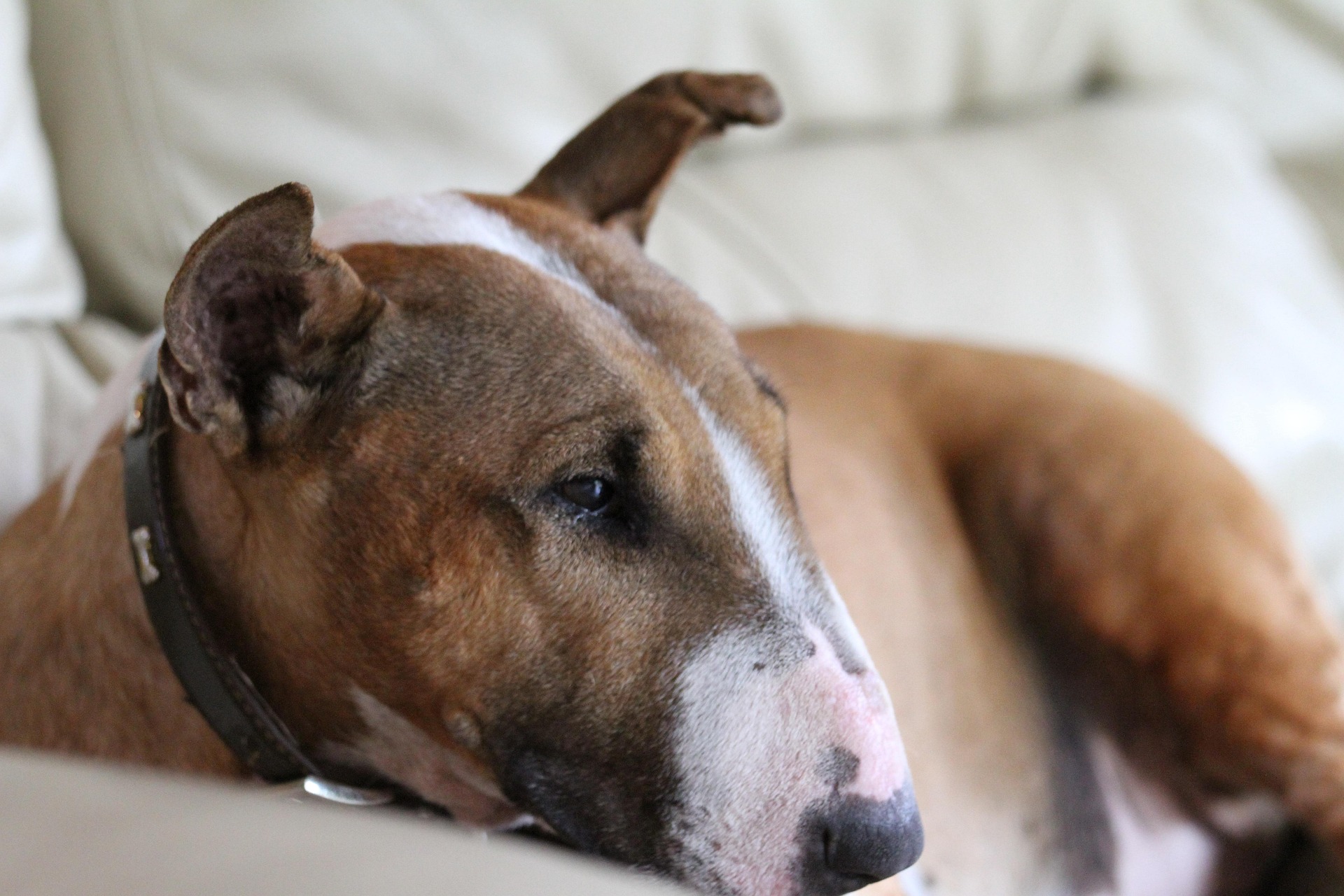
Bull Terriers are active dogs regardless of age, but their exercise needs change as they grow.
5.1 Puppy Exercise
Young puppies need:
-
Short bursts of play: Too much long running before bones mature can cause strain.
-
Supervised outdoor time: Safe environments reduce risk of injury.
-
Controlled activity: Games like fetch in short increments are ideal.
Overexercising a puppy may stress growing joints and muscles, so playtime should be balanced with rest. PDSA
5.2 Adult Exercise
Adult Bull Terriers need regular, moderate activity:
-
At least 1 hour per day of walking and play helps maintain physical health.
-
More vigorous activities like hikes, agility training, or fetch provide excellent outlets for energy.
-
Interactive toys and puzzles challenge their minds as well as bodies. PDSA
Daily exercise helps prevent destructive behaviours that stem from boredom.
6. Grooming and Care: Same Breed, Different Needs
Grooming needs are relatively easy in both puppies and adults thanks to the breed’s short coat. Nahf
6.1 Puppy Care
-
Coat runs easy: Weekly brushing keeps loose fur under control.
-
Accustom early: Handling paws, ears, and teeth from puppyhood helps adult grooming.
-
Baths as needed: Too frequent bathing can dry skin, so stick to occasional cleaning.
6.2 Adult Care
-
Weekly brushing still keeps coats healthy.
-
Ear checks and cleaning can prevent infections.
-
Nail trims every few weeks avoid discomfort.
Grooming offers bonding opportunities that reinforce trust and comfort with handling.
7. Feeding and Nutrition: Growth vs Maintenance
Feeding requirements differ notably between puppies and adults.
7.1 Puppy Nutrition
Puppies grow quickly, and feeding must support bone, muscle, and organ development:
-
High‑quality puppy food: Rich in protein, fat, calcium, and essential nutrients.
-
Frequent meals: Usually 3–4 meals per day to support metabolism.
-
Avoid overfeeding: Excess weight can stress joints.
Nutritional needs change rapidly in the first year; always follow vet guidance for portion sizes. PetCareShed
7.2 Adult Nutrition
Adult dogs typically eat twice a day:
-
Balanced diet: Focus on lean protein and moderate fat.
-
Weight monitoring: Adults may gain weight if activity decreases.
-
Healthy treats: Use sparingly, especially in training contexts.
As dogs age, adjust calories accordingly to prevent obesity.
8. Health Challenges: Puppies vs Adults
Both puppies and adults can experience health issues, but they differ in timing and risk.
8.1 Puppy Health Risks
Bull Terrier puppies may encounter:
-
Congenital deafness — especially in white puppies. Pets4Homes
-
Vaccination schedules — essential to prevent serious infections.
-
Teething discomfort — leads to chewing and biting that requires redirection.
Puppy health screening — including early tests like BAER for hearing — helps owners prepare for potential challenges. Pets4Homes
8.2 Adult Health Considerations
Adults are at risk of:
-
Joint or mobility issues as they age.
-
Skin allergies and sensitivities common to the breed. Pets4Homes
-
Heart or kidney conditions that develop over time.
Regular vet checkups, preventive care, and early detection help ensure long‑term wellness.
9. Behaviour and Training Challenges by Age
Bull Terriers often have quirky, stubborn streaks — and the way these traits show up differs in puppies and adults.
9.1 Puppy Behaviour Challenges
Common puppy behaviours include:
-
Biting and nipping — natural during teething.
-
Short attention spans — making training patience vital.
-
Separation anxiety — can develop without careful habituation.
Most puppy behaviours can be shaped with consistent reinforcement and patience.
9.2 Adult Behaviour Patterns
Adult Bull Terriers may exhibit:
-
Established stubbornness if early training was inconsistent.
-
Territorial behaviors around food or space.
-
Persistent dominant play with other dogs.
Ongoing training and structured routines help reduce unwanted behaviours built up over time.
10. Cost Differences: Puppy vs Adult Ownership

Costs vary depending on the age when you adopt or buy a Bull Terrier.
10.1 Puppy‑Related Costs
Puppy costs often include:
-
Purchase price from breeder
-
Initial vaccinations and preventive treatments
-
Spaying/neutering
-
Puppy training classes
-
Optional insurance
Responsible breeders provide health clearances and early testing, which may increase upfront costs but reduce future risks. Pets4Homes
10.2 Adult Dog Costs
Adult dogs may come from shelters or rescues:
-
Lower purchase cost or adoption fees.
-
Often already vaccinated and spayed/neutered.
-
Might need re‑training if background history is unknown.
-
Veterinary history helps with predictable care plans.
Month‑to‑month care — food, routine vet checks, grooming, and exercise — is similar regardless of age, but initial setup costs tend to be higher for puppies. Lancaster Puppies
Conclusion: Which Is Right for You?
Choosing between a Bull Terrier puppy or an adult dog depends on your lifestyle, experience, time, and patience.
Consider a Puppy If You:
-
Want to be part of shaping the dog’s personality from the start.
-
Are ready to invest time in early socialisation and training.
-
Enjoy hands‑on engagement and growth with your dog.
Consider an Adult If You:
-
Prefer a calmer companion with established habits.
-
May not have time for early puppy care demands.
-
Want a dog with a known temperament and health history.
Both puppies and adults have unique joys and challenges — but with informed preparation, consistent training, loving care, and regular exercise, either life stage can become a fulfilling, lifelong bond.
Sources & Further Reading
-
English Bull Terrier general breed info: Wiki – Bull Terrier Wikipedia
-
Breed temperament, training, and health: Pets4Homes breed guide Pets4Homes
-
Puppy care basics including socialisation: Pets4Homes puppy advice Pets4Homes
-
Comprehensive breed care advice: PDSA pet help PDSA
-
Nutrition across life stages: PetCareShed feeding guide PetCareShed
-
Training and behaviour tips: Lancaster Puppies guide Lancaster Puppies