Dachshunds — also called Doxies, weiner dogs, or badger dogs — are instantly recognisable with their long backs, short legs, and spirited personalities. But like many popular breeds, they’ve attracted many myths and misconceptions over the years. Some of these misunderstandings come from outdated stereotypes, while others are based on partial truths that need clarification.
In this article, we’ll explore the biggest myths about Dachshunds, compare them with scientific facts and expert insights, and help you better understand what this unique breed actually needs and what you might have heard that isn’t quite accurate.

1. Myth — Dachshunds Are Lazy and Don’t Need Much Exercise
MYTH
Some people think Dachshunds are couch potatoes that don’t need much activity because of their small size.
FACT
Dachshunds are quite energetic and need regular exercise to stay healthy and happy. Despite their short legs, they were originally bred to pursue badgers and other burrowing animals — a physically demanding task that required endurance and strength. American Kennel Club
In fact:
✔ Daily walks and play help keep their muscles strong
✔ Regular movement helps protect their backs
✔ Moderate exercise prevents obesity, a common risk for the breed
Keeping Dachshunds active also taps into their natural instincts — such as scent tracking and digging — helping prevent boredom and destructive behavior. Animal Lovers
Takeaway:
Don’t underestimate their need for physical activity — even small dogs benefit from walks, play, and mental challenges.
2. Myth — Dachshunds Can’t Be Trained Because They Are Stubborn
MYTH
There’s a common belief that Dachshunds are “untrainable” due to stubbornness.
FACT
While Dachshunds can be independent and a bit headstrong, they are intelligent and trainable with the right approach. They may challenge instructions at times, but consistent, positive reinforcement training works well for them. iHeartDogs.com
They respond especially well to:
✔ Treat rewards
✔ Praise and play
✔ Short, structured training sessions
Many misconceptions about their training difficulty come from owners who weren’t prepared to use patient, reward‑based methods.
Takeaway:
Dachshunds can learn obedience, tricks, and social behaviours — just use the right training style.
3. Myth — Dachshunds Are Bad With Children or Other Pets
MYTH
Some people assume Dachshunds don’t get along with kids or other animals because of their size and occasional territorial attitude.
FACT
There’s no inherent rule that Dachshunds can’t be good with kids or other pets. Like all dogs, success in multi‑pet or family environments depends on early socialisation, consistent training, and supervision. iHeartDogs.com
In many homes, Dachshunds are loving companions to children and friendly with other dogs and pets — especially when introductions are handled gently and young children are taught appropriate behavior.
Takeaway:
With proper socialisation and guidance, Dachshunds can thrive in diverse family settings.
4. Myth — All Dachshunds Are the Same
MYTH
Some people think all Dachshunds are alike in personality and behavior.
FACT
Dachshunds come in two main sizes — standard and miniature — and three primary coat types: smooth, longhaired, and wirehaired. petrescueblog.com+1
Each type can have slightly different energy levels, grooming needs, and even behavior traits:
-
Smooth‑haired Dachshunds: Lower grooming needs, energetic
-
Longhaired Dachshunds: Softer coats that require daily brushing and often have friendlier temperaments
-
Wirehaired Dachshunds: Require special grooming and often appear more confident and alert
Beyond physical differences, individual personality varies widely from dog to dog.
Takeaway:
Dachshunds are diverse — don’t assume one generalised stereotype fits every dog.
5. Myth — Dachshunds Are Only “Toy” or “Hot Dog” Shaped for Fun

MYTH
Many people believe Dachshunds look the way they do simply because they’re meant to be small and cute.
FACT
Their unusual body shape — elongated back and short legs — is purposeful. Dachshunds were bred to enter burrows and hunt badgers and other underground prey. Their build helps them manoeuvre in tight spaces while their courageous temperament helps them confront prey larger than themselves. American Kennel Club
That same body shape leads to some of their most recognisable traits, but it’s not just aesthetic — it comes from centuries of specialized breeding.
Takeaway:
Their unique proportions aren’t a fashion choice; they’re rooted in practical hunting history.
6. Myth — Dachshunds Are Naturally Aggressive
MYTH
Some people label Dachshunds as aggressive because they can be bold, vocal, or protective.
FACT
Dachshunds are known for courage and alertness, but they are not inherently aggressive. Like many small breeds, they may bark to alert their owners, and some can be territorial if not properly trained. Animal Lovers
Aggression usually stems from:
✔ Lack of socialisation
✔ Fear or insecurity
✔ Inconsistent training
With proper social support and training, most Dachshunds are friendly, playful, and confident companions.
Takeaway:
Barking or bold behaviour isn’t necessarily aggression — it often reflects insecurity or lack of training.
7. Myth — Dachshunds Don’t Live Long
MYTH
Because Dachshunds are prone to back issues and other health concerns, some assume they have short lifespans.
FACT
Dachshunds typically live between 12 and 15 years, and many exceed this range with proper care. Some have even reached ages over 20, appearing in record books as among the world’s oldest dogs. American Kennel Club
Their longevity depends on:
✔ Good nutrition
✔ Appropriate exercise
✔ Preventive veterinary care
✔ Weight control
Takeaway:
With proper care, Dachshunds often enjoy long, healthy lives.
8. Myth — Dachshunds Don’t Need Much Mental Stimulation
MYTH
Because of their small size, some people assume Dachshunds don’t need mental challenges.
FACT
Dachshunds are highly curious and intelligent dogs that thrive on mental stimulation. Their hunting heritage gives them a keen nose and a desire to explore and solve problems — whether it’s tracking scents, figuring out puzzle toys, or engaging in games. petrescueblog.com
Stimulating your Dachshund’s mind helps prevent:
✔ Boredom
✔ Destructive behaviour
✔ Anxiety
Fun activities like scent games, agility obstacles, and interactive toys keep them psychologically healthy as well as entertained.
Takeaway:
Mental exercise is just as vital as physical activity for a balanced Dachshund.
9. Myth — Dachshunds Can’t Handle Stairs or Jumping at All
MYTH
Some people believe Dachshunds should never climb stairs or jump because their backs are too fragile.
FACT
While Dachshunds do need caution due to their elongated spine, controlled climbing or gentle stair use is possible if done carefully and the dog is physically conditioned. Animal Lovers
Owners can help by:
✔ Adding pet stairs or ramps
✔ Avoiding high jumps from furniture
✔ Strengthening core muscles through safe exercise
The goal is not total avoidance, but safe management of their environment to reduce spinal strain.
Takeaway:
Avoid risky movements, but gentle, supervised activity is fine and beneficial.
10. Myth — Dachshunds Don’t Get Along With Other Dogs
MYTH
Another misconception is that Dachshunds cannot coexist peacefully with other dogs because of their bold personalities.
FACT
Many Dachshunds live happily with other dogs and pets — especially if they have early socialisation and gradual introductions. purina.ua
Like any breed, some individuals may prefer being the only pet in the house, while others grow close with animal companions. Personality, training history, and environment all play roles.
Takeaway:
Socialisation and structured introductions are key to multi‑pet harmony.
Frequently Asked Questions (FAQs)
Q: Are all Dachshunds prone to back problems?
A: They can be more susceptible due to their long backs, but not all Dachshunds will develop serious spinal issues. Preventive care like weight control and safe exercise reduces risk. iHeartDogs.com
Q: What sizes and coat types do Dachshunds come in?
A: Dachshunds come in at least two sizes (standard and miniature) and three main coat types (smooth, longhaired, and wirehaired), each with unique characteristics. petrescueblog.com+1
Q: Are Dachshunds good first dogs?
A: With proper training, socialisation, and commitment to their exercise and mental needs, Dachshunds can be great for both first‑time and experienced owners.
Conclusion: Reality Over Stereotype
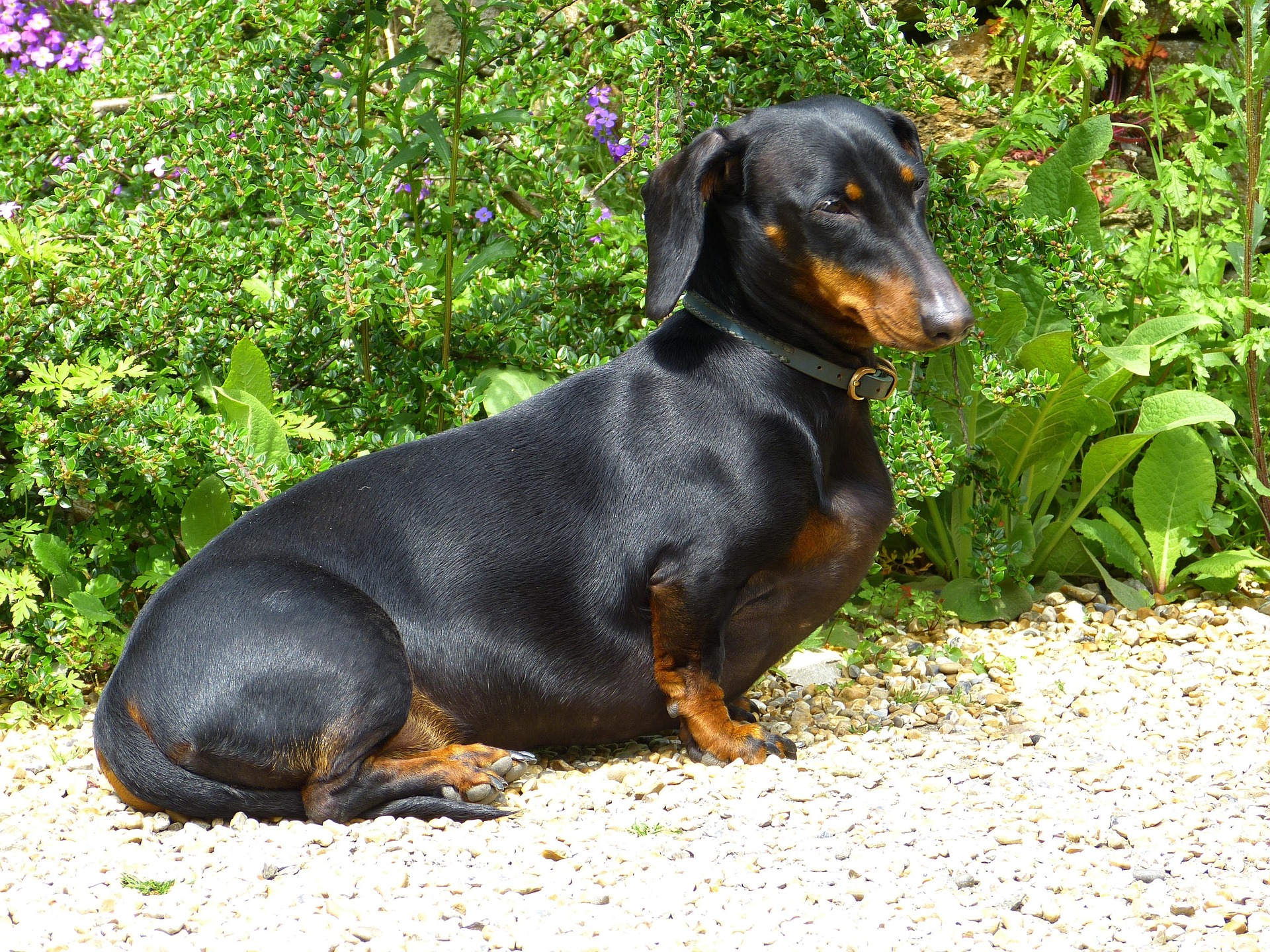
Dachshunds are a wonderfully unique breed with a rich history, spirited personality, and loyal temperament. While myths about their behavior, health, and needs may persist, facts tell a much more nuanced story — one that helps owners provide better care and enjoy a stronger bond with their dog.
Understanding the real Dachshund — not just the stereotype — helps ensure they live happy, healthy, and fulfilling lives with the people who love them.
Sources You Can Explore
🔗 The 5 Biggest Myths About Dachshunds (debunked) — iHeartDogs article on common misconceptions. iHeartDogs.com
🔗 5 Fascinating Facts About Dachshund Dogs — PetRescueBlog on interesting Dachshund facts. petrescueblog.com
🔗 26 Fascinating Facts About Dachshunds You Must Know — DachsDen breed details. nexsolagency
🔗 10 Fun Facts About Dachshunds — BARK Post on breed trivia and history. BARK
🔗 Dachshund Health Issues & Myths — Curacao‑Nature discussion on health misconceptions. Animal Lovers
🔗 Purina Dachshund Breed Info — Profile of Dachshund physical traits and behaviour. purina.ua
FAQs
Dachshunds are one of the most recognizable and misunderstood dog breeds in the world. From their quirky shape to their bold personalities, these little dogs inspire a surprising number of myths—and many of them stick around because Dachshunds are such unique creatures. To help owners, potential adopters, and curious dog lovers understand them better, here is a comprehensive FAQ section addressing the most common myths and revealing the real facts behind them.
1. Is it true that Dachshunds were only bred to be cute lap dogs?
Myth: Dachshunds were created as tiny, adorable pets designed for cuddling.
Fact: Dachshunds were originally bred as tough hunting dogs, specifically trained to pursue badgers, foxes, and other underground animals.
Their long bodies and short legs weren’t designed for aesthetics—they were functional tools:
-
Long spines allowed them to navigate tight underground tunnels
-
Short legs gave them the ability to dig and maneuver
-
Strong chests provided stamina and power
-
Loud, deep barks were crucial for hunters to locate them underground
Despite modern Dachshunds being beloved companions, the breed’s working-dog roots still show in their boldness, independence, and high energy.
2. Are Dachshunds lazy dogs because of their small size?
Myth: Dachshunds spend most of their time sleeping and don’t need much exercise.
Fact: Dachshunds are surprisingly energetic, driven, and curious.
Yes, they enjoy naps and couch time—but they also require:
-
Daily walks
-
Sniffing activities
-
Mental stimulation
-
Active playtime
Their hunting ancestry means they have endurance and determination, even if their legs are short. Underestimating their need for exercise can lead to:
-
Destructive behavior
-
Excessive barking
-
Digging
-
Weight gain
-
Anxiety
A properly exercised Dachshund is a happy Dachshund.
3. Do Dachshunds bark more than other breeds?
Myth: Dachshunds bark all day for no reason.
Fact: Dachshunds bark more because of instinct, not because they’re “annoying.”
They were bred to:
-
Alert hunters
-
Warn of danger
-
Communicate underground
-
Scare off prey
Their loud, deep bark makes them exceptional watchdogs, but it can become excessive when:
-
They’re bored
-
Understimulated
-
Nervous
-
Guarding too much
Training, exercise, and structure can significantly reduce unnecessary barking.
4. Are Dachshunds prone to aggression because they were bred to hunt badgers?
Myth: Dachshunds are naturally aggressive or dangerous.
Fact: Dachshunds are not inherently aggressive, but they are bold and assertive, which can be mistaken for aggression.
Their working background makes them:
-
Confident
-
Independent
-
Sometimes stubborn
-
Strong-willed
However, when properly socialized, trained, and respected, Dachshunds are affectionate, loyal, and often gentle with adults and older children.
Aggression in Dachshunds typically stems from:
-
Poor training
-
Fear or anxiety
-
Lack of socialization
-
Pain or health issues
-
Territory guarding
Their fierceness is instinctive, not malicious.
5. Can Dachshunds really injure their backs just from jumping once?
Myth: A single jump or staircase climb can instantly paralyze a Dachshund.
Fact: While Dachshunds are prone to back issues, most injuries are the result of long-term strain, genetics, and lifestyle—not one jump.
Dachshunds are susceptible to IVDD (Intervertebral Disc Disease), but risk can be reduced with smart habits:
-
Maintaining a healthy weight
-
Using ramps for furniture
-
Avoiding repetitive high-impact jumping
-
Keeping muscle tone strong with exercise
-
Regular vet check-ups
A Dachshund won’t immediately break its back from one jump, but repetitive stress or poor conditioning increases the chances over time.
6. Are Dachshunds good with children, or is that just a myth?
Myth: Dachshunds don’t like kids and aren’t family-friendly.
Fact: Dachshunds can be wonderful family dogs when properly introduced and supervised.
They often bond deeply with children who:
-
Respect their space
-
Handle them gently
-
Avoid rough play
However, because of their long spine, Dachshunds must be protected from:
-
Being carried incorrectly
-
Being dropped
-
Excessive pulling or grabbing
The myth comes from situations where uneducated handling caused Dachshunds to defend themselves.
With responsible interactions, Dachshunds can be playful, loving members of the family.
7. Do Dachshunds dig instinctively?
Myth: Dachshunds dig because they misbehave or are trying to annoy their owners.
Fact: Digging is a deep-rooted instinct directly tied to their historical job.
They were literally bred to dig into badger dens. They dig because:
-
They smell something interesting
-
They are bored
-
They want to cool off
-
They’re looking for adventure
-
It’s instinctual
You can channel this behavior into:
-
Dig boxes
-
Designated digging areas
-
Nose-work activities
-
Puzzle toys
Trying to eliminate digging entirely usually fails—redirecting it works much better.
8. Are Dachshunds stubborn, or is that an exaggeration?
Myth: Dachshunds are impossible to train because they’re too stubborn.
Fact: Dachshunds are highly intelligent—but they are independent thinkers.
They like to ask:
“What’s in it for me?”
They respond best to:
-
Positive reinforcement
-
Short training sessions
-
Variety
-
Consistency
-
Patience
They’re not hard to train—they’re hard to convince. Once they understand the reward, they learn extremely fast.
9. Are long-haired Dachshunds calmer than smooth or wire-haired ones?
Myth: Coat type determines personality.
Fact: Coat type can influence traits, but it’s not a guarantee.
General tendencies many owners notice:
-
Long-haired Dachshunds: slightly calmer, gentler, more laid-back
-
Wire-haired Dachshunds: more energetic, spunky, and terrier-like
-
Smooth-coated Dachshunds: bold, curious, and very alert
However, training, socialization, genetics, and environment influence behavior more than coat type alone.
10. Is it true that Dachshunds always choose one favorite person?
Myth: Dachshunds bond to only one human and ignore everyone else.
Fact: Dachshunds may form a primary bond, but they can love the whole family.
Their loyalty is strong, and they often show:
-
Preference for the person who feeds them
-
Attachment to their primary caregiver
-
Strong bonds with multiple family members
They may follow one person more, but they are entirely capable of loving a household equally—especially in a nurturing environment.
11. Do Dachshunds shed? Many people believe they don’t.
Myth: Dachshunds are hypoallergenic and don’t shed.
Fact: All Dachshunds shed, but shedding varies by coat type.
-
Smooth coats: light but constant shedding
-
Long-haired: seasonal shedding, more hair to manage
-
Wire-haired: minimal shedding but require hand-stripping
No Dachshund is hypoallergenic. People with allergies may tolerate them better than some breeds, but reactions vary.
12. Are Dachshunds expensive to care for?
Myth: Because Dachshunds are small, they’re cheap to maintain.
Fact: Dachshunds can be expensive, mainly due to potential health issues—especially IVDD.
Typical expenses include:
-
Quality food
-
Back-friendly accessories (ramps, harnesses)
-
Vet visits
-
Dental care
-
Grooming for certain coat types
-
Training
-
Supplements
Treating back issues can cost thousands if surgery is required, which is why prevention and insurance are recommended.
13. Do Dachshunds get along with other dogs, or is this a myth?
Myth: Dachshunds are too territorial to live with other dogs.
Fact: Dachshunds often thrive with other pets when introduced properly.
Their personality can include:
-
Playfulness
-
Bravery
-
Jealousy
-
Resource guarding tendencies
They may act bossy, especially with larger dogs, but early socialization helps them build healthy relationships with other animals.
14. Are Dachshunds difficult to house-train?
Myth: Dachshunds can’t be house-trained.
Fact: Dachshunds can be successfully house-trained, but they often require more time and consistency.
Why it takes longer:
-
Small bladders
-
Strong-willed nature
-
Sensitivity to cold or rain
-
Distractibility
Effective strategies include:
-
Frequent potty breaks
-
Positive reinforcement
-
Consistent routines
-
Crate training
-
Limiting unsupervised freedom
Patience and structure are key.
15. Is it true Dachshunds can’t swim because of their body shape?
Myth: Dachshunds sink due to their long bodies and short legs.
Fact: Dachshunds can swim, but they are not natural swimmers.
Their body shape requires:
-
Life vests
-
Gentle introduction to water
-
Supervision at all times
Many Dachshunds end up loving swimming, especially as a form of low-impact exercise for back health.
16. Do Dachshunds live longer than most dog breeds?
Myth: Dachshunds only live 8–10 years due to back issues.
Fact: Dachshunds are one of the longest-living dog breeds.
Average life span:
-
12–16 years
-
Many live to 17–18+ with proper care
Their longevity is helped by:
-
Small size
-
Generally hardy genetics
-
Active nature
Back problems may occur, but they typically do not shorten lifespan when managed properly.
17. Is the “Velcro Dachshund” behavior real or exaggerated?
Myth: Dachshunds are overly clingy and needy.
Fact: Dachshunds are affectionate, loyal, and thrive on companionship—but clinginess varies individually.
Many Dachshunds follow their owners because:
-
They are pack-oriented
-
They bond deeply
-
They were bred to work closely with humans
Some are independent, while others become “shadows” who follow you everywhere.
18. Are Dachshunds unsuitable for apartment living?
Myth: Dachshunds need large outdoor spaces and aren’t good city dogs.
Fact: Dachshunds can thrive in apartments if their energy and instincts are managed.
They need:
-
Daily walks
-
Mental stimulation
-
Preventive back care (avoiding stairs)
Their small size actually makes them excellent apartment pets—provided they don’t bark excessively (training helps).
19. Do Dachshunds eat more than they should because of bad manners?
Myth: Dachshunds beg constantly because they’re greedy.
Fact: Dachshunds have strong food motivation due to:
-
Hunting instincts
-
High energy levels
-
Small body size
-
Genetics
Food motivation makes training easier, but owners must control portions. Overfeeding is especially dangerous because of the risk of obesity, which directly increases the chances of back problems.
20. Are Dachshunds high-maintenance dogs overall?
Myth: Dachshunds are low-maintenance little dogs.
Fact: Dachshunds are moderate to high-maintenance, depending on their health and lifestyle.
They need:
-
Training
-
Exercise
-
Socialization
-
Spine-friendly routines
-
Proper diet
-
Mental stimulation
-
Vet care
They are not difficult dogs, but they are not effortless either.