Pomeranians are beloved for their fluffy coats, spirited personalities, and compact size, making them one of the most popular toy dog breeds worldwide. However, like all purebred dogs, they are predisposed to specific health issues that owners should understand and watch for throughout their pet’s life. Being aware of these concerns early helps owners take preventive measures, spot warning signs, and seek veterinary care promptly — ultimately improving the dog’s quality of life.
In this comprehensive guide, we’ll explore seven major health concerns in Pomeranians — what each condition is, the signs to look for, how it’s diagnosed and treated, and tips for prevention and long‑term care.

1. Patellar Luxation — Knee Joint Instability
What It Is
Patellar luxation occurs when the kneecap (patella) slips out of its normal position, often to the side of the groove it should glide in. This orthopedic issue is common in small breeds like Pomeranians and can lead to pain, abnormal gait, and eventual arthritis if left untreated. Lancaster Puppies+1
Symptoms to Watch For
-
Sudden skipping or hopping gait
-
Limping or favoring one leg
-
Pain when walking or running
-
Stiffness or reluctance to jump or climb stairs Lancaster Puppies
Diagnosis and Treatment
A veterinarian typically diagnoses patellar luxation via physical exam and imaging (like X‑rays). Treatment depends on severity:
-
Mild cases: Weight management and physical therapy
-
Moderate to severe cases: May require surgery to realign the knee joint Lancaster Puppies
Owner Tips
To minimize strain on the joints:
-
Avoid excessive jumping or high‑impact play
-
Keep your Pom at a healthy weight
-
Use ramps instead of stairs when possible
2. Tracheal Collapse — Breathing Under Strain
Understanding the Condition
Pomeranians have delicate windpipes, and tracheal collapse — where the trachea’s cartilage weakens and narrows the airway — is common in the breed. Lancaster Puppies+1
Signs and Symptoms
-
A “honking” cough
-
Wheezing or laboured breathing
-
Coughing when excited or pulled on a leash
-
Exercise intolerance purina.in
Causes
This condition can be genetic, but it’s worsened by:
-
Pulling on collars
-
Obesity
-
Respiratory irritants (smoke, dust, strong perfumes) purina.in
Management Strategies
-
Walk your Pomeranian with a harness, not a collar purina.in
-
Keep the environment free of smoke and pollutants
-
In some cases, vets prescribe cough suppressants, anti‑inflammatories, or surgical intervention for severe cases
3. Hypoglycemia — Low Blood Sugar in Small Dogs
Why It Happens
Due to their small size and fast metabolism, Pomeranians, especially puppies, are at risk of hypoglycemia (dangerously low blood sugar). This condition can become life‑threatening without quick intervention. Lancaster Puppies+1
Early Signs
-
Weakness or lethargy
-
Trembling or shaking
-
Lack of coordination
-
Loss of appetite
-
In severe cases: seizures or unconsciousness Lancaster Puppies
Prevention and Care
-
Feed small, frequent meals with balanced nutrition
-
Avoid long gaps between meals
-
Keep honey or glucose solution on hand for emergencies (and contact your vet immediately) Lancaster Puppies
4. Hypothyroidism — Metabolic Slowdown
Condition Overview
Hypothyroidism occurs when the thyroid gland doesn’t produce enough thyroid hormone, slowing metabolism and affecting many body systems. It’s seen in Pomeranians as well as other dogs. Lancaster Puppies+1
Typical Symptoms
-
Weight gain despite normal eating
-
Lethargy and low energy
-
Hair loss and dry skin
-
Cold intolerance Lancaster Puppies
Diagnosis and Treatment
A blood test by your veterinarian measures thyroid hormone levels. If confirmed, lifelong hormone replacement therapy typically manages the condition effectively, allowing most dogs to live normal lives. Lancaster Puppies
5. Eye Problems — Cataracts, Dry Eye and More

Why Eyes Matter
The Pomeranian’s expressive face and large eyes are part of its charm, but they are also prone to several recurring eye conditions, including cataracts and eyelash problems like distichiasis. Lancaster Puppies+1
Common Ocular Issues
-
Cataracts: Clouding of the lens that can impair vision purina.in
-
Distichiasis: Extra eyelashes that scratch the surface of the eyeball Pets4Homes
-
Dry eye or irritation: Can cause discomfort, redness, and discharge Animal Answers
Signs to Monitor
-
Red, watery eyes
-
Cloudy or opaque lenses
-
Excessive blinking or squinting
-
Sensitivity to light
Care and Treatment
Timely veterinary treatment can involve:
-
Eye drops or ointments
-
Corrective procedures (like removing irritating hairs)
-
Surgery for advanced cataracts in some cases Pets4Homes
6. Skin and Coat Disorders — Alopecia and Allergies
Breed‑Specific Coat Problems
Skin and coat issues are common in Pomeranians, ranging from allergies to Alopecia X, also known as “black skin disease.” purina.in+1
Alopecia X
This condition leads to progressive hair loss, often around the back and tail areas, with the exposed skin becoming darker as it ages. It’s generally not painful but can be cosmetically significant. purina.in
Allergies
Pomeranians can react to:
-
Environmental allergens (pollen, dust)
-
Food proteins
-
Flea saliva
Symptoms include itching, redness, and discomfort. Animal Answers
Prevention and Management
-
Regular grooming and brushing to reduce skin irritation
-
Hypoallergenic diets or allergy testing in consultation with your vet
-
Flea and parasite prevention programs Pets4Homes
7. Dental Disease — A Silent but Serious Threat
Why Dental Health Matters
Small breeds like Pomeranians are especially prone to dental issues, including plaque buildup, gum disease (gingivitis), and eventually periodontal disease, which can affect the heart, kidneys, and other organs if left untreated. thepethealthclinic.com
Signs of Dental Problems
-
Bad breath (halitosis)
-
Red or swollen gums
-
Reluctance to eat or chew toys
-
Loose or missing teeth thepethealthclinic.com
Prevention Strategies
-
Daily tooth brushing with canine toothpaste
-
Dental chews and treats designed to reduce plaque
-
Professional cleanings by your veterinarian
-
Regular oral exams at vet check‑ups thepethealthclinic.com
Other Important Health Concerns Owners Should Know About
While the seven above are among the most common, Pomeranians may also face additional issues:
💛 Heart Disease — Including congenital defects and age‑related problems, such as mitral valve disease and heart murmurs. Animal Answers
💛 Epilepsy — Neurological disorder causing seizures in some individuals. Animal Answers
💛 Reverse Sneezing — Irritative respiratory spasm that is harmless but can be alarming. purina.in
💛 Hydrocephalus (in puppies) — Excess fluid in the brain, more prevalent in toy breeds. PDSA
Knowing all the potential health issues that Pomeranians may encounter helps you prepare and watch for early signs to get timely veterinary help.
Age‑Specific Health Considerations
Puppies
Pomeranian puppies are more prone to hypoglycemia and developmental orthopedic issues. Frequent small meals, careful monitoring of activity, and early vet partnerships help minimize risk. Lancaster Puppies
Adults
Adult Poms may show signs of arthritis, dental disease, and metabolic conditions like hypothyroidism. Regular check‑ups with senior blood panels can identify problems early. Animal Answers
Seniors
Older Pomeranians often need adjustments for decreased mobility, eye and hearing changes, and heart monitoring. Your vet may recommend annual cardiac screenings. Animal Answers
How to Monitor Your Pomeranian’s Health Every Day
Keep a close eye on your dog’s health by establishing daily routines:
✔ Check gums, eyes, ears, and skin for changes
✔ Monitor eating, drinking, and bathroom habits
✔ Note any limping, coughing, lethargy, or breathing changes
✔ Maintain a health record (weight, vaccinations, allergies)
✔ Schedule regular veterinary exams
Early detection is key to managing most of these health concerns successfully.
Diet, Exercise & Preventive Care Tips
Balanced Diet
High‑quality food formulated for small breeds supports a healthy metabolism and weight control — which in turn reduces joint and heart strain.
Weight Management
Obesity increases the risk of orthopedic issues and tracheal collapse. Keep portions appropriate and avoid excessive treats. Munchbird
Exercise
Moderate daily walks and playtime help maintain muscle tone and mental health without over‑straining delicate joints.
Preventive Veterinary Care
Routine exams, vaccinations, blood tests, dental cleanings, and breed‑specific health screenings (like patella checks) reduce the risk of severe disease. Lancaster Puppies
Conclusion: A Healthy, Happy Life for Your Pomeranian
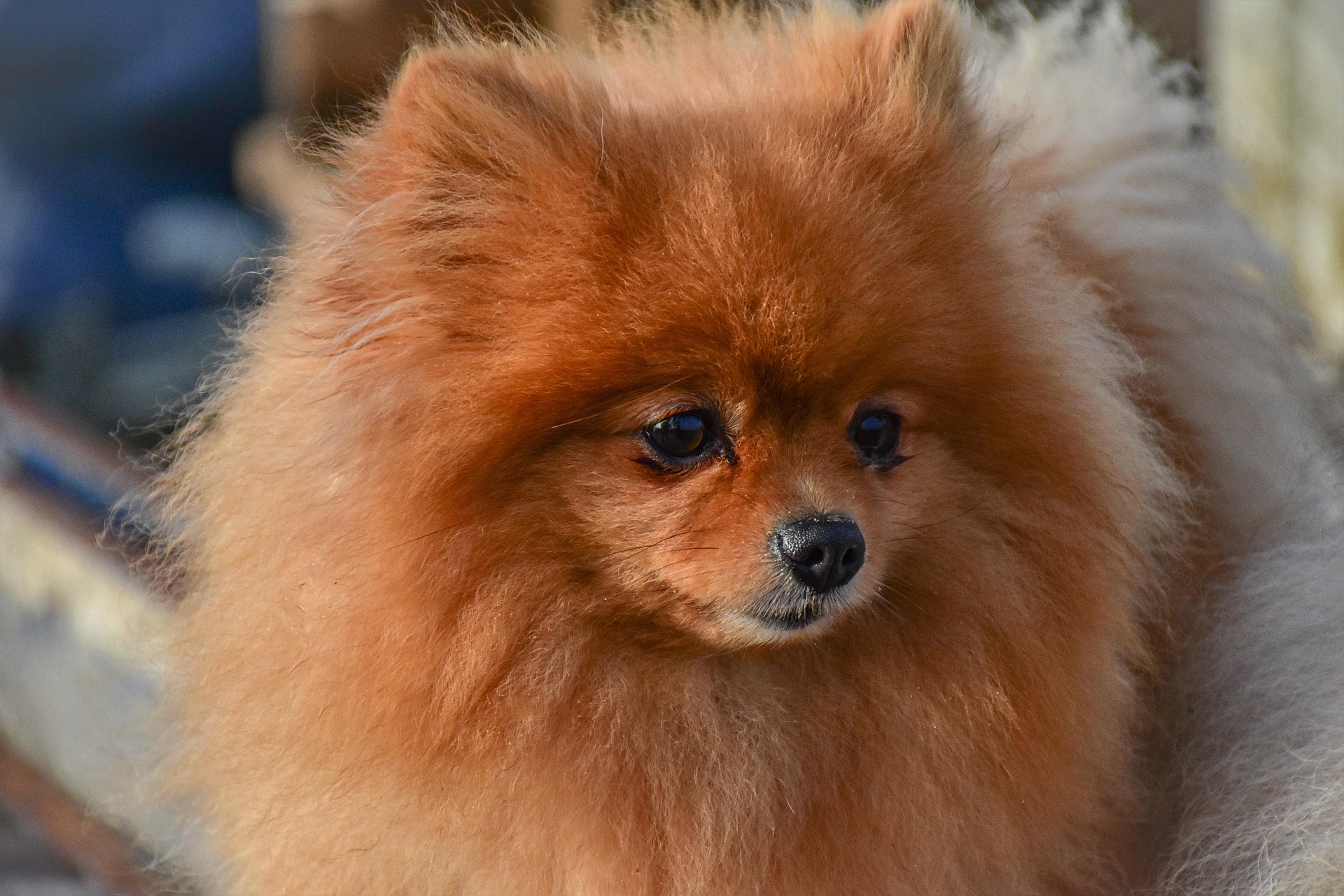
While Pomeranians are generally sturdy and long‑lived companions, they have unique health vulnerabilities that every owner should understand. From joint issues and respiratory risk to dental disease and metabolic imbalances, staying informed and proactive makes a major difference in your dog’s wellbeing.
By recognizing early signs, ensuring regular veterinary care, maintaining a balanced lifestyle, and tailoring preventive strategies to your dog’s life stage, you can help your fluffy companion thrive for many cherished years. 🐾
Let your love for your Pomeranian include health awareness, and you’ll enjoy a long, joyful life together.
Sources & Further Reading
🔗 18 Most Common Pomeranian Health Problems (and How to Prevent Them) — Munchbird Munchbird
🔗 Top 6 Health Concerns in Pomeranians — Lancaster Puppies Lancaster Puppies
🔗 10 Most Common Health Issues in Pomeranians — Animal Answers Animal Answers
🔗 Pomeranian Health Problems — WebMD Pets WebMD
🔗 Biggest Health Concerns in Pomeranians — Pets4Homes Pets4Homes
🔗 General Health Information for Pomeranians — Pet Health Clinic thepethealthclinic.com
Pomeranians are adorable, energetic, and intelligent little dogs, but their small size and unique physiology make them prone to certain health issues. Responsible owners need to understand the most common concerns, how to recognize them, and what preventive measures can keep their Pomeranians healthy and happy.
This FAQ section addresses everything a Pomeranian owner should know, from physical health and dental care to hereditary conditions and lifestyle management.
FAQ: 7 Health Concerns Every Pomeranian Owner Should Watch Out For
1. What are the most common health concerns in Pomeranians?
Pomeranians, like all breeds, have breed-specific risks. The top seven concerns include:
-
Dental issues – Pomeranians have small jaws, which can lead to overcrowding of teeth and plaque build-up.
-
Luxating patella – A condition where the kneecap slips out of place.
-
Tracheal collapse – Weakness in the windpipe causing breathing difficulties.
-
Hypoglycemia – Low blood sugar, especially in puppies.
-
Heart disease – Including congestive heart failure and valve issues.
-
Eye problems – Such as cataracts, dry eye, or progressive retinal atrophy.
-
Obesity – Due to small size, overfeeding can cause major health issues.
Each condition has specific symptoms, preventive measures, and treatment options, which owners should be aware of.
2. How can I prevent dental problems in my Pomeranian?
Dental issues are extremely common in small breeds like Pomeranians due to crowded teeth and a tendency for plaque accumulation.
Prevention tips:
-
Brush teeth daily: Use canine-specific toothpaste and soft brushes.
-
Dental chews and toys: Provide appropriate chew toys to reduce plaque.
-
Regular vet check-ups: Professional cleaning at least once a year.
-
Healthy diet: Avoid excessive sugary treats; feed dry kibble to help reduce tartar.
Symptoms of dental problems: Bad breath, yellow or brown teeth, bleeding gums, difficulty eating, and pawing at the mouth. Early intervention can prevent infections or tooth loss.
3. What is luxating patella, and how does it affect Pomeranians?
Luxating patella occurs when the kneecap slips out of its normal position, often causing pain or limping.
Causes:
-
Genetic predisposition
-
Small size and lightweight bones
-
Trauma or injury
Symptoms:
-
Intermittent limping or skipping steps
-
Knee popping or clicking
-
Difficulty jumping or climbing stairs
Prevention and management:
-
Avoid overexertion in puppies
-
Maintain a healthy weight to reduce joint strain
-
Provide joint supplements if recommended by your vet
-
In severe cases, surgical correction may be necessary
Pomeranians are prone to mild to moderate cases, which can be managed with proper care.
4. How can I recognize and manage tracheal collapse?
Tracheal collapse is a life-threatening condition in small dogs where the cartilage rings of the trachea weaken, causing the airway to collapse.
Symptoms:
-
Persistent honking cough
-
Difficulty breathing during excitement or exercise
-
Gagging or choking
-
Exercise intolerance
Management:
-
Avoid collars that put pressure on the neck; use a harness instead
-
Maintain a healthy weight
-
Limit strenuous activity during hot or cold weather
-
Medications like anti-inflammatories or bronchodilators may help
-
Severe cases may require surgical intervention
Early recognition is crucial to prevent respiratory distress and complications.
5. Why are Pomeranian puppies prone to hypoglycemia?
Hypoglycemia refers to dangerously low blood sugar levels. Toy breeds like Pomeranians are particularly at risk, especially puppies.
Causes:
-
Small size and fast metabolism
-
Irregular feeding or fasting
-
Stress or illness
Symptoms:
-
Weakness or lethargy
-
Shaking or tremors
-
Pale gums
-
Seizures in severe cases
Prevention:
-
Feed small, frequent meals throughout the day
-
Avoid prolonged fasting
-
Monitor for lethargy or disorientation
-
Keep glucose supplements or honey handy for emergencies
Hypoglycemia can be life-threatening in puppies if not addressed immediately.
6. What types of heart disease affect Pomeranians?
Pomeranians are predisposed to heart disease, especially as they age.
Common heart issues include:
-
Mitral valve disease: Leaking heart valve causing murmur and fatigue
-
Congestive heart failure: Fluid accumulation due to weakened heart
-
Arrhythmias: Irregular heartbeat
Signs to watch for:
-
Persistent coughing
-
Fatigue or reluctance to exercise
-
Difficulty breathing
-
Swelling of the abdomen or limbs
Management:
-
Routine vet check-ups with auscultation or echocardiograms
-
Medications prescribed by a vet
-
Weight management and moderate exercise
-
Avoid stress or overheating
Early detection improves prognosis and quality of life.
7. Are Pomeranians prone to eye problems?
Yes, their small size and facial structure make them susceptible to ocular issues:
-
Cataracts: Clouding of the lens
-
Progressive retinal atrophy (PRA): Degeneration of the retina causing blindness
-
Dry eye (keratoconjunctivitis sicca): Insufficient tear production
Symptoms:
-
Cloudy or red eyes
-
Excessive tearing or discharge
-
Squinting or pawing at eyes
-
Vision changes
Prevention and care:
-
Regular eye exams by a veterinarian
-
Keep eyes clean and free from irritants
-
Monitor for changes in vision or eye appearance
-
Treatment may include medications, surgery, or lubricating eye drops
Early diagnosis is key to maintaining vision and comfort.
8. How can I prevent obesity in my Pomeranian?
Obesity is a common issue due to small size, overeating, and lack of exercise.
Risks of obesity:
-
Strain on joints and knees
-
Increased risk of heart disease
-
Exacerbation of tracheal collapse
-
Shortened lifespan
Prevention tips:
-
Feed measured portions, avoid table scraps
-
Incorporate daily exercise (walks, play, puzzle toys)
-
Monitor weight and body condition score regularly
-
Avoid over-treating, use training treats sparingly
-
Schedule regular vet check-ups
Maintaining a healthy weight is crucial for preventing other health problems.
9. Are Pomeranians at risk for hereditary diseases?
Yes, many health concerns are genetic or breed-specific:
-
Luxating patella
-
Tracheal collapse
-
Eye disorders
-
Dental crowding
-
Heart valve issues
Tips for prevention:
-
Adopt from reputable breeders who screen for hereditary conditions
-
Ask for health clearances for parents
-
Monitor your Pom closely for early signs of genetic conditions
-
Consider genetic testing if planning to breed
Responsible breeding reduces the incidence of hereditary health problems.
10. How often should I take my Pomeranian to the vet?
Routine veterinary care is essential:
-
Puppies: Every 3–4 weeks until 16 weeks (vaccinations and wellness checks)
-
Adults: Annual wellness exams
-
Seniors (7+ years): Every 6 months
During vet visits, monitor for:
-
Weight and body condition
-
Dental health
-
Heart, lungs, and joints
-
Eye and ear health
-
Signs of tracheal or respiratory issues
Regular check-ups allow for early detection of Pomeranian-specific health concerns.
11. How do I recognize early warning signs of health problems in my Pomeranian?
Pomeranians are small and can mask illness, so vigilance is key. Watch for:
-
Changes in appetite or weight
-
Lethargy or exercise intolerance
-
Persistent coughing or wheezing
-
Limping or difficulty jumping
-
Changes in coat condition
-
Excessive licking or scratching
-
Eye or dental problems
Early detection allows faster treatment and better outcomes.
12. Can Pomeranians live long, healthy lives despite these risks?
Yes! With proper care, Pomeranians typically live 12–16 years, sometimes longer. Key factors for longevity:
-
Balanced diet
-
Regular exercise
-
Routine vet visits
-
Dental hygiene
-
Weight management
-
Early intervention for hereditary issues
Many Poms thrive well into their teens with proactive health care.
13. Are there any supplements that help Pomeranian health?
Certain supplements can support Pomeranians:
-
Omega-3 fatty acids: Coat and skin health
-
Glucosamine and chondroitin: Joint support for patella or arthritis
-
Probiotics: Digestive health
-
Multivitamins: Only if recommended by a vet
Always consult your veterinarian before giving supplements, as dosage is critical for small breeds.
14. How do I manage a Pomeranian’s dental hygiene long-term?
Long-term dental care prevents tooth loss, infections, and systemic disease:
-
Brush teeth daily or at least several times a week
-
Use dental chews and water additives
-
Schedule professional cleanings annually
-
Monitor for yellowing teeth, bad breath, or bleeding gums
Healthy teeth are critical for Pomeranians because dental disease can affect heart and kidney health.
15. How do I protect my Pom from tracheal collapse during walks?
-
Use a harness, not a collar
-
Avoid pulling or yanking on the leash
-
Walk in cool, calm environments
-
Limit exposure to smoke, dust, or irritants
-
Keep weight in check to reduce airway strain
Harnesses prevent neck pressure and reduce coughing or irritation in sensitive Poms.
16. Can lifestyle choices reduce Pomeranian health risks?
Yes. Responsible lifestyle choices prevent many common issues:
-
Diet control: Prevents obesity and diabetes
-
Exercise: Supports joints, heart, and weight
-
Regular vet care: Early detection of heart, eye, and dental problems
-
Grooming: Prevents skin and coat infections
-
Stress management: Reduces anxiety-related health issues
Holistic care ensures Poms remain healthy, happy, and active.
17. What should I do if my Pomeranian shows signs of hypoglycemia?
Immediate action is essential:
-
Give glucose solution or honey orally (if safe to swallow)
-
Keep your Pom warm
-
Feed a small meal afterward
-
Monitor for recurrence
-
Visit a veterinarian for evaluation
Puppies are at highest risk, so owners should always be prepared.
18. How do I know if my Pomeranian is overweight?
Signs of obesity:
-
No visible waistline
-
Fat deposits over ribs and hips
-
Reduced activity or exercise intolerance
-
Panting more than usual
-
Difficulty jumping or climbing
Use a body condition scoring system or ask your vet for guidance to maintain optimal weight.
19. Are Pomeranians prone to any digestive issues?
Yes, small size and sensitive stomachs can cause:
-
Diarrhea or constipation
-
Bloating
-
Food sensitivities or allergies
Prevention tips:
-
Feed high-quality, balanced diets
-
Avoid table scraps or sudden diet changes
-
Monitor for vomiting or persistent diarrhea
-
Consult a vet for chronic digestive issues
20. Should I get pet insurance for my Pomeranian?
Given their breed-specific risks, pet insurance is highly recommended:
-
Covers unexpected medical bills
-
Helps with hereditary or chronic conditions
-
Provides peace of mind for emergencies
Choose plans that cover hereditary and chronic conditions, which are common in Poms.
21. Summary — How to keep my Pomeranian healthy
To manage the 7 major health concerns:
-
Dental care: Daily brushing, professional cleanings
-
Joint care: Avoid obesity, provide joint supplements if needed
-
Tracheal health: Use harnesses, avoid neck strain
-
Blood sugar: Frequent meals for puppies
-
Heart health: Regular check-ups, weight management
-
Eye care: Routine exams, monitor for changes
-
Weight management: Controlled diet, exercise, avoid overfeeding
Early detection, responsible breeding, and proactive care dramatically reduce the risks.
✅ Conclusion
Pomeranians are small but complex dogs, requiring careful attention to their unique health needs. By understanding the 7 key health concerns, monitoring for early warning signs, and providing proper nutrition, exercise, grooming, and veterinary care, owners can ensure their Poms live long, happy, and healthy lives.
Pomeranians are more than just fluffy companions—they are loyal, bold, and intelligent family members who thrive when their health is prioritized.