Welcoming an English Bull Terrier into your life is exciting — and sometimes overwhelming. These intelligent, energetic, and strong‑willed dogs win hearts with their quirky personalities, but they also present unique training challenges, especially for first‑time owners. If training goes off track early, small issues can become long‑term habits that are hard to break.
In this article you’ll discover the five most common training mistakes made by new English Bull Terrier owners — backed by expert sources and practical solutions — so your Bullie becomes a confident, well‑behaved companion rather than a frustrated or unruly dog.
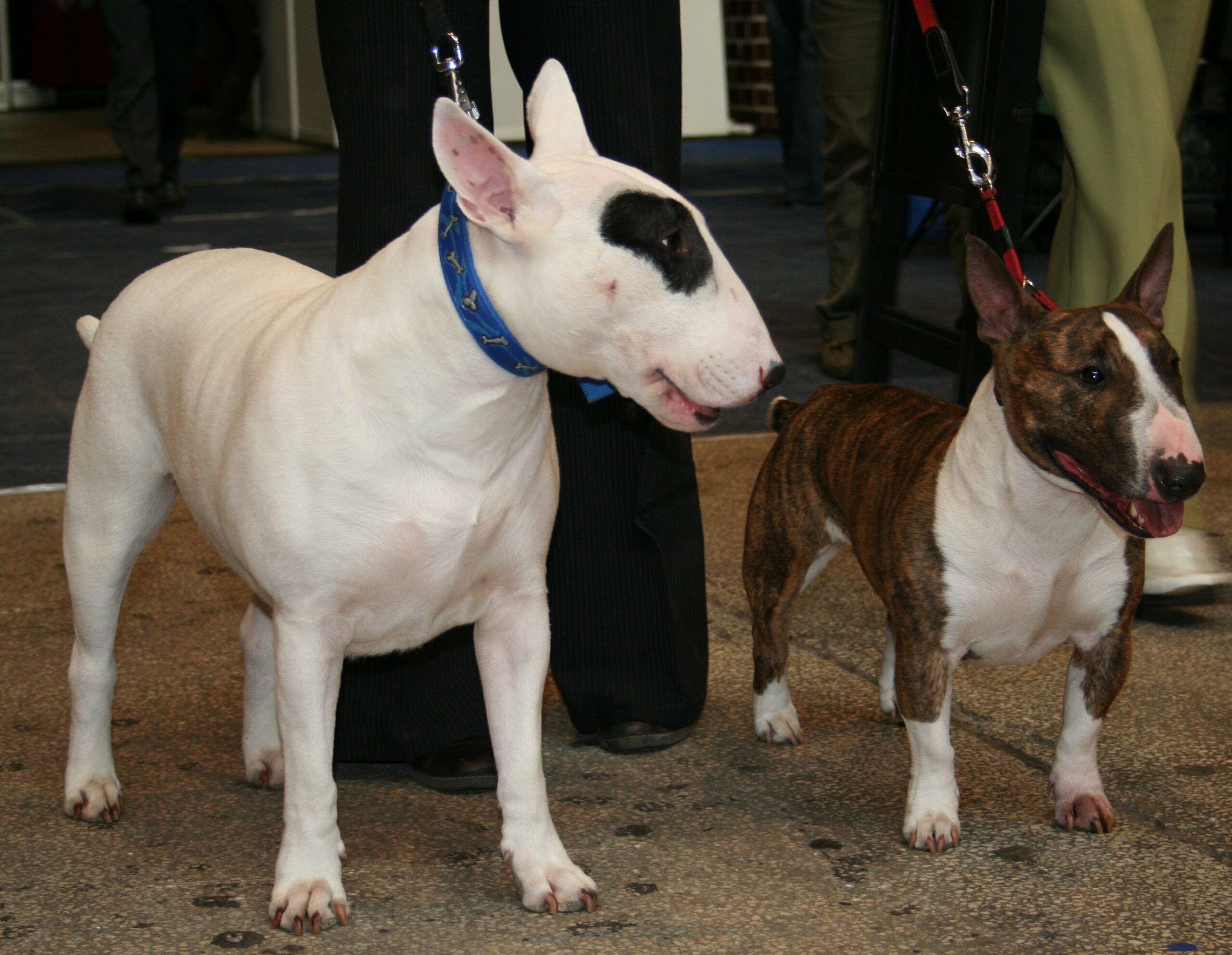
Introduction: Why Bull Terriers Are Special
Before we dive into the mistakes, it’s important to understand the unique nature of Bull Terriers.
English Bull Terriers are:
-
Highly intelligent but independent thinkers
-
Energetic and playful, needing both physical and mental engagement
-
Sensitive to tone and reinforcement style — they don’t respond well to harsh training
-
Social and affectionate, but can be stubborn without structure
This mix means your training approach matters more than you might expect — and one wrong choice early on can set you back for months down the line. DoggyZine.com+1
Mistake #1 — Waiting Too Long to Start Training
The Problem
A huge mistake new Bull Terrier owners often make is delaying formal training until a behavior becomes an issue. Because they are cute and engaging puppies, many owners think training can wait — until after the puppy stage, until they’ve settled in, or “once their vaccinations are done.”
Why This Backfires
Bull Terriers are quick learners and form habits early. Leaving training until later means they might:
-
Learn unwanted behaviors (jumping, pulling, begging)
-
Become harder to redirect
-
Develop boundary testing that becomes persistent
Training isn’t a one‑time event — it’s daily practice and reinforcement from the moment your Bull Terrier enters your home. Bull Terrier World
How to Fix It
Start training immediately.
From day one:
-
Teach basic commands like sit, stay, come
-
Establish house rules
-
Practice leash manners
-
Begin socialization
Even very young puppies can learn simple cues — and early training sets expectations for life.
💡 Tip: Short, frequent sessions (5–10 minutes, 2–3 times per day) are more effective than long, infrequent ones. Petnet ID
Mistake #2 — Inconsistent Rules and Expectations
The Problem
Inconsistency in training is one of the most damaging mistakes you can make. This happens when:
-
Different family members enforce different rules
-
Commands change over time
-
Rewards are given sometimes but not always
-
Undesirable behaviors are ignored on “easy” days
Why It Happens
Bull Terriers are intelligent. They pay attention to patterns — and when rules shift, they quickly learn how to get what they want. For example:
-
If barking gets attention sometimes but is ignored other times, your dog keeps trying
-
If jumping on guests sometimes gets petting, they’ll continue it
This breeds confusion and testing — which quickly becomes persistent misbehavior. Bull Terrier World
How to Fix It
Be consistent with rules and expectations.
Here’s how:
-
Use the same commands (verbal and hand signals) every time
-
Ensure all family members follow the same rules
-
Reward good behavior immediately and consistently
-
Address unwanted behavior promptly before it becomes a habit
Consistency teaches your Bull Terrier exactly what good behavior looks like, and removes the guesswork. Let\’s Learn Slang
Mistake #3 — Relying on Punishment or Harsh Methods
The Problem
Some owners think that because Bull Terriers are strong and stubborn, they need firm or even harsh training methods to “establish dominance.”
Why This Is Wrong
Research and breed‑specific trainers agree that punishment‑based training rarely works with Bull Terriers. This breed is:
-
Emotionally sensitive
-
Quick to pick up on tone and energy
-
Skilled at negotiating rather than submitting
Harsh methods — yelling, leash jerks, forceful corrections — often lead to fear, shutdown, rebellion, or avoidance, and can damage your relationship with your dog. Bull Terrier World
The Correct Approach: Positive Reinforcement
Positive reinforcement means responding to good behavior with what your dog values most:
-
Treats
-
Praise
-
Playtime
-
Attention
This rewards the behavior you want to see repeated, and builds a cooperative mindset rather than a fearful or rebellious one. Pack Love
💡 Examples:
-
Instead of pushing your Bull Terrier off the couch, ask them to “place” on their mat and reward that
-
Instead of pulling on the leash, stop walking and reward when they relax
Training becomes a game your dog wants to participate in — not something they “have to” obey.
Mistake #4 — Ignoring Mental Stimulation and Exercise Needs
The Problem
Bull Terriers are high‑energy and intelligent, and new owners sometimes underestimate how much physical and mental engagement they need.
Why This Leads to Problems
Without regular exercise and mental challenges, Bull Terriers often become:
-
Destructive at home
-
Easily bored
-
Less responsive in training
-
Hyperactive or frustrated
Mental stimulation is just as important as physical activity for training success. DoggyZine.com
Key Fixes
✔ Daily exercise — at least 1–2 vigorous sessions
✔ Mental enrichment through training games and puzzles
✔ Interactive play — fetch, tug, scent games
✔ Short, engaging training drills that make the dog think
You can also rotate toys, use treat‑dispensing puzzles, and vary your training routines daily. These keep their minds engaged and make training more effective.
Mistake #5 — Skipping Socialization
The Problem
Many new owners focus only on obedience commands and overlook socialization — exposing the dog to new people, animals, environments, and experiences.
Why This Matters
Bull Terriers that aren’t socialized early can develop:
-
Fearful responses to strangers
-
Anxiety around other dogs
-
Over‑excitement or inappropriate greetings
-
Difficulty focusing during training outside the home environment
Socialization helps shape a confident, adaptable, well‑behaved dog. Let\’s Learn Slang
How to Do It Right
Start socialization as soon as it’s safe for your puppy:
-
Invite friends and neighbors over
-
Visit parks and different locations
-
Introduce controlled playdates with other well‑socialized dogs
-
Expose them to cars, sounds, children, and everyday life experiences
Reward calm, positive behavior during these exposures so they associate new experiences with good outcomes. Let\’s Learn Slang
Putting It All Together: A Training Roadmap for Bull Terrier Owners
After identifying the common mistakes, let’s outline a step‑by‑step training approach that incorporates solutions for each error:
Step 1 — Start Strong (Day One)
✔ Begin basic training immediately
✔ Use positive reinforcement
✔ Set clear house rules
Step 2 — Be Consistent Every Day
✔ Same commands, same expectations
✔ Everyone in the household follows one training plan
Step 3 — Train in Short Sessions
Bull Terriers have short attention spans — 5‑10 minute sessions multiple times a day work best. Petnet ID
Step 4 — Provide Physical & Mental Exercise
✔ Daily walks or play
✔ Puzzle toys and scent work
✔ Training games
Step 5 — Socialize With Purpose
Exposure to new people, sounds, and dogs develops confidence and reduces fear or over‑excitement. Let\’s Learn Slang
Step 6 — Manage Environment for Success
✔ Remove temptations during training
✔ Use boundaries and confinement when necessary
✔ Reward calm and attentive behavior
Step 7 — Seek Support When Needed
If you hit a plateau, don’t be afraid to get help from a certified dog trainer familiar with terrier‑type breeds.
Real‑World Examples: What Happens When These Mistakes Occur
Understanding how these mistakes play out in real life helps put them into perspective:
Scenario #1 — The Untrained Puppy Who Becomes a Bedtime Monster
A 3‑month Bull Terrier puppy left untrained will likely explore every shoe, couch corner, and backpack zipper once you’re not looking. That’s not “bad behavior” — that’s boredom and lack of structure. Early training and activity prevent this. DoggyZine.com
Scenario #2 — The Dog That Learns the Wrong Rules
If your Bull Terrier is allowed to jump on visitors sometimes, they’ll continue to test it. Dogs don’t do “sometimes”; they do what works. Consistency eliminates confusion. Bull Terrier World
Scenario #3 — The Angry Reaction to Harsh Training
Yelling or using force often causes the dog to shut down or avoid you, not respect you. Bull Terriers respond better when training feels positive and achievable. Bull Terrier World
Final Thoughts: Training Is a Partnership

Training a Bull Terrier isn’t about dominance, control, or punishment. It’s about communication, consistency, and relationship building. When you understand their natural personality and meet their needs, training becomes an enjoyable journey instead of a struggle.
The five mistakes in this article are common — but they’re also fixable. With the right approach, your Bull Terrier will grow into a well‑behaved, confident, and happy companion who thrives in your home.
Further Reading & Resources
📌 English Bull Terrier Owner Mistakes & Training Tips — Doggyzine interview with owners and trainers DoggyZine.com
📌 Bull Terrier Training Mistakes to Avoid — comprehensive list from a breed‑specific blog Bull Terrier World
📌 Training Tips and Common Errors — A‑Z Animals overview, including pitfalls to avoid A-Z Animals
📌 Socialization and Dog Training Techniques — actionable tips on exposure and learning Let\’s Learn Slang
📌 Positive Reinforcement Training Strategies — methods that build cooperation and trust Pack Love