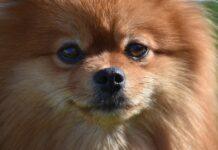
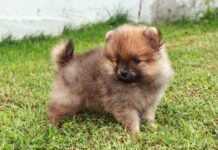
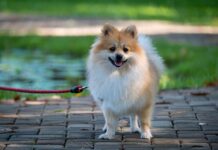
Pomeranians — often called “Poms” — are one of the world’s most adored toy dog breeds. With their fluffy coats, lively personalities, and big‑dog attitudes in a tiny body, they’ve stolen the hearts of dog lovers everywhere. But beyond their adorable looks, there are many surprising and fascinating facts about Pomeranians that even seasoned owners might not know.
In this expansive guide, we’ll explore 10 surprising facts about Pomeranians — including historical tidbits, biological oddities, records, and quirky stories — backed by credible sources so your readers can learn more.
1. Pomeranians Were Once Big Working Dogs — Not Tiny Lap Dogs
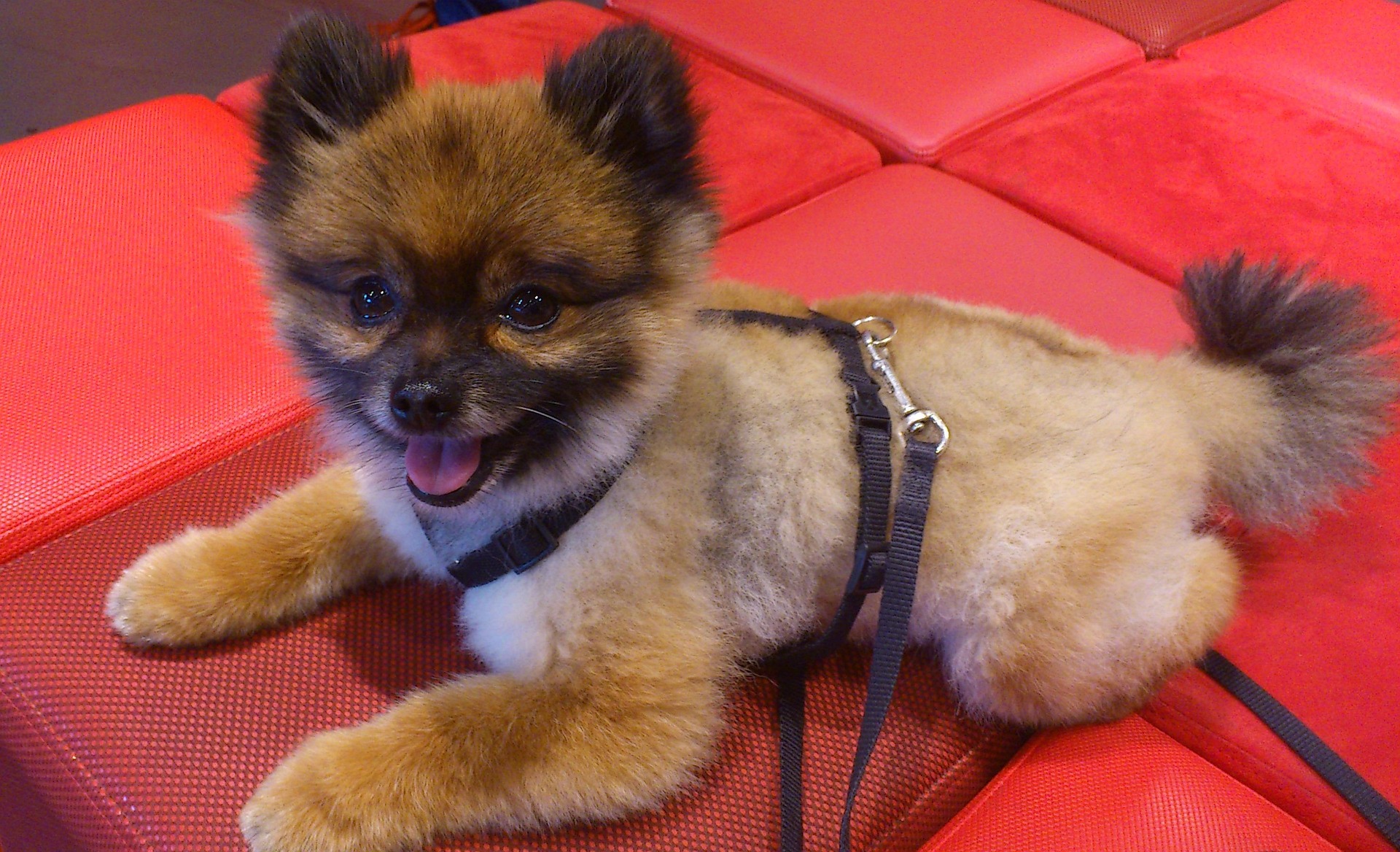
You may think Pomeranians have always been small, but their ancestors were much larger. Long before they became beloved companions, Pomeranians descended from large Spitz‑type dogs used for cold‑weather work like sledding and herding. These early Pomeranians could weigh up to 20–30 pounds — far from the petite pups we know today. WebMD+1
This large size eventually changed thanks in part to Queen Victoria of England. She favored smaller Pomeranians and actively bred them down in size, helping the tiny toy version gain popularity across Europe and beyond. WebMD
👉 Surprising twist: Because of their ancestry, a rare “throwback” Pomeranian can appear in modern litters — a pup that more closely resembles the old Spitz form, sometimes even heavier and larger than standard Poms. petpom.com
2. Pomeranians Come in an Astounding Array of Colors and Patterns
While many people picture an orange or cream Pom, the truth is that Pomeranians come in one of the widest ranges of colors of any dog breed. They can be solid, parti‑colored, or patterned, and display a range that includes:
-
Orange
-
Black
-
White
-
Cream
-
Chocolate
-
Blue
-
Sable and more
The American Kennel Club (AKC) recognizes 23 different colors and combinations for Pomeranians — an unusually large range for a single breed. iHeartDogs.com
What makes this even more interesting is that some Pomeranian puppies can change colors as they mature, shifting patterns or shades after their first year. Furs’n’Paws: Pet Blog & Product Reviews
3. Two Pomeranians Survived the Titanic Disaster
One of the most remarkable historical facts about Pomeranians is that two of the three dogs rescued from the sinking of the Titanic were Pomeranians. iHeartDogs.com
In April 1912, the luxury ocean liner sank on its maiden voyage; among the 12 canine passengers aboard, only three survived — and two of those were tiny Pomeranians. Their survival is a dramatic testament to both the breed’s popularity among wealthy owners at the time and their remarkable fortune. iHeartDogs.com
4. Pomeranians Can Be Record‑Breaking Trick Performers
Pomeranians aren’t just fluffy and cute — they’re intelligent and trainable. One Pomeranian named Ace held a Guinness World Record for most tricks performed in one minute, completing an astonishing 13 tricks. iHeartDogs.com
This surprising capability underscores that Poms are not just pretty faces — they’re quick learners with plenty of mental engagement. With consistent training and positive reinforcement, they can excel in obedience, tricks, and even agility games.
5. Pomeranians Have a Double Coat with a Distinctive “Mane”
A Pomeranian’s thick, fluffy look isn’t just for show. Their double coat — a dense undercoat plus a longer outer coat — originally helped protect them from harsh weather conditions inherited from their Spitz ancestors. Ablison
This unique structure means they shed more heavily in certain seasons and need regular grooming to avoid mats and tangles. Their signature “mane” around the chest is part of what gives them their iconic fox‑like appearance. Facts.net
6. Pomeranians Have Surprisingly Long Lifespans — and a Notable Record Holder
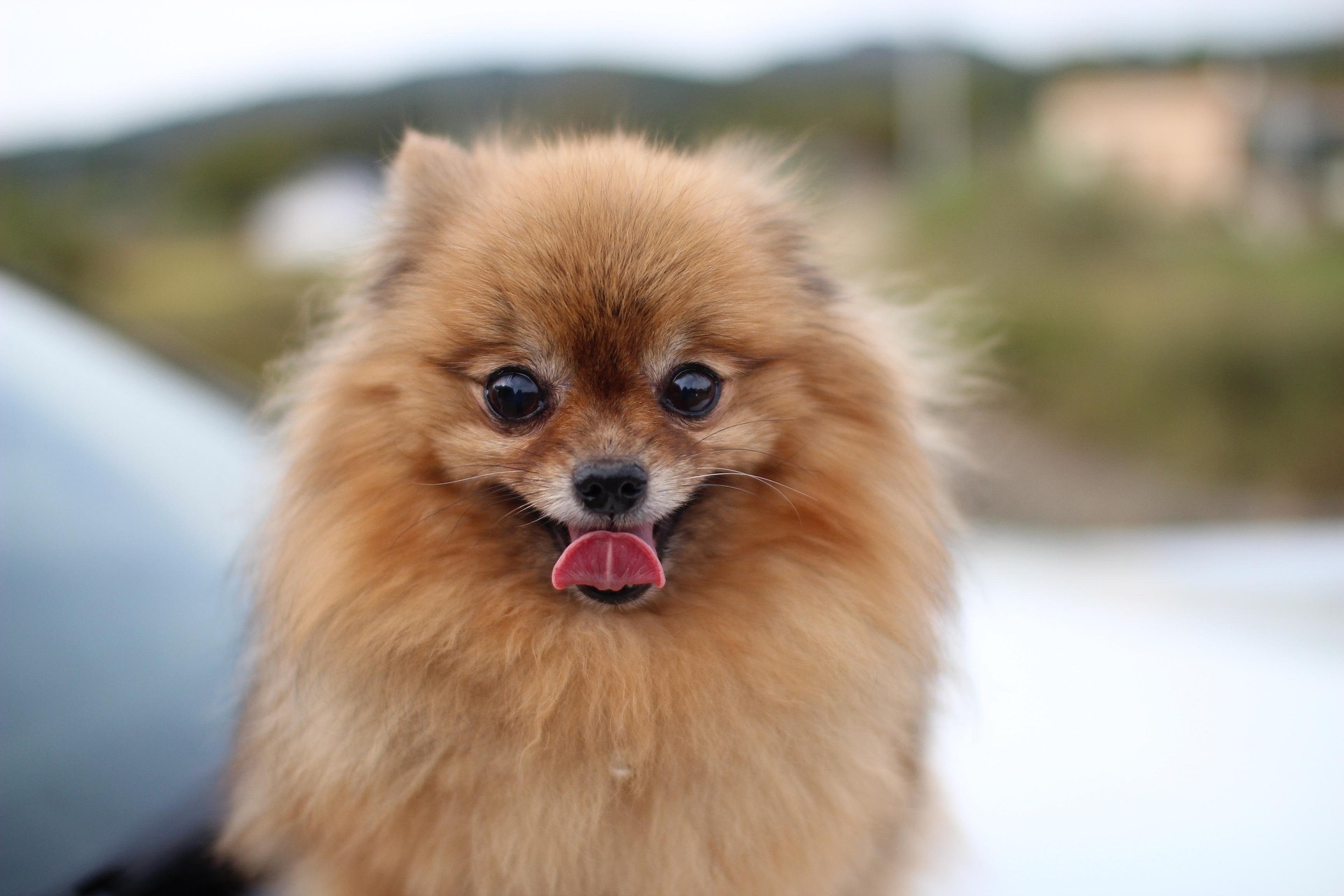
While many dog breeds have relatively short lifespans, Pomeranians often live longer than average for dogs — typically around 12 to 16 years with proper care. Trupanion Website
But the surprising part?
One Pomeranian named Coty holds a record for exceptional longevity, living to 21 years, 8 months, and 13 days — far beyond most canine life expectancies. Trupanion Website
This long lifespan highlights the value of proper nutrition, regular veterinary care, and enriching environments for tiny breeds like Pomeranians.
7. A Group of Pomeranians Has a Cute Collective Name
Dog lovers know some collective nouns for animals — a pack of wolves or a school of fish — but did you know that:
-
Two Pomeranians together are called a “puff”
-
Three or more is called a “tuft”
This whimsical terminology reflects the breed’s signature fluffiness and playful spirit. Trupanion Website
It’s a fun fact that surprises many dog enthusiasts and pet bloggers alike.
8. Pomeranians Are Named After a European Region with a Rich History
The breed’s name “Pomeranian” doesn’t come from a person, but from Pomerania, a historic region along the southern Baltic Sea that today includes parts of northern Poland and northeastern Germany. WebMD
This historical name reflects the breed’s roots in the Spitz family, which includes sled and working dogs adapted to cold climates. The breed later transitioned into small companion dogs, especially after royal adoption. WebMD
It’s a surprising connection that many owners don’t realize until diving into the breed’s history.
9. Their Popularity Was Boosted by Royal and Cultural Figures
Pomeranians have a long history of association with royalty and famous figures.
Queen Victoria
Perhaps the most famous early Pom enthusiast was Queen Victoria of the United Kingdom. She owned several Pomeranians in the late 1800s, helping popularize the smaller size that defines the modern breed. WebMD
Other Influencers
Historical accounts and lore also connect famous creatives like Mozart and Michelangelo with beloved Pomeranians by their sides as companions — a testament to how these dogs have been treasured across centuries by influential people. iHeartDogs.com
These surprising cultural links make Pomeranians one of the most uniquely storied toy breeds in canine history.
10. Pomeranians Often Think They’re Bigger Than They Really Are
This isn’t just a cute meme — it’s a real behavioral trait. Despite their small size, Pomeranians often exhibit confidence and alertness far beyond what you’d expect from a toy breed.
Pomeranians tend to:
-
Bark at unfamiliar noises
-
Act as little watchdogs
-
Engage boldly with dogs larger than themselves
-
Display an energetic, confident attitude
This big‑dog mentality in a tiny body may come from their Spitz heritage — and it helps explain why Poms are often described as tiny dogs with giant personalities. dogbreedencyclopedia.com
Interestingly, this trait means socialization and training are especially important so they can learn appropriate behavior and confidence with both people and other pets.
Bonus Surprising Factor: Pomeranians Have a Unique “Soft Spot” on Their Skulls
Like human babies, some Pomeranians are born with a soft spot — or fontanel — on their skulls that may persist into adulthood. This unusual trait isn’t common in many breeds, but it appears occasionally in Pomeranians and is purely anatomical rather than harmful. iHeartDogs.com
Though not a concern in itself, this fact is surprising — and worth knowing for breed enthusiasts, especially when evaluating puppies.
Understanding the Pomeranian Personality Behind the Facts
While all of the facts above are interesting, they also help explain why Pomeranians are such beloved dogs:
-
Their small size with a big personality makes them memorable companions. dogbreedencyclopedia.com
-
Their intelligence and adaptability make them capable of learning tricks, bonding with families, and thriving in various living environments. Hepper Pet Resources
-
Their history and cultural connections give them a rich backstory that adds depth beyond their fluff. WebMD
These traits help Pomeranians remain one of the most popular breeds in the world — and continue surprising even experienced dog lovers.
Conclusion: Tiny Dogs Full of Surprises
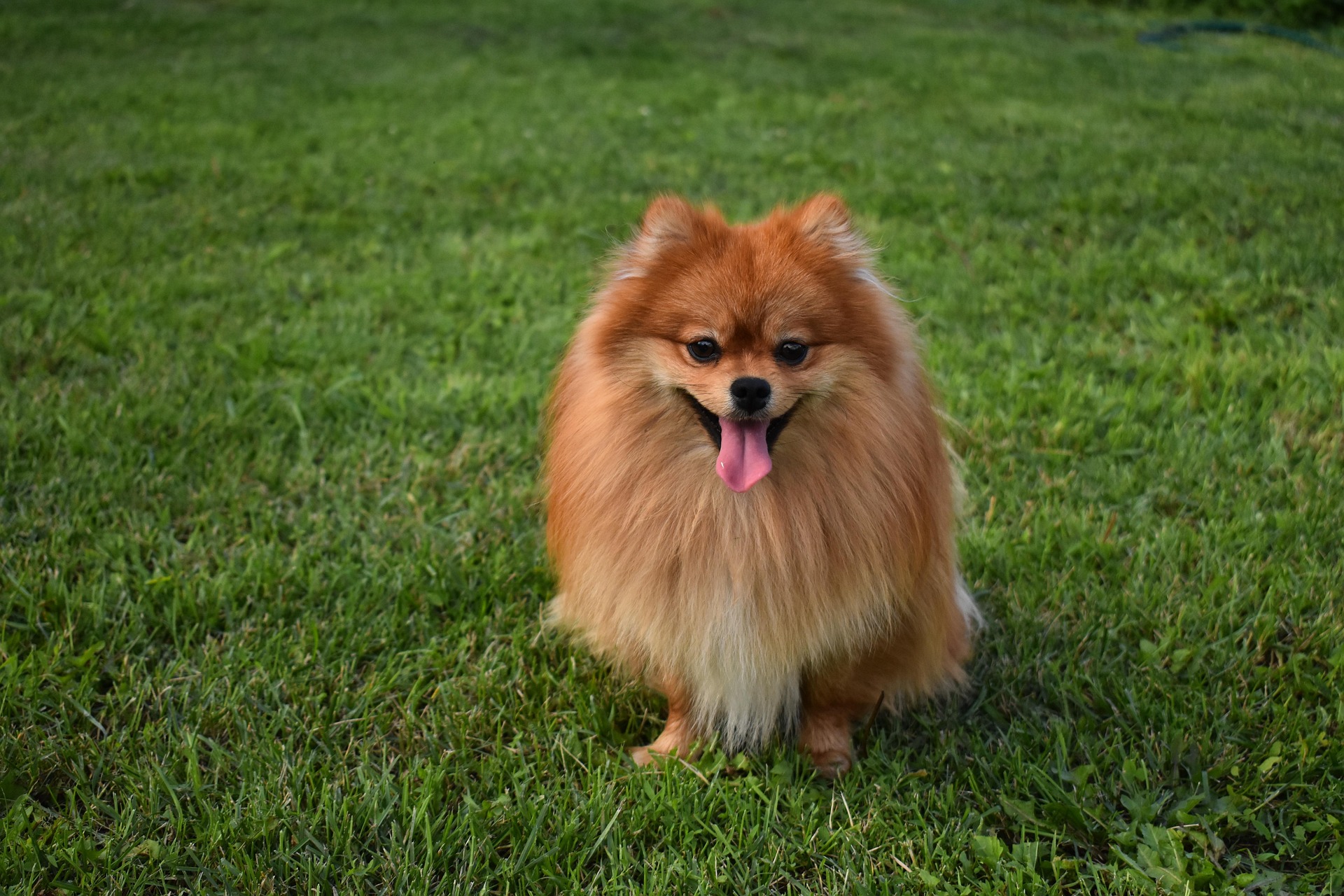
Pomeranians may be small, but their history, genetics, behavior, and cultural impact are big with fascinating facts. From surviving historic events like the Titanic disaster to being beloved by monarchs and artists, they carry a surprising legacy packed into a tiny frame.
Whether your audience is a prospective dog owner, a Pom enthusiast, or a general reader who enjoys quirky animal stories, these 10 surprising facts offer depth, delight, and authenticity — and each point can anchor its own blog section or social media share.
Sources & Further Reading
Here are the trusted sources used throughout this article:
🔗 Interesting Pomeranian facts and history — PetPom Pomeranian Information Center petpom.com
🔗 Pomeranian breed history & origins — WebMD Pets WebMD
🔗 Unusual facts & records about Pomeranians — iHeartDogs iHeartDogs.com
🔗 Fun facts and groom/behavior tips — Hepper Pet Resources Hepper Pet Resources
🔗 Breed traits and surprising behaviors — Dog Breed Encyclopedia dogbreedencyclopedia.com
🔗 Coat and personality info — Luxwisp Ablison
🔗 Additional breed details & facts — Trupanion blog Trupanion Website
Pomeranians may be tiny, but they pack a huge amount of personality, history, intelligence, and charm into their fluffy little bodies. Their fame spans centuries, their quirks are endless, and their surprisingly bold origins shock many new owners. To help readers dive even deeper into the world of Poms, here is a comprehensive FAQ section filled with fun facts, science, history, training insights, and adorable truths about the breed.
FAQs
1. Are Pomeranians really related to large sled dogs like Huskies? How is that possible?
Yes! This is one of the most surprising and fascinating facts about Pomeranians: they are indeed related to large Arctic sled dogs such as Huskies, Samoyeds, Alaskan Malamutes, and Spitz-type breeds.
Although the modern Pom is tiny—typically between 3 and 7 pounds—their ancestors were once much larger, usually weighing 20–30 pounds, sometimes even more. They worked as:
-
Herding dogs
-
Sled pullers
-
Watchdogs
-
General-purpose farm helpers
Over the centuries, especially in 18th and 19th century Europe, breeders selectively downsized the Pom to create the toy version we know today. Queen Victoria played a major role in shrinking their size even further because she loved small, portable dogs.
It’s hard to imagine your fluffy, purse-sized Pom pulling sleds across snowy landscapes, but their alertness, boldness, and vigorous energy reveal their working-dog origins even today.
2. Why do Pomeranians bark so much? Is there a historical reason?
Absolutely—and it makes perfect sense once you know their background.
Pomeranians were valued as alert watch dogs long before they became lap companions. Their job was to:
-
Warn owners of strangers
-
Alert households to predators approaching livestock
-
Guard property
-
Sound the alarm against potential threats
Even though they are tiny today, they still have a big dog’s protective instincts. That’s why they bark at:
-
Doorbells
-
Strangers
-
New noises
-
Sudden movements
-
Sometimes… leaves blowing in the wind
If your Pom barks a lot, it’s not misbehavior—it’s ancestral instinct. However, with training and structure, you can teach them when barking is appropriate.
3. Is the Pomeranian’s fluffy coat just for looks, or does it have a purpose?
The Pom’s iconic coat is more than glamour—it’s functional.
Pomeranians have a double coat, which includes:
-
A soft, thick undercoat — designed for warmth
-
A long, harsh outer coat — acts as protection against snow, wind, rain, and debris
This was essential when their ancestors lived in cold, northern climates. Today, the coat helps them:
-
Stay warm in winter
-
Protect their skin during play
-
Display their famous “lion-like” appearance
-
Repel light dirt and moisture
However, the coat requires regular grooming to prevent matting and maintain its volume.
Fun fact: Shaving a Pom can permanently damage the coat and prevent regrowth. Their double coat is NOT meant to be clipped short.
4. Why do Pomeranians seem fearless despite being so tiny?
Pomeranians are often described as having a “big dog heart in a small dog body.”
Their fearless nature comes from:
-
Their history as working Spitz dogs
-
Natural confidence
-
Strong protective instincts
-
High intelligence
-
A tendency toward dominance if not trained
Their boldness can sometimes lead to risky behavior, such as:
-
Challenging larger dogs
-
Running toward unfamiliar animals
-
Tackling “threats” like vacuum cleaners
-
Acting as household security guards
While their bravery is adorable, owners must protect Poms from situations where their courage outweighs their physical limits.
5. Are Pomeranians actually intelligent, or just cute and fluffy?
Pomeranians are extremely intelligent, ranking high on lists of smart dog breeds. They excel in:
-
Learning tricks
-
Obedience training
-
Puzzle toys
-
Problem-solving
-
Agility courses
-
Understanding routines
-
Reading human emotions
Their intelligence sometimes shows up as:
-
Mischievousness
-
Selective listening
-
Crafty ways of getting attention
-
Quick learning of habits—good AND bad
A Pom learns fast… which means owners must be consistent. Within just a few repetitions, a Pom can figure out:
-
How to beg successfully
-
How to manipulate routines
-
How to charm people into giving treats
-
How to escape baby gates
-
How to use those eyes to get anything
Their intelligence is one of their most underrated traits.
6. Why do Pomeranians spin in circles?
That famous Pom spin—also called the “Pomeranian tornado”—is one of the breed’s cutest habits.
They typically spin because of:
Excitement
Poms spin when greeting someone or anticipating treats, like a little fluffy celebration dance.
Instinct
Spitz breeds historically circled to flatten snow before resting—Poms still instinctively perform this ritual.
Energy release
Spinning is a way to burn pent-up energy quickly.
Seeking attention
Poms are performers. They quickly learn that spinning makes humans laugh and pay attention.
If spinning becomes obsessive, a vet or trainer should evaluate the behavior, but for most Poms, spinning is a harmless expression of joy.
7. Do Pomeranians really lose their fluff as puppies? What is “puppy uglies”?
Yes! The “puppy uglies” (a funny but accurate nickname) is a real growth phase.
Between 4–12 months old, many Pomeranians:
-
Lose their puppy coat
-
Grow their double coat
-
Display patchy or uneven fur
-
Look scruffy or awkward
-
Change color slightly
-
Appear less fluffy than expected
This is a normal developmental stage, not a health issue.
Eventually—around 12 to 18 months—the adult coat fills in, resulting in:
-
Thick fluff
-
A glorious mane
-
The signature Pom silhouette
Every Pom goes through a different version of this phase, but all come out adorable in the end.
8. Are Pomeranians good with children? Why do opinions differ so much?
Pomeranians can be wonderful with children, but the dynamic depends on:
1. Training of the dog
A well-socialized Pom is more tolerant, patient, and calm with kids.
2. Behavior of the child
Gentle, respectful children do well with Poms. Rough or overly energetic kids can accidentally hurt or scare them.
3. The Pom’s personality
Some Poms are:
-
Playful and outgoing
-
Patient and cuddly
-
Social butterflies
Others are:
-
Independent
-
Sensitive
-
Easily overwhelmed
Why the controversy exists:
Because Poms are tiny—very tiny—accidental injuries are a risk. Young children may:
-
Pick them up incorrectly
-
Hug too tightly
-
Drop them
-
Step on them
-
Frighten them
A Pom may react defensively if scared.
Conclusion:
Pomeranians can thrive with children who are taught proper dog handling habits. Supervision and training are essential.
9. Do Pomeranians actually change color as they grow? Why does this happen?
Yes — Pomeranians commonly change color between puppyhood and adulthood.
This is caused by:
Genetics
Pom coats contain multiple pigments that change as they mature.
Double coat development
When the adult coat comes in, it often has a different shade or intensity.
Color dilution
Some colors lighten naturally over time.
Common color transitions include:
-
Black puppy → chocolate adult
-
Cream puppy → white adult
-
Orange puppy → lighter orange adult
-
Wolf sable puppy → silver or gray adult
-
Parti puppy → coat pattern redistribution
This makes owning a Pom exciting—you may end up with a completely different-looking dog than you expected.
10. Why do Pomeranians bond so deeply with their owners?
Pomeranians are known for forming intensely strong bonds, often choosing one favorite person.
This comes from:
Ancestral pack instincts
They were once working dogs who relied on their humans for structure and survival.
High emotional intelligence
Poms are excellent at reading facial expressions, tone, and energy.
Affection-driven temperament
They truly thrive on human interaction, praise, and love.
Size and lifestyle compatibility
Because they are small, they spend a lot of time:
-
Being carried
-
Sitting near their owners
-
Sleeping close
-
Sharing daily routines
This constant proximity strengthens the bond dramatically.
A Pom’s loyalty is so strong that many owners say:
“They’re not pets… they’re shadows with fur.”
Bonus Fun Pomeranian FAQs
11. Why do Pomeranians seem to “talk back”?
Pomeranians often make a range of sounds:
-
Grumbles
-
Mumbling noises
-
Yodel-like vocalizations
-
Dramatic sighs
-
Howls
These are forms of communication—Poms are extremely expressive and opinionated. They are known to “argue” if they disagree with something or want attention.
12. Why do Pomeranians sleep so much despite being energetic?
Because they’re tiny and burn energy quickly.
Poms usually sleep:
-
12–16 hours per day
-
More as puppies
-
More during growth spurts or high activity days
Their small size means they tire out faster than large breeds.
13. Are Pomeranians good traveling companions?
Yes! Their small size makes them ideal for:
-
Car rides
-
Airplane travel (in the cabin)
-
Hotel stays
-
City exploring
They love being close to their owners and adapt well when socialized early.
Final Thoughts
Pomeranians may be tiny fluff-balls, but their personalities, intelligence, history, bravery, and quirks make them one of the most fascinating dog breeds on earth. Understanding these facts deepens the bond between owners and their spirited little companions.